
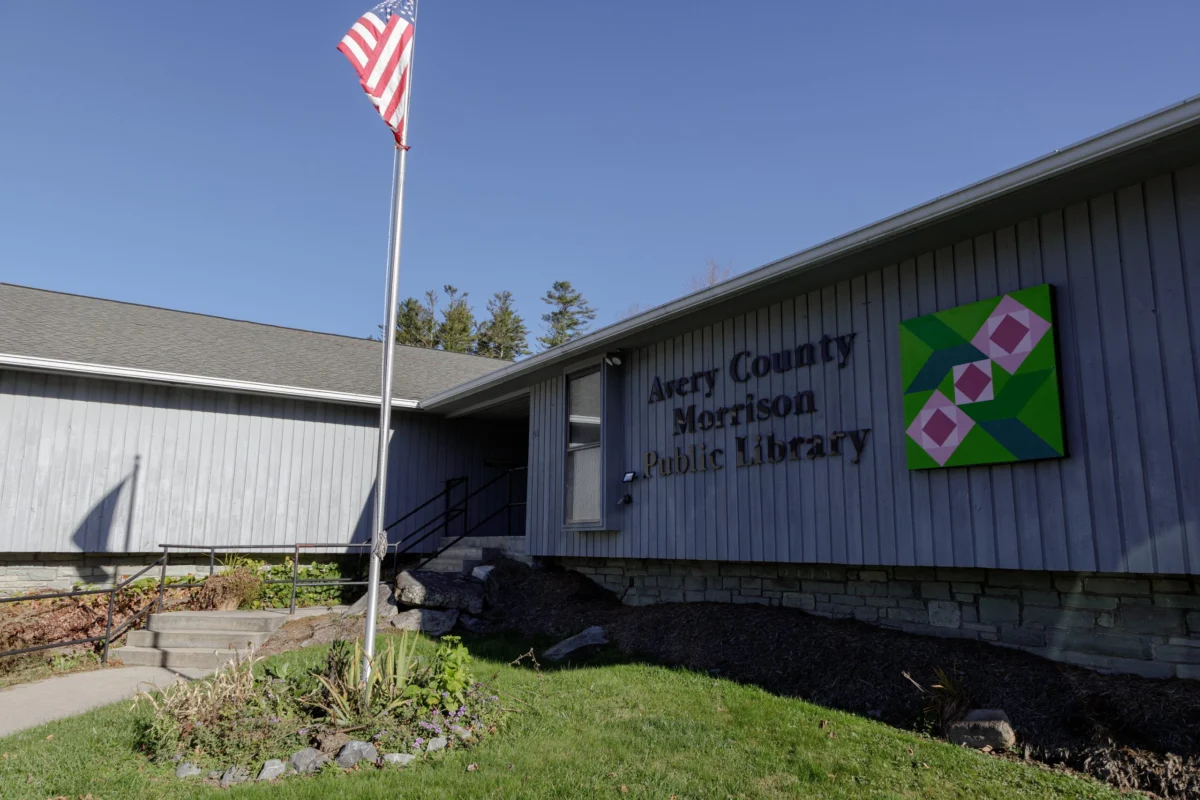
The American public library system, long perceived primarily as a quiet repository for printed books, is undergoing a profound evolution that positions it as one of the nation’s most critical, yet under-leveraged, pieces of public infrastructure. Despite the ubiquity of digital media and the shifting habits of modern readers, library usage is experiencing a notable surge. In 2023, American adults and children recorded more than 800 million visits to public libraries, a figure that marks a near-doubling of the 2021 attendance numbers. This resurgence highlights a growing public reliance on these institutions, particularly as federal and state budget cuts increasingly erode other community-based support systems.
A Network Larger Than Commerce
The scale of the American public library system is immense, comprising more than 17,000 locations nationwide. To put this into perspective, there are significantly more public libraries in the United States than there are hospitals or McDonald’s franchises. This physical presence provides a unique, localized service model that ranges from the solitary, single-room facility in Donnelly, Idaho, which acts as a vital hub for after-school child care, to expansive urban systems like the District of Columbia Public Library, which facilitates over 2,600 free summer events annually.
Despite their ubiquity, libraries are rarely categorized alongside traditional infrastructure such as bridges, electrical grids, or high-speed broadband networks. However, experts in social services and education argue that this classification is a misnomer. Libraries serve as essential conduits for early literacy, workforce development, English language instruction, and high-stakes services like passport and notary processing. In a time of heightened social and political polarization, libraries remain one of the few remaining "third places"—civic spaces that foster community cohesion and provide neutral, accessible resources to all citizens, regardless of their socioeconomic status.
The Evolution of Library Programming
The modern public library has shifted its focus from passive collection management to active community programming. A typical Tuesday afternoon at a mid-sized library branch might feature a "STEAM Team" session, where children engage in hands-on learning—elementary schoolers crafting slime, middle schoolers building complex catapults, and teenagers producing digital podcasts. By Saturday morning, that same facility often transforms into a hub for early childhood development, hosting sing-alongs and literacy circles for toddlers and their caregivers.
These programs are not merely recreational; they are pedagogical tools. Pediatricians and educational researchers have long established that the language exposure provided by early childhood library programs is a direct predictor of school readiness. Furthermore, these offerings are frequently comparable in quality to private enrichment centers that charge hundreds or thousands of dollars in tuition. By offering these services for free, public libraries serve as a powerful equalizer in an era of widening educational inequality.
The Visibility Gap: A Disconnect in Access
Despite the robust nature of these programs, there exists a persistent "visibility gap." Research indicates that when parents seek educational resources, they predominantly utilize internet searches, school website portals, and peer recommendations. Conversely, many library systems continue to rely on legacy promotional methods, such as physical flyers posted on bulletin boards inside the library. This creates a disconnect: the people who need these services most are searching for them on their mobile devices at 9 p.m., while the information remains trapped within the physical walls of the institution.
The implication is clear: "free" does not always mean "findable." For a working parent juggling multiple responsibilities, the inability to easily discover high-quality, free resources—such as college essay counseling, STEM camps, or professional tutoring—is a significant barrier. The current infrastructure of library outreach is, in many instances, failing to keep pace with the digital habits of the modern family.

Historical Precedent and the Call for Philanthropic Innovation
The concept of the library as a democratic backbone is not new. In the early 20th century, Andrew Carnegie’s massive philanthropic investment in the construction of nearly 1,700 public libraries was predicated on the belief that universal access to knowledge was essential to the survival of a democratic society. That investment yielded significant, long-term societal returns.
Today, there is an argument that modern philanthropy must "double down" on this century-old bet. While public tax funding is, and should remain, the primary source for building maintenance, staff salaries, and collection development, private philanthropy is uniquely positioned to fund the innovation required to bridge the visibility gap.
Industry leaders, such as Jon Deane, CEO of GreatSchools, have suggested that philanthropy should focus on three specific areas:
- Shared Technology Infrastructure: Developing digital platforms that allow small, rural, or underfunded libraries to manage and broadcast their programming without the need for an internal, high-cost IT department.
- Staff Capacity for Outreach: Funding specialized roles within library systems dedicated to digital engagement, enabling libraries to reach families where they are—online and on social platforms.
- Integration with Trusted Partners: Establishing data-sharing partnerships with school districts and community organizations, ensuring that library event calendars appear alongside school schedules and after-school activity lists.
Economic and Social Implications
The economic case for strengthening library infrastructure is compelling. As states and municipalities look to tighten budgets, they often target community centers and enrichment programs. By failing to integrate libraries into the broader digital ecosystem of community services, these institutions risk becoming invisible to the very policymakers and families they serve.
If libraries are allowed to drift into obscurity, the cost to the public will be significant. The loss of a "third place" exacerbates the decline of social trust in shared institutions. Conversely, by surfacing library programs alongside essential school data, the barrier to entry is lowered, and the return on investment for taxpayer-funded services is maximized.
Future Outlook and Strategic Integration
The challenge is not one of invention, but of connection. The libraries already exist, the programming is already in place, and the demand from families is documented. The path forward requires a systematic integration of library services into the digital tools that families already trust.
For schools and local governments, the inclusion of library resources in parent communications is a low-lift, high-impact strategy. By directing parents to free, high-quality library programming, schools can bolster their own educational objectives, such as literacy and college readiness, without incurring additional costs.
As the digital age continues to reshape how information is consumed, the public library must evolve from a place one "goes to" into a service that is "always available" on the devices parents use to navigate their daily lives. Strengthening these institutions is not a luxury; it is a fundamental necessity for maintaining the educational and social health of the American community. The buildings are already standing, the staff are already trained, and the value is already proven—the final step is ensuring that every family can find and access the resources that their tax dollars have already secured for them.

