
A fleet of tankers carrying Russian-origin diesel is currently navigating the Atlantic Ocean toward U.S. ports, marking the first tangible execution of a controversial energy agreement between the Trump administration and the Kremlin. As these vessels approach American shores, the shipments have ignited a fierce constitutional and political firestorm in Washington, pitting the executive branch’s authority to manage international trade against a 2022 congressional mandate intended to decouple the U.S. economy from Russian energy resources.
The maritime transit, involving three tankers currently at sea and a fourth scheduled for departure from Russian terminals, represents a significant pivot in the U.S. strategy regarding energy security and geopolitical leverage. The administration has defended the move as a necessary measure to stabilize domestic fuel prices, which have faced significant upward pressure due to global supply chain disruptions, the ongoing war in Ukraine, and the systematic targeting of Russian oil refineries by Ukrainian drone strikes.
The Chronology of the Deal and Deployment
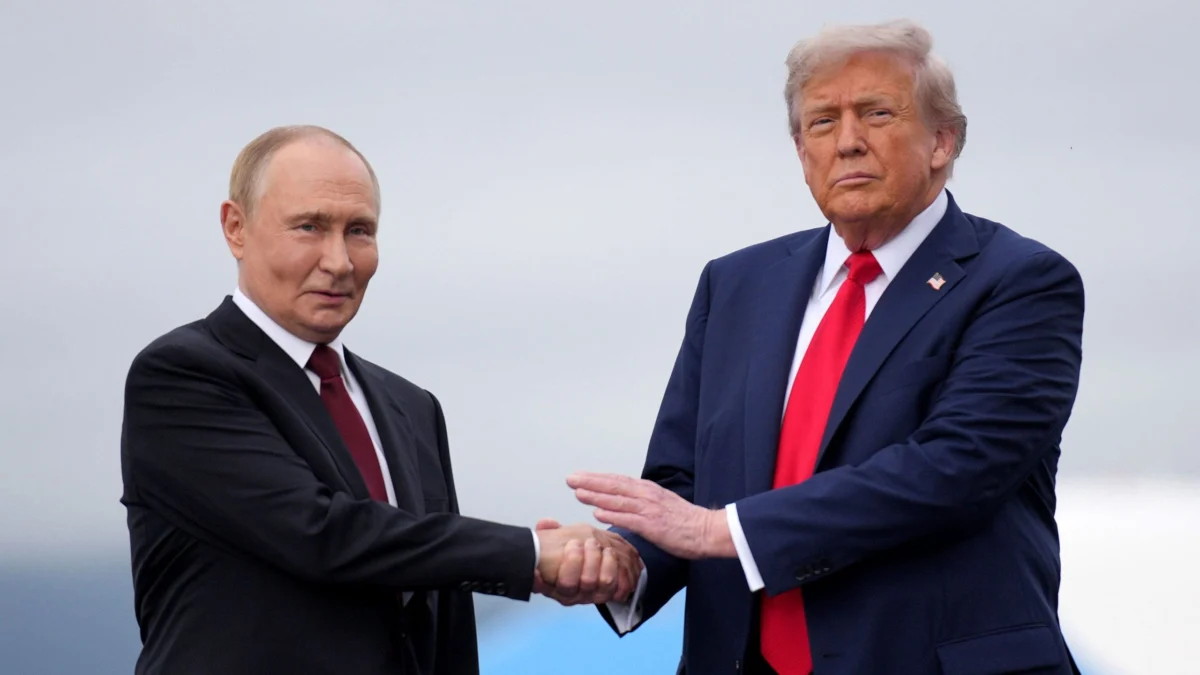
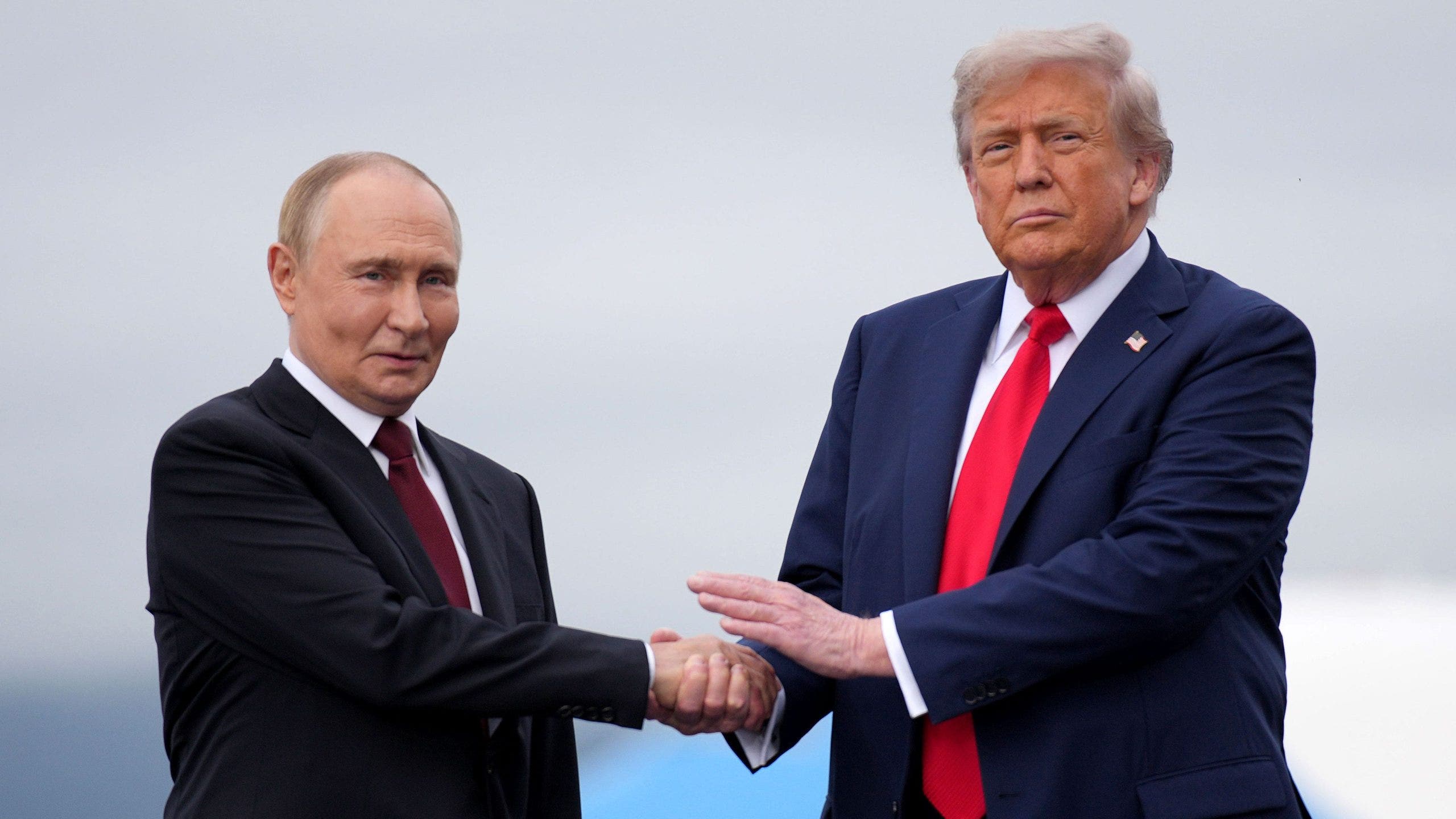
The current situation is the culmination of high-level diplomatic efforts that solidified on October 9, when an agreement was reached between President Donald Trump and Russian President Vladimir Putin. Under the terms of this deal, the United States signaled a willingness to permit limited imports of Russian diesel. In exchange, Moscow committed to releasing 300,000 metric tons of diesel into the global market, with promises to increase that volume to 500,000 metric tons in November and potentially reaching 1 million metric tons per month thereafter.
Russian Deputy Prime Minister Alexander Novak provided further clarity on the logistical timeline during the Gas Exporting Countries Forum (GEC) summit. Novak confirmed that three vessels are already in transit, while a fourth ship is slated to depart Russia on October 28. The total cargo currently inbound is estimated at approximately 140,000 metric tons.
The first vessel, the Malta-flagged Agioi Fanendes, is currently signaling a destination in New York, with an expected arrival of November 7. A second ship, the Talisman, is projected to arrive on the U.S. East Coast by November 9. The third vessel, the Hong Kong-owned, Sierra Leone-flagged Leruo, is expected to reach port by November 11.
The Legal Conflict: Executive Authority vs. Legislative Intent
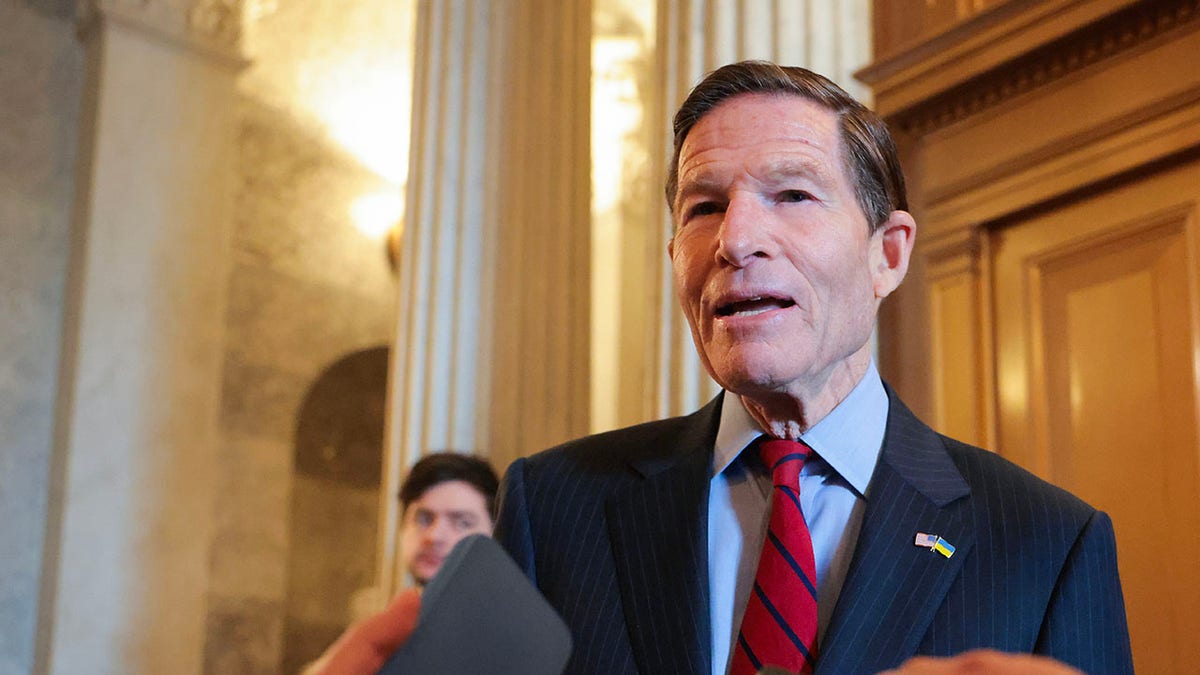
At the heart of the controversy is the Ending Importation of Russian Oil Act of 2022, which was passed by an overwhelming bipartisan majority following the invasion of Ukraine. Critics, led by Senator Richard Blumenthal (D-Conn.), argue that the administration’s actions represent an illegal bypass of this statute. Blumenthal has explicitly demanded that shipping companies involved in the trade recall their tankers, warning that the deliveries could constitute a violation of federal law.
However, legal experts offer a more nuanced view of the executive branch’s maneuverings. Jeremy Paner, a partner at Hughes Hubbard & Reed and a former official with the Treasury Department’s sanctions division, asserts that the president maintains the legal authority to issue such authorizations.

"The concern that the president has violated a law from 2022 that prohibits the importation is actually not founded in law, so the president certainly has the authority in this case to provide the authorization," Paner explained. He draws a critical distinction between repealing a law and granting a license. According to Paner, the Treasury Department’s General License No. 135 does not abolish the underlying prohibition established by Congress; rather, it creates a specific, authorized exemption. "A license does not get rid of a prohibition. It’s simply allowed," he noted.
Geopolitical and Maritime Complications
The use of specific vessels for these shipments has added a layer of complexity. At least two of the tankers currently bound for the U.S. are subject to sanctions imposed by the European Union, the United Kingdom, and Canada due to their involvement in deceptive shipping practices, such as ship-to-ship transfers at sea designed to obfuscate the origin of petroleum products.
While the U.S. Treasury’s authorization provides a legal "green light" within the American jurisdiction, it does not provide immunity from the sanctions regimes of other nations. This creates a volatile environment for global logistics firms, insurers, and banks. Paner warns that even if the U.S. government "blesses" the cargo, the involvement of international shipping entities could trigger secondary sanctions or legal repercussions elsewhere.
"Where it gets complicated is the EU, U.K. and Canadian sanctions on some of the vessels," Paner said. "There are so many different players in the maritime industry, including shippers, insurers, re-insurers, and banks. There could be European operators involved, and the U.S. authorization would not authorize those European, U.K., or Canadian companies to have any involvement in these shipments."
Congressional Pushback and Potential Investigations
The legislative response has been swift and aggressive. In late October, a group of bipartisan lawmakers, led by ranking members of the Senate Foreign Relations Committee, issued a formal warning to commercial banks, fuel distributors, and port authorities in critical hubs such as New York, New Jersey, and the Texas Gulf Coast.
These lawmakers have demanded the preservation of all records, port reservations, and communications related to the shipments. They have set a deadline of October 31 for companies to confirm that they have retained these documents, signaling that a rigorous congressional inquiry is imminent.
"I’m confident that Congress is going to investigate on the U.S. side, and then from investigating the U.S. involvement, they’ll be able to understand the non-U.S. companies that are involved as well," Paner added.
The Rationale and Economic Implications
The administration’s decision to move forward with the deal is rooted in a desire to address domestic energy volatility. By facilitating the flow of Russian diesel—a critical fuel for transportation, heating, and agriculture—the White House aims to prevent price spikes that could exacerbate inflation.

However, the administration’s strategy has drawn ire from Moscow as well. Deputy Prime Minister Novak criticized the U.S. congressional opposition, framing it as counterproductive. "Overall, it is certainly surprising to see the stance taken by Democrats, who speak out—or even take action—in a way that is not in the best interests of the residents of the United States of America," Novak stated.
The broader implications of this move are significant. By partially re-integrating Russian energy into the U.S. market, the administration is shifting away from the total isolationist policy toward Moscow that characterized the post-2022 era. This shift suggests a prioritization of short-term economic stability over long-term strategic isolation, a trade-off that is likely to remain a flashpoint in U.S. foreign policy.
Conclusion
As the tankers draw closer to American ports, the situation remains fluid. The intersection of domestic energy demand, complex international sanctions, and the legislative branch’s oversight authority creates a high-stakes scenario. Whether the administration can successfully navigate the legal and political fallout of these shipments will depend on the effectiveness of its licensing strategy and the degree to which Congress chooses to exercise its investigative powers. For now, the global energy market is watching to see how these vessels—and the policy they represent—are received at the docks of the United States.

