
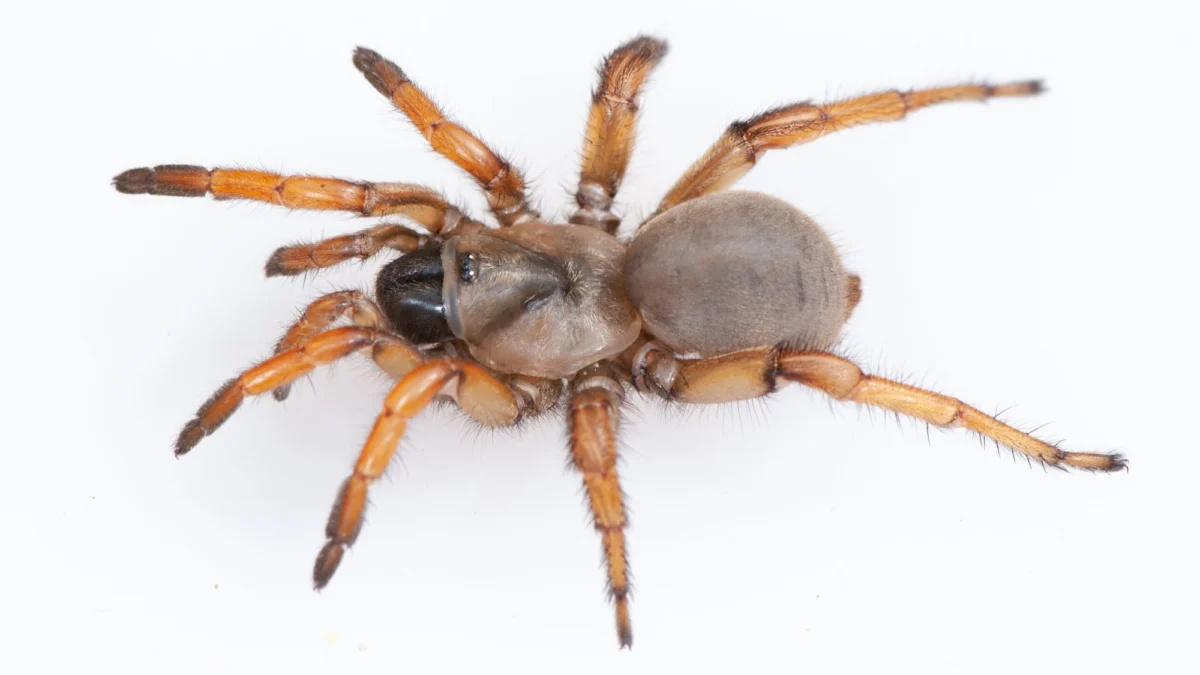
Nearly two decades after its initial discovery, the trapdoor spider species known as Aptostichus stephencolberti has returned to the scientific spotlight, not for its ambush-predator lifestyle, but for its remarkably complex genetic blueprint. A recent study published in the Journal of Heredity has revealed that this arachnid—a creature no larger than a common quarter—possesses a genome significantly more expansive than that of a human being. This discovery has provided entomologists with a rare window into the evolutionary mechanisms of spiders and the genetic architecture that distinguishes them from vertebrate life forms.
The species, which carries a silent "t" in its taxonomical namesake, was originally identified in 2008 by a team of researchers led by Jason Bond, an entomologist currently affiliated with the University of California, Davis. The naming of the spider followed a high-profile, tongue-in-cheek campaign by television host Stephen Colbert, who had publicly campaigned for such a distinction during his tenure on The Colbert Report. While the naming process was born of pop-culture irony, the scientific follow-up has yielded data that is anything but trivial.
A Chronology of Discovery and Nomenclature
The history of Aptostichus stephencolberti is deeply intertwined with the cultural landscape of the mid-2000s. In 2007, Jason Bond, then working at Auburn University, gained national attention when he named a newly discovered spider species, Myrmekiaphila neilyoungi, after the iconic rock musician Neil Young.
The move prompted an immediate and characteristically hyperbolic reaction from Stephen Colbert. During a 2008 episode of his Comedy Central series, Colbert utilized his "Who’s Not Honoring Me Now?" segment to confront Bond, facetiously expressing indignation that he had been overlooked by the scientific community. Bond, recognizing the comedic value of the exchange, complied by naming a Northern California trapdoor spider in honor of the host.
The naming ceremony was cemented with the publication of formal research, and for years, the spider existed primarily as a biological footnote and a piece of television trivia. However, in the years following, advancements in genome sequencing technology—specifically the shift toward long-read sequencing and high-throughput genomic mapping—allowed researchers to return to the specimen with greater precision. The publication in the Journal of Heredity represents the culmination of this longitudinal effort to decode the creature’s DNA.
Genomic Architecture: The 4.6 Gigabase Mystery
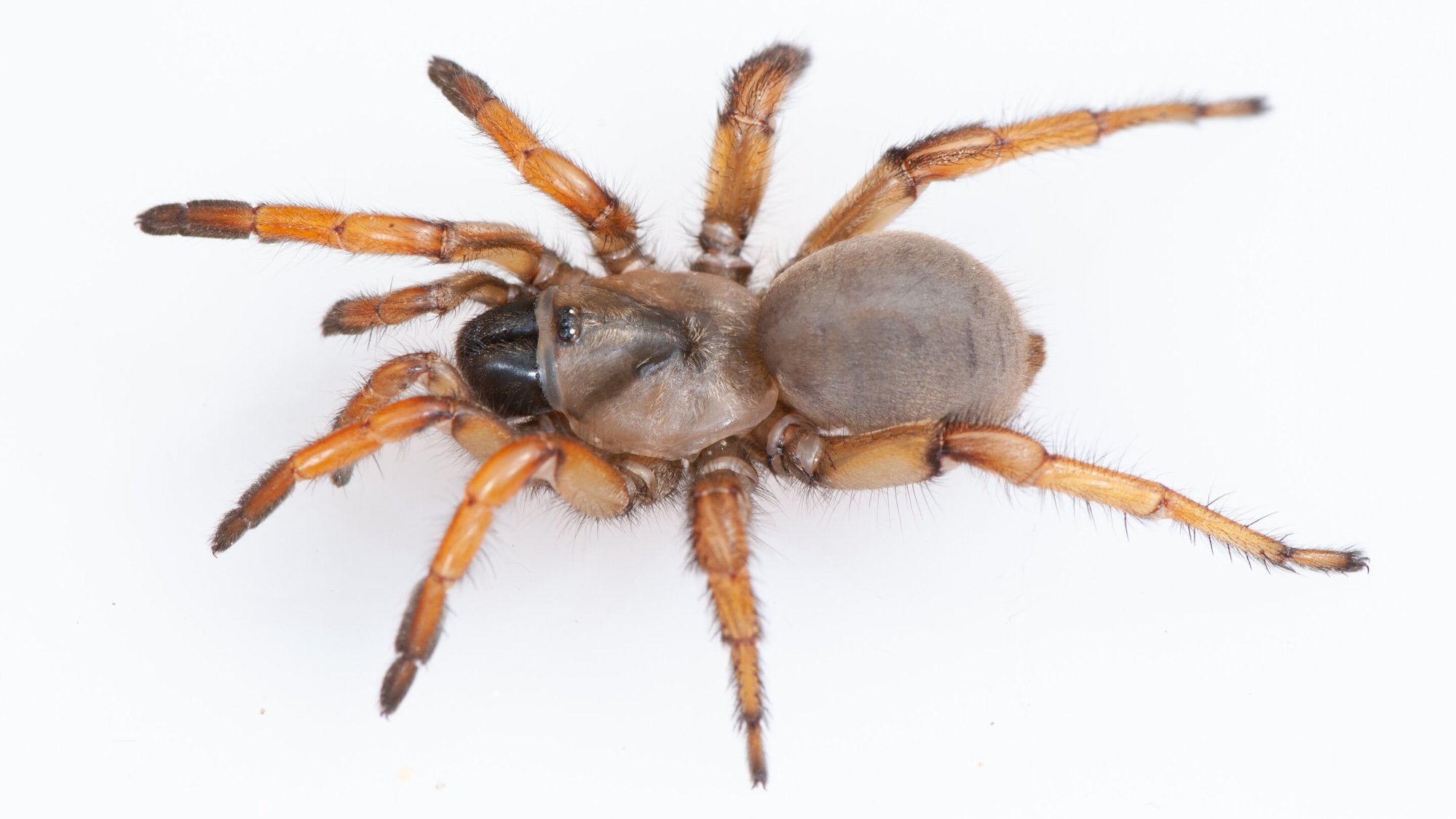
The most striking revelation from the recent study is the sheer size of the spider’s genome. Researchers determined that Aptostichus stephencolberti contains approximately 4.6 gigabases, or 4.6 billion DNA base pairs. To put this into perspective, the human genome is estimated to be roughly 3.2 billion base pairs.
Despite this massive volume of genetic material, the spider does not utilize all of it for coding proteins. The study notes that over 75 percent of the spider’s genetic sequence consists of repetitive DNA elements. This, according to lead researchers, is a common feature in many arachnids, yet the density found in A. stephencolberti provides a unique dataset for studying genome expansion.
Furthermore, the spider exhibits 53 chromosomes, a stark contrast to the 23 pairs found in humans. The study also highlighted the absence of telomere repeats—the protective "caps" at the end of chromosomes. In vertebrates, telomeres are essential for maintaining chromosomal stability during cell division; their absence in spiders is hypothesized to be a key driver in their rapid evolutionary rate. This biological quirk may explain how species within the Aptostichus genus have been able to diversify across varying micro-climates along the California coast.
Habitat and Environmental Vulnerability
Aptostichus stephencolberti is endemic to the coastal dunes stretching from Monterey to the San Francisco Bay. The spider is a classic ambush predator, spending the majority of its life cycle within silk-lined burrows. The "trapdoor"—a hinged, camouflaged covering made of soil and vegetation—allows the spider to remain hidden until vibrations from unsuspecting prey trigger a lightning-fast strike.
While the spider is venomous, its bite poses no medical risk to humans. However, the species is currently facing a precarious future. The very dunes that provide its primary habitat are under constant threat from human encroachment, the introduction of invasive plant species, and the accelerating effects of climate change. As sea levels rise, the narrow coastal strip of sand dunes—the only environment where this species has been observed—is being eroded.
"The loss of these habitats could be catastrophic for specialized species like A. stephencolberti," says Bond. "The genome sequencing study is not just an academic exercise; it provides us with the baseline data needed to understand the population genetics of the species, which is crucial for conservation efforts."

Scientific Implications and Broader Impact
The study of A. stephencolberti’s genome is part of a broader, ongoing effort in the field of evolutionary biology to map the "tree of life" with greater accuracy. By comparing the repetitive sequences of the spider to those of other arthropods and vertebrates, scientists are beginning to understand how genomes evolve, expand, and contract over millions of years.
The findings have been welcomed by the entomological community, not only for the taxonomic clarity they provide but for the way they illuminate the diversity of life on Earth. The fact that the spider’s genome is 50 percent larger than the human genome serves as a humbling reminder of the complexity found in "lower" organisms. It challenges the anthropocentric view that complexity in an organism’s biological code is directly correlated with its position on the evolutionary scale.
Official Responses and Legacy
Reflecting on the study, the scientific community has noted the irony that a creature named as a result of a satirical television bit has become a significant subject of serious genetic research. For Jason Bond and his colleagues, the goal remains the same as it was in 2008: to foster an appreciation for biodiversity and the hidden wonders of the natural world.
While Stephen Colbert has moved on from the character that brought the spider its name, the legacy of A. stephencolberti persists in the permanent biological record. It serves as a reminder of the intersection between public discourse and scientific inquiry—a rare instance where the cultural spotlight helped fund and bring awareness to the study of a niche, vulnerable, and biologically fascinating species.
As research continues, the scientific team hopes that the genetic data provided by the study will assist in future efforts to protect the California coastline. By understanding the specific needs and evolutionary history of the spiders living in these dunes, conservationists are better equipped to advocate for the preservation of these critical, yet often overlooked, ecosystems. The "silent t" in the spider’s name may have been a joke, but the genetic data hidden within its cells is a profound piece of the biological puzzle that continues to unfold.

