
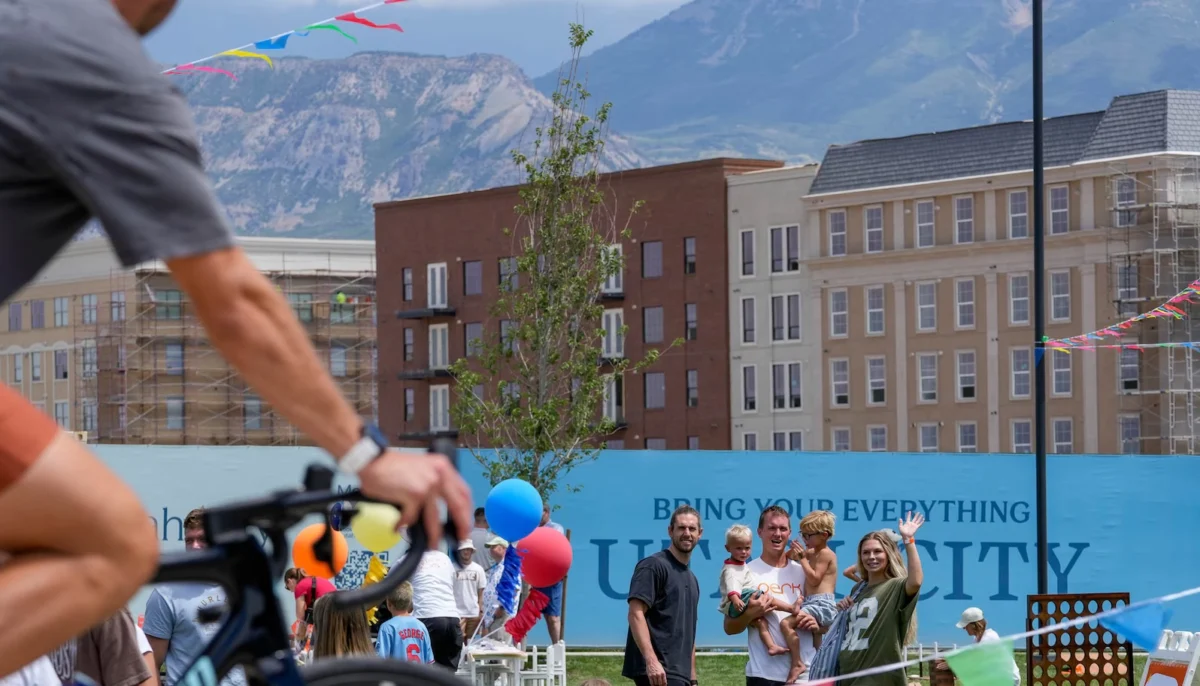
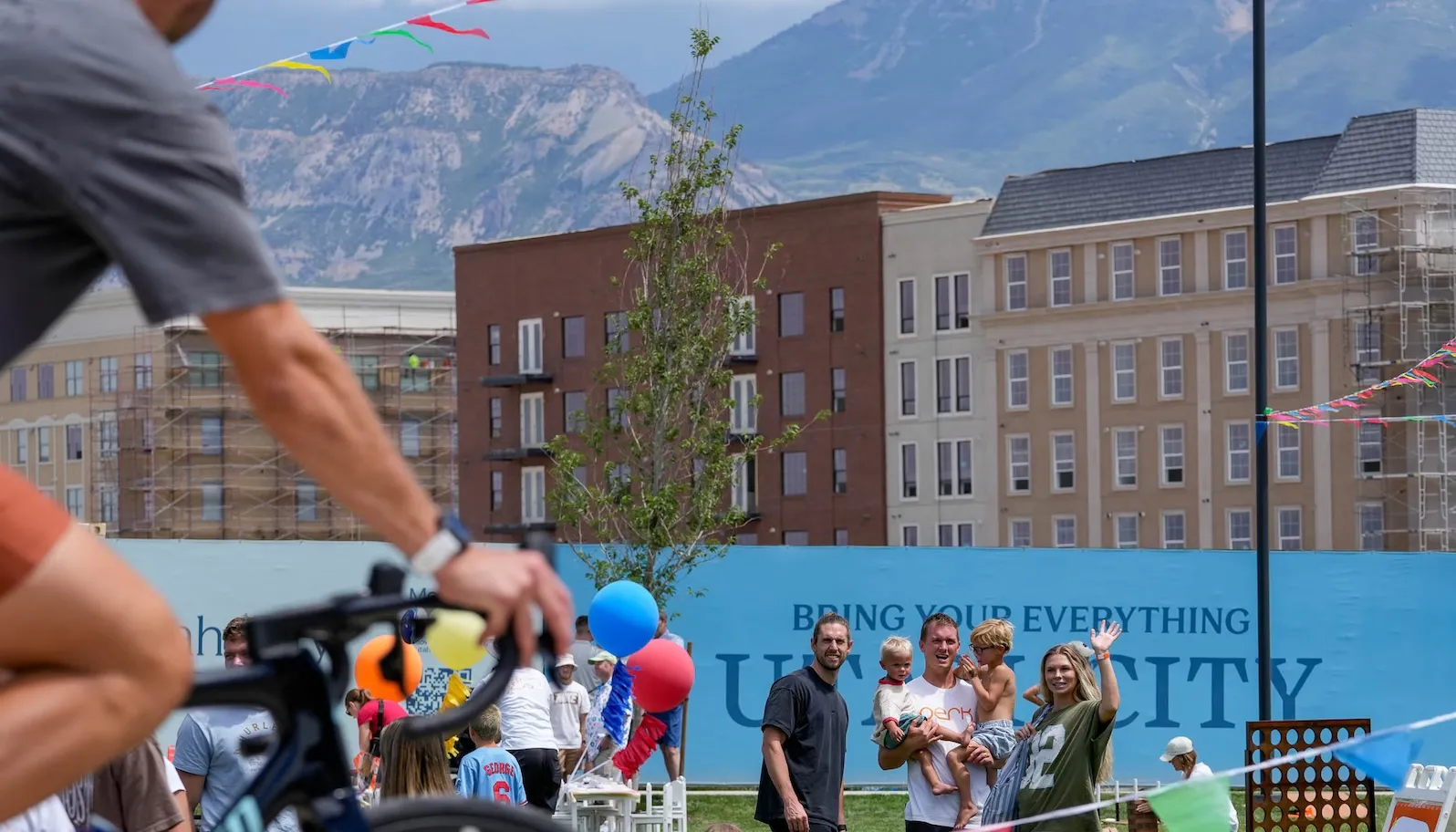
On a sun-drenched summer afternoon, Sarah Miller navigated her bicycle along the Greenline, a wide, meticulously landscaped promenade in the heart of Vineyard, Utah. With her five-year-old son in tow, she glided past pristine pickleball courts, tennis facilities, and modern wooden play structures toward the shimmering expanse of Utah Lake. It is a scene that evokes the ambition of a European plaza or a curated New Urbanist experiment. Yet, despite the state-of-the-art infrastructure and the proximity to the FrontRunner commuter rail station, the park remained largely empty. For Miller, a resident who moved to the lakeshore years ago, the quiet is a testament to a development still in its infancy—a multibillion-dollar, decades-long bet on the future of Utah’s rapid urbanization.
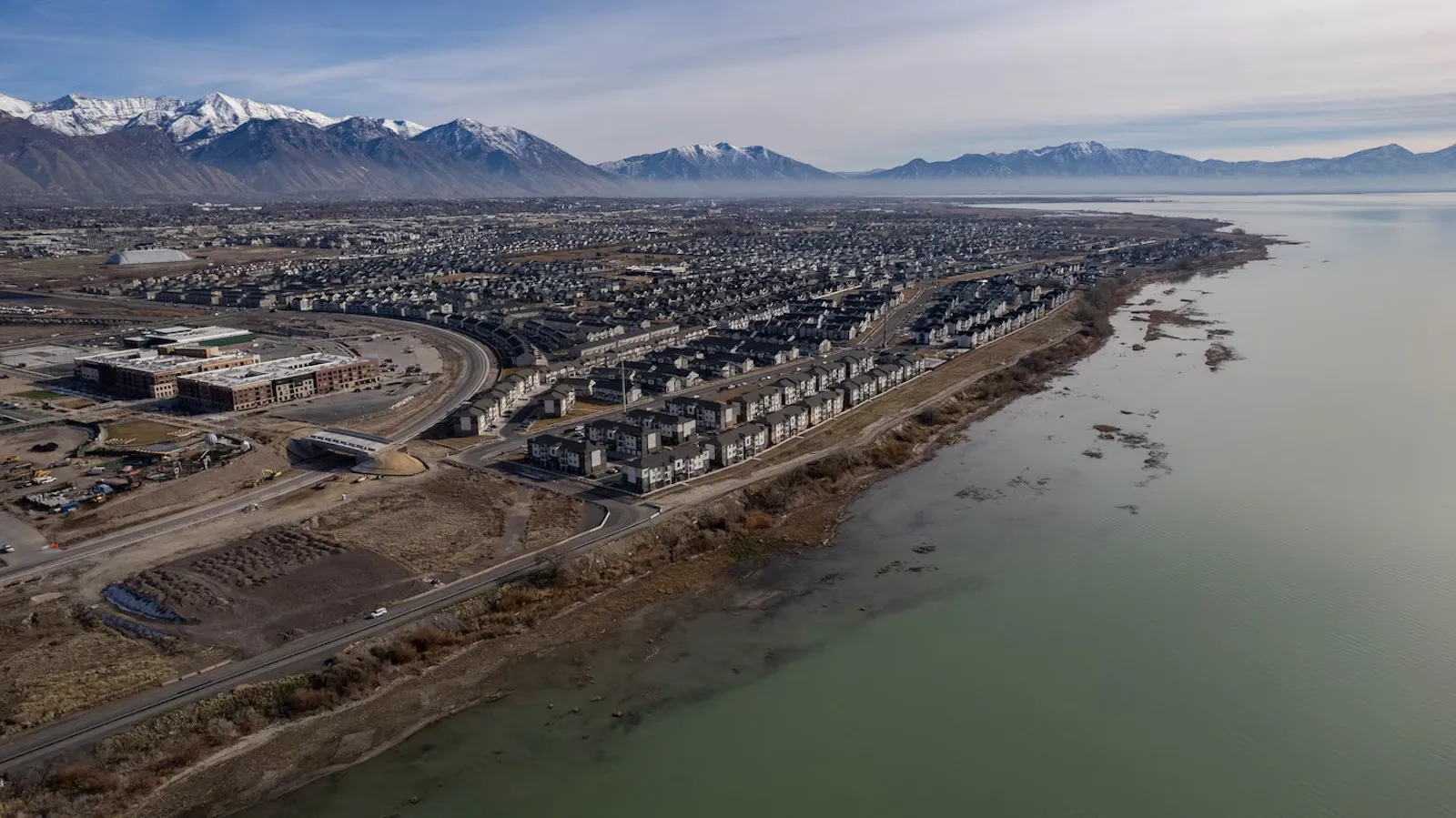
Utah City, a massive project sprawling across 700 acres, is rising on the former site of the Geneva Steel mill, an industrial titan that defined the region’s economy during World War II before closing its gates in the early 2000s. Today, developers Flagborough LLC are working to replace the legacy of heavy industry with a high-density, transit-oriented "downtown." While proponents view it as the antidote to the smog-heavy suburban sprawl that plagues the Wasatch Front, the project has become the epicenter of a heated political tug-of-war, pitting ambitious developers against a new generation of local officials wary of taxpayer-funded incentives and the realities of Utah’s car-centric culture.
A Legacy of Steel and the Vision for Density
The transformation of the Geneva Steel site represents one of the most significant land-use projects in Utah’s history. For decades, the decommissioned facility stood as a reminder of an industrial era that had long passed. When Vineyard officials first looked at the site, they saw more than just brownfield; they saw a blank canvas. By 2022, the Utah Transit Authority had completed a critical piece of the puzzle: a new FrontRunner commuter rail station designed to anchor the development.
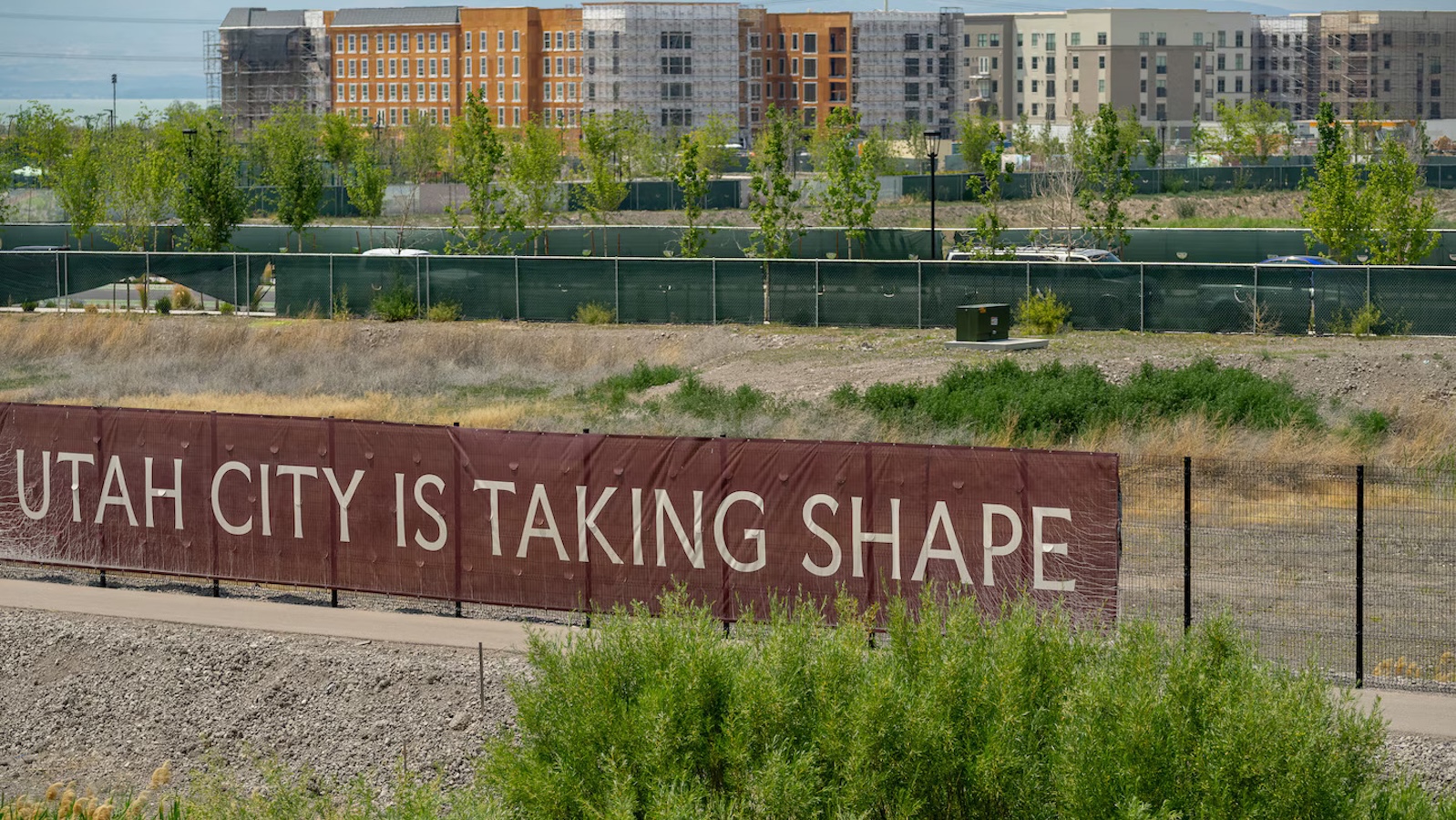
The strategy was clear: create a "Housing and Transit Reinvestment Zone" (HTRZ) to leverage rising property tax revenues to subsidize the immense costs of infrastructure and vertical construction. Proponents, including partners at The Flagship Companies, argue that this model is the only way to move away from the traditional model of single-family subdivisions that have characterized Utah’s growth for the last half-century. They envision a city of thousands, where residents walk to shops, commute via train, and live in high-rise buildings that maximize land efficiency.
The Political and Fiscal Pushback
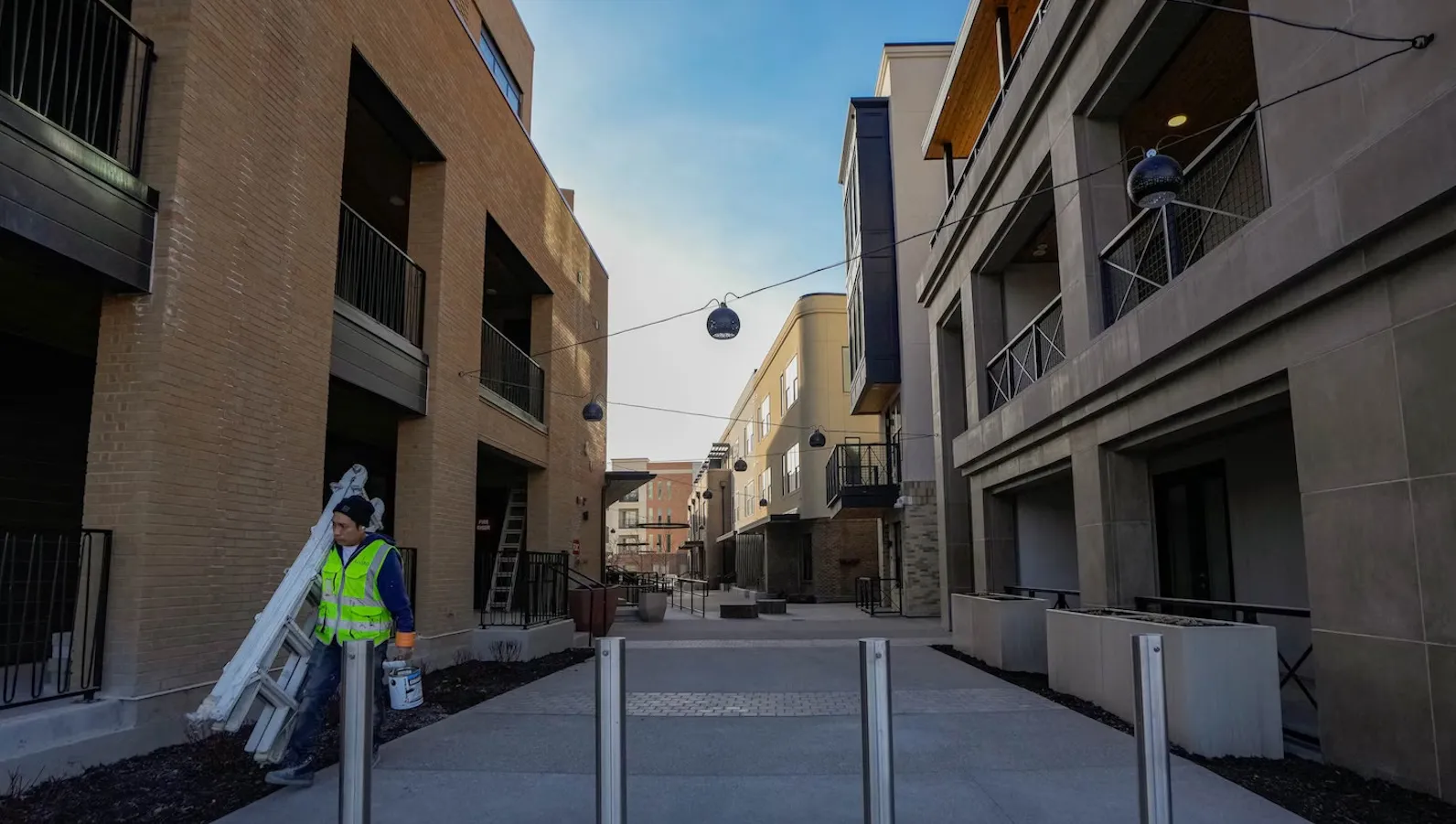
Despite the architectural polish of the initial phases—including the completion of the 120 and 220 Bend apartment complexes in early 2026—a sea change in Vineyard’s political climate has placed the project under a microscope. When Mayor Zack Stratton and the current City Council took office, they arrived with a mandate from voters who felt that previous administrations had been overly generous with developer incentives.
"Maybe it can work, maybe it can’t," said City Council member Jacob Wood. "It’s a gamble, but they shouldn’t be gambling with city money."
The skepticism is rooted in fiscal concerns and a fundamental disagreement over the role of government in private development. In 2026 alone, the city disbursed approximately $4.5 million to the project’s developers. Council members, including David Lauret, have publicly questioned whether these public resources are being used to build private wealth in perpetuity. Furthermore, the reliance on high-density rentals has alienated some residents who feel the city is losing its character to apartment-heavy development, contradicting the initial promises of a mixed-use community that would include diverse ownership opportunities.
The Cultural Divide: Walkability vs. The Car
The tension in Utah City highlights a broader sociological challenge: can a region built on the ethos of personal vehicle ownership truly transition to a transit-oriented lifestyle? Statistics suggest the hurdles are significant. According to recent U.S. Census Bureau estimates, nearly 79 percent of Utahns commute by car. In Utah County, public transit utilization remains under 2 percent.
Sarah Moser, a professor of urban and cultural geography at McGill University, draws parallels between Utah City and similar projects abroad, such as Saudi Arabia’s King Abdullah Economic City. The common thread, she notes, is the friction between architectural planning and cultural reality. "Planners go in with the best intentions," Moser said. "Everyone wants mixed-use, dense, walkable cities, but the population is not there yet."
The cultural preference for the automobile is deeply entrenched in the Utah lifestyle, where activities like skiing and visiting national parks are central to the identity of residents. Developers like Flagship, however, contend that the goal is not to force residents out of their cars, but to provide an environment where they choose to use them less. Jeff Speck, the noted urban designer who consulted on the project, argues that the design of the built environment directly influences consumer behavior. By creating a place that is genuinely pleasant to traverse on foot, developers hope to shift the needle on transit usage over the next 15 to 20 years.
Affordability and the "Bait and Switch" Narrative
One of the most contentious points of the debate is affordability. The developers’ promotional materials boast of a "luxury lifestyle," with studio units starting in the $1,300 range and two-bedroom units climbing toward $2,500. For critics like Council member Jacob Holdaway, these prices—coupled with the prevalence of rental units—feel like a departure from the original pitch of an "attainable" community for the local workforce.
"It was a complete bait and switch," Holdaway said. "They put this carrot in front of you, and it never happens."
Nate Hutchinson, a partner in Flagborough, vigorously disputes this characterization. He points to federal Department of Housing and Urban Development (HUD) standards for low-income households, which, when applied to the area’s median income, qualify many of the current units as affordable. Hutchinson emphasizes that the project is a marathon, not a sprint. The infrastructure, the parks, and the retail anchors like Bella’s Market and Fini Pizza are the necessary first steps to attract the critical mass required for long-term viability.
Looking Toward the Future: The Huntsman Anchor
While the residential component remains the subject of political debate, there is broad consensus on the potential impact of the project’s commercial and institutional future. By 2028, the Huntsman Cancer Institute is slated to open a new hospital and research facility at the site. This development is expected to generate 450 high-quality jobs, providing a major economic engine for both Vineyard and the wider state.
This, combined with plans for future light industrial and biomedical facilities intended to complement a potential Utah Valley University expansion, suggests that Utah City is evolving into more than just a residential development. For Mayor Stratton and his council, these institutional anchors are "big wins" that validate the site’s potential, even if the residential density remains a point of contention.
Broader Implications for the Wasatch Front
The trajectory of Utah City serves as a microcosm for the struggle of the American West. As the region grapples with a population boom and a housing affordability crisis, policymakers are caught between the necessity of density and the local resistance to changing the suburban status quo. With nearly $4 billion earmarked for the expansion of the Interstate 15 corridor, the state is still heavily invested in a highway-centric future, even as it simultaneously subsidizes transit-oriented nodes like the one in Vineyard.
As Utah City moves into its next phase, the outcome will likely influence urban planning across the state. If the project succeeds in becoming a vibrant, transit-connected hub that draws residents away from their reliance on the car, it could provide a blueprint for how Utah handles its rapid growth. If it falters—or fails to achieve the density required to support its own infrastructure—it may serve as a cautionary tale for future developers and local governments alike.
For now, the project remains a work in progress. Residents like Aunica and Cameron Larsen, who have embraced the "vibey" atmosphere and the convenience of walking to work, represent the early adopters of this vision. Whether their experience becomes the standard for thousands of future residents, or remains an isolated enclave in a sprawling valley, remains to be seen. In the coming decades, as the final buildings rise and the master plan reaches maturity, the true legacy of the former Geneva Steel site will be determined not by the promises of developers or the skepticism of politicians, but by whether the residents of the Wasatch Front decide that the future of their city is one they are willing to walk toward.

