
On November 19, the United States Senate passed the Bipartisan American Affordability and Jobs Act (BAAJA) in a 62-33 vote, setting the stage for what supporters characterize as a transformative era for American energy independence and what critics label as a dangerous dismantling of bedrock environmental protections. The legislation, which now heads to the House of Representatives, is designed to streamline the federal permitting process for a broad spectrum of infrastructure projects, including high-voltage transmission lines, renewable energy installations, fossil fuel extraction, and industrial data centers.
Legislative Chronology and Core Provisions
The passage of BAAJA follows months of intense behind-the-scenes negotiations between industry lobbyists, climate advocates, and lawmakers from both sides of the aisle. The bill’s proponents argue that the current regulatory landscape, governed by statutes written in the mid-20th century, is fundamentally incompatible with the urgent need for a rapid energy transition.
The legislative push intensified throughout the autumn of 2026, culminating in the November 19 floor vote. A central component of the bill is the modernization of the National Environmental Policy Act (NEPA). Under current law, federal agencies are required to conduct exhaustive environmental impact statements (EIS) for any major project that requires federal approval or funding. BAAJA seeks to truncate these timelines significantly, setting strict statutory limits on the duration of environmental reviews and limiting the scope of judicial challenges that can be brought against approved projects.
Furthermore, Section 1401 of the act, dubbed the "project certainty" provision, introduces a controversial mechanism that prevents federal agencies from revisiting permits once they have been issued. This provision effectively immunizes projects from future regulatory scrutiny, even if subsequent scientific data reveals unforeseen ecological harm or if the original permit is found to have been granted based on flawed administrative data.
The Debate Over Climate Ambition vs. Environmental Integrity
The political landscape surrounding BAAJA is notably fractured. Senator Sheldon Whitehouse, a Democrat from Rhode Island and a prominent advocate for climate action, has emerged as one of the bill’s most vocal proponents. Whitehouse has defended his support by pointing to the specific needs of the clean energy sector, which has long been stalled by the very bureaucratic hurdles BAAJA seeks to dismantle.
"BAAJA is a big step forward in our fight against climate change," Senator Whitehouse stated in a follow-up to the vote. "By clearing the path for massive expansions in renewable energy and the transmission grid, this legislation is projected to lower carbon emissions by 1.5 gigatons through 2040."
However, this argument has failed to assuage a wide coalition of environmental organizations, scientists, and legal experts. Critics argue that because the bill is "technology-neutral," the streamlining provisions apply equally to oil, gas, and coal infrastructure as they do to solar farms or offshore wind.
"A technology-neutral fast track in the hands of an administration openly hostile to clean energy is not a bargain," said Brad Campbell, CEO of the Conservation Law Foundation. "It is a one-way ratchet for fossil fuels. By weakening the Clean Water Act and the Endangered Species Act, we are stripping away the very safeguards that prevent industrial overreach."
In an open letter signed by more than 120 climate scientists and ecologists, experts urged the House of Representatives to reject the bill, warning that the cumulative impact of these "shortcuts" would result in irreversible damage to biodiversity and water quality across the United States.

Implications for Land and Marine Ecosystems
The geographic reach of BAAJA is extensive, covering both terrestrial and maritime jurisdictions. On land, the bill introduces mechanisms that simplify the permitting process for mining and extraction projects on public and tribal lands. This has triggered significant backlash from Native American organizations, who argue that the bill undermines tribal sovereignty and the consultative processes meant to protect sacred sites and historic lands.
At sea, the concerns are equally acute. The organization Oceana has raised the alarm regarding the potential for expanded offshore drilling. The bill’s language restricts the ability of federal agencies to block projects based on evolving environmental data. This is particularly concerning to marine biologists, who note that climate change is already putting immense pressure on ocean health, making the maintenance of rigorous regulatory standards more, not less, vital.
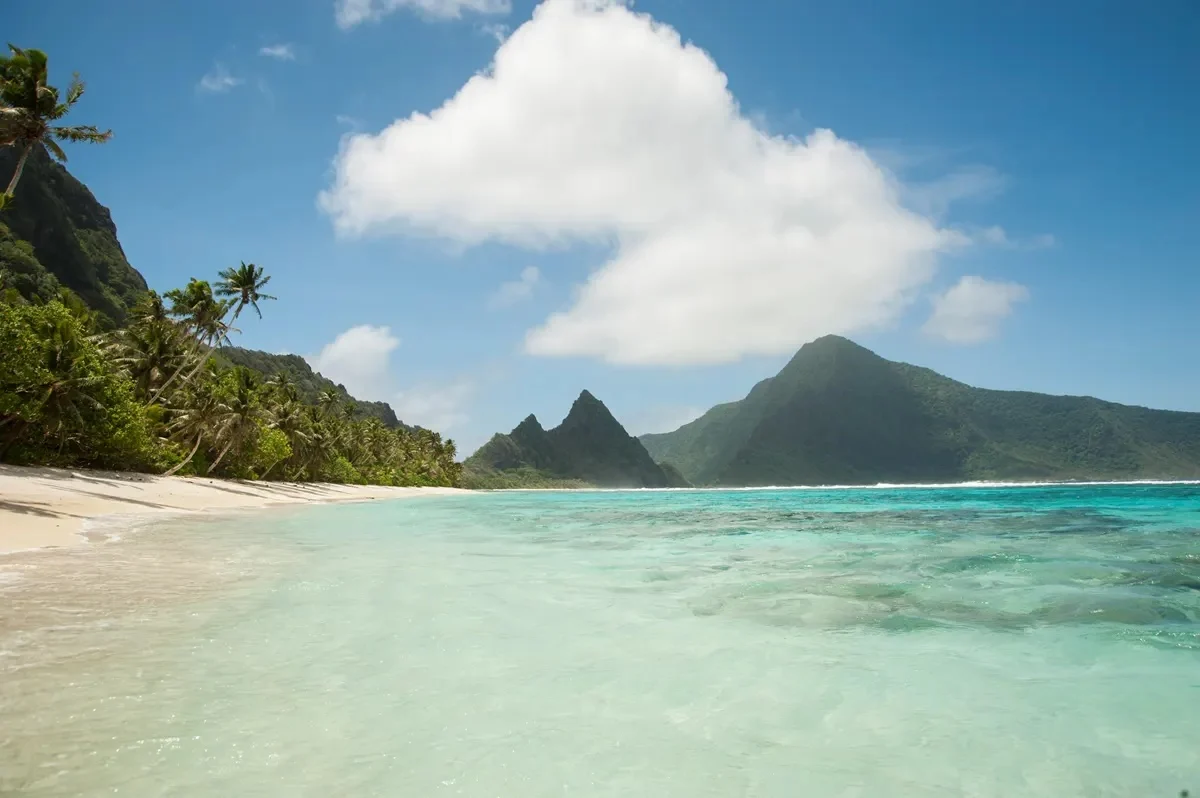
The timing of the vote coincided with a significant development in American Samoa: the first-ever U.S. offshore critical mineral lease sale. The auction, which took place on the same day as the Senate vote, has been met with legal challenges and local protests. Sabrina Suluai-Mahuka, founder of the American Samoan environmental group Finafinau, emphasized that the pursuit of economic development cannot come at the expense of local communities.
"If progress requires weakening environmental protections, diminishing Indigenous voices, and asking communities with limited political power to shoulder disproportionate risks, then perhaps we need to reconsider our definition of progress," Suluai-Mahuka noted.
Fact-Based Analysis of Regulatory Hurdles
To understand why BAAJA is so polarizing, one must analyze the current state of infrastructure development in the U.S. According to data from the Department of Energy, the average time to complete an environmental impact statement for a major energy project has increased by nearly 30% over the last decade, often exceeding four years. Supporters of BAAJA point to these statistics as evidence of a "permitting crisis" that prevents the U.S. from meeting its climate goals.
Opponents, however, argue that these delays are not merely bureaucratic, but are often the result of insufficient agency staffing and the complexity of the projects themselves. They contend that the "certainty" offered by the bill is actually a form of regulatory abdication. By limiting the window to sue, the bill may inadvertently lead to projects being rushed through with inadequate scientific review, only to face litigation or failure later when environmental damages manifest.
The Road Ahead: The House Vote
As the legislation moves to the House of Representatives, the pressure on lawmakers is immense. The energy industry, represented by various trade associations, has poured significant resources into lobbying for the bill’s passage, arguing that it is essential for national security and economic growth. Conversely, a broad-based grassroots movement, led by climate activists and local community leaders, is organizing to pressure representatives to demand amendments that would ensure environmental protections are not sacrificed in the name of speed.
The House is expected to vote on the measure next week. The outcome remains uncertain, as the bill’s passage in the Senate was bipartisan, and the dynamics of the lower chamber may be influenced by local constituent concerns regarding the specific impact of the bill on regional landscapes—from the mining districts of the West to the coastal waters of the Pacific and Atlantic.
Ultimately, BAAJA represents a critical pivot point in American environmental policy. Whether the bill succeeds in catalyzing a green revolution or marks the beginning of a retreat from fifty years of environmental regulation is a question that will occupy the courts, the public, and the scientific community for years to come. For now, the nation waits to see if the House will treat the bill as a necessary engine for progress or a reckless gamble with the nation’s natural heritage.

