
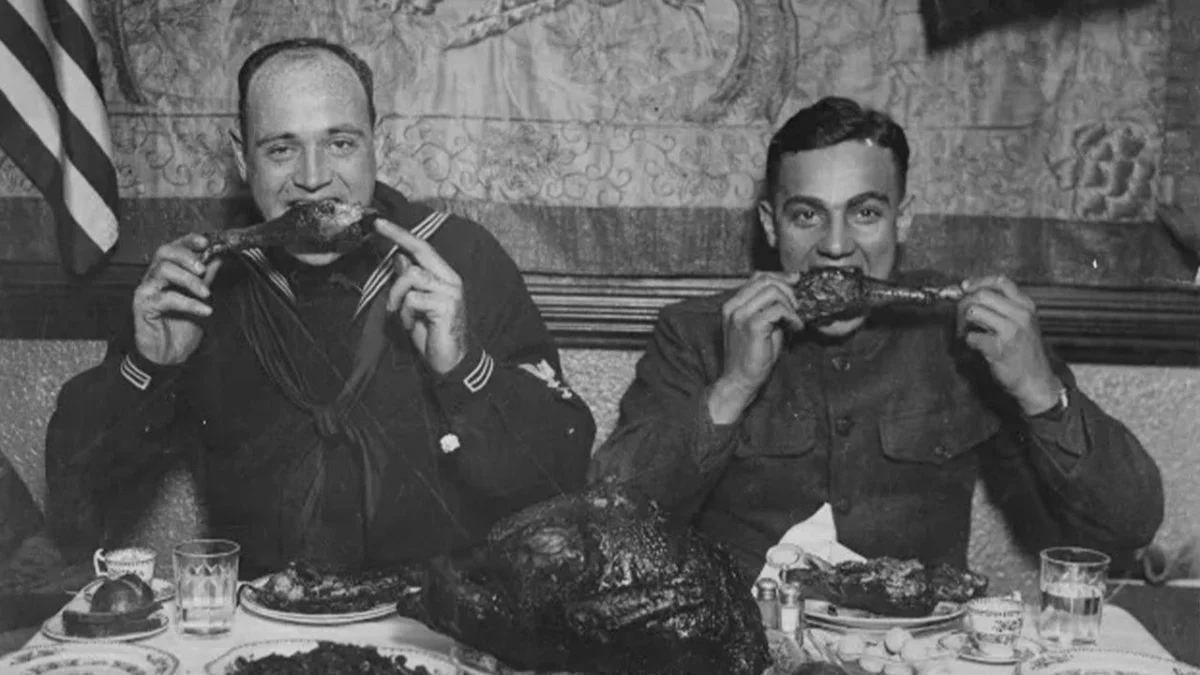
For over 160 years, the United States military has undertaken the monumental task of delivering a taste of home to service members stationed in the world’s most perilous environments. From the muddy trenches of the Civil War to the rugged, high-altitude outposts of Afghanistan, the tradition of the Thanksgiving meal has served as more than just a caloric necessity; it is a vital psychological anchor, reinforcing the connection between those serving in harm’s way and the nation they defend.
The Civil War Origins: A Nation’s Promise
The tradition finds its roots in the dark crucible of the American Civil War. In 1863, amidst a fractured and war-torn country, President Abraham Lincoln issued his historic proclamation designating the final Thursday of November as a national day of "Thanksgiving and Praise." This act was not merely symbolic; it set the stage for an unprecedented logistical mobilization.
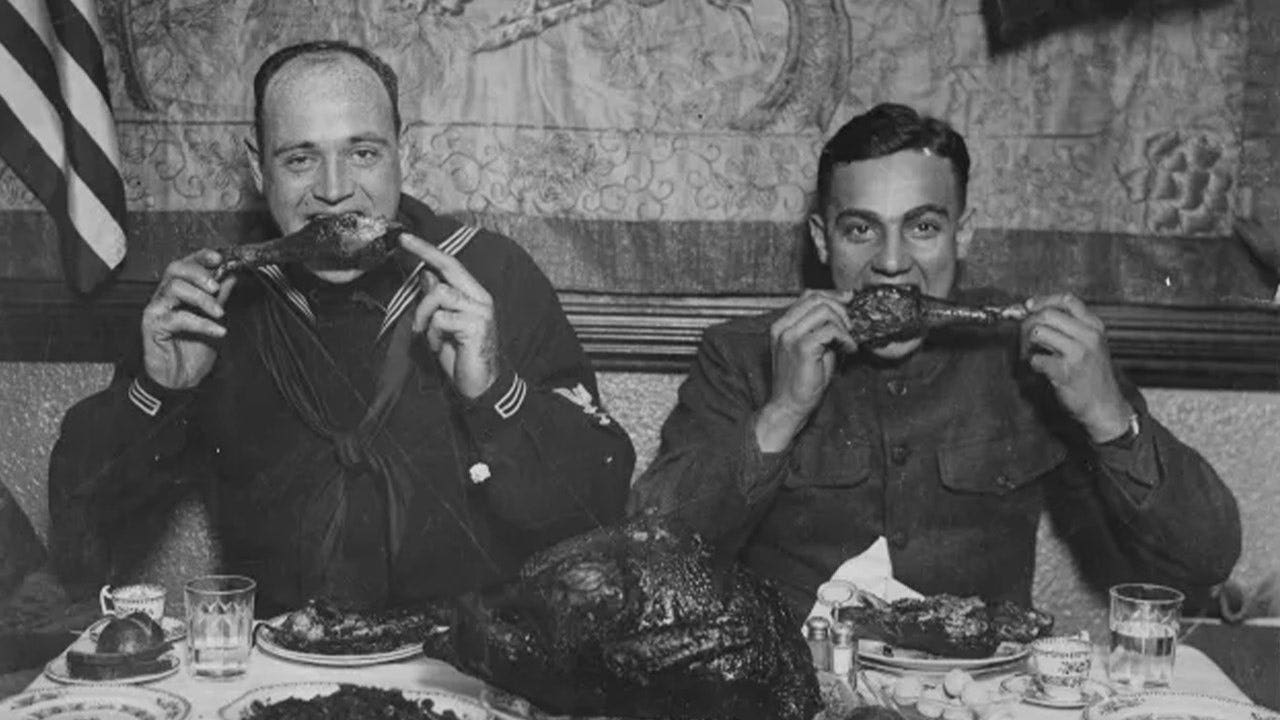
By 1864, the "great turkey movement" had begun. The logistics were primitive by modern standards, relying on rail lines, horse-drawn wagons, and individual donations from civilian relief committees. Historical accounts from the era, including those preserved by the War Department, indicate that in New York City alone, citizens organized the collection and shipment of 20,000 turkeys to Union front lines. In Philadelphia, a dedicated committee coordinated the transport of an additional 4,000 birds specifically for the troops serving under General Philip Sheridan. These efforts established a precedent that would persist for over a century: that the military would do whatever was necessary to bridge the gap between the battlefield and the dinner table.
World War II: The Scale of Global Mobilization
As the United States entered the Second World War, the scope of military dining requirements reached an industrial scale. The government recognized that feeding millions of soldiers abroad was a matter of strategic morale. In 1943, the War Food Administration took the drastic step of restricting domestic turkey sales to ensure that the armed forces had priority access to the supply chain.
Government records indicate that the initial procurement goal of 10 million pounds of turkey was rapidly expanded to meet the needs of both domestic installations and overseas deployments. By October 1943, the U.S. government had successfully secured approximately 30 million pounds of poultry for the troops. This mobilization was so significant that it impacted the availability of turkey for American families at home, reflecting the total-war effort that defined the era.

The Dangers of Delivery: Tactical Risks and Human Cost
While the intention behind these holiday meals is rooted in care and comfort, the reality of delivering them in active combat zones has often resulted in significant peril. The delivery of food is an operation subject to the same tactical dangers as any other movement of personnel or supplies.
In the harrowing winter of 1944, during the Battle of Hürtgen Forest, Lieutenant Paul Boesch of the 121st Infantry Regiment faced a grim dilemma. Despite the danger of exposing his men to German artillery fire, orders were issued to distribute hot turkey dinners. The effort to provide this comfort proved costly; as soldiers gathered to receive their rations, a German artillery barrage struck the area, resulting in multiple casualties. Such events underscore the harsh reality that, in war, even the most benevolent intentions are subject to the volatility of the combat environment.
The Korean War: Dining in the Frozen Chosin
The logistical challenges of the Korean War were compounded by extreme environmental conditions. On Thanksgiving Day in 1950, Marines stationed near the Chosin Reservoir sat down to a menu that included turkey, cranberry sauce, candied sweet potatoes, and mince pie. However, the biting subzero temperatures meant that the meals began to freeze almost immediately upon service.

The dinner took place during a brief period of optimism, as commanders believed the conflict might conclude by the end of the year. This hope was quickly shattered when massive waves of Chinese forces crossed the border. Within days of the meal, the very units that had shared that Thanksgiving feast were engaged in one of the most desperate and brutal winter retreats in American military history. The contrast between the holiday dinner and the subsequent combat highlights the unpredictable and often rapid shifts in the nature of modern warfare.
Vietnam and the Modern Era: Maintaining the Tradition
As military technology evolved, so too did the methods of resupply. By the Vietnam War, the use of helicopters allowed the military to reach isolated outposts that were previously inaccessible. In November 1966, a 5th Special Forces detachment stationed in the remote depths of War Zone D was the beneficiary of such an operation. A mess sergeant at Bien Hoa prepared a traditional meal, which was then packed into insulated containers and flown directly to the detachment by helicopter.
This era marked the transition into the modern logistical era, where airlift capabilities allow the military to deliver hot food to remote forward operating bases (FOBs). In 2007, during the war in Afghanistan, the military executed similar missions, airlifting turkeys and traditional trimmings from Bagram Airfield to firebases in the Tagab Valley. For many soldiers, this represented the first hot meal in months. The logistical operation was so precise that it allowed for rotations—soldiers would cycle off guard duty, eat their Thanksgiving meal, and return to their defensive positions, ensuring that the mission was never compromised.

The Role of Executive Support
High-level engagement has also played a crucial role in maintaining morale. Presidential visits to war zones, while shrouded in extreme secrecy, serve as a powerful reminder of the nation’s commitment to its deployed forces. In 2003, President George W. Bush’s surprise visit to Baghdad International Airport remains one of the most famous examples of this phenomenon. The flight required strict operational security, including dimmed cabin lights and drawn shades, to land safely in a hostile environment. By personally helping to serve the troops, the President reinforced the symbolic importance of the Thanksgiving tradition as a shared experience between the Commander-in-Chief and the warfighter.
Fact-Based Analysis: Implications for Modern Morale
The consistency of these efforts across generations points to a clear military doctrine: morale is a force multiplier. Providing a traditional Thanksgiving meal, regardless of the logistical difficulty, serves several critical functions:
- Cultural Continuity: It provides a sense of normalcy and continuity with life in the United States, helping to mitigate the feelings of isolation inherent in overseas deployment.
- Psychological Cohesion: Sharing a meal fosters camaraderie and unit cohesion, which are essential for maintaining effectiveness in high-stress environments.
- Institutional Recognition: The effort required to deliver a meal to a remote outpost or a war-torn region demonstrates to the service member that their sacrifice is recognized and valued by the institution they serve.
However, the cost of these operations—both in terms of financial resources and the tactical risks posed to supply lines—remains a subject of debate within military logistics planning. The balance between the benefit to morale and the safety of the supply chain requires constant evaluation by command staff.

Conclusion
From the 20,000 turkeys sent to Union troops in 1864 to the specialized, helicopter-borne deliveries of the 21st century, the Thanksgiving dinner remains a fixture of American military history. It is a testament to the immense logistical capability of the U.S. armed forces and their enduring commitment to the well-being of the individual soldier. While the menus have changed and the delivery methods have become increasingly sophisticated, the fundamental purpose of the tradition remains unchanged: to provide a moment of peace, reflection, and gratitude in the midst of the most demanding of circumstances.

