
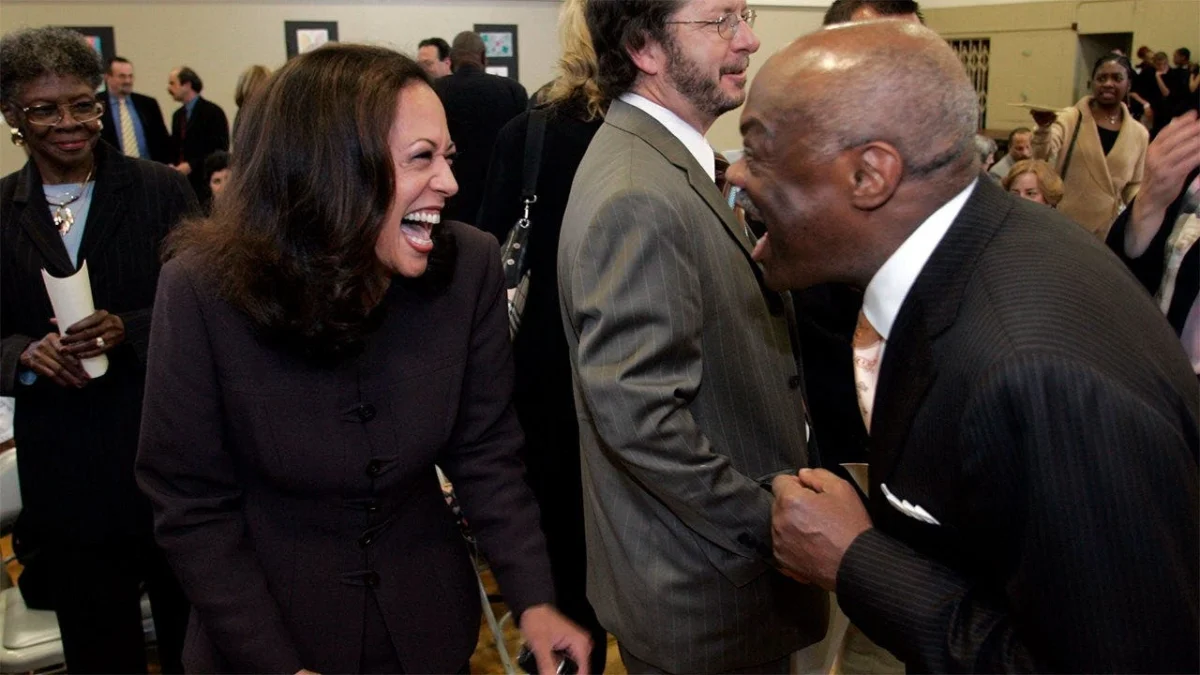
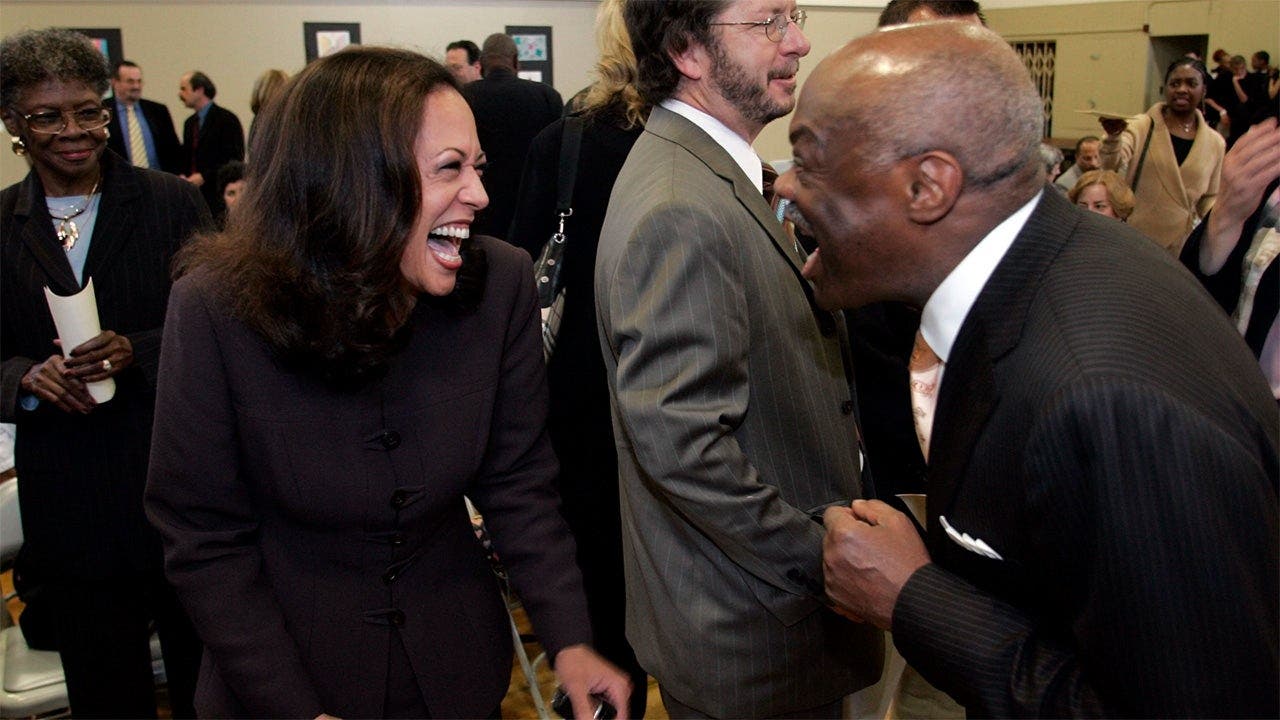
The assessment, delivered during a candid interview with independent journalist Tara Palmeri, marks a significant moment of public skepticism from a figure who has been one of the most influential mentors in Kamala Harris’s decades-long political ascent. Brown, whose own political career spanned decades as the Speaker of the California State Assembly and the Mayor of San Francisco, offered a blunt critique of Harris’s rhetorical style, stating that she lacks the "Baptist preacher flavor in her soul" necessary to connect with the broad base of the American electorate.
The Political Relationship: A Historical Context
The comments from Brown are particularly noteworthy given the deep, long-standing personal and professional ties between the two. Brown’s influence was instrumental in the early stages of Harris’s career, beginning in the mid-1990s. During his tenure as Speaker, Brown appointed Harris to two state-level positions: the California Unemployment Insurance Appeals Board and the California Medical Assistance Commission.
These appointments, which occurred during a period when the two were also romantically linked between 1994 and 1995, provided the foundational administrative experience that would eventually lead Harris to the District Attorney’s office in San Francisco and, subsequently, the California Attorney General’s office. Brown has historically been unapologetic about his role in fostering her career, noting in a 2019 San Francisco Chronicle op-ed that he had similarly influenced the careers of numerous other high-profile California Democrats, including former House Speaker Nancy Pelosi, Senator Dianne Feinstein, and Governor Gavin Newsom.
Despite this shared history, Brown’s recent remarks suggest a divergence in their political trajectories. By stating, "I’m sorry that she even thinks about running for president. I don’t want her to run," Brown signals a potential shift in the establishment’s appetite for a 2028 Harris campaign.
The 2028 Democratic Field and Growing Speculation
The discourse surrounding a potential 2028 bid for Harris arrives at a moment of significant flux for the Democratic Party. Following the electoral outcomes of 2024, the party is currently navigating a period of internal soul-searching. This environment has led to a crowded field of potential contenders, each positioning themselves for a future primary.
Among those frequently mentioned as potential candidates is California Governor Gavin Newsom. Newsom has publicly stated that he will refrain from seeking the nomination if Harris chooses to enter the race, a gesture of deference that highlights the remaining weight of her status as a former Vice President. However, other prominent figures are less hesitant. Former Transportation Secretary Pete Buttigieg has expressed an inclination toward a run, and Representative Ro Khanna of California has similarly signaled potential interest, representing a progressive wing that may seek to differentiate itself from the party’s previous leadership.
The internal party debate centers on whether the Democratic base is seeking a candidate who offers a clean break from the previous administration or one who offers institutional continuity. As surrogates and party strategists debate the merits of a 2028 run, the consensus remains elusive, with many local and national officials choosing to remain non-committal when pressed on their support for a potential Harris candidacy.
Communication as a Political Metric
Brown’s critique of Harris’s communication style touches on a recurring theme in contemporary political analysis: the "authenticity gap." In modern American politics, the ability to deliver a message that resonates on an emotional level—often described by Brown as the "preacher flavor"—is frequently correlated with the ability to mobilize grassroots support and withstand the pressures of a national campaign.
Harris, whose political background is rooted in the prosecutorial tradition, has often been praised for her command of detail and her performance during high-stakes Senate hearings. However, critics have occasionally argued that this style can appear overly formal or scripted, hindering her ability to build the personal rapport with voters that is often required in a presidential primary. Supporters, conversely, argue that her experience as a prosecutor and her tenure as Vice President have provided her with the executive experience necessary to govern effectively, regardless of her rhetorical style.
Data and Electoral Realities
The electoral data surrounding a potential 2028 run for the former Vice President remains a subject of intense scrutiny. Straw polls and early approval ratings serve as indicators of the challenges she would face in reclaiming the nomination. While she remains one of the most recognizable figures in the Democratic Party, high name recognition is a double-edged sword; it provides an immediate fundraising and organizational advantage, but it also carries the baggage of previous electoral performance and policy positions.
A key factor in the upcoming cycle will be the party’s ability to "move on" from the 2024 election cycle. For many, this implies a focus on new leadership that can address the evolving concerns of voters in the Midwest, the Sun Belt, and the suburbs—areas where the Democratic coalition has faced significant strain. Harris’s decision to decline a run for the California governorship last year was interpreted by many analysts as a strategic move to preserve her viability for a national run. However, her own uncertainty—expressed in interviews where she noted that she "goes back and forth"—suggests that she is acutely aware of the obstacles ahead.
Official Responses and Internal Party Dynamics
As of the time of this report, representatives for Kamala Harris have not issued a formal response to the remarks made by Willie Brown. The lack of an immediate rebuttal is consistent with the candidate’s broader strategy of maintaining a low profile while monitoring the shifting landscape of the 2028 primary.
Meanwhile, the Democratic Party’s internal structure is undergoing a period of recalibration. The influence of regional power brokers like Brown remains significant, but it is no longer absolute. The rise of social media-driven political movements and the increasing importance of decentralized fundraising mean that candidates can often build national momentum even in the face of skepticism from traditional party stalwarts.
Implications for the 2028 Election Cycle
The implications of Brown’s intervention are two-fold. First, it serves as a public validation for those within the party who believe it is time for a generational change. By stating that Harris has "reached the highest electoral level for any woman in America," Brown is effectively framing her career as a historic success that does not necessarily require a follow-up presidential bid. This narrative could be utilized by other candidates to argue that the party should look toward younger or different profiles for the 2028 ticket.

Second, the critique highlights the friction between the party’s establishment and its potential future candidates. If those who were instrumental in the early stages of a candidate’s career begin to publicly distance themselves or express doubt, it can create a "chilling effect" on donors and endorsements. Whether this sentiment from Brown will gain traction among other Democratic power players remains to be seen.
Chronology of Recent Political Maneuvering
- Early 2026: Speculation regarding the 2028 field intensifies as several prominent Democrats, including Gavin Newsom and Pete Buttigieg, begin to signal their potential intentions.
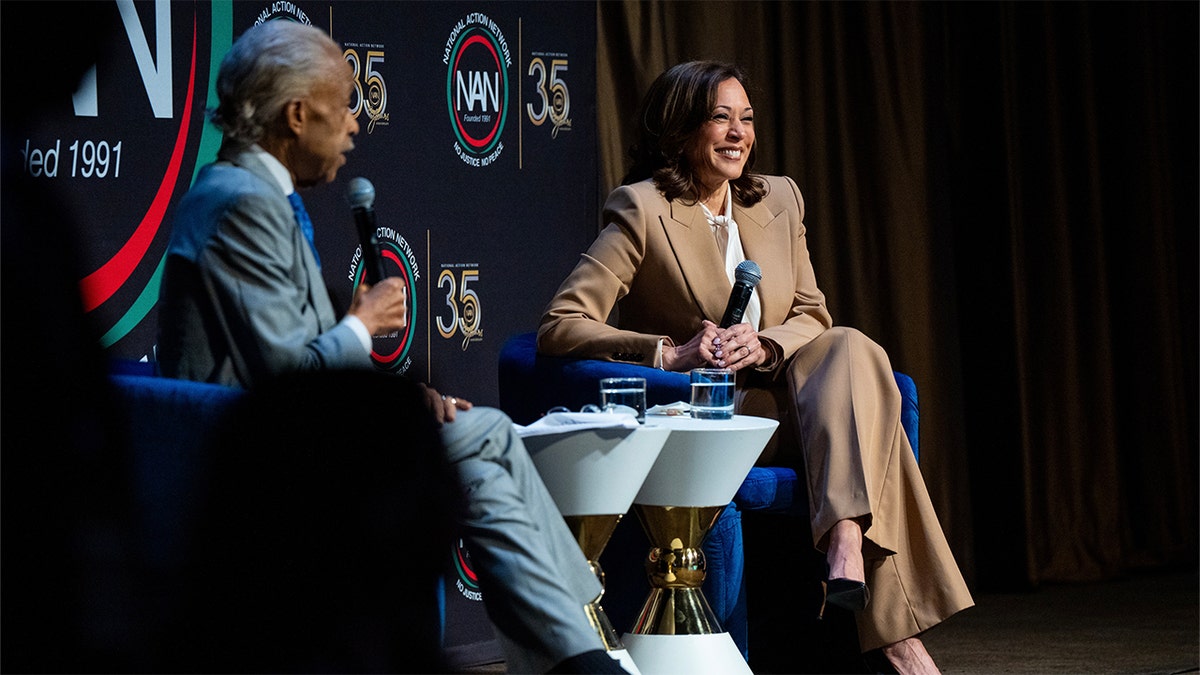
- April 2026: Kamala Harris appears at the National Action Network Convention, where she discusses the future of the party but maintains ambiguity regarding her own political plans.
- Mid-2026: Harris confirms in interviews that she remains undecided about a 2028 presidential bid, having declined to run for California Governor.
- Late 2026: Willie Brown provides his assessment of Harris’s communication skills and political prospects in an interview with Tara Palmeri, sparking renewed debate within the party.
Conclusion
The road to the 2028 presidential election is still in its infancy, yet the parameters of the Democratic primary are already beginning to take shape. The candid assessment from a veteran political operator like Willie Brown underscores the complexities Harris would face in a second national campaign. As the party evaluates its path forward, the conversation will likely revolve around the balance between loyalty to established figures and the perceived need for a new communicative approach to reach a divided American public. Whether Kamala Harris chooses to enter the fray or step aside, the debate initiated by her former mentor highlights the high stakes and the unforgiving nature of presidential politics in the modern era.

