
The aftermath of the 2026 midterm elections has triggered a period of intense introspection within the Republican Party, as the political landscape shifts following a decisive victory for the Democratic Party. As Democrats reclaimed majorities in both the House of Representatives and the Senate—often flipping seats in traditional red strongholds—party stalwarts are searching for the underlying causes of the electoral rout. Among those offering a critical assessment is former Kansas Senator and Trump-era ambassador Sam Brownback, who argues that the Republican failure was not a rejection of conservative policy, but rather a direct rebuke of the personal leadership style and temperament of former President Donald Trump.
The Anatomy of a Political Shift
Brownback, who served as a U.S. Senator from 1996 to 2011 and as the Governor of Kansas from 2011 to 2018, posits that the 2026 results represent a distinct departure from the typical midterm correction often experienced by a party in power. Historically, a president’s party suffers losses during second-term midterms; however, the scale of the 2026 defeat suggests a broader dissatisfaction among the electorate.
"I think the thing we’re missing is that it was really targeted at President Trump," Brownback told Fox News Digital. "I don’t think it was targeted at the policies so much. Pride comes before a fall and a haughty spirit before a stumble."
This perspective aligns with a growing sentiment among some factions of the GOP that while voters continue to support core conservative tenets—such as border security, economic deregulation, and tax reduction—the persona of the former president has become an electoral liability. According to Brownback, the American public has signaled an exhaustion with the aggressive, often polarizing rhetoric that defined the recent election cycle.
Economic and Social Drivers: The Data Perspective
While the narrative of leadership style is central to Brownback’s analysis, it exists alongside a complex web of economic factors that undeniably influenced the electorate. Data from the 2026 Fox News Voter Poll indicates that the cost of living remained the primary driver for a significant majority of voters. Approximately 89% of respondents identified the cost of living as a "crucial" or "major" factor in their decision-making process at the ballot box.
In contrast, the ongoing conflict in Iran, which dominated much of the geopolitical discourse during the campaign, was cited as a major factor by 74% of voters. The overlap between economic frustration and foreign policy concerns suggests that voters were looking for a steady, pragmatic hand to navigate a period of global and domestic volatility.
Inflation and energy costs, which served as the cornerstone of the Republican economic platform, failed to translate into the expected "red wave." Political analysts note that while Republicans were successful in highlighting these issues, their ability to convert that frustration into votes was mitigated by the negative perception of the party’s leadership, which many swing voters found to be increasingly disconnected from the desire for political stability.
A Chronology of the 2026 Midterm Campaign
The 2026 election cycle was marked by intense campaigning, particularly in states that were once considered safe territory for the GOP.
- Early 2026: As the primary season commenced, the influence of the former president was evident in the selection of candidates, many of whom centered their platforms on personal loyalty to his vision.
- Summer 2026: Economic indicators, particularly inflation rates, remained elevated. Republicans intensified their focus on the administration’s fiscal policy and the ongoing security challenges at the southern border.
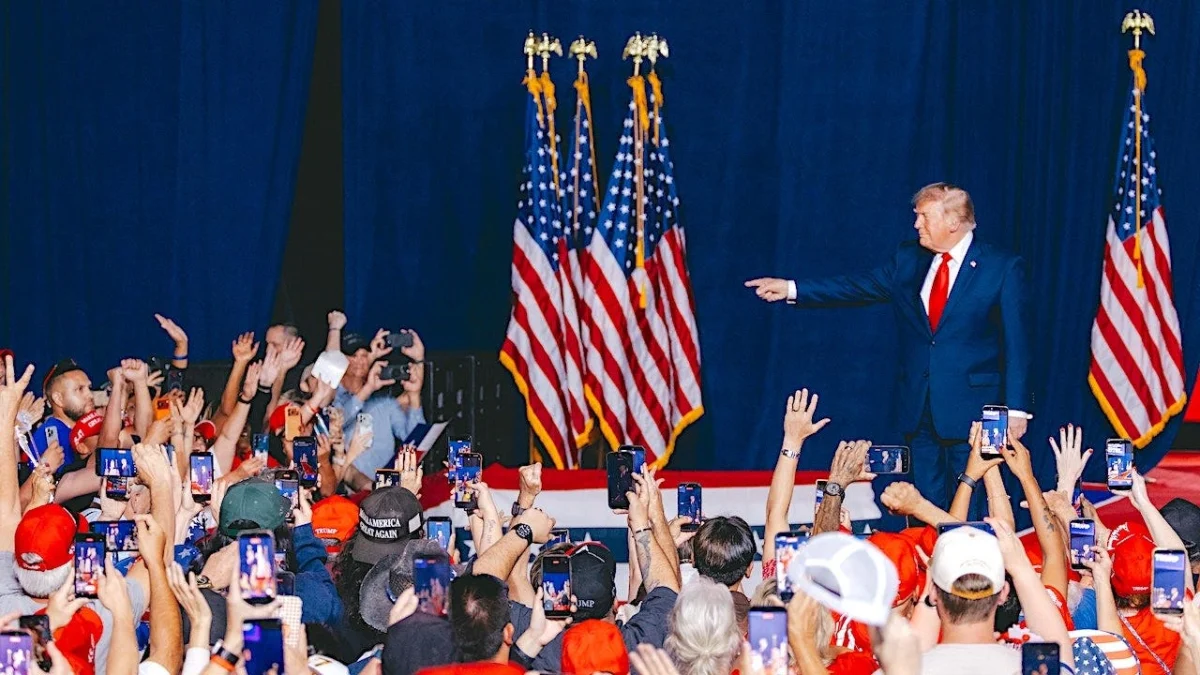
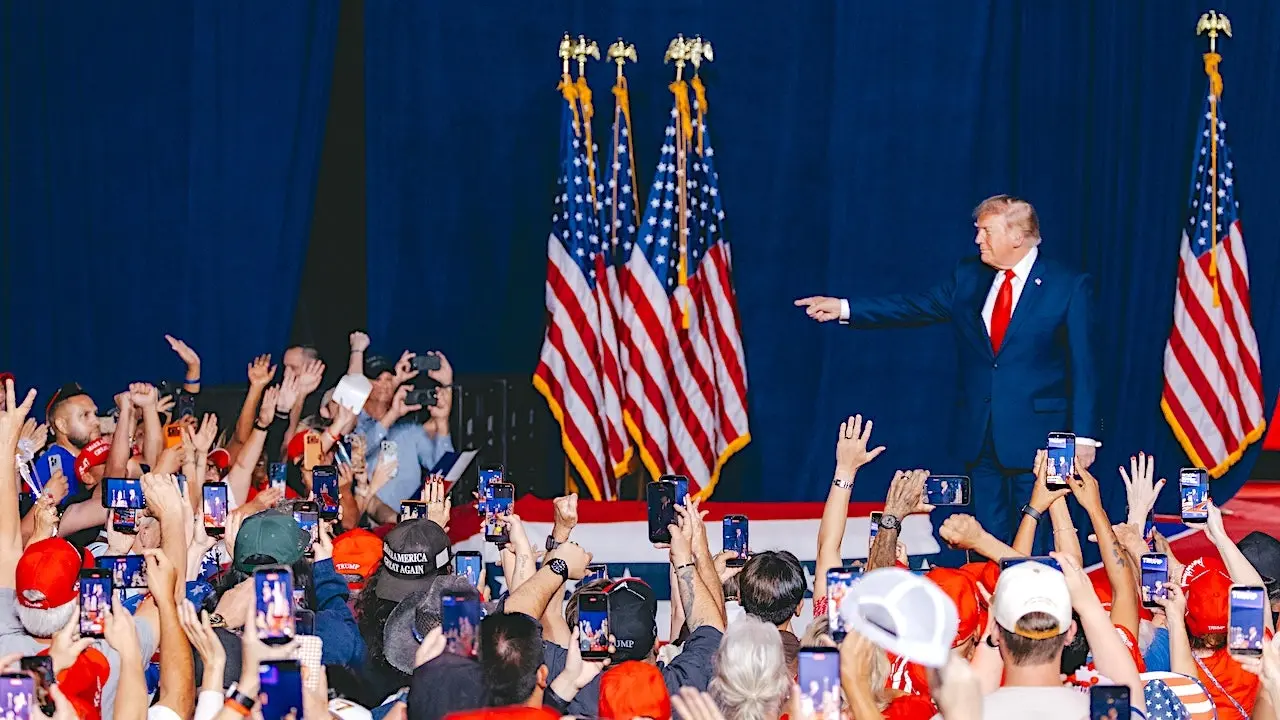
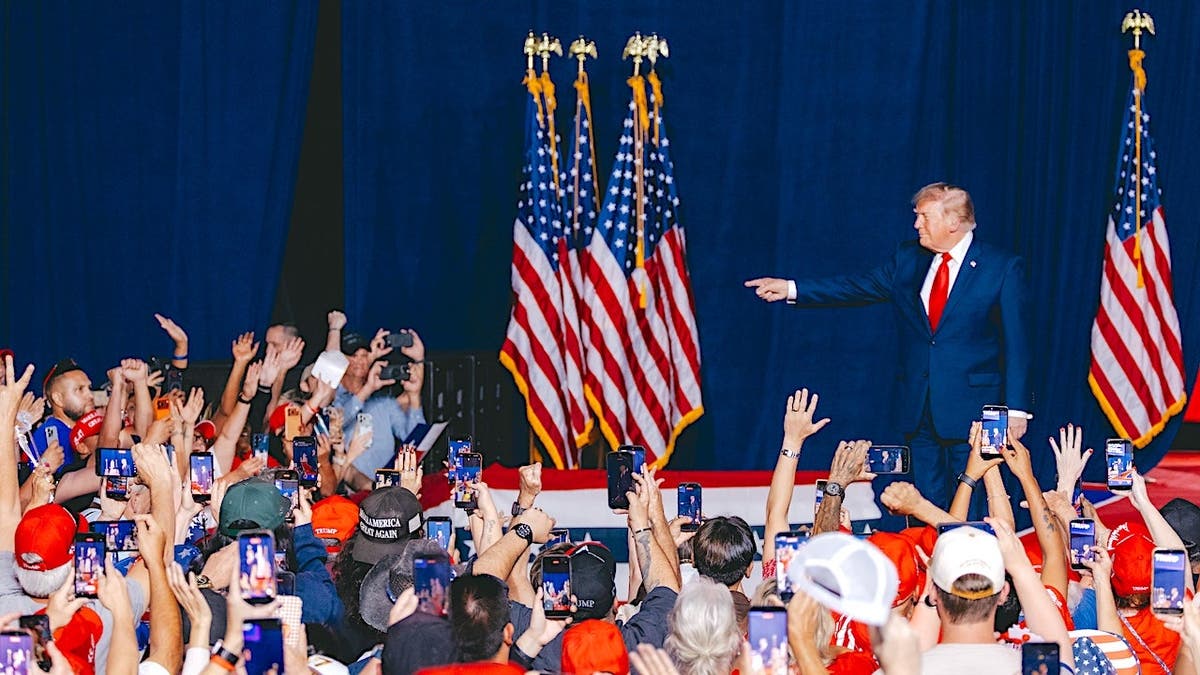
- October 7, 2026: President Trump held a high-profile campaign event in San Antonio, Texas, aimed at bolstering Senate candidate Ken Paxton. During the event, he doubled down on his immigration platform, specifically defending his stance on internal enforcement measures.
- November 2026: Election Day saw a significant turnout that favored Democratic candidates in key districts, resulting in the loss of both chambers of Congress for the Republicans.
- Post-Election: The focus shifted toward internal party conflict, with various wings of the GOP debating whether to maintain the "America First" alignment or to pivot toward a more traditional, moderate approach ahead of the 2028 cycle.
The Call for a New Political Tenor
Brownback’s critique extends beyond policy and into the mechanics of communication. As an individual who served as the Ambassador-at-Large for International Religious Freedom, Brownback is accustomed to navigating sensitive diplomatic environments where the tone of engagement is as important as the substance of the message. He argues that the Republican Party must adopt a more "humble" and "kind" approach to connect with a broader swath of the American electorate.
"You just can’t be proud. You’ve got to come forward humbly," Brownback remarked. "And I think you have to do that with the American public."
This message of humility is being echoed by other voices within the party who argue that the GOP’s future success depends on its ability to demonstrate that it has heard the public’s grievances and is willing to adjust its methods. Brownback emphasizes that while the policy goals—such as border security—remain popular, the method of implementation matters. He noted that while voters appreciated the objective of a secure border, they were often repelled by what they perceived as overly aggressive tactics in interior immigration enforcement.
Implications for the 2028 Presidential Cycle
As the party looks toward the 2028 presidential nomination, the debate over the "Trump effect" has become the central issue of the pre-campaign period. Potential candidates are already maneuvering to position themselves as successors who can carry on the legacy of conservative policy without the electoral baggage of the former president’s temperament.
Vice President JD Vance and Secretary of State Marco Rubio have emerged as two of the most frequently discussed figures for the 2028 ticket. Vance, who has maintained a close relationship with the former president, has indicated that he will make a final decision regarding a potential White House bid in the spring of 2027. His decision will likely serve as a barometer for the party’s direction: whether it continues to align with the populist base or attempts to recapture the suburban and independent voters lost in 2026.
The broader implication of this shift is a potential realignment of the GOP’s messaging strategy. If the party follows Brownback’s advice, we may see a pivot toward "compassionate conservatism," a brand of politics that emphasizes community, service, and a less abrasive approach to public discourse. However, this strategy carries its own risks, as it could alienate the fervent base that has been the backbone of the party’s electoral success for the past decade.

Conclusion: The Path Forward
The 2026 electoral outcome serves as a stark reminder of the volatility of modern American politics. For the Republican Party, the challenge is twofold: maintaining the policy momentum that resonates with their base while crafting a message that is palatable to the swing voters who ultimately decide national elections.
Brownback’s assessment serves as a cautionary tale: "America is great because it’s good. If it ever loses its goodness, it will lose its greatness. There has to be, as I keep doubling back to, a humility and a kindness about it as well."
As the Republican National Committee begins the process of auditing the 2026 results and planning for the future, the central tension will remain between those who believe the party lost because it was not "Trump enough" and those, like Brownback, who argue that the party’s greatest hurdle to reclaiming power is its current public face. The coming months will be critical in determining whether the GOP can successfully bridge this divide or if the party will remain fractured as it approaches the next national election cycle. The path forward, according to many veteran observers, requires a delicate balance of policy conviction and a renewed commitment to the kind of political civility that has historically been the hallmark of American democratic discourse.

