
The arrest of Fausto Isidro Meza-Flores, a notorious figure in the upper echelons of Mexican organized crime, marks a significant turning point in the ongoing struggle between the administration of President Claudia Sheinbaum and the country’s powerful drug cartels. On Friday night, in a precision operation executed by elite units of the Mexican military, authorities apprehended Meza-Flores—widely known by his alias "El Chapo Isidro"—in the state of Sinaloa. The capture, which resulted in a fierce firefight and immediate retaliatory violence across the region, represents a major victory for both Mexican security forces and the United States, which had long sought the kingpin for his role in fueling the American opioid crisis.
The Operation: A Precision Strike and Violent Aftermath
The operation took place under the cover of darkness on Friday, as elite military agents successfully infiltrated a residential area in Guasave, Sinaloa. Intelligence reports suggest that the military had tracked Meza-Flores for weeks, utilizing advanced surveillance techniques to confirm his location. As the tactical units moved to encircle the property, they were met with a barrage of gunfire and explosives from cartel sentries attempting to protect their leader.
The ensuing confrontation was brief but lethal. Official reports from the Mexican National Defense Secretariat confirm that seven individuals associated with the Meza-Flores organization were killed in the exchange. Agents successfully breached the compound, securing the arrest of Meza-Flores, his primary lieutenant known as "Germán," and a key financial operator identified as "José N." A first cousin of Meza-Flores, who reportedly served as the organization’s logistics chief, was also among the five additional suspects detained during the raid.
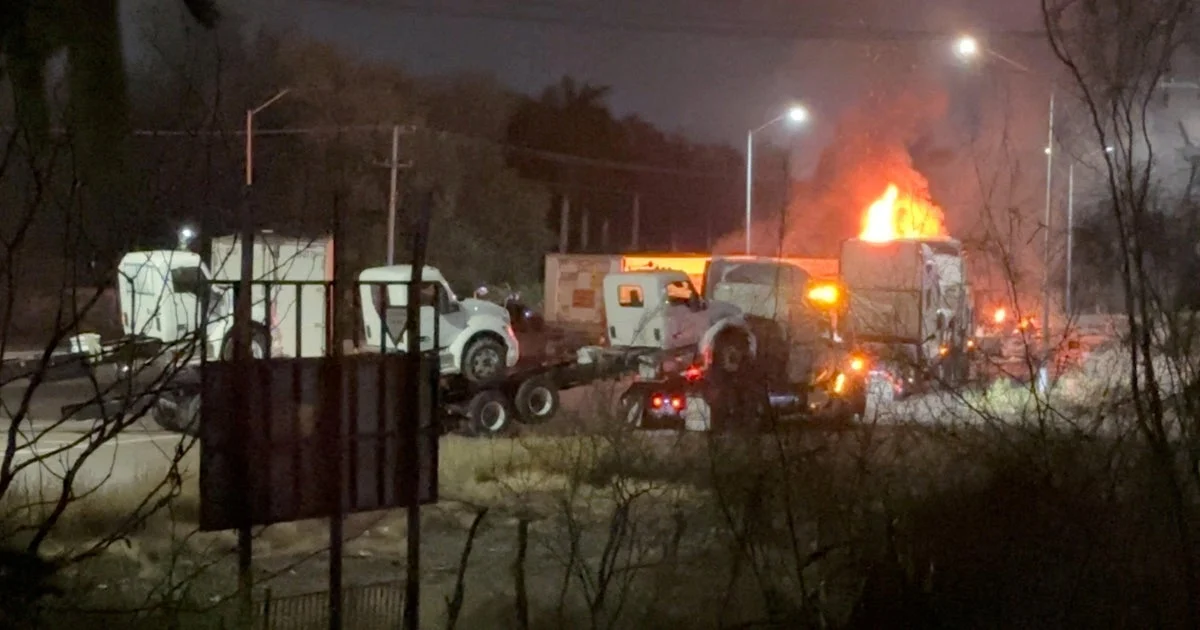
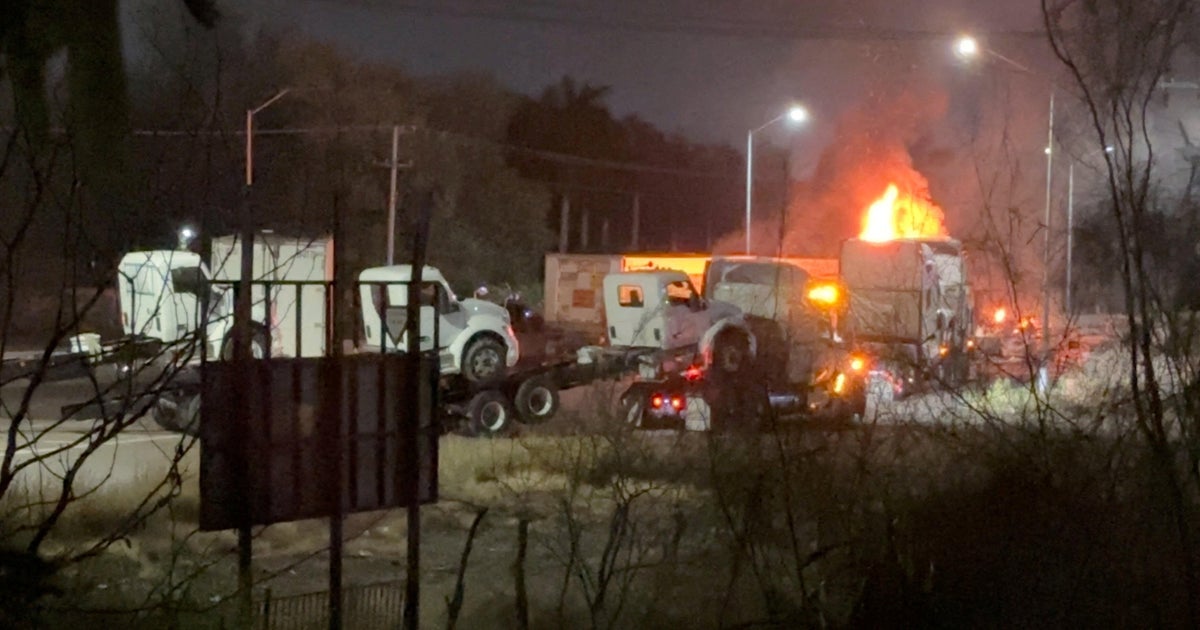
The tactical success was marred by the immediate chaos that followed the arrest. As news of the kingpin’s detention spread, the cartel launched a campaign of terror across Sinaloa. Witnesses in Guasave reported terrified civilians fleeing gunfire, particularly during a local baseball game that was interrupted by the violence. Burning vehicles blocked major highways, a signature tactic used by cartels to impede the movement of security forces. The Mexican National Defense Secretariat confirmed that four regular infantry soldiers were killed while en route to provide reinforcements, underscoring the high cost of the operation.
A History of Criminal Enterprise
Fausto Isidro Meza-Flores has been a primary target for U.S. law enforcement for over a decade. His organization, the Meza-Flores Transnational Criminal Organization, evolved into one of the most sophisticated and heavily armed drug-trafficking entities in Mexico. According to the Federal Bureau of Investigation, the group exerted rigid control over the production, transportation, and distribution of illicit substances, including heroin, methamphetamine, cocaine, fentanyl, and marijuana.
The organization’s reach extended deep into the United States, where it maintained a vast network for distribution. Meza-Flores was first indicted by U.S. federal authorities in 2012 on charges of drug trafficking and firearms violations. A subsequent indictment in 2019 further detailed his role in importing lethal narcotics across the border. Due to his dangerous profile and the massive volume of drugs moved by his organization, the U.S. government had previously authorized a reward of up to $5 million for information leading to his capture. His inclusion on the FBI’s Top 10 Most Wanted List solidified his status as a high-priority fugitive.
Strategic Intelligence and U.S.-Mexico Cooperation
The capture of Meza-Flores was not a solo endeavor. The Mexican government’s Saturday morning briefing acknowledged that intelligence provided by the Trump administration played a pivotal role in locating the kingpin. U.S. Ambassador to Mexico, Ronald Johnson, confirmed the collaboration on social media, noting that "strategic intelligence sharing" between the two nations was the catalyst that made the operation possible.
This level of coordination is a critical development in the bilateral relationship between Washington and Mexico City. President Claudia Sheinbaum has faced mounting pressure from the Trump administration to intensify the government’s efforts against drug cartels. The successful apprehension of Meza-Flores serves as a tangible demonstration of this increased cooperation. While the specific nature of the intelligence—whether satellite data, human intelligence, or intercepted communications—remains classified, the results suggest a newfound synchronization in how both nations approach high-value targets.
The Sheinbaum Administration’s Security Pivot
The arrest comes at a delicate time for President Sheinbaum. Since taking office two years ago, she has adopted a more aggressive stance toward organized crime than her predecessors. Her administration has focused on the systematic dismantling of cartel leadership, a strategy that has seen a measurable decline in national homicide rates.
Security Secretary Omar García Harfuch, a key architect of this strategy, emphasized the importance of the arrest in a public statement. "These detentions are an important step in pacifying Sinaloa," Harfuch wrote. He confirmed that federal forces would maintain a heightened deployment in the state to ensure the protection of civilians and to deter further retaliatory attacks.
This tactical victory follows the February killing of "El Mencho," the leader of the Jalisco New Generation Cartel. The death of such a prominent figure, much like the arrest of Meza-Flores, triggered immediate spikes in violence as factions within the cartels moved to fill the power vacuum. Analysts suggest that the Sheinbaum government is betting on the idea that the long-term removal of these kingpins will eventually erode the stability and operational capacity of the cartels, despite the short-term spikes in civil unrest.
Broader Implications and Future Outlook
The removal of "El Chapo Isidro" from the battlefield has several far-reaching implications. First, it disrupts the supply chain for synthetic opioids, particularly fentanyl, which remains a primary focus of U.S. border security policy. By neutralizing a key logistical node in Sinaloa, the Mexican government has dealt a significant blow to the operational continuity of the Meza-Flores organization.
However, the history of the "kingpin strategy" suggests that these successes often come with significant risks. When high-ranking leaders are removed, the resulting power struggles can lead to internal fractures, prompting even more violent confrontations between rival cartels. The immediate challenge for the Mexican military is to prevent a broader conflict in Sinaloa while maintaining public trust.
The incident at the baseball game in Guasave serves as a stark reminder that the war on drugs is increasingly fought in the midst of civilian life. As the government continues its "pacification" efforts, the ability of state forces to protect the civilian population during these high-stakes operations will be a litmus test for the success of Sheinbaum’s security policy.
For the United States, the focus will now shift to extradition proceedings. Given the gravity of the charges against Meza-Flores, it is widely expected that the U.S. Department of Justice will formally request his transfer to face trial in an American court. The speed and cooperation with which the Mexican government handles this request will provide further insight into the depth of the current U.S.-Mexico security pact.
As the smoke clears in Sinaloa, the arrest of Fausto Isidro Meza-Flores stands as a significant milestone in the two-year-long crackdown led by the Sheinbaum administration. While the violence that followed the raid underscores the resilience of the cartels, the capture itself highlights a strengthening of the institutional resolve and international cooperation necessary to address one of the most complex security challenges in the Western Hemisphere. For now, the focus remains on stabilization, with the federal government pledging to hold the line in a state that has long been a stronghold for some of the world’s most dangerous criminal syndicates.

