
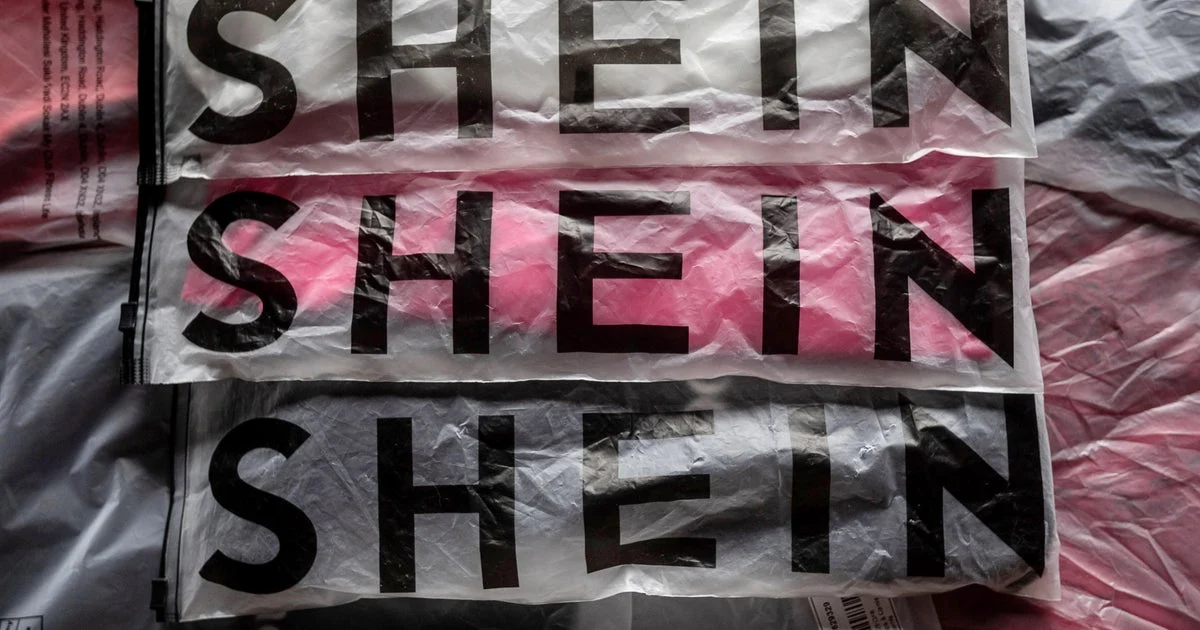
The Federal Trade Commission (FTC) has finalized a landmark $100 million settlement with the Singapore-based fast-fashion giant Shein, concluding a wide-ranging investigation into the company’s marketing, supply chain disclosures, and customer service operations. The settlement, announced on Tuesday, addresses allegations that the retailer systematically misled millions of American consumers through deceptive product claims, the suppression of negative customer feedback, and a near-total failure to provide adequate support for order-related grievances.
This regulatory action marks a significant escalation in the scrutiny of ultra-fast-fashion platforms, which have revolutionized the retail landscape by leveraging algorithmic production cycles and direct-to-consumer logistics. While the $100 million figure represents a substantial financial penalty, the FTC’s proposed order also imposes strict compliance mandates, forcing Shein to overhaul its consumer communication strategies and verify its supply chain claims moving forward.
Chronology of Regulatory Scrutiny
The path to this settlement follows years of mounting criticism regarding Shein’s operational model. Since its rise to prominence, the company has faced persistent questions regarding its labor practices, environmental impact, and the veracity of its marketing materials.
The FTC’s investigation focused heavily on the period between 2022 and 2025, during which Shein’s U.S. market share surged. According to the complaint, the company’s rapid expansion was built on a foundation of promises—regarding ethical sourcing and delivery timelines—that the retailer was allegedly ill-equipped to fulfill. By 2024, as the company prepared for its eventual IPO on the Hong Kong exchange in September 2026, regulatory pressure intensified. The final settlement represents the culmination of this multi-year probe into whether the company’s “ultra-cheap” business model was sustained by unfair competitive advantages derived from deceptive consumer practices.
The Anatomy of the Deception
At the core of the FTC’s findings is a stark disparity between Shein’s public image and its internal operations. The company famously marketed itself as an ethical, tech-forward retailer. However, the FTC uncovered evidence that the company frequently made unsubstantiated claims about the origins of its cotton and the environmental impact of its supply chain.
Perhaps most egregious to regulators was the discrepancy between the company’s massive consumer base and its actual infrastructure. Despite processing roughly 1 million packages per day for the U.S. market, the FTC discovered that the company employed only five customer service representatives tasked with handling the resulting influx of consumer inquiries. This skeleton crew, according to regulators, made it nearly impossible for customers to resolve issues concerning lost packages, incorrect items, or damaged goods.
Furthermore, the FTC alleged that Shein engaged in the deliberate suppression of negative product reviews. By curating only positive feedback, the company effectively distorted the marketplace, misleading shoppers about the quality and sizing of garments. This practice, often referred to as "review scrubbing," is a violation of the FTC’s guidelines regarding truth in advertising and consumer protection.
Supporting Data and Operational Scale
To understand the gravity of the FTC’s intervention, one must consider the sheer scale of Shein’s footprint in the United States. In 2025 alone, the company solidified its position as one of the most downloaded shopping apps in the country. The sheer volume of transactions—millions of individual orders annually—means that even a small percentage of fulfillment errors translates into thousands of frustrated consumers every day.
The company’s growth was historically bolstered by the “de minimis” tariff exemption, a trade loophole that allowed low-cost shipments valued under $800 to enter the U.S. duty-free. This exemption provided Shein with a significant price advantage over domestic retailers who were required to pay standard import duties. However, in late 2025, the White House moved to close this loophole, citing the need for a level playing field. The resulting increase in operational costs, combined with the $100 million settlement, marks a pivotal shift for the company’s bottom line.
Official Responses and Corporate Stance
The FTC’s Bureau of Consumer Protection, led by Director Christopher Mufarrige, emphasized that the settlement is intended to provide tangible redress to harmed customers. "Shein attracted consumers with promises of affordable clothing, fast delivery and use of suppliers that earned above-average ratings on standards related to child and forced labor, among other representations," Mufarrige stated. "In reality, the company misled millions of consumers about its products, its suppliers and the authenticity of its customer reviews."
In response to the settlement, a spokesperson for Shein issued a carefully worded statement. The company agreed to the financial terms to resolve the litigation but stopped short of admitting fault. "The agreement does not constitute an admission of liability," the spokesperson said, adding that the company continues to disagree with the FTC’s characterization of its business and compliance practices.
Despite this pushback, the company has signaled an intention to comply with the terms of the settlement, which includes a permanent injunction against making misleading claims about shipping times and a mandate to implement more robust customer service protocols.
Implications for the Fast-Fashion Industry
The Shein settlement serves as a warning shot to the broader e-commerce sector, particularly companies that rely on high-velocity logistics and aggressive social media marketing. The retail industry is increasingly under the microscope for "greenwashing"—making false or misleading claims about the environmental benefits of products—and for the lack of transparency in global supply chains.
Experts in consumer law suggest that the FTC’s action signals a new era of enforcement. By focusing on the intersection of logistics, marketing, and digital feedback, the agency is signaling that it will not allow rapid growth to be used as a shield against regulatory compliance. For Shein, the path forward requires a delicate balancing act: the company must maintain the fast-paced, low-cost model that made it a household name while simultaneously satisfying the rigorous oversight requirements mandated by the federal government.
The Path Ahead for Consumers
For the average consumer, the immediate impact of this settlement will be felt through the establishment of a redress fund. The $100 million will be used to compensate shoppers who were misled or experienced significant issues with their orders that the company failed to rectify.
Furthermore, the mandated changes to customer service operations may signal an end to the "black hole" of support that many Shein customers reported. If the company is forced to scale its human support infrastructure to match its shipment volume, shoppers may find it significantly easier to navigate returns and inquiries.
Ultimately, this settlement reflects a growing tension in the modern economy: the demand for instant, low-cost gratification versus the necessity of corporate accountability. As the regulatory landscape continues to evolve, companies like Shein will likely find that the cost of doing business in the United States now includes a much higher premium for transparency, integrity, and consumer care. The coming fiscal quarters will reveal whether the company can successfully integrate these requirements into its business model or if further intervention will be necessary to ensure the protection of the American marketplace.

