
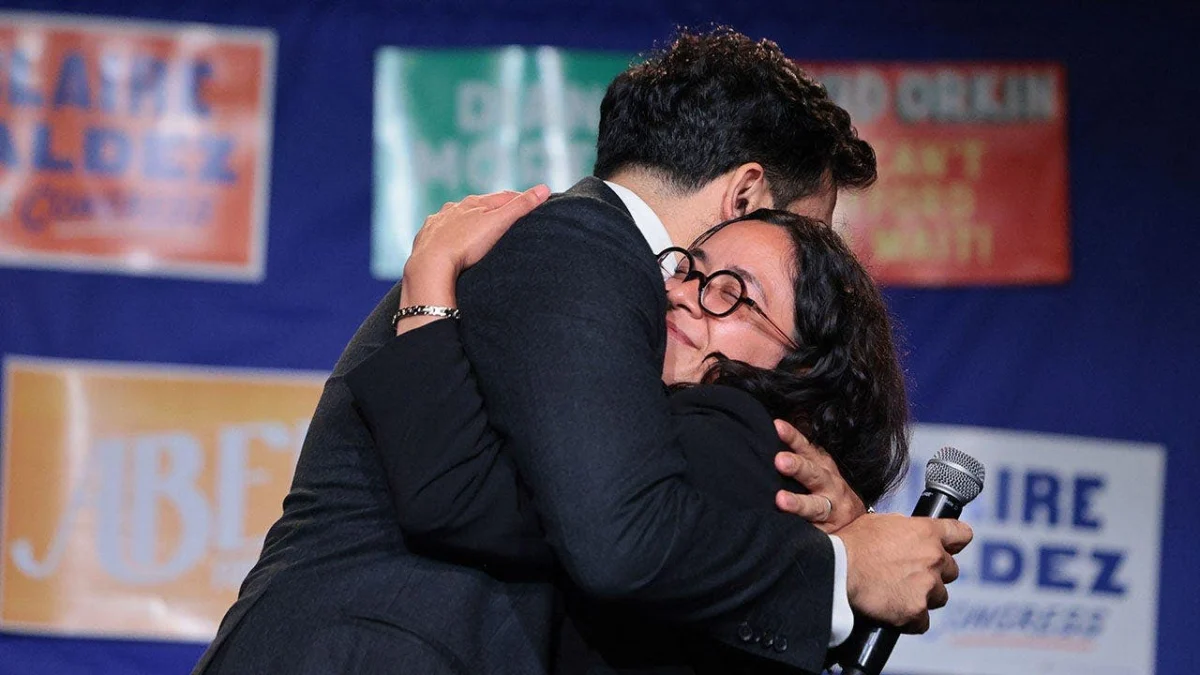
A growing divide between the public rhetoric of far-left political candidates and their actual campaign finance activities has drawn sharp scrutiny following a comprehensive review of Federal Election Commission (FEC) filings. Several candidates aligned with the Democratic Socialists of America (DSA), who have built their political platforms on the promise of dismantling corporate influence in the electoral process, have been found to be significant beneficiaries of capital from corporate executives and industry-aligned political action committees (PACs).
The investigation, which examined financial disclosures from the 2024 and 2025 election cycles, highlights a recurring pattern: candidates who aggressively campaign against "corporate greed" and the influence of "wealthy elites" are simultaneously accepting substantial financial backing from individuals holding high-level positions within the very industries they frequently criticize.
The Anatomy of the Controversy
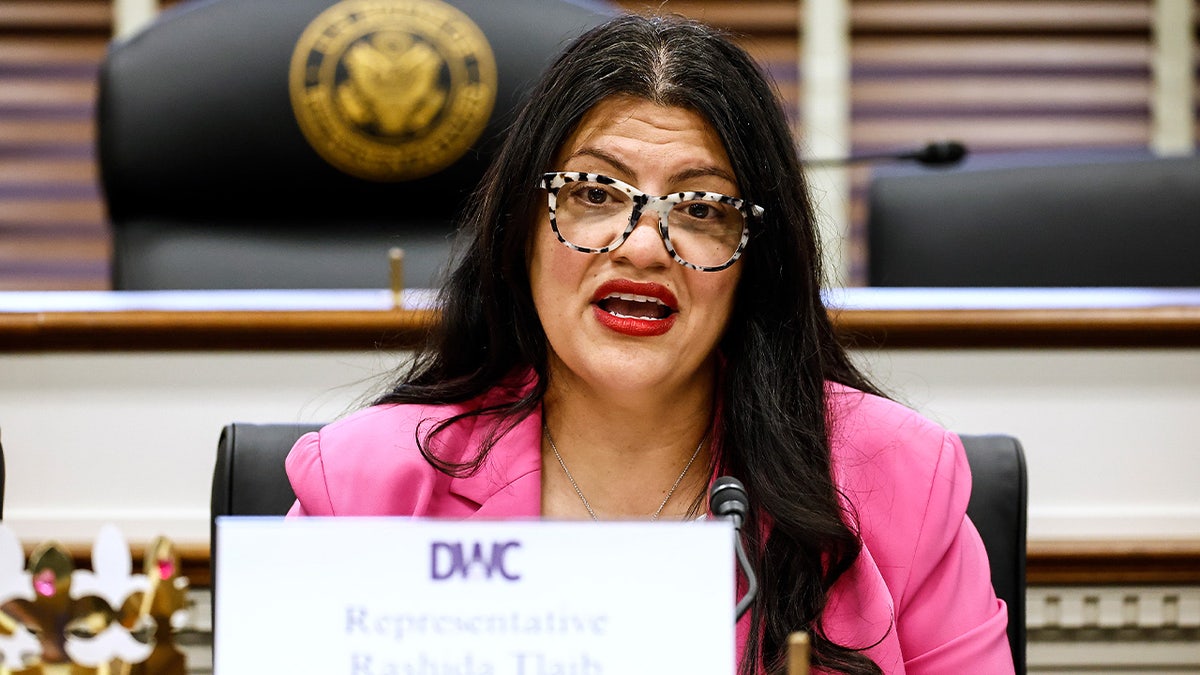
At the center of this scrutiny is Rep. Rashida Tlaib, D-Mich., who has been a vocal critic of the intersection between political power and the defense industry. Despite an op-ed published in 2025 in which she condemned lawmakers for their financial ties to defense contractors, FEC records indicate that Tlaib accepted $10,600 in campaign contributions between 2023 and 2025 from Faisal Munir, an executive at the defense contracting firm L3Harris.
The optics of these transactions have provided fuel for critics who argue that the "no-corporate-PAC" pledge is often a distinction without a difference. Rep.-elect Jerry Carl, R-Ala., characterized the situation as a lack of transparency, stating, "If you’re taking money from them, at least be man enough to admit you’re going to take the money."
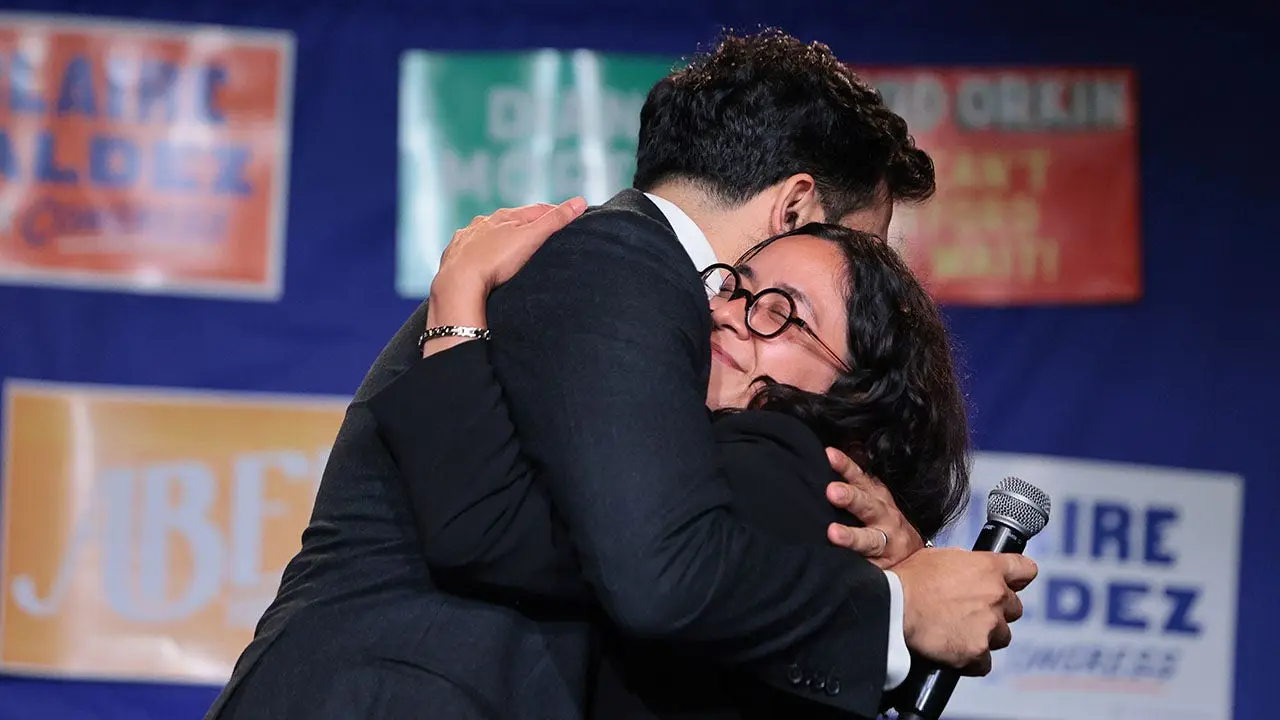
The issue extends beyond individual members of Congress to a broader cohort of progressive candidates, including Reps.-elect Donavan McKinney of Michigan, and Claire Valdez and Darializa Avila Chevalier of New York. While these candidates explicitly campaigned on pledges to reject corporate PAC money—a stance heavily promoted by groups like End Citizens United—the FEC filings reveal they have accepted thousands of dollars from high-net-worth corporate executives and through progressive PACs that are themselves fueled by corporate-adjacent capital.
Financial Trails and Strategic Funding
The investigation into the 1792 Exchange findings suggests that the pipeline of funds to these candidates is sophisticated. Over the past two election cycles, 24 corporate executives have contributed a total of $675,300 to DSA-endorsed congressional hopefuls. While $126,300 of that amount was funneled directly to candidates, the remaining $549,000 was directed into three key progressive PACs: Justice Democrats, Leaders We Deserve, and the Working Families Party PAC.
These organizations serve as primary vehicles for socialist-aligned candidates. For instance, Justice Democrats, which supported Tlaib, Chevalier, and Valdez, received significant infusions of cash from tech and health sector leaders, including $150,000 from Desmos Studio CEO Eli Luberoff and $85,000 from Hims & Hers Health CEO Andrew Dudum. Leaders We Deserve, which backed McKinney and Valdez, received $65,000 from Android co-founder Rich Miner, while the Working Families Party PAC accepted $100,000 from former Google chief scientist Jeff Dean.
This interconnected web of funding raises questions regarding the efficacy of campaign finance reform movements that focus solely on institutional PAC money while overlooking the influence of individual executives and donor-advised funds.
The Rhetoric vs. Reality Gap
The political platforms of these candidates often present a stark binary: they argue that the American political system is fundamentally rigged in favor of the "wealthy elite" and "political machines." Chevalier’s campaign website, for example, explicitly calls for a total ban on super PAC money, arguing that such funds undermine the interests of the working class. Similarly, Valdez has frequently blamed "AIPAC, crypto and AI" for using millions of dollars to distort election outcomes.
However, the receipt of funds from figures like Omar Tawakol, the CEO of AI advertising platform Rembrand, complicates these narratives. Tawakol’s donations—$13,600 to Tlaib, $7,000 to McKinney, and $3,500 each to Valdez and Chevalier—demonstrate that the very sectors these candidates criticize are actively participating in the funding of their campaigns.
Perspectives from Economic Analysts
From an economic policy perspective, the practice of executives donating to candidates who publicly oppose their industries is not necessarily a sign of ideological alignment. E.J. Antoni, a chief economist at the Heritage Foundation, explains that this behavior is a hallmark of defensive political strategy.
"Executives often support a wide range of candidates, including those who appear to be their ideological opposites, in hopes of securing regulatory carve-outs, exemptions, and exclusions," Antoni noted. By establishing financial relationships early, corporations may seek to minimize the risk of future legislation that could adversely affect their business models. While the current FEC filings do not provide evidence that any specific executive requested or received a direct quid pro quo, the potential for "regulatory capture" remains a central concern for ethics watchdogs.
Chronology of the Disclosure
The scrutiny surrounding these campaign funds gained momentum in mid-2025, following a series of disclosures regarding the funding sources of the "Squad" and their ideological allies.
- Early 2024: Candidates began formalizing their campaign finance platforms, emphasizing their refusal of corporate PAC money.
- Mid-2025: Rep. Tlaib published an op-ed decrying the defense industry’s influence on legislative policy, which coincided with the period she was receiving direct contributions from defense contractor executives.
- Late 2025 – Early 2026: Investigative reports from the 1792 Exchange and subsequent reviews by news outlets began aggregating FEC data, identifying the specific links between DSA-endorsed candidates and corporate-aligned donors.
- April 2026: Public hearings, such as the "Moms Pay the Price" hearing featuring Rep. Tlaib, brought renewed focus to the candidates’ public stances and their financial backers.
The Broader Impact on Political Accountability
The absence of responses from the targeted representatives or their associated PACs has deepened the skepticism surrounding the movement. The failure of figures like Tlaib, McKinney, Valdez, and Chevalier to address these specific financial disclosures leaves a void in the public record that opponents are eager to fill.
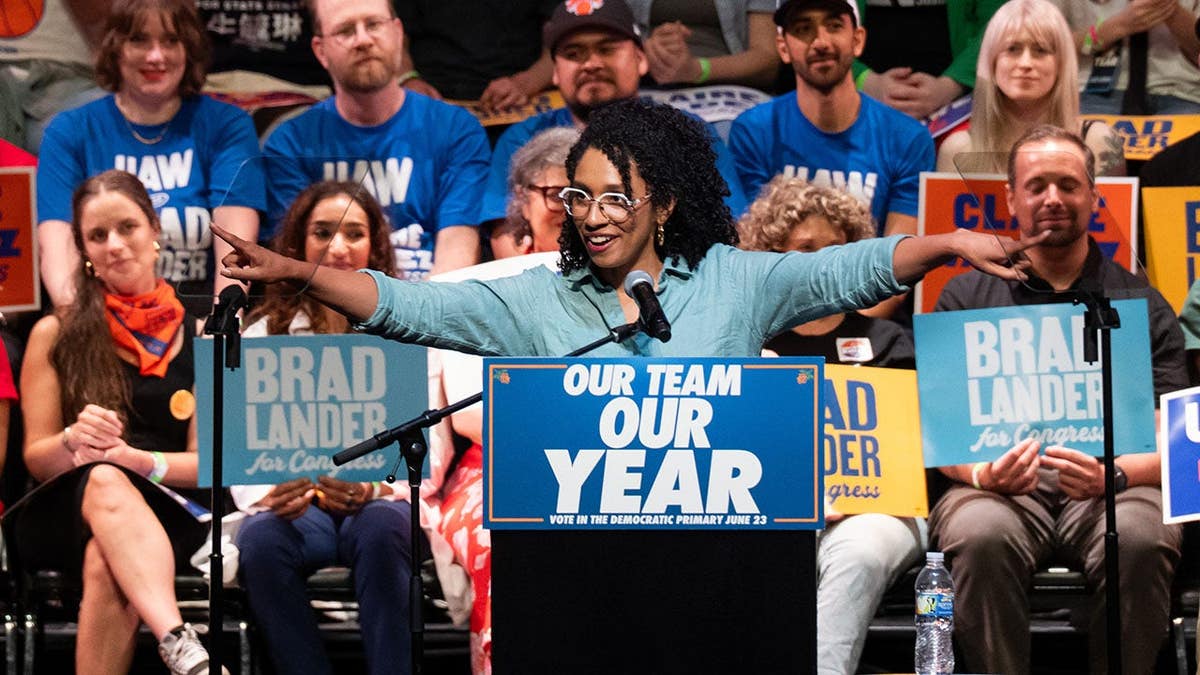
Keira Havens, founder of Courage for Democracy, highlighted that the core issue is not necessarily the legality of these contributions, but the erosion of public trust. "The solution to the corruption displayed by the politicians is accountability," Havens stated. As the 2026 election cycle moves into its next phase, voters are likely to face increased pressure to evaluate whether their representatives’ voting records align with their campaign rhetoric or their donor lists.
The broader implication for American politics is a growing demand for greater transparency regarding "dark money" and the ways in which individual executive contributions are utilized to circumvent traditional PAC restrictions. If candidates continue to use the language of radical reform while operating within the established systems of corporate financing, they risk alienating the grassroots base that propelled them to office.
As it stands, the current findings serve as a reminder of the complexities inherent in modern campaign finance. While the candidates maintain that their legislative priorities remain focused on the needs of their constituents, the paper trail of their funding suggests a far more complex reality—one where the line between populist rhetoric and corporate influence is increasingly blurred. Whether this will result in a change in campaign tactics or a shift in voter sentiment remains to be seen, but the transparency provided by FEC filings ensures that the debate over "who pays" will remain a central fixture of the national discourse.

