As the conflict between the United States and Iran enters its seventh week, the world’s primary financial and energy monitoring bodies are warning of a catastrophic downturn in global economic stability. Reports released Tuesday by the International Monetary Fund (IMF) and the International Energy Agency (IEA) suggest that the window for a "soft landing" of the global economy has effectively closed, replaced by the looming specter of a deep recession and runaway inflation. These warnings follow the collapse of a fragile ceasefire and the implementation of a comprehensive maritime blockade by the United States, targeting all Iranian port traffic.
The sudden shift in the global outlook marks a stark reversal from the beginning of the year. Prior to the outbreak of hostilities, the IMF had projected a period of modest but steady growth, fueled by a surge in productivity linked to artificial intelligence and a cooling of trade tensions between major powers. However, the intensification of military operations in the Middle East has introduced a "black swan" event that threatens to undo years of post-pandemic recovery.
A Timeline of Rapid Escalation
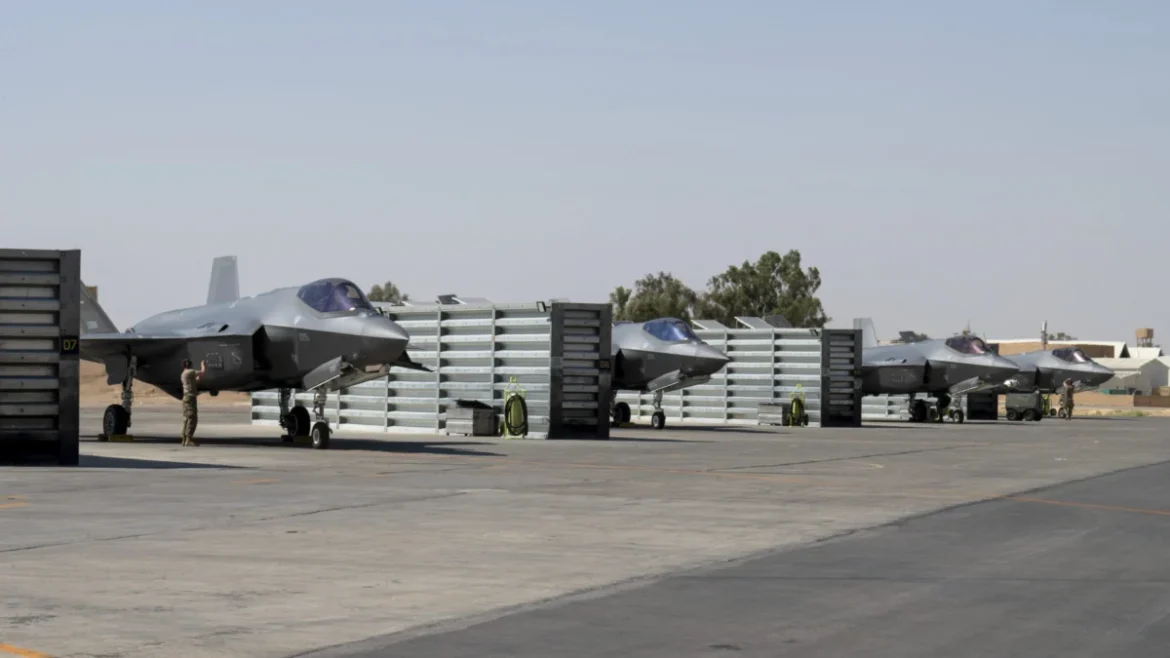
The current crisis reached a critical inflection point on April 8, 2026, when a short-lived ceasefire agreement between U.S. and Iranian forces disintegrated amid accusations of bad-faith maneuvers. Following the collapse of diplomacy, the United States Central Command (CENTCOM) announced a total blockade of ships entering or exiting Iranian ports on April 13. This move was intended to sever Iran’s economic lifelines but has simultaneously sent shockwaves through the global shipping industry.
Military analysts note that the conflict has evolved from localized skirmishes into a systemic assault on energy infrastructure. Over the last 50 days, more than 80 hydrocarbon facilities—including major oil fields, natural gas processing plants, refineries, and export terminals—have sustained damage. According to IEA Executive Director Fatih Birol, approximately one-third of these facilities have been "severely damaged," with preliminary assessments suggesting that repairs could take upwards of two years to complete.
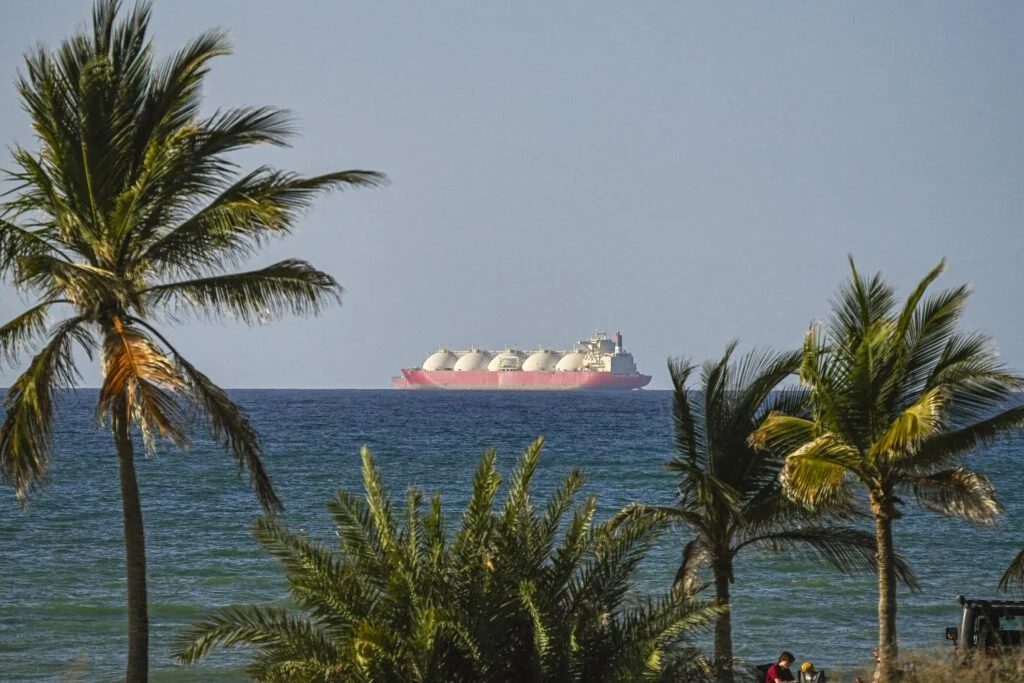
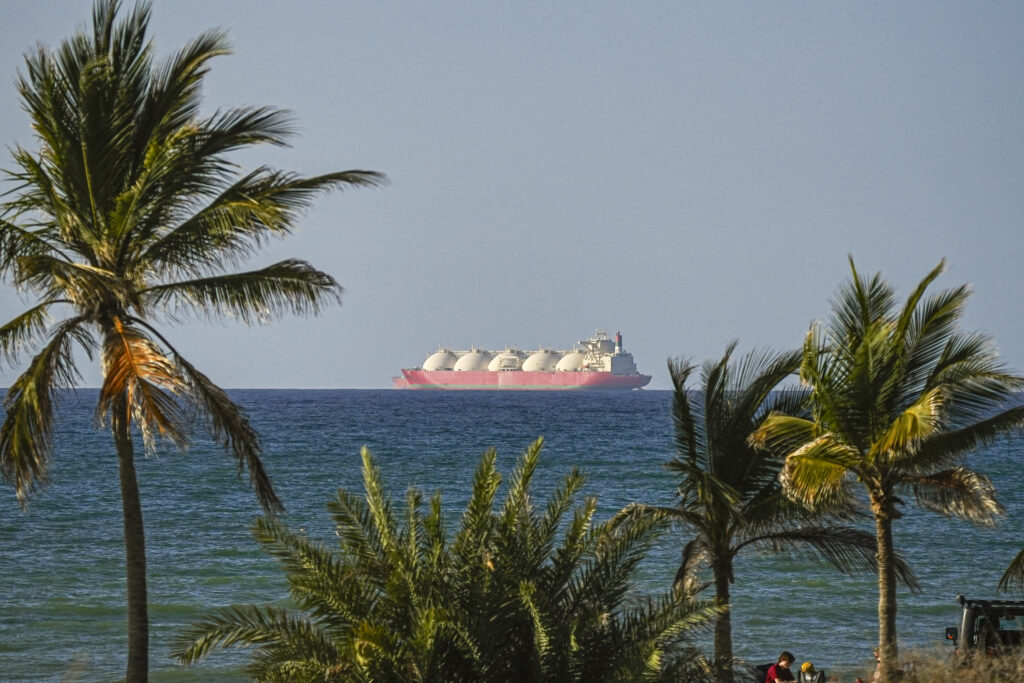
The most significant strategic development remains the contested status of the Strait of Hormuz. As a primary artery for global energy, the potential total closure of the Strait represents an existential threat to the energy security of both Europe and Asia. The IEA reports that the war has already resulted in a global oil supply decline of 10 million barrels per day, a deficit that has triggered the largest monthly gain in oil prices ever recorded during the month of March.
The IMF’s Bleak Economic Forecast
In the April 2026 World Economic Outlook, IMF Chief Economist Pierre-Olivier Gourinchas provided a sobering assessment of the situation. "War in the Middle East will overwhelm the underlying forces of growth," Gourinchas wrote. The report highlights that the convergence of energy shortages and maritime disruptions is creating a "perfect storm" for stagflation—a period of stagnant economic growth coupled with high inflation.
The IMF’s modeling suggests that if the Strait of Hormuz remains restricted or closed for an extended period, global GDP growth could be slashed by several percentage points, pushing multiple G7 nations into technical recessions by the third quarter of the year. The impact is described as "highly asymmetric," meaning that while all nations will feel the pinch, energy-importing developing nations and low-income countries will face the most severe consequences. These nations are already grappling with high debt loads and now face skyrocketing costs for fuel and basic commodities.
Energy Security and the Infrastructure Crisis
The IEA’s Fatih Birol, speaking at an event hosted by the Atlantic Council in Washington, characterized the current situation as "the greatest energy security threat in history." The scale of the disruption surpasses the oil shocks of 1973 and 1979, primarily because the modern global economy is more integrated and reliant on just-in-time delivery systems.
The damage to infrastructure is not limited to Iranian soil. Regional volatility has impacted broader Middle Eastern production, as insurance rates for tankers have surged to prohibitive levels, and several multinational energy firms have begun evacuating non-essential personnel from neighboring Gulf states.
Birol drew a parallel to the 1970s, noting that previous crises eventually spurred innovation, such as the development of North Sea oil, the expansion of nuclear power, and the rise of fuel-efficient vehicles. He suggested that the current conflict could serve as a "forced catalyst" for a transition toward renewable energy, electric vehicles, and a new generation of nuclear modular reactors. However, he also warned that in the short term, many nations might revert to coal-fired power generation to maintain grid stability, potentially setting back global decarbonization goals by a decade.
Domestic Political Friction and the Fossil Fuel Debate
The economic crisis has also exposed deep political rifts within the United States. During the IMF and World Bank spring meetings in Washington, U.S. Treasury Secretary Scott Bessent took a controversial stance that diverged from the consensus of international climate and energy experts. Addressing the Institute of International Finance, Bessent pointedly ignored the specific logistical pressures of the Iran war, choosing instead to criticize the global shift toward green energy.
Bessent dismissed the movement away from fossil fuels as an "elite belief" and expressed support for a pivot within the World Bank and IMF to de-prioritize climate change initiatives. His remarks suggest a potential fracturing of the international coalition that has historically sought to balance energy security with environmental sustainability. Critics argue that Bessent’s stance ignores the reality that fossil fuel dependency is precisely what has made the global economy so vulnerable to the current Middle Eastern conflict.
Beyond Oil: The Supply Chain Ripple Effect
While oil prices dominate the headlines, the blockade and the shutdown of the Strait of Hormuz are triggering shortages in less visible but equally critical sectors. Robert Pape, a professor of political science at the University of Chicago and director of the Chicago Project on Security and Threats, warned that the global economy is only days away from running short of critical goods.
"Markets are not ready for this," Pape stated, emphasizing that the crisis extends far beyond the gas pump. The Middle East is a major producer of natural gas, which is the primary feedstock for nitrogen-based fertilizers. As production facilities go offline and shipping routes are severed, global fertilizer prices have surged, raising immediate concerns about food security and crop yields for the upcoming growing season in the Northern Hemisphere.
Furthermore, the region is a vital source of the world’s helium supply, a byproduct of natural gas extraction. Helium is essential for high-tech manufacturing, including the cooling of magnets in MRI machines and the production of semiconductors. A prolonged shortage could disrupt healthcare systems and the global electronics industry, adding another layer of complexity to the economic downturn.
Official Responses and the Path Forward
In a rare joint statement, the heads of the IEA, IMF, and World Bank Group pledged to work together to provide "tailored policy advice and financial support" to the nations most impacted by the war. The statement emphasized that the shock to oil, gas, and fertilizer prices is a "global emergency" that requires coordinated intervention to prevent widespread social unrest and job losses.
Simultaneously, a group of 16 energy security experts—including former military commanders and academic researchers—issued an open letter to the IEA. They urged the agency to provide a "security-driven roadmap" for governments to reduce their exposure to volatile oil and gas markets. The group argued that accelerating the transition to diversified, localized energy systems is no longer just an environmental goal but a "security imperative" essential for national sovereignty.
Analysis of Long-term Implications
The 2026 Iran war represents a watershed moment for the global order. If the conflict persists, the world may see a permanent realignment of trade routes and energy dependencies. The immediate priority for international policymakers is the restoration of maritime safety and the stabilization of energy markets, but the long-term lessons are already becoming clear.
First, the fragility of the "just-in-time" global supply chain has been exposed once again, following the disruptions of the early 2020s. The reliance on a single geographic chokepoint—the Strait of Hormuz—is increasingly viewed as an unacceptable risk by global strategists.
Second, the divergence in policy between the U.S. Treasury and international institutions suggests that the "green transition" will remain a point of intense political contention, even as the physical risks of fossil fuel reliance become more apparent.
As the IMF and World Bank meetings continue this week, the focus remains on whether a diplomatic solution can be salvaged before the "bleak future" described in Tuesday’s reports becomes a permanent reality. For now, the global economy remains in a state of high-alert, waiting to see if the blockade will hold and if the world’s energy infrastructure can survive the most significant threat it has ever faced.