Anthony Norman Denies Awareness of "Jury Duty" Deception in Season 2’s "Company Retreat"
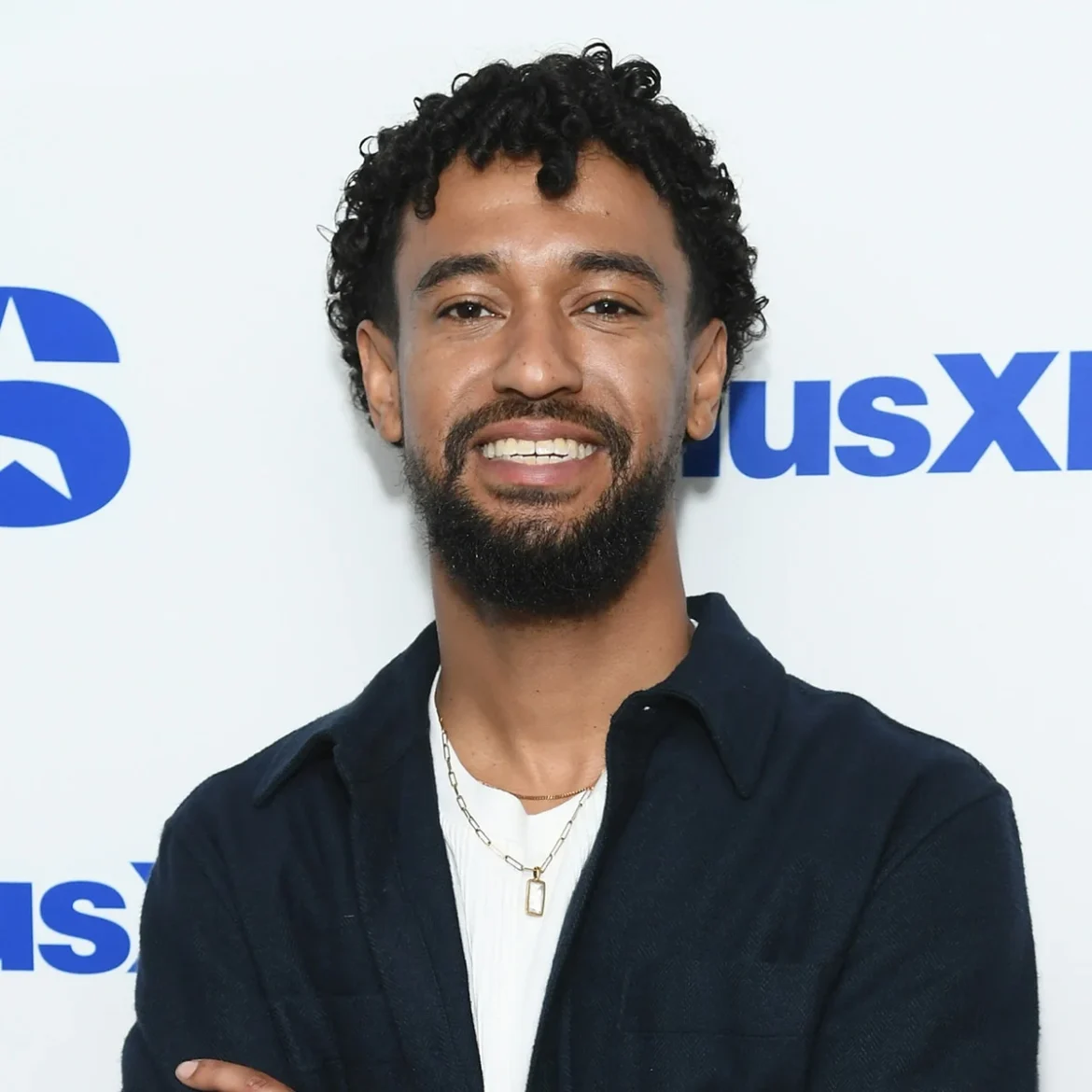
Anthony Norman, the unsuspecting participant at the center of the second season of the hit mockumentary series Jury Duty, has officially refuted claims that he deduced the elaborate ruse during the filming of Company Retreat. The season, which concluded recently, saw Norman believe he was attending an annual company retreat for a fictional family-owned business, Rockin’ Grandma’s Hot Sauce, while his colleagues and the entire scenario were meticulously orchestrated by actors and producers.
In an exclusive interview with E! News, Norman stated unequivocally, "I didn’t figure it out." He elaborated on his reasoning, explaining, "I think that if I did figure it out, I would have tried to play into it, and I’m not an actor by any means, so I would have messed it up." This assertion directly addresses online speculation that suggested he might have been privy to the show’s true nature, a notion he firmly dismisses.
The "Jury Duty" Phenomenon: A Deeper Dive into Season 2’s Premise
The success of Jury Duty hinges on its unique premise: a group of actors and crew orchestrate a fake court case around an unsuspecting juror. Season one, which garnered significant critical acclaim and a dedicated fanbase, centered on Ronald Gladden, whose genuine reactions and earnest participation in the fabricated legal proceedings became the heart of the show. Gladden’s journey, alongside a cast of well-known actors including James Marsden, captivated audiences with its blend of humor, heart, and surprising emotional depth.
Season two, subtitled Company Retreat, shifted the focus to Anthony Norman. He was presented with the opportunity to manage the annual company retreat for "Rockin’ Grandma’s Hot Sauce," a seemingly ordinary, albeit quirky, family business. Unbeknownst to Norman, every individual he interacted with – from his supposed colleagues to the company executives – was an actor playing a part in a carefully constructed narrative. The aim was to observe and capture Norman’s genuine responses to a series of increasingly absurd and challenging situations designed to test his patience, professionalism, and ability to navigate chaotic environments.
Navigating the Absurd: Mom’s Suspicions and Unwavering Ignorance
Despite the constant barrage of unusual occurrences and the often over-the-top behavior of his "colleagues," Norman maintained his belief in the legitimacy of the situation. He recounted a pivotal phone conversation with his mother early in the filming process, where he attempted to explain the strange events unfolding at the retreat. "I had a phone conversation with my mom very early on just explaining to her the things that were going on there," Norman shared. "And she was just like, ‘Something’s not right, right? Something’s off, right?’" Looking back, Norman acknowledged, "So, looking back I’m like I should’ve listened to my mom and asked more questions."
This maternal intuition, however, was not enough to pierce Norman’s genuine commitment to his temporary role. He explained that unlike Ronald Gladden in season one, who reportedly benefited from production’s strategic scheduling of uneventful days to quell his suspicions, Norman never experienced anything that definitively pointed towards a mockumentary.
Moments of Boredom, Not Suspicion
Norman admitted to experiencing moments where the retreat’s activities felt mundane or uninspired. "There were a couple moments where I was like, ‘This is boring,’" he confessed. However, these instances of perceived dullness did not trigger any deeper suspicion about the true nature of his surroundings. "But it didn’t lead me down any road," he clarified. This suggests that the production team effectively managed the pacing and content of the "retreat" to maintain Norman’s immersion in the fabricated reality.
A significant factor in Norman’s continued unawareness was his unfamiliarity with the first season of Jury Duty. "Plus, Anthony wasn’t prone to skepticism because he was in the dark about Jury Duty‘s first season," the article notes. This lack of prior exposure meant he had no frame of reference for the show’s unique brand of hidden-camera comedy and its potential for elaborate deception. He only became aware of the show’s existence after filming concluded.
"At the end of [filming], they showed me a picture of Ronald," Norman revealed. "He looked very familiar, but I didn’t know where he was from." This encounter with the star of the previous season, though leading to a sense of vague recognition, was insufficient to connect the dots of his own experience to the established format of the show.
The Aftermath: A Willingness to Embrace the Unexpected
When asked about his willingness to take on another temporary role after the unique experience of the bogus company retreat, Norman expressed an enthusiastic affirmative. "Absolutely," he responded. This suggests that despite the elaborate deception, his overall experience was not negative enough to deter him from future similar opportunities, highlighting his resilience and positive outlook.
The conclusion of Jury Duty season two brings the focus back to the show’s innovative approach to reality television and its ability to generate genuine human reactions. The success of both seasons underscores the power of a well-crafted premise combined with authentic participant responses. The show’s ability to maintain such a high level of secrecy and to elicit such genuine reactions from its unsuspecting stars is a testament to the intricate planning and execution by the production team.
Broader Context: The Evolution of Reality Television and Hidden Camera Formats
Jury Duty‘s success can be seen as a modern evolution of the hidden camera genre, which has a long history in television. From early shows like Candid Camera to more elaborate prank-based programs, the allure of capturing genuine reactions to staged scenarios has always resonated with audiences. However, Jury Duty elevates this by embedding the deception within a narrative that has stakes for the participant, even if those stakes are artificially created.
The show’s format also taps into the public’s fascination with the mundane aspects of everyday life and work. By creating a fictional company retreat, the producers were able to explore themes of workplace dynamics, team building, and professional conduct in a humorous and relatable context, all while maintaining the central deception. The contrast between the ordinary setting and the extraordinary events designed to unfold within it creates a fertile ground for comedic situations and genuine emotional responses.
The ethical considerations of such a show are also worth noting. While Jury Duty has been widely praised for its heartwarming elements and the genuine kindness displayed by its participants, particularly Ronald Gladden, the practice of deceiving individuals for entertainment purposes raises questions about consent and potential psychological impact. However, the show’s producers have emphasized that participants, including Norman, are fully debriefed and compensated after the filming, and that the intent is to create positive and humorous content.
Looking Ahead: The Future of Jury Duty
The continued popularity of Jury Duty suggests a strong appetite for its unique blend of comedy and social experimentation. As the show moves forward, it will be interesting to see how the production team continues to innovate and surprise audiences while maintaining the core elements that have made it a critical and commercial success. Whether future seasons will feature new unsuspecting participants or explore different scenarios, the legacy of Jury Duty as a groundbreaking reality television series seems assured. The show has not only provided hours of entertainment but has also sparked conversations about authenticity, deception, and the human capacity for kindness in the face of the absurd.
The article concludes by briefly referencing upcoming television shows, indicating a broader interest in the television landscape and its new releases. However, the primary focus remains on Anthony Norman’s definitive statement regarding his experience on Jury Duty season two, reinforcing the narrative that the show’s success hinges on the genuine reactions of individuals who are truly unaware of the cameras and the elaborate charade unfolding around them.