
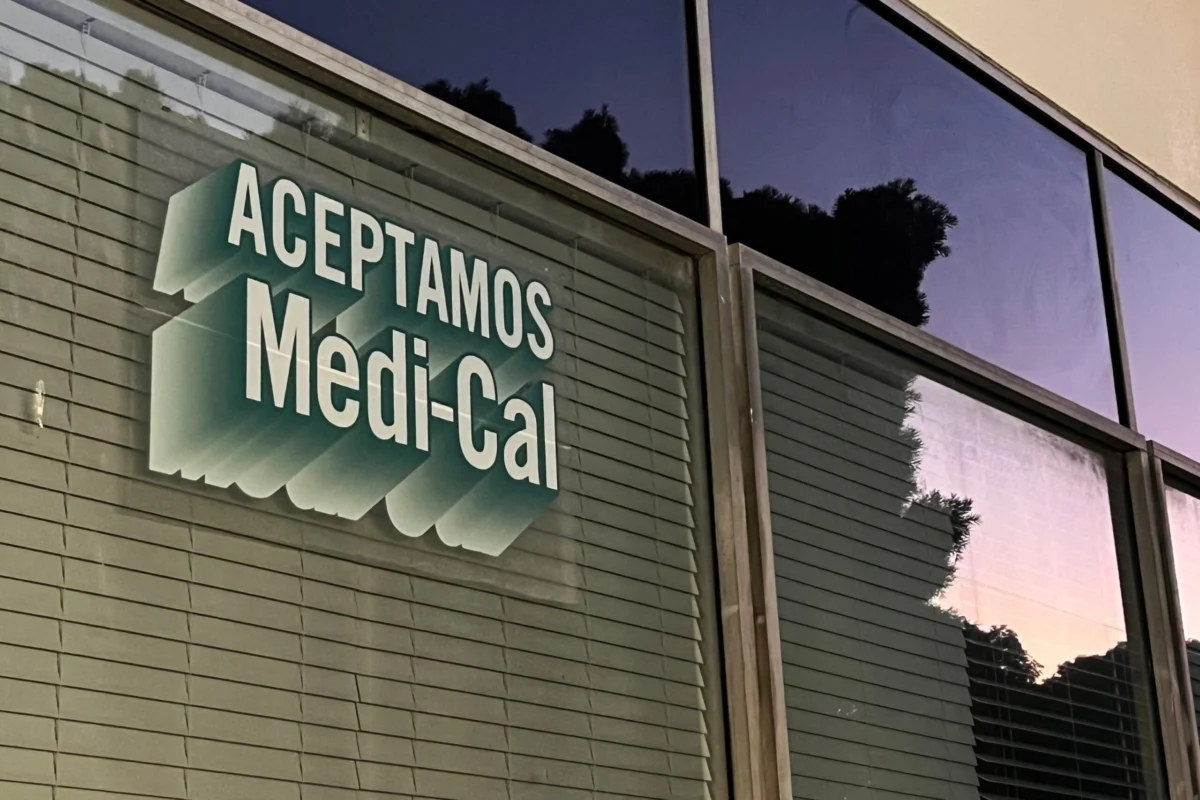
For months, a pervasive atmosphere of apprehension has settled over immigrant communities in San Bernardino, California, significantly impacting the work of community health workers like María González. In a city where nearly a quarter of residents are foreign-born, this climate of fear has created an environment where accessing essential health services has become an increasingly daunting prospect.
The unease began to build over the summer, fueled by a confluence of policy developments and federal actions. News of immigration raids across Southern California, coupled with the Trump administration’s plans to share Medicaid data with Immigration and Customs Enforcement (ICE), and the implementation of state and federal restrictions on immigrant Medicaid eligibility, contributed to a growing sense of vulnerability. The situation was further exacerbated in November with the release of a new "public charge" proposal. If enacted, this proposal could impede certain immigrants’ ability to obtain permanent legal residency if they or their family members have utilized public benefits, including Medicaid.
Many of González’s clients, including U.S. citizen children, still qualify for California’s Medi-Cal program, a vital health coverage provider for over 14 million low-income residents and individuals with disabilities. However, González has observed a disturbing trend: a growing reluctance among these individuals to enroll or renew their coverage. "Many people don’t want to apply," she stated, reflecting the deep-seated anxiety within the community. "There are people who say they don’t even want to go outside and water their plants."
This palpable fear is translating into tangible declines in enrollment. An analysis by KFF Health News revealed that from June to December of the most recent reporting period, nearly 100,000 immigrants without legal status disenrolled from Medi-Cal. This figure represents approximately a quarter of all disenrollments during that timeframe, a disproportionately high number considering this group constitutes only about 11% of Medi-Cal enrollees.
This trend marks a significant reversal from a period of consistent growth in enrollment among immigrants without legal status in California. Prior to July, sign-ups among this demographic had steadily increased each month since the state expanded Medi-Cal eligibility to all low-income residents, regardless of immigration status, in January 2024.
The Unwinding of Pandemic-Era Policies and Shifting Federal Stance
A spokesperson for the California Department of Health Care Services, which oversees Medi-Cal, attributed the enrollment declines primarily to the government’s resumption of eligibility checks that had been suspended during the COVID-19 pandemic. Indeed, overall Medi-Cal enrollment reached its peak in May 2023 and has subsequently decreased by approximately 1.6 million individuals.
However, two researchers, Leonardo Cuello from Georgetown University’s Center for Children and Families and Susan Babey from the UCLA Center for Health Policy Research, challenged this explanation. They pointed out that California and most other states had fully reinstated eligibility checks by mid-2024. Therefore, this standard procedural resumption alone could not account for the precipitous drop in enrollment observed over the past year.
Cuello suggested that legislative changes, specifically the passage of the "One Big Beautiful Bill Act," and executive orders introducing further policy modifications, are the primary drivers behind the current disenrollment surge. These federal actions appear to be creating a climate of uncertainty that outweighs the continuation of routine eligibility reviews.
National Trends and the Chilling Effect of Public Charge Fears
The anxieties observed in San Bernardino are not isolated incidents. A KFF/New York Times survey illuminated a broader national trend: immigrant adults, particularly parents, are increasingly hesitant to utilize government programs that provide assistance with food, housing, or healthcare. This avoidance stems from a desire to prevent drawing attention to their own or a family member’s immigration status, affecting even lawfully present residents and naturalized citizens. Cuello emphasized the particular concern surrounding parental avoidance of these programs, given that approximately one in four children in the U.S. have an immigrant parent, with the majority of these children being U.S.-born citizens.
Cuello hypothesizes that this widespread apprehension could help explain a national enrollment drop of nearly 3% in Medicaid and the Children’s Health Insurance Program (CHIP) during the first ten months of the past year. This national decline included a stark 5.6% decrease in enrollment among children in California, according to data compiled by Georgetown colleagues.
This phenomenon echoes the impact of the first Trump administration, during which the criteria for "public charge" were broadened to include consideration of Medicaid use and food and housing assistance. This policy shift led many citizen children and other household members to forgo Medicaid and other eligible programs. Alarmingly, some continued to avoid these programs even after judicial blocks on implementation and the subsequent rescission of the rule by the Biden administration.
"It caused a high level of confusion," remarked Louise McCarthy, president and CEO of the Community Clinic Association of Los Angeles County, representing approximately 70 health centers in the Los Angeles area. "Community health center staff are still working to undo the effects of the first rule." This suggests a lingering psychological impact and a deep-seated distrust that is difficult to overcome.
The Proposed "Public Charge" Rule: A Projected Fiscal Impact and Human Cost
Currently, an individual’s eligibility for a visa or permanent residency can be negatively impacted by their reliance on cash assistance programs or long-term, government-funded institutionalized care. However, the Trump administration’s proposed rule significantly expands this scope. Under the proposed changes, the use of Medicaid and other non-cash public benefit programs could be factored into the determination of whether an immigrant is likely to become dependent on the government. Furthermore, immigration officers would be granted greater discretion in labeling individuals as a "public charge."
The Department of Homeland Security (DHS) asserts that these modifications are necessary to enhance the agency’s ability to assess an immigrant’s risk of becoming reliant on government resources, arguing that current rules impede this function. A public comment period for the proposal concluded in December. DHS did not respond to inquiries regarding the timeline for a final decision on the rule. The proposal states that the changes would "align with long-standing policy that aliens in the United States should be self-reliant and government benefits should not incentivize immigration."
The agency projected that these changes could result in substantial annual savings for federal and state governments, estimated at nearly $9 billion, by incentivizing individuals to disenroll from or forgo enrollment in public benefit programs.
A KFF analysis of the proposed rule, however, paints a starkly different picture of the potential consequences. It estimated that the rule could lead to between 1.3 million and 4 million individuals disenrolling from Medicaid or CHIP. Critically, this includes a significant number of U.S. citizen children, with estimates ranging from nearly 600,000 to approximately 1.8 million children.
Benyamin Chao, supervising health and public benefits policy manager at the California Immigrant Policy Center, condemned the proposal, stating, "It’s clearly being weaponized to create fear and anxiety." He characterized the proposal as part of an "assault on lawfully present immigrants and U.S. citizens who are family members, and just the general community."
The ripple effects of public charge fears are expected to extend beyond healthcare, potentially decreasing enrollment in anti-hunger programs like the Supplemental Nutrition Assistance Program (SNAP), known in California as CalFresh. Mark Lowry, who leads the Orange County Food Bank, expressed grave concern that this trend, coupled with disenrollments related to the "One Big Beautiful Bill Act," could overwhelm food pantries. He noted that federal nutrition programs constitute the vast majority of food aid, and the emergency food system lacks the capacity to absorb such a surge in demand. "There’s no way that the emergency food system has the capacity or resources to address those needs," he stated.
Resilience Amidst Uncertainty: Some Remain Engaged
Despite the pervasive fear and declining enrollment trends, there are pockets of resilience and continued engagement. Juana Zaragoza manages a program in Oxnard that assists predominantly Indigenous Mexican farmworkers in enrolling in Medi-Cal. She reported that overall enrollment and reenrollment rates have remained steady in recent months. Zaragoza indicated that neither she nor the community members she serves are widely aware of the public charge proposal.
For many in this community, the immediate need for healthcare often outweighs the potential long-term implications of immigration policies. "We encounter a lot of people who are balancing: what benefits me now and what benefits me later," Zaragoza explained. "Some just want to cover their needs in the moment." This pragmatic approach highlights the immediate pressures and life-saving necessity that Medi-Cal provides for vulnerable populations.
The confluence of policy changes, federal actions, and the lingering impact of past regulations has created a complex and anxiety-ridden environment for immigrant communities. The long-term health and economic implications of these trends, particularly for U.S. citizen children and the broader public health infrastructure, remain a significant concern. As the nation awaits a final decision on the proposed public charge rule, the chilling effect on access to essential services continues to cast a long shadow.

