
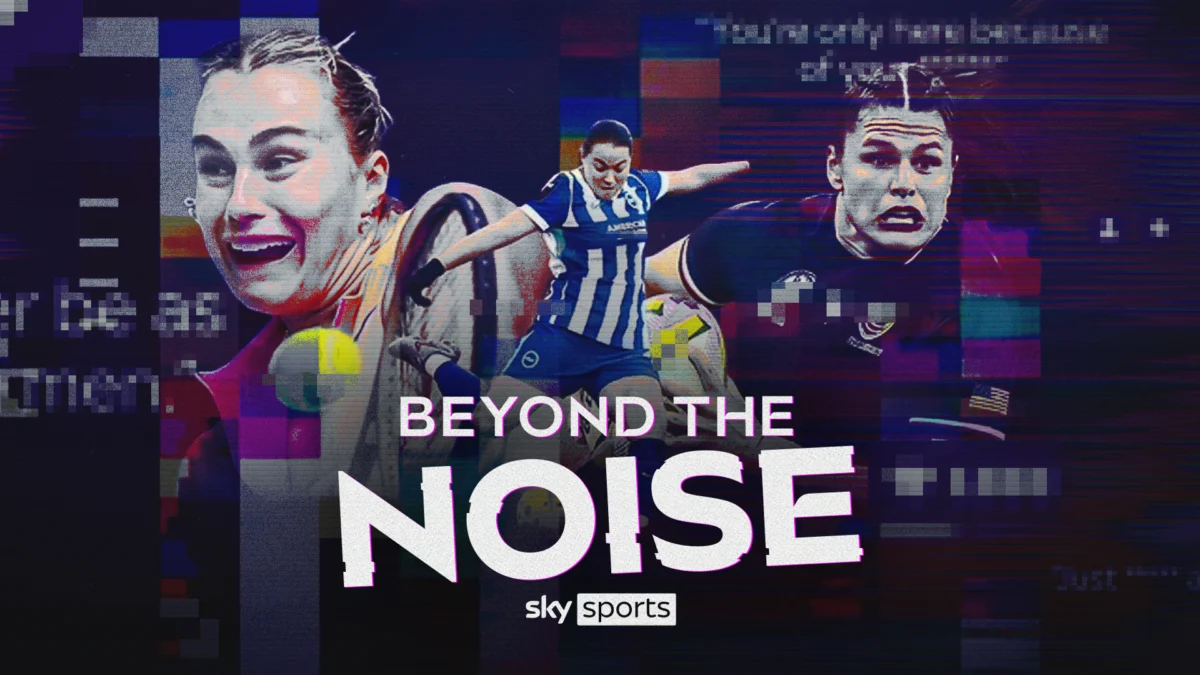
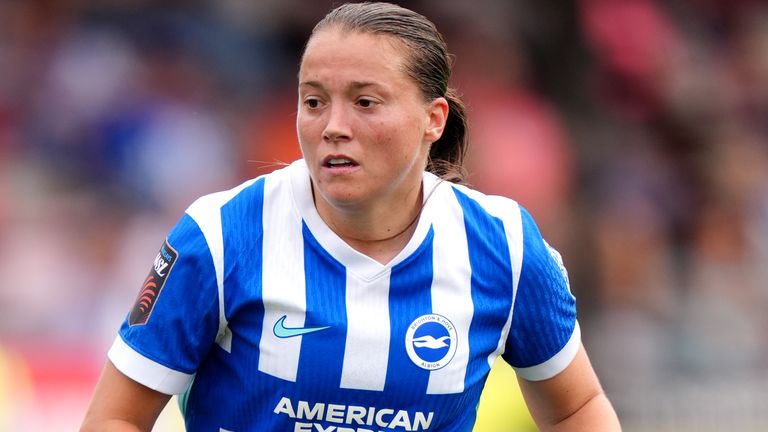
The rapid professionalization and skyrocketing visibility of women’s sports have brought unprecedented opportunities for female athletes, yet this golden era has also exposed a persistent and corrosive undercurrent of scrutiny regarding body image. From the pitch to the court, elite competitors are increasingly speaking out against the dual pressures of maintaining peak physical performance while navigating the often-toxic expectations of social media and traditional media editorial choices. Leading this charge is Brighton and Hove Albion’s Fran Kirby, a veteran of the English game whose career has become a testament to both athletic excellence and the necessity of mental health advocacy.
Kirby, now 32, has transitioned from her illustrious, title-laden tenure at Chelsea to a senior leadership role at Brighton. Her journey, however, has been marked by significant hurdles that extend far beyond the white lines of the football pitch. A cornerstone of England’s 2022 European Championship-winning squad, Kirby has earned 77 international caps and 14 domestic titles. Despite these accolades, she has frequently been the target of commentary regarding her physique—a phenomenon she now addresses with the authority of an athlete who has navigated the heights of success and the depths of personal struggle, including battles with depression, anxiety, and burnout.
The Cultural Shift in Women’s Football
The conversation surrounding body image in women’s football reached a tipping point in late 2023. Upon returning to training with Chelsea following a grueling recovery from a serious knee injury that sidelined her for the 2023 World Cup, Kirby was featured in a club documentary. In a candid moment that resonated across the sporting world, she was asked why she was wearing a jacket during a session. Her response—"Because I get called ‘fat’ all the time"—sparked a national debate about the treatment of female athletes.
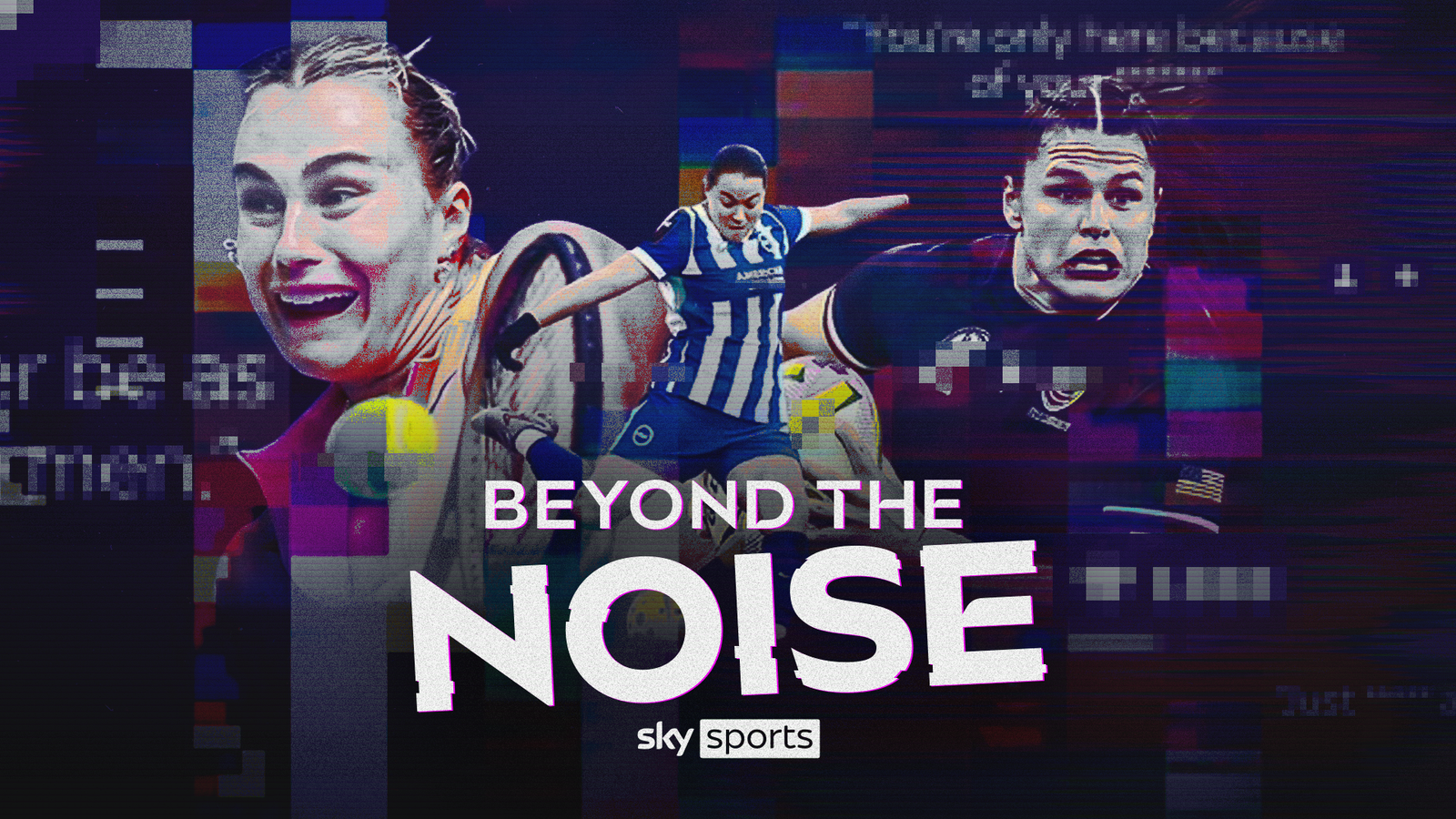
This incident highlighted a stark reality: even at the pinnacle of professional sport, female athletes are subjected to aesthetic judgments that their male counterparts rarely face. Emma Hayes, Kirby’s former manager at Chelsea and current head coach of the United States Women’s National Team, defended Kirby’s transparency, noting that the media and the public often ignore the deep-seated insecurities that body shaming can trigger. Hayes emphasized that the industry has a collective responsibility to move away from judging women based on their appearance rather than their output as elite performers.
Kirby has since advocated for a more nuanced approach to media representation. She points to the "clickbait" nature of certain editorial decisions, where specific camera angles or photographs are selected to elicit a reaction or provoke comments about an athlete’s body type. "I might do the same weights as someone else, but we are going to have completely different body types and that’s OK," Kirby told Sky Sports, stressing that the diversity of athletic frames is a sign of specialized fitness, not a lack of discipline.
Rugby’s Battle with Perception and Dysmorphia
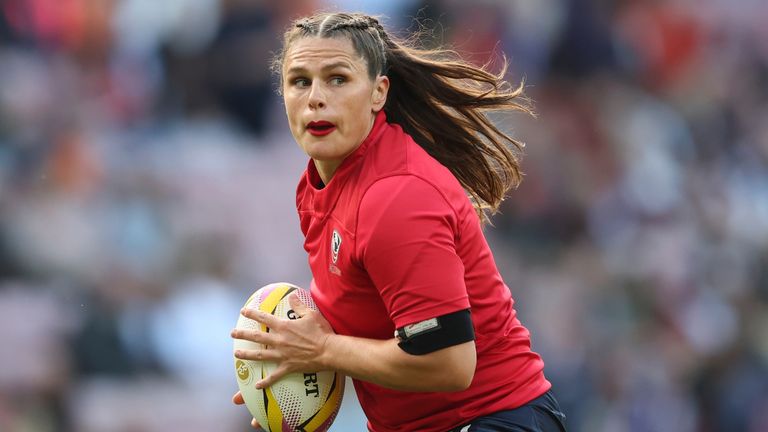
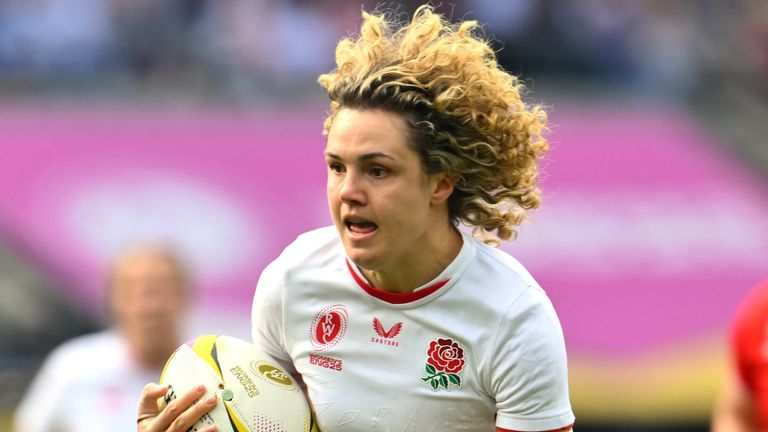
The struggle for body positivity is not confined to football. In the high-impact world of rugby, athletes like Ilona Maher and Ellie Kildunne are dismantling stereotypes about what a female athlete "should" look like. Maher, a viral sensation with over five million Instagram followers and a 2024 Olympic bronze medalist with the USA Sevens team, has utilized her platform to confront trolls directly. When a commenter suggested she "looked pregnant" in a dress, Maher’s rebuttal was swift and educational, framing her physique as a "normal woman’s body" and a "professional athlete’s body" simultaneously.
Maher’s advocacy is particularly vital because it acknowledges vulnerability. She has been open about her own moments of self-doubt, admitting to her followers that even she occasionally worries if her shoulders are "too big" or "too much." By sharing these internal dialogues, Maher humanizes the elite athlete experience, making body positivity an active, daily practice rather than a static state of mind.
Conversely, England’s Ellie Kildunne has provided a harrowing look at the internal consequences of these pressures. In her autobiography, Game Changer, Kildunne detailed her battle with body dysmorphia and disordered eating, which intensified during the COVID-19 lockdowns. Isolated from the structured environment of team physios and nutritionists, Kildunne fell into a cycle of compensatory exercise. The "rugby paradox"—where an athlete might be considered small within the context of a powerful sport but "big" by societal standards—created a psychological vacuum. "I would have been small but I would see myself as bigger in the mirror," Kildunne reflected, illustrating the profound disconnect between physical reality and mental perception.
The Tennis Paradox: Aggression vs. Social Identity
In the world of professional tennis, World No. 1 Aryna Sabalenka faces a different facet of the body and image struggle. Sabalenka, a four-time Grand Slam champion, has often been criticized for her active social media presence, with detractors suggesting it distracts from her game. However, Sabalenka views her digital footprint as a necessary tool for humanization. On the court, she is known for her immense power and an "aggressive" persona that she admits she sometimes finds difficult to watch herself.
The toxicity of online spaces, however, remains a significant barrier. Despite her success, Sabalenka has noted that the volume of negative comments often outweighs the positive, leading her to question the value of engaging with fans online. This tension highlights the "double-bind" for female athletes: they are encouraged to build "personal brands" to secure sponsorships and fan engagement, yet they are punished with vitriol the moment they step outside the narrow confines of traditional athletic behavior or appearance.
The Evolution of Performance Nutrition
To combat these systemic issues, sporting organizations are beginning to prioritize female-specific research and nutrition. Historically, sports science has suffered from a significant gender gap, with the vast majority of studies conducted on male subjects. This "male-as-default" approach often led to training and fueling protocols that were ill-suited for the female endocrine system and metabolism.
In December 2023, the Women’s Super League (WSL), in partnership with The Well HQ and supported by Subway, launched groundbreaking guidance on "female-focused fueling." This initiative seeks to empower players to understand that high-performance output requires significant caloric intake, moving away from the "lean at all costs" mentality that has historically plagued women’s athletics.
Andy Hudson, Head of Performance Support for the WSL, noted that these guidelines are essential for creating elite environments. The goal is to educate players on how carbohydrates and proteins facilitate 90 minutes of high-intensity play and, more importantly, the recovery required to sustain a professional career. Fran Kirby noted that in the early stages of her career, much of the nutritional advice was simply "copy-pasted" from the men’s game. The shift toward having dedicated nutritionists in women’s sport is a critical step in ensuring players do not under-fuel out of fear of "looking heavy" in their kits.
Data and Guidelines: A New Standard
The National Health Service (NHS) provides general guidelines stating that the average woman needs approximately 2,000 kcal per day, while the average man needs 2,500 kcal. However, for elite athletes like Kirby, Maher, or Kildunne, these numbers are vastly inadequate. Depending on the phase of the season and the intensity of training, a female professional footballer or rugby player may require between 3,000 and 4,000 calories to maintain muscle mass and prevent Relative Energy Deficiency in Sport (RED-S)—a condition that can lead to bone density loss, menstrual dysfunction, and decreased immunity.
The broader societal impact of this shift is profound. By normalizing "fueling for performance" rather than "eating for aesthetics," sports organizations are providing a healthier blueprint for young girls entering the sport. The message is becoming clearer: the value of an athlete is found in their capability, their resilience, and their performance, not in how they fill out a jersey.
Broader Implications and the Path Forward
The collective voices of Kirby, Maher, Kildunne, and Sabalenka represent a turning point in the history of women’s sports. Their willingness to speak about taboos—mental health, dysmorphia, and online abuse—is creating a safer environment for the next generation. However, the responsibility does not rest solely on the athletes.
Media outlets are being called to re-evaluate their editorial standards, moving away from "clickbait" imagery that exploits body types. Governing bodies are being urged to invest more in female-specific medical and nutritional research. And social media platforms continue to face pressure to better protect high-profile women from targeted harassment.
As Fran Kirby enters the later stages of her career at Brighton, her focus has shifted to mentorship. She aims to ensure that the younger players in her squad feel confident enough to ignore the external noise and trust their bodies. "As long as you’re performing, as long as you’re playing well, it shouldn’t matter how you look," Kirby asserts. It is a simple sentiment, yet in the complex, high-stakes world of modern sport, it remains a revolutionary one. The transformation of women’s sports will not be measured only by attendance records or TV deals, but by the degree to which its athletes feel safe, supported, and valued for their extraordinary physical feats rather than their adherence to an aesthetic ideal.

