

Mikiah Roberson, a graduate student in the University of Maryland Global Campus’s digital forensics and cyber investigation program, entered the summer semester with a clear financial plan. As a disabled veteran, her tuition was covered, but she relied on a federal student loan disbursement of $6,700—expected between May 27 and June 3—to bridge the gap for rent, car payments, and essential living expenses. When June 3 arrived, the funds did not. As the weeks stretched into over a month, Roberson found herself trapped in a bureaucratic nightmare, balancing the rigors of an intensive eight-week academic program against the encroaching threat of eviction and utility shutoffs. Her experience is not an isolated incident but rather a symptom of a systemic collapse in federal student aid administration that has left thousands of students across the nation in a state of financial precarity.
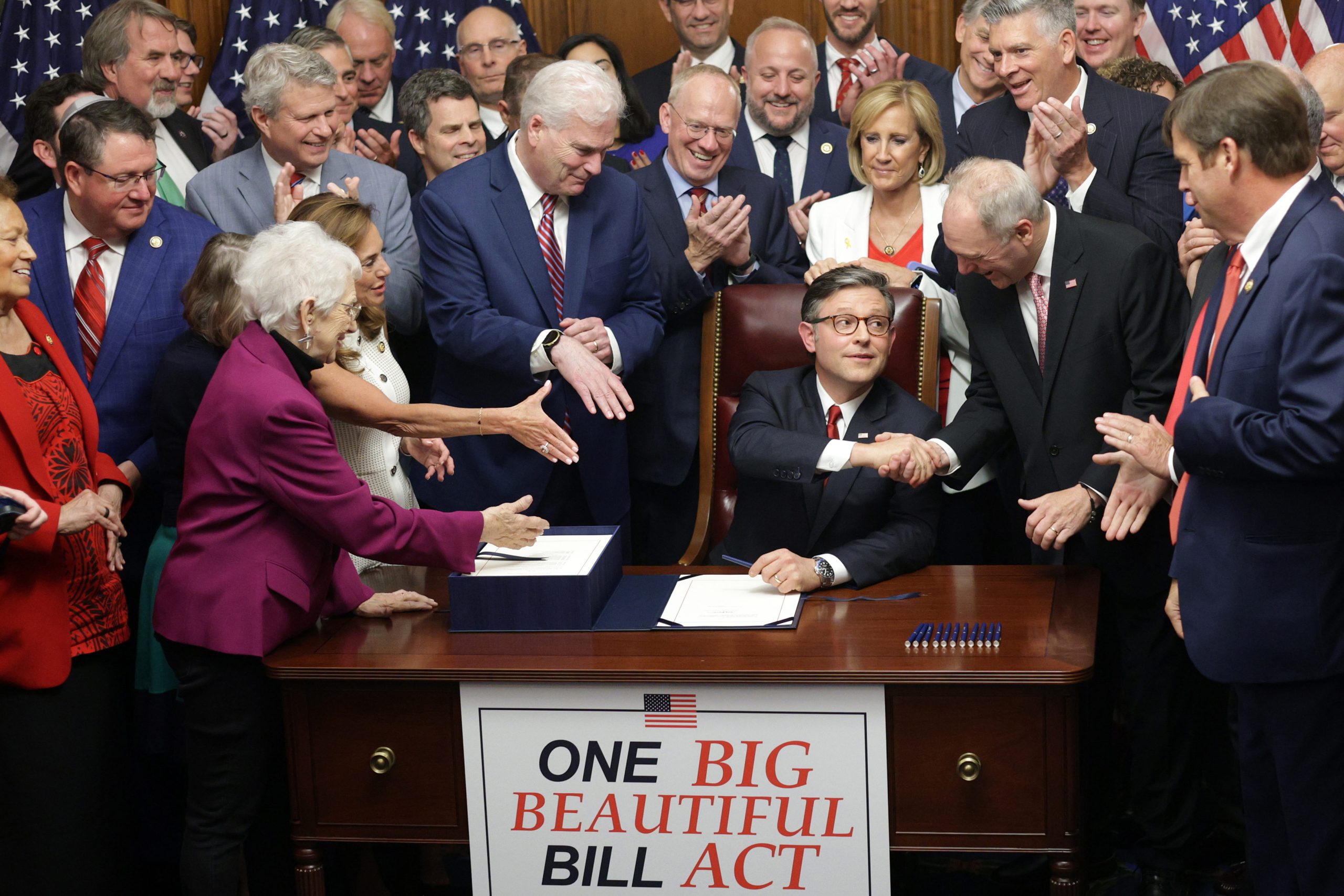
The root of this crisis lies in the implementation of the One Big Beautiful Bill Act, signed into law by President Donald Trump on July 4, 2025. This sweeping legislation introduced a series of aggressive reforms to the federal student loan landscape, including the elimination of the Graduate PLUS loan program, new lifetime borrowing caps, and lowered limits on aggregate debt for graduate students. Crucially, the bill mandated that beginning in the 2026-27 academic year, institutions must prorate loan amounts based on a student’s credit load. However, the compressed timeline for these changes has forced colleges and universities to overhaul their administrative systems under intense pressure, often resulting in widespread disbursement delays.
A Chronology of Institutional Failure
The disconnect between legislative intent and operational reality began almost immediately following the passage of the One Big Beautiful Bill Act. According to the Higher Education Act, the Department of Education is typically bound by a "master calendar" that requires the rulemaking process to commence 18 months prior to the academic year, with final rules issued by November of the preceding year. This lead time allows universities to configure their financial aid software, train staff, and provide clear communication to students.
Because the 2025 act carried an aggressive July 1, 2026, effective date, the Department of Education was forced to truncate the standard implementation timeline. Formal guidance regarding the proration of loans for part-time students was not issued until early August 2026, merely weeks before the start of the fall term. By this time, many software vendors responsible for managing university financial aid portals had not yet fully updated their systems to comply with the new federal mandates. This left financial aid administrators in the untenable position of either delaying disbursements or attempting to process aid manually—a process prone to human error and significant backlogs.
The Human and Economic Toll
The consequences of these delays extend far beyond simple administrative frustration. For students like Roberson, who live on thin financial margins, a six-week delay in federal aid is equivalent to a total loss of income. Roberson reported that she was forced to reach out to family members for emergency loans, only to find herself unable to repay them because the federal government could not provide a reliable timeline for when her own money would arrive.
The emotional toll has been significant. "It had a major impact on my mental and emotional health," Roberson stated. "Just constantly stressing out whether an eviction notice would be coming, if my lights would be turned off, if my car would be repossessed."
Data from the Hope Center for College, Community, and Justice highlights that nearly 60 percent of students already experience some form of housing or food insecurity. When aid is delayed, these students have no legal recourse against their institutions or the federal government, effectively forcing them to absorb the costs of late fees for rent and other essentials. One graduate student at National University, who requested anonymity for fear of retaliation, reported paying $200 in late fees over two months because her $5,000 disbursement did not arrive until mid-July.
Conflicting Narratives and Official Responses
The blame game between the Department of Education and higher education institutions has intensified as the fall semester progresses. Ellen Keast, a spokesperson for the Department of Education, defended the agency’s performance, arguing that the department operated within the statutory constraints imposed by Congress. "Congress gave the Department less than a year to implement these changes," Keast said, adding that the department released final rules in May, which she characterized as sufficient time for schools to prepare. She suggested that if institutions waited until the final rules were issued to begin their preparations, that was a strategic decision made by the schools themselves.
Conversely, industry experts and university administrators argue that the department failed to provide the necessary clarity. Sarah Austin, a policy analyst at the National Association of Student Financial Aid Administrators (NASFAA), noted that as of August, major software vendors were still struggling to reconcile the department’s conflicting guidance. "We ended up seeing a lot of last-minute changes, and not enough guidance," noted Mark Kantrowitz, a noted expert in student loan policy. "The reason why we have a master calendar provision is it is difficult for colleges to adapt to new regulations when there’s not enough time."

On the legislative side, Representative Tim Walberg, chairman of the House Committee on Education and Workforce, has stood by the legislation. In a statement, he characterized the One Big Beautiful Bill Act as a necessary overhaul of a "broken system" and praised the Department of Education’s efforts to implement the reforms. "Delaying needed reforms would have negative consequences for students and taxpayers," Walberg maintained.
Broader Implications for Higher Education
The systemic disruption is not expected to dissipate as the fall semester gains momentum. Nick Prewett, president of the Eastern Association of Financial Aid Administrators, warns that the issues seen with summer disbursements are likely to be mirrored on a larger scale throughout the autumn. "I think we’re going to see some delays in aid getting out to students," Prewett said. "And I think you’re going to hear that kind of message across the country that students, particularly graduate students, are waiting."
The reliance on manual processing, combined with the new proration requirements, creates a bottleneck that universities are ill-equipped to clear. Furthermore, the lack of a standardized communication strategy means that students often receive contradictory information when they reach out to their university financial aid offices versus the federal student aid help lines.
For many, the uncertainty is forcing life-altering decisions. Roberson, who finally received her summer funds in mid-July, is now bracing for the September disbursement. Fearing another delay, she has taken on work as a delivery driver for Amazon, despite the chronic back pain caused by her service-connected disability. "I’m nervous because I don’t know if we’re going to hit this situation again," she said. "It’s very nerve-racking just trying to prepare ahead of time for if an issue arises, which is unfair when you’re trying to focus on class."
As the higher education sector continues to grapple with the aftermath of the One Big Beautiful Bill Act, the primary concern remains the students. For the roughly 13 million individuals who rely on federal financial aid annually, the government’s attempt to streamline and restrict the student loan system has resulted in an infrastructure breakdown that threatens the very accessibility of education. Without a concerted effort by the Department of Education to harmonize its guidance and provide more robust support to financial aid offices, the cycle of uncertainty, financial distress, and academic burnout is likely to persist, undermining the stability of the entire post-secondary landscape. The challenge moving forward will be to reconcile the federal government’s desire for fiscal reform with the practical, daily realities of students who are one disbursement away from financial collapse.

