

Service learning has evolved from a peripheral extracurricular activity into a cornerstone of contemporary educational pedagogy. By integrating meaningful community service with instruction and reflection, this pedagogical approach enriches the learning experience, teaches civic responsibility, and strengthens communities. Recent educational data indicates that students who participate in structured service learning projects demonstrate significant gains in academic achievement, interpersonal communication skills, and emotional intelligence compared to peers who do not engage in such activities.
The rise of service learning is deeply rooted in the historical evolution of experiential education. Since the late 20th century, educators have moved away from passive lecture-based models toward active, inquiry-based learning. In the 1990s, the passage of the National and Community Service Trust Act in the United States provided a legislative framework that encouraged schools to integrate service-learning components into their curricula. This shift recognized that when students apply classroom concepts—such as biology, geometry, or civics—to real-world problems, the retention of information increases and the relevance of the curriculum becomes immediately apparent.

Environmental Stewardship and Citizen Science Initiatives
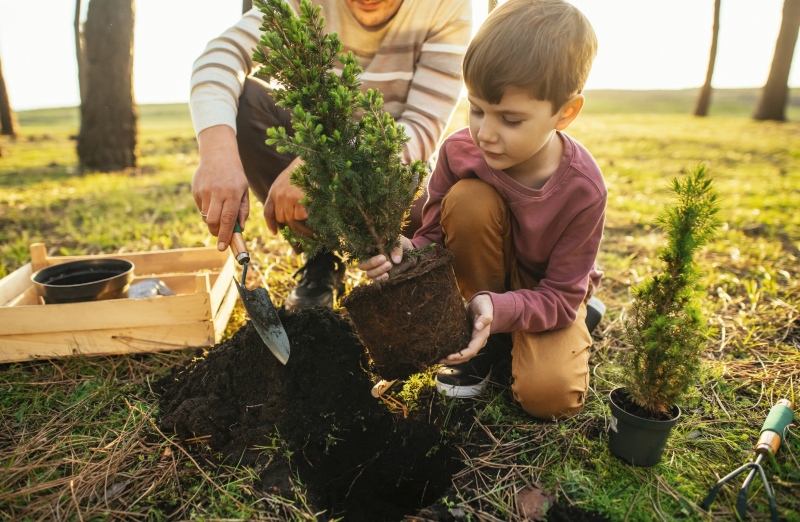
Environmental education represents one of the most accessible and high-impact categories of service learning. The modern environmental crisis, characterized by climate change and biodiversity loss, has provided a focal point for student-led action.
One of the most effective initiatives is the adoption of the Arbor Day Foundation’s Tree Campus K-12 program. This initiative does more than beautify school grounds; it provides students with a tangible way to mitigate urban heat islands and sequester carbon. By participating in these programs, schools are effectively turning their campuses into living laboratories where students study dendrology, soil health, and the ecological benefits of reforestation.
Furthermore, the integration of citizen science allows students to contribute to professional-grade research. Projects such as the installation of milkweed waystations for monarch butterflies or monitoring migratory patterns through Journey North provide students with the opportunity to collect and submit data to national databases. According to the National Science Foundation, youth-led citizen science projects have significantly bolstered the longitudinal data available to researchers studying pollinator decline.

Educational Infrastructure and Peer Mentoring Models
Within the school environment, service learning frequently focuses on internal improvement and peer-to-peer support. Educational researchers have noted that students who participate in peer mentoring or tutoring programs experience improved self-efficacy and a deeper understanding of their own subject mastery.
The implementation of school-wide recycling programs or the creation of community gardens offers practical applications for environmental science and nutrition curricula. When students are tasked with managing a school garden, they are required to engage in complex problem-solving, including irrigation planning, crop rotation, and soil chemistry. These projects demonstrate to students that their actions have direct consequences on the nutritional health of their local community, thereby bridging the gap between theoretical knowledge and practical application.
Anti-bullying initiatives, when led by students rather than administration, have also shown higher efficacy rates. By empowering "upstanders"—students who actively intervene or report instances of harassment—schools foster a culture of safety. Data from various school climate surveys suggest that peer-led intervention programs reduce bullying incidents by up to 25% compared to top-down disciplinary measures.
Health, Wellness, and Social Support Systems
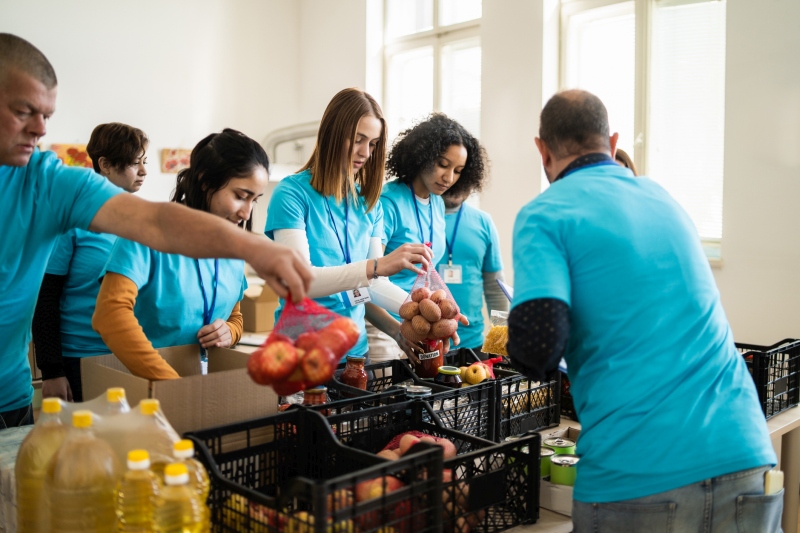
Service learning in the health and wellness sector provides students with critical exposure to the realities of food insecurity, medical challenges, and social inequity. Organizations such as Feeding America and St. Jude Children’s Research Hospital have developed structured volunteer models that allow schools to participate in meaningful, safe, and impactful ways.
The "Empty Bowls" project is a quintessential example of interdisciplinary service learning. By crafting ceramic bowls, students engage in an art-based curriculum while simultaneously addressing the practical logistics of fundraising for local food pantries. This approach requires students to manage inventory, coordinate event logistics, and engage in community outreach, providing a robust business and social studies experience.
Hygiene drives, which focus on the collection of essential items such as soap, toothpaste, and feminine products, address the "hidden" needs of vulnerable populations. According to recent reports by the U.S. Department of Health and Human Services, food stamps do not cover essential non-food items, making these student-led drives a vital lifeline for low-income families.
Community Advocacy and Global Citizenship
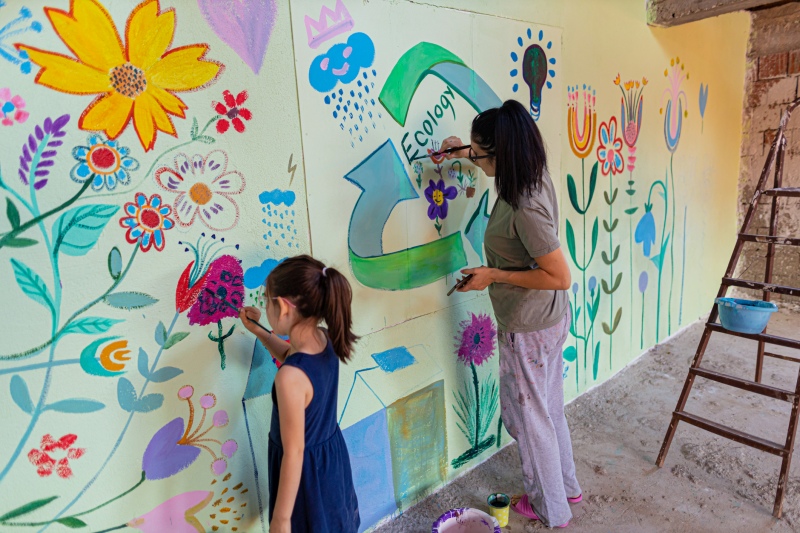
The scope of service learning often extends to global issues, such as the refugee crisis and the lack of access to clean water. Projects like the "Walk for Water," facilitated by organizations like H2O for Life, provide students with a physical representation of the challenges faced by populations in developing nations. By carrying a gallon of water during a 5K event, students experience a simulation of the physical labor required for daily survival in regions without modern infrastructure.
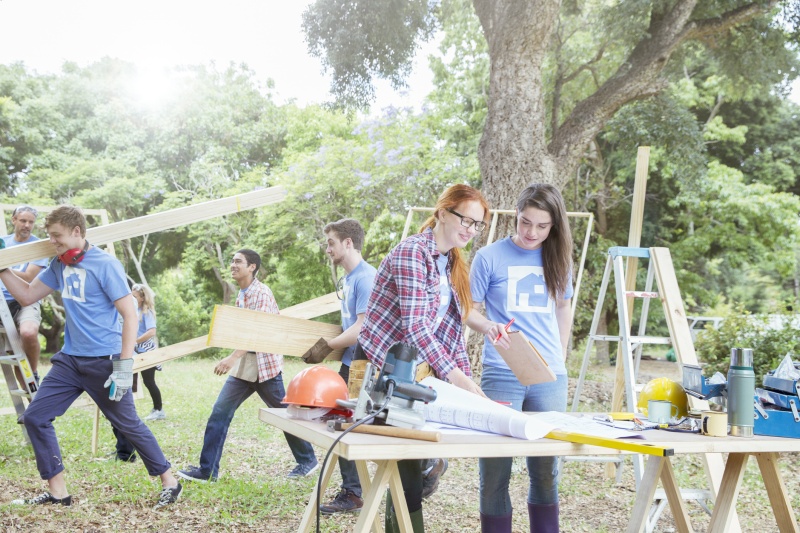
Habitat for Humanity’s youth programs offer perhaps the most direct impact on community development. By allowing students to participate in the construction or renovation of local homes, these programs teach fundamental trade skills and instill a profound sense of ownership in the community. Building a home provides students with a lifelong lesson in the value of shelter, cooperation, and the long-term impact of community investment.
Analysis of Pedagogical Implications
The broader implications of integrating service learning into the academic calendar are profound. Academically, students who engage in these projects show higher performance in standardized testing, likely due to the increased engagement levels that accompany active learning. Socially, these projects serve as a corrective to the growing trend of digital isolation, forcing students to interact face-to-face with community members, mentors, and peers.
However, for service learning to be effective, it must be supported by rigorous reflection. Educators emphasize that service without reflection is merely labor. By requiring students to document their activities—such as through the use of standardized service logs—and participate in debriefing sessions, teachers ensure that the experience is intellectually rigorous.
Challenges and Future Trajectories
Despite the clear benefits, schools face logistical hurdles in implementing these programs, including liability concerns, transportation costs, and the pressure of meeting standardized testing benchmarks. To address these, many schools are moving toward "embedded" service learning, where the service component is a mandatory part of a specific course, such as biology or government, rather than an additional after-school burden.
As education systems continue to shift toward preparing students for a rapidly changing workforce, the skills fostered by service learning—critical thinking, collaboration, empathy, and project management—are becoming increasingly prioritized. The future of the movement lies in scaling these local projects to connect with global networks, allowing students to see themselves not just as members of a school, but as active participants in a global society.
By providing the necessary tools, such as tracking templates and curriculum-aligned lesson plans, educational institutions can ensure that service learning remains a sustainable, high-impact practice. As the body of evidence supporting this model grows, it is expected that more state departments of education will move toward formalizing service learning requirements, ensuring that every student has the opportunity to bridge the gap between their education and the needs of their community.

