
The hierarchy of the creator economy has long been defined by a clear divide: short-form entertainment for viral reach on platforms like TikTok and Instagram, and long-form monetization for financial sustainability on YouTube. However, a significant strategic pivot from Meta’s Instagram is poised to disrupt this status quo. The platform recently announced the testing of "Features," a new video format allowing creators to upload content up to 90 minutes in length. This move represents a dramatic reversal for the social media giant, which had previously spent years aggressively prioritizing the bite-sized, vertical video format that has dominated internet culture since the start of the decade.
The pivot toward long-form content is not merely a feature update; it is an attempt to capture the lucrative creator-economy market share currently dominated by YouTube. For years, creators have treated Instagram as a marketing funnel—a place to tease content and build an audience—while relying on YouTube’s Partner Program for their primary income. With this latest initiative, Instagram is signaling a long-term commitment to keeping creators and their audiences within the Meta ecosystem for the entirety of the viewing experience.
A History of Strategic Shifts in Social Video
To understand the weight of this announcement, one must look at the historical trajectory of video on Instagram. The platform’s relationship with long-form content has been fraught with experimentation and retraction. In 2018, Meta launched IGTV, an ambitious, standalone app and tab within Instagram designed specifically for long-form, vertical video. The venture was widely considered a failure, as users failed to migrate their viewing habits away from the core feed, leading to its eventual sunsetting.
Following the failure of IGTV, Instagram pivoted hard toward "Reels," a direct competitor to TikTok. This strategy proved successful in terms of engagement and daily active users, but it failed to solve the fundamental problem of creator monetization. Unlike YouTube, which has spent nearly two decades refining an advertising-revenue-sharing model, Instagram’s monetization tools—such as subscriptions and brand-sponsored content—have remained fragmented and difficult to scale.
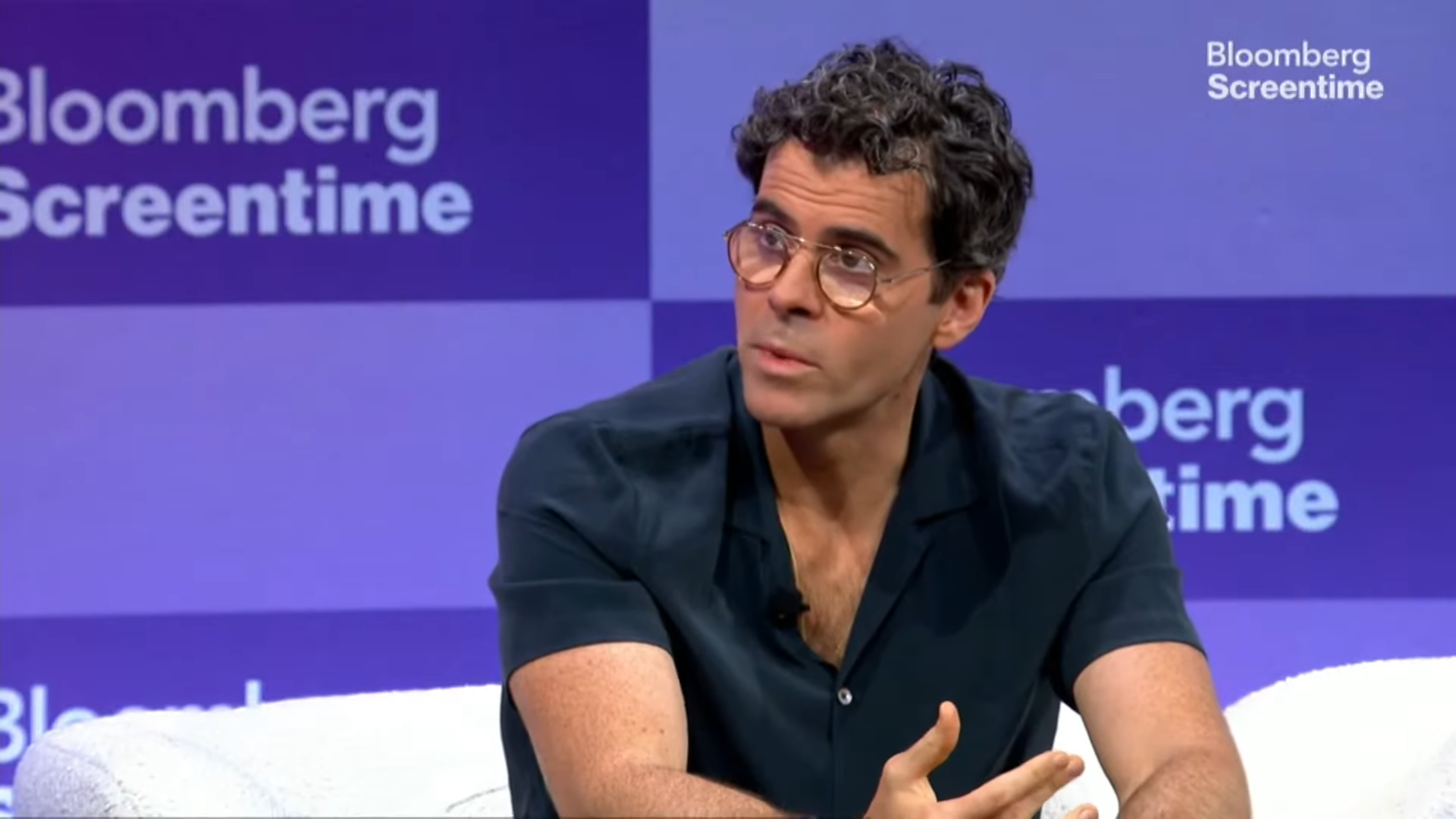
The current move to test "Features" arrives after years of internal debate. Instagram head Adam Mosseri, who once famously opposed the expansion into long-form content, has shifted his stance, influenced by product leadership that emphasizes the need for depth in creator-audience relationships. By integrating 90-minute uploads, Instagram is effectively admitting that short-form content, while essential for discovery, is insufficient for building a lasting business model for the professional creator class.
The Monetization Gap: YouTube vs. The Field
The primary catalyst for this shift is the massive financial disparity between the platforms. YouTube’s business model is built on the bedrock of the YouTube Partner Program, which shares 55% of advertising revenue with creators. In a testament to the scale of this model, Alphabet reported that YouTube paid out over $100 billion to creators, artists, and media companies over a four-year period ending in 2025.
For the average creator, the math is simple: YouTube provides a reliable, performance-based income stream. Instagram, by contrast, has struggled to implement a sustainable per-view payout system. During a recent appearance on the Colin and Samir Show, Adam Mosseri was candid about these challenges. He noted that while Instagram facilitates payments through brand deals and fan subscriptions, its own performance-based incentive programs have been difficult to sustain. "We spend more money than we make back by a long shot," Mosseri stated, explaining that the company has been reluctant to scale these programs because doing so would simply involve "burning capital" without a clear path to profitability for the platform itself.
This fiscal constraint has left Instagram in a precarious position. Creators often use the platform as a promotional arm for their YouTube channels, effectively subsidizing their Instagram presence with revenue earned elsewhere. By introducing long-form video, Meta is hoping to create an environment where ads can be placed more effectively, potentially paving the way for a more competitive, YouTube-style revenue-sharing program in the future.

Implementation and the "Symbiotic" Ecosystem
The rollout of "Features" is accompanied by a suite of tools intended to bridge the gap between discovery and consumption. The most notable of these is "Clips as Reels," a feature that allows creators to slice segments from their 90-minute videos to create short-form Reels. These Reels then serve as discovery hooks, with built-in links that guide viewers to the full-length video.
Furthermore, the platform is looking beyond the smartphone. Recognizing that long-form content is often consumed on larger screens, Instagram is optimizing the experience for its TV app. This suggests that Meta is positioning Instagram not just as a mobile social feed, but as a potential destination for streaming entertainment. The strategy is to create a "symbiotic" relationship between short and long formats, where the short-form content drives traffic and the long-form content provides the value that sustains the creator’s business.
The test is currently limited to Brazil and select users in the United States, indicating a cautious, data-driven approach to a feature that could significantly alter the platform’s infrastructure. Additional efforts, such as an improved hub for episodic content—which mirrors the playlist functionality of TikTok and the series features of YouTube—further underscore the intent to professionalize the creator experience on Instagram.
Implications for the Creator Economy
The implications of this shift are profound for the broader creator economy. If Instagram successfully develops a robust monetization layer for long-form video, it could trigger a "platform war" for top-tier talent. Creators have historically been tethered to YouTube by necessity; if they are given a viable alternative that allows them to monetize their existing Instagram followings without the need to drive traffic off-platform, the landscape could shift significantly.
However, skepticism remains. The transition from short-form discovery to long-form engagement is notoriously difficult. Algorithms that excel at pushing 30-second clips to massive, disparate audiences are not necessarily optimized for retaining users for 90-minute segments. The "discovery" aspect of the app remains centered on the feed, and it is unclear whether the Instagram user base—accustomed to rapid-fire, scroll-based consumption—will adapt to long-form viewing.
Furthermore, advertisers will need to be convinced that the environment is conducive to the kind of high-CPM (cost per mille) advertising found on YouTube. YouTube’s advantage lies in the intent-based nature of its search and the quality of its audience, which is often searching for specific content. Instagram remains a discovery-first platform, and shifting that paradigm to a lean-back, long-form viewing experience will require a significant overhaul of both user expectations and advertising technology.
A Cautious Outlook
When asked about the long-term monetization model, a Meta spokesperson offered a measured response, stating, "It’s too early to share a long-term monetization model, but we’re exploring ways for creators to earn from brands, fans, and Instagram, including performance-based incentives." While this response lacks the concrete details that creators might hope for, it is a significant departure from the company’s previous silence on the matter. It acknowledges that the current model is incomplete and that the company is actively working toward a solution that could eventually rival the YouTube Partner Program.
Ultimately, the success of this initiative will depend on Meta’s ability to balance its core identity as a discovery platform with its new ambitions as a long-form content host. If they can solve the monetization puzzle, Instagram may well transition from being a promotional tool for creators to becoming their primary home. If they fail, "Features" risks becoming another footnote in the history of social media, alongside the defunct IGTV.
For the time being, the industry is watching closely. The move represents a rare moment where a legacy platform is aggressively attempting to re-enter a space it once abandoned. For creators, the prospect of a more diverse monetization landscape is a positive development, even if the path to profitability remains, for now, a work in progress. The evolution of Instagram from a photo-sharing app to a comprehensive video entertainment platform is far from complete, but with this latest announcement, the company has signaled that it is no longer content to let YouTube hold the keys to the creator economy.

