
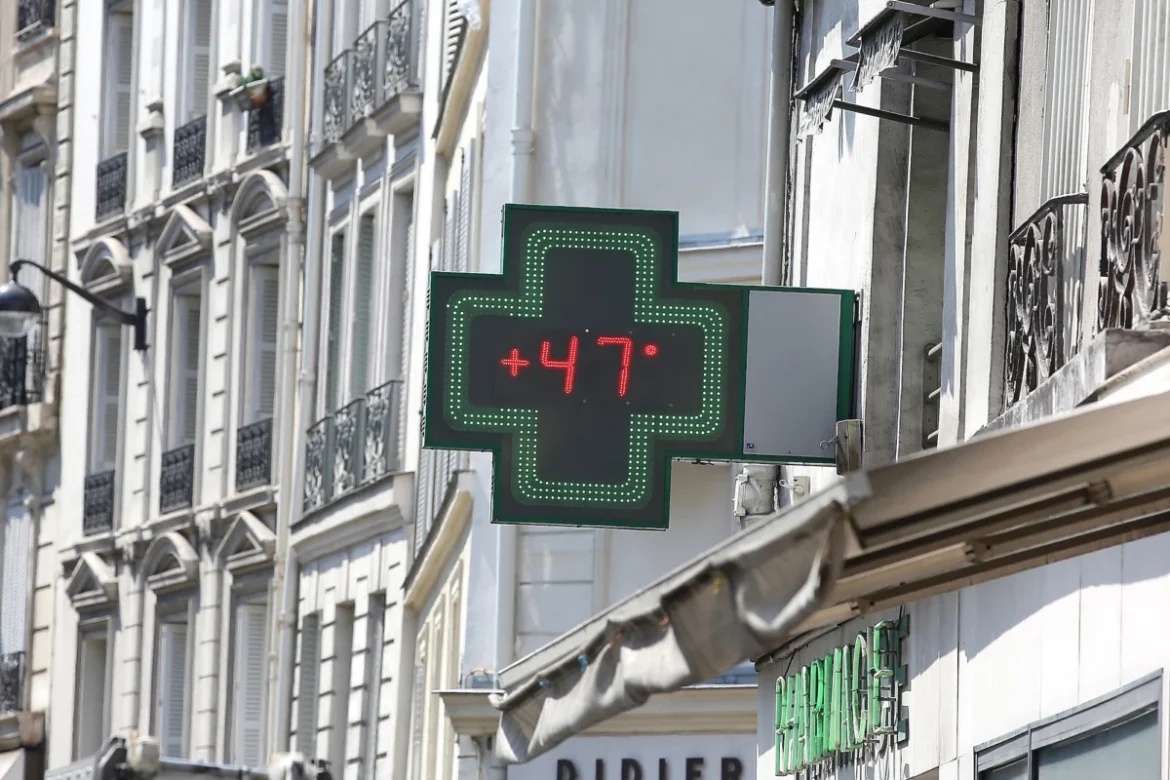
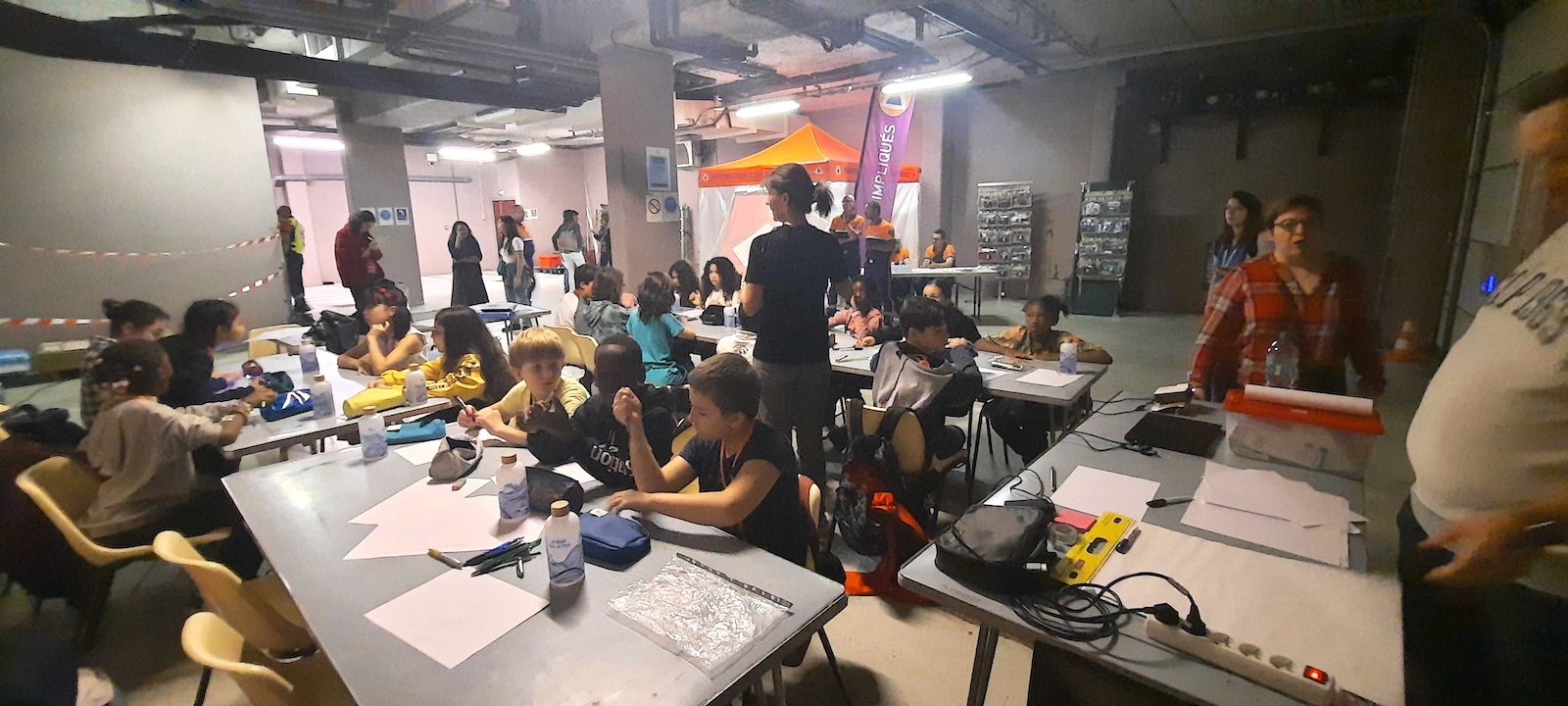
On a sunny Friday afternoon in October 2023, approximately 70 children filed into a cool, dark tunnel in the south of Paris to help the city rehearse for an increasingly volatile climatic future. The tunnel, a section of the abandoned Petite Ceinture railway that encircles the French capital, maintains a constant temperature of 64 degrees Fahrenheit (18 degrees Celsius). In this subterranean environment, it served as a simulated safe haven from a hypothetical, lethal heatwave unfolding on the surface.
The exercise, titled "Paris at 50 Degrees Celsius," was designed to stress-test the city’s resilience against a temperature of 122 degrees Fahrenheit—a milestone that climate scientists warn could become a reality by the turn of the century. Once underground, the youngsters were asked to simulate the cascading impacts of extreme heat: some role-played as victims of food poisoning from spoiled produce during power outages, while others faked symptoms of carbon monoxide poisoning from faulty backup generators. Around them, Red Cross workers, firefighters, city officials, and teachers navigated a manufactured chaos, making life-and-death decisions about hospital triage and resource allocation.
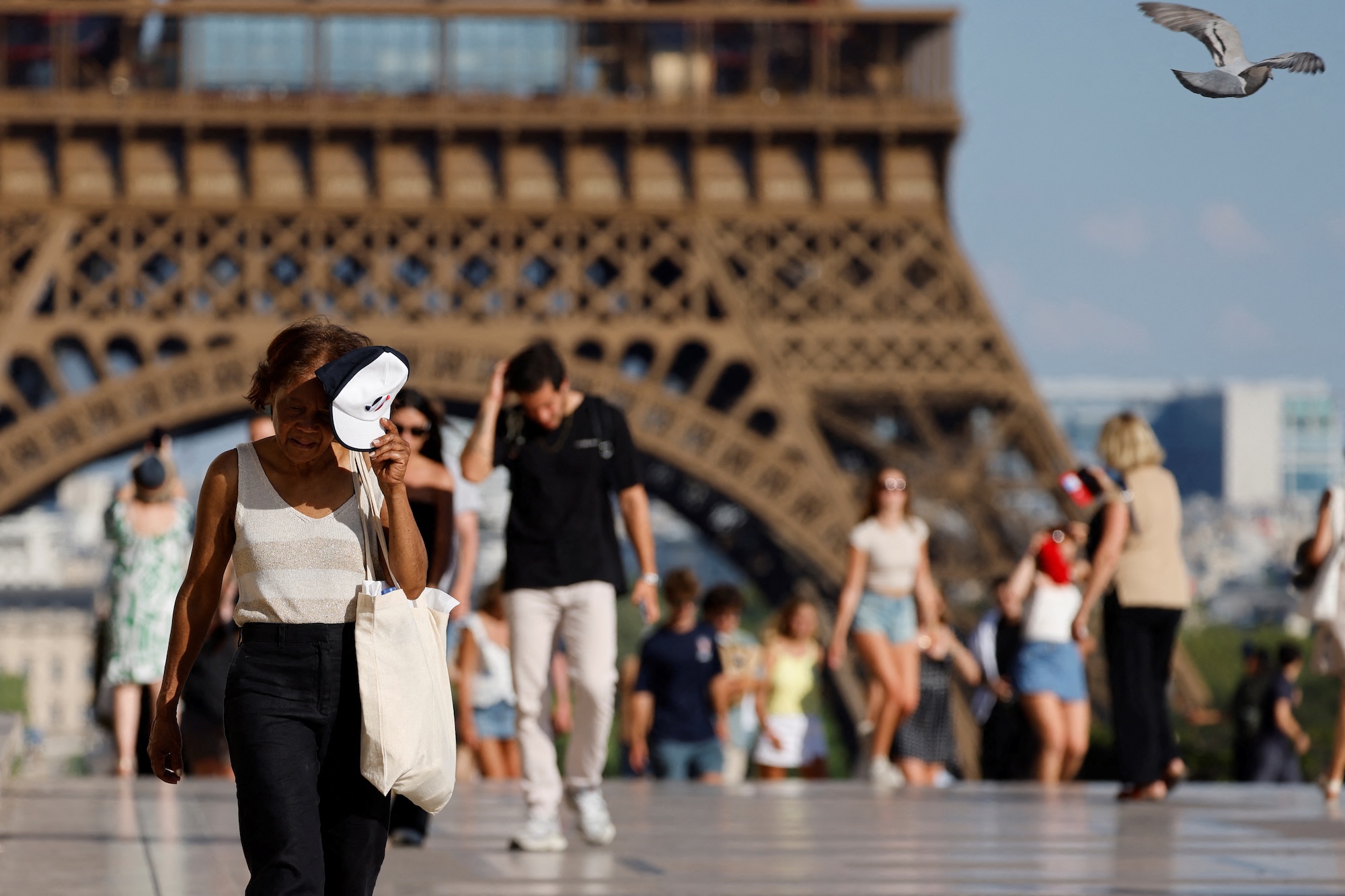
This simulation represents a growing global trend in urban planning. As local governments realize that traditional emergency protocols may be insufficient for unprecedented climate events, they are turning to "stress tests" to identify where health services, essential infrastructure, and emergency responses might buckle.
The Scientific Necessity of Extreme Scenarios
The "Paris at 50°C" exercise was not a mere exercise in imagination; it was rooted in rigorous scientific modeling. For years, the Île-de-France Regional Climate Change Expertise Group has advised city leaders on escalating climate risks. Their projections, bolstered by data from the Intergovernmental Panel on Climate Change (IPCC), suggest that if global warming reaches 2.8 to 3.3 degrees Celsius (5 to 6 degrees Fahrenheit) above pre-industrial levels, Paris could see summertime temperatures hitting the 50°C mark by 2100.
Currently, the record high for Paris stands at 108.68°F (42.6°C), a temperature recorded on July 25, 2019. However, the trajectory of global emissions and the "Urban Heat Island" effect—where dense concentrations of pavement and buildings trap heat—make the 50°C threshold a plausible future threat.
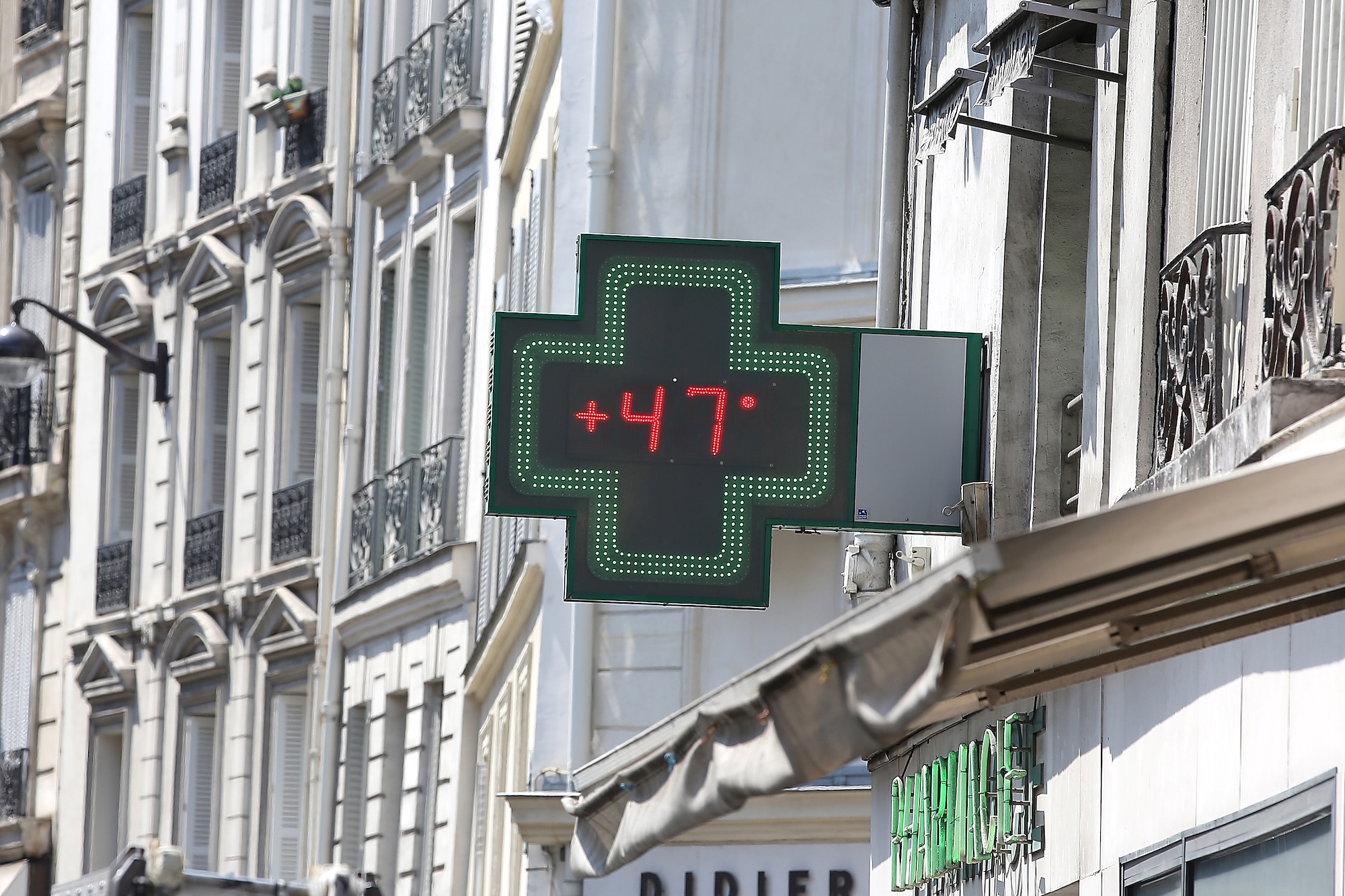
The human cost of such heat is staggering. The World Health Organization (WHO) estimates that heat-related causes already contribute to roughly 500,000 deaths worldwide annually. In urban environments like Paris, characterized by historic limestone buildings that retain heat long into the night, the risk is amplified. Symptoms can escalate rapidly from fatigue and dehydration to life-threatening heatstroke, particularly for the elderly and those with pre-existing cardiac or renal conditions.
A Chronology of Preparation and Implementation
The October 2023 simulation was the culmination of more than 18 months of planning led by Pénélope Komitès, the Deputy Mayor of Paris in charge of resilience. The city allocated a budget of approximately €200,000 ($236,000) for the two-day event, emphasizing that the cost of preparation is a fraction of the potential economic and human loss caused by an unmanaged disaster.
Crisotech, a consultancy specializing in crisis management, spent nine months designing a dozen distinct scenarios for the drill. The timeline of the exercise was split into two phases:
- The Field Drill (Day One): This involved the physical role-playing with citizens and schoolchildren at two primary locations, including the Petite Ceinture tunnel. The goal was to test public communication and the immediate physical response of first responders.
- The Tabletop Exercise (Day Two): This phase involved more than 100 organizations, including city agencies, utilities, and non-profits. Officials sat in "war rooms" to navigate complex logistical failures, such as the expansion of train tracks under extreme heat or the simultaneous failure of the electrical grid.
Ziad Touat, the crisis management consultant who led the simulation for Crisotech, noted that the inclusion of children was a deliberate choice. "They are the ones who will face the consequences of a warming world," Touat explained, adding that their curiosity and questions helped officials identify gaps in their public-facing instructions.
Identifying the Breaking Points of Infrastructure
One of the primary goals of these simulations is to find "failure points"—the specific conditions under which a city’s systems cease to function. Cassie Sunderland, managing director of climate solutions at C40, a global network of mayors, notes that success in a drill is often defined by what goes wrong rather than what goes right.
During the Paris exercise, officials had to grapple with scenarios where transport failures prevented medical staff from reaching hospitals. Engineers were tasked with determining the exact temperature at which the city’s rail infrastructure would warp, a phenomenon known as "sun kinks."
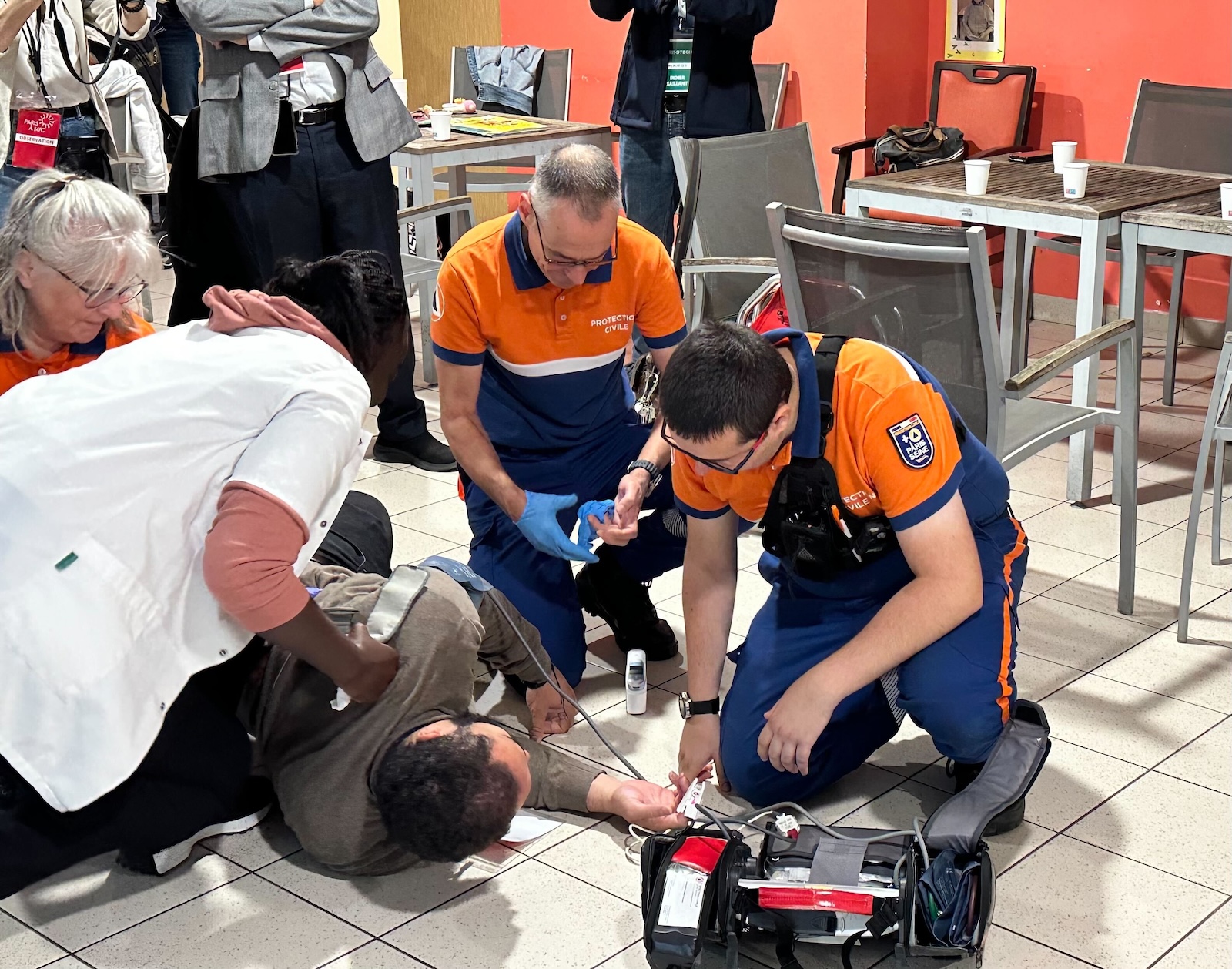
Medical logistics also came under scrutiny. Dr. Satchit Balsari, a professor of emergency medicine at Harvard Medical School, points out that many heat action plans look good on paper but fail in practice. "How do you take a large human body and put it in ice? Is there a bucket that big?" Balsari asks. The Paris simulation forced responders to consider these granular details, leading to discussions about the use of body bags filled with ice and the sourcing of massive quantities of ice when the power is out.
Furthermore, the simulation addressed the "aftermath" of the heat. Health systems were urged to plan for the months following a heatwave, during which the risk of chronic kidney disease and other long-term health issues typically spikes among survivors.
A Global Shift Toward Resilience
Paris is not alone in its proactive stance. Across the globe, cities are appointing "Chief Heat Officers" to centralize their response to rising temperatures. Athens, Greece; Melbourne, Australia; and Freetown, Sierra Leone, have all created dedicated roles to oversee heat mitigation and adaptation.

In the United States, Phoenix, Arizona, established a dedicated heat department after a similar exercise revealed that its various city agencies were not communicating effectively during emergencies.
In Asia, Taiwan has begun expanding its simulation efforts beyond the city level. Ken-Mu Chang, deputy director general of Taiwan’s Climate Change Administration, recently oversaw a tabletop exercise simulating a multi-day 40°C (104°F) heatwave. The goal was to test the coordination between national and local agencies. "We want agencies not only to explain what they have but also to identify what is still missing under a more extreme situation," Chang stated.
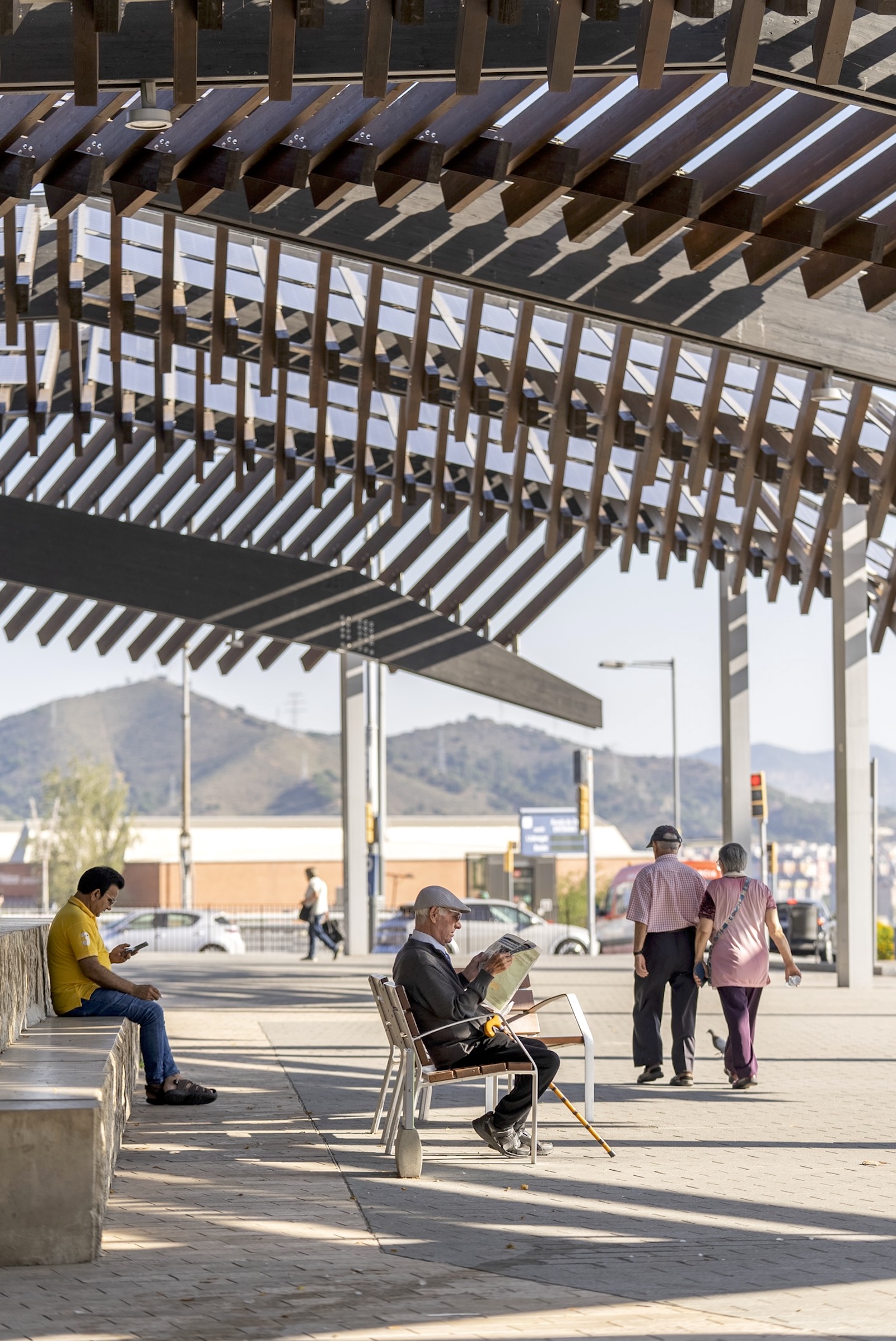
Meanwhile, Barcelona, Spain, is adapting the Parisian model to its own unique challenges. The Mediterranean basin is currently warming 20 percent faster than the global average. Irma Ventayol, who leads Barcelona’s climate change department, is focusing on the resilience of basic services. "Can we cope with waste management at 40 degrees C or 50 degrees C? Are the trucks prepared?" she asked, highlighting the need to check mechanical limits before they are reached.

Outcomes and the "Campus of Resilience"
The "Paris at 50°C" simulation has already yielded tangible policy changes. The exercise produced 50 specific recommendations that have been integrated into the city’s 2024–2030 Climate Action Plan.
Key initiatives currently underway include:
- Urban Greening: The city planted 15,000 trees last winter alone to increase canopy cover and reduce the urban heat island effect.
- Infrastructure Retrofitting: Thousands of social housing units are being insulated to keep interiors cool without relying solely on energy-intensive air conditioning.
- Public Access to Water: The opening of three bathing spots along the Seine River is part of a broader strategy to provide residents with cooling options.
- Educational Outreach: In March 2024, Paris opened its first "Campus of Resilience" in partnership with the fire department and civil protection agencies. This center provides training sessions and public workshops to ensure that citizens are not just passive recipients of aid but active participants in their own safety.
Pénélope Komitès emphasized that the most shocking revelation from the simulation was how unprepared the general public remains. "We need to talk with Parisians," she said. "To inform them, to prepare them."
The Balance Between Adaptation and Mitigation
While these simulations are essential for saving lives during the heatwaves that are already "locked in" by current atmospheric carbon levels, experts warn that they must not replace efforts to reduce emissions. Cassie Sunderland of C40 argues that true resilience requires long-term changes to cool cities and slow the pace of climate change itself.
However, as the "Paris at 50°C" guide—now available online for other cities to replicate—suggests, the era of treating extreme heat as a distant possibility is over. For the children who sat in the dark tunnel of the Petite Ceinture, the simulation was a glimpse into a world they will likely inherit. For the officials who organized it, it was a vital step toward ensuring that when the mercury eventually hits 50 degrees Celsius, the city of Paris will be ready to endure it.
