
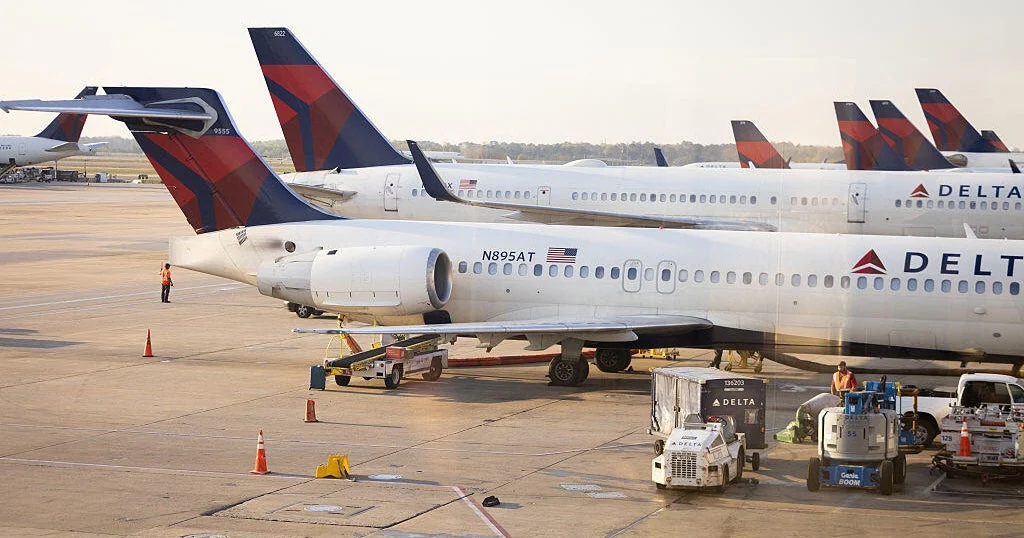
Delta Air Lines confirmed on Sunday that it has successfully resolved a critical systemwide network failure that crippled its baggage processing and flight weight-and-balance automation systems. The technical malfunction, which emerged during a high-traffic holiday travel weekend, triggered a cascade of disruptions across the airline’s domestic network, forcing ground crews to transition to manual processing protocols. The disruption was particularly acute at Hartsfield-Jackson Atlanta International Airport, the airline’s primary global hub, where the Federal Aviation Administration (FAA) was compelled to implement a temporary ground delay program to manage the sudden accumulation of aircraft and traffic congestion.
The outage, which impacted operations for several hours, serves as a stark reminder of the fragile interdependencies within modern aviation infrastructure. While the airline has since restored automated services, the operational "ripple effect" persisted throughout the evening, leaving thousands of passengers stranded and prompting a massive logistical effort to mitigate the fallout for travelers heading into the busy Thanksgiving week.
Chronology of the Operational Disruption
The incident began to manifest in the early hours of Sunday, November 22, 2026. As flights prepared for departure, flight dispatchers and ground operations teams encountered a failure in the software responsible for calculating aircraft weight and balance—a mandatory safety procedure for every commercial flight. Simultaneously, the baggage handling network, which relies on integrated digital tracking to sort and load luggage, ceased functioning.
By midday, the situation at Hartsfield-Jackson had deteriorated, necessitating the FAA-ordered ground delay. This measure prevented flights from departing for Atlanta, effectively bottling up aircraft already on the tarmac and causing a logjam that spread to other major Delta hubs, including Detroit, Minneapolis, and New York-JFK.
Delta technicians worked through the afternoon to isolate the source of the software error. By late Sunday, the airline announced that the systems were back online. However, the restoration of the software did not equate to an immediate return to normalcy. Aircraft that had been grounded were displaced from their original schedules, and flight crews began to hit federal duty-time limits, further complicating the airline’s ability to recover its flight schedule by the end of the day.
Impact and Statistical Overview
The operational data for Sunday highlights the severity of the system failure. According to flight tracking service FlightAware, Delta reported 202 flight cancellations by 6:00 p.m. EST, representing approximately 4% of its daily schedule. While a 4% cancellation rate may appear manageable in isolation, the context of the day’s delays paints a more challenging picture.
Most concerning for airline management was the on-time arrival performance, which plummeted to 50%. Under normal operating conditions, Delta typically maintains an on-time arrival rate exceeding 80%, a benchmark that makes the airline a leader in operational reliability. By early evening, more than 1,900 Delta flights were recorded as delayed. The airline clarified that while roughly 70% of these delays were directly attributable to the baggage and weight-balance system outage, the remaining 30% were exacerbated by secondary factors, including inclement weather in the U.S. Northeast and pre-existing air traffic control (ATC) restrictions in the New York metropolitan area.
Official Responses and Mitigation Efforts
In an official statement released Sunday evening, Delta Air Lines extended a formal apology to its passengers. "Delta apologizes to customers for the delay in their travels today," the company stated, acknowledging the frustration caused by the breakdown of essential systems.
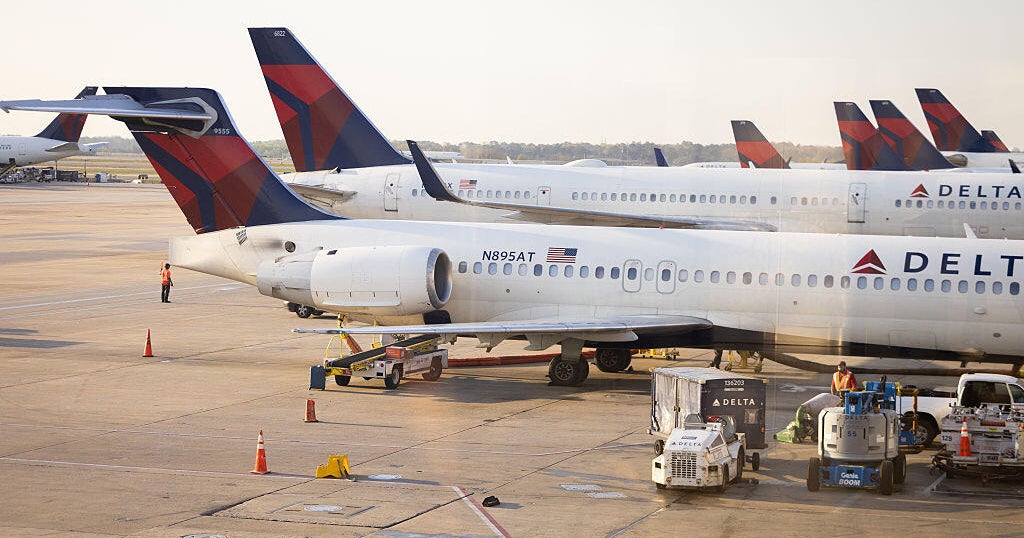
To address the immediate needs of stranded travelers, Delta implemented a series of recovery measures:
- Itinerary Adjustment: The airline has focused on rebooking passengers onto the next available flights, prioritizing those with critical travel needs.
- Support Provisions: Passengers facing significant wait times have been provided with meal vouchers and, where necessary, hotel accommodations.
- Refund Policy: For travelers whose flights were canceled and who no longer wish to proceed with their trip, the airline has authorized full refunds, waiving the standard fare rules that might otherwise apply.
The airline emphasized that cancellations are viewed as a last resort. Delta management stated that they are dedicating all available resources to completing the remainder of the 500 flights scheduled for the evening, aiming to "clear the board" of delays before the start of the Monday morning rush.
Industry Context and Vulnerability
The timing of this incident is particularly unfortunate for the aviation industry. AAA projections indicate that nearly 6 million people are expected to take domestic flights for the Thanksgiving holiday, marking one of the busiest travel periods in the United States.
This is not an isolated incident for the industry. Last Monday, United Airlines experienced a similar technical failure that forced a 90-minute ground hold on departures. These back-to-back incidents across major carriers have ignited a broader conversation regarding the aging IT infrastructure that underpins the modern airline industry. Experts point out that while modern aircraft are marvels of engineering, the ground-side software that handles logistics—ranging from gate assignment to weight calculations—is often a complex, "spaghetti-code" environment of legacy systems stitched together over decades.
Aviation analysts suggest that as airlines consolidate their operations into massive hub-and-spoke networks, a single point of failure in a centralized system can have disproportionate effects. Unlike a mechanical failure on a single plane, which only affects the passengers on that specific aircraft, a software outage at the network level can paralyze an entire fleet, regardless of the mechanical health of the planes themselves.
Broader Implications and Future Outlook
The incident on November 22 is likely to draw scrutiny from the Department of Transportation (DOT), which has been increasingly aggressive in holding airlines accountable for operational meltdowns. Under the current regulatory environment, the DOT has pushed for increased compensation and transparency regarding passenger rights during delays caused by internal airline failures.
For Delta, the challenge now shifts to a "recovery" phase. Beyond the technical fix, the airline must manage the physical displacement of thousands of bags—which were handled manually during the outage—and ensure that crew members are properly repositioned to prevent a "contagion" of delays from extending into the upcoming week.
As travelers head into the busiest days of the holiday season, the focus for the industry will be on "system resiliency." The ability of airlines to handle unexpected surges in volume, compounded by technical glitches, will be the true test of their infrastructure. For the passengers affected by Sunday’s events, the experience serves as a stark reminder of the complexities of modern travel and the necessity of maintaining robust, redundant digital systems.
The airline industry, now operating at record capacity, is clearly pushing its technological limits. Whether through cloud-based infrastructure upgrades or more frequent stress testing of legacy systems, carriers will likely face mounting pressure from both regulators and the traveling public to ensure that such "network-wide" outages become a relic of the past rather than a recurring feature of holiday travel.
