
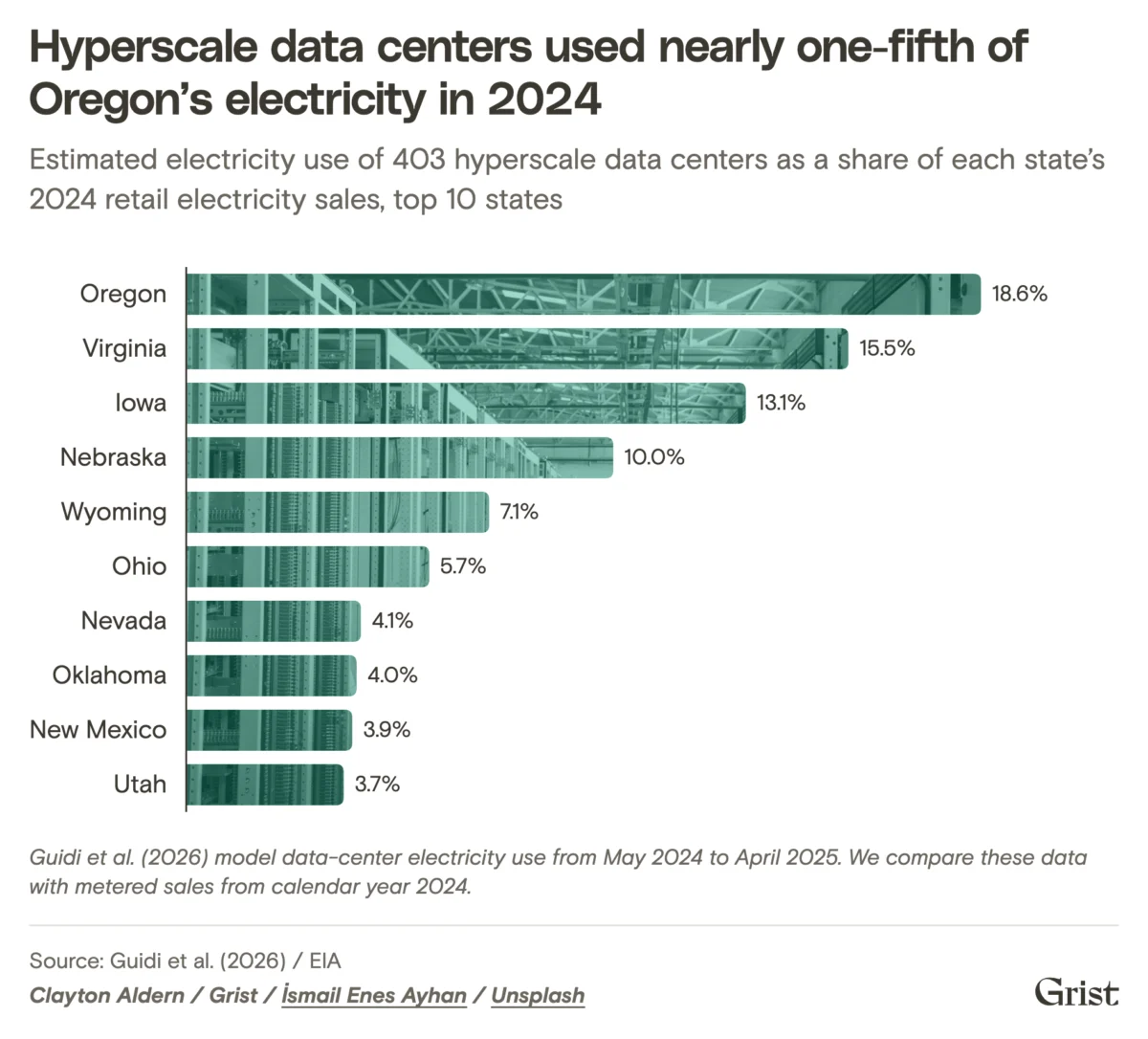
The rapid proliferation of artificial intelligence has triggered a massive, global race to build out the physical infrastructure required to sustain the technology. Beneath the sleek interfaces and generative models lies a sprawling network of hyperscale data centers—massive, warehouse-sized facilities packed with thousands of power-hungry servers, cooling units, and networking hardware. While tech companies promote the efficiency of their algorithms, the underlying energy footprint of these campuses remains a closely guarded secret. New research published in Nature Sustainability this week provides the most comprehensive look yet at the electricity consumption of these facilities, suggesting that the AI boom is placing an unprecedented strain on the United States power grid.
The study, led by researchers at Harvard University, utilized satellite imagery and building footprints to catalog 403 hyperscale data centers across the country. The findings indicate that these facilities consume approximately 82 terawatt-hours (TWh) of electricity annually—an amount equivalent to the total power usage of nearly 8 million American homes. This consumption represents roughly 2 percent of total U.S. electricity sales, a figure that is not only significant but deeply uneven in its distribution across state lines.
A Geographic Disparity in Power Demand
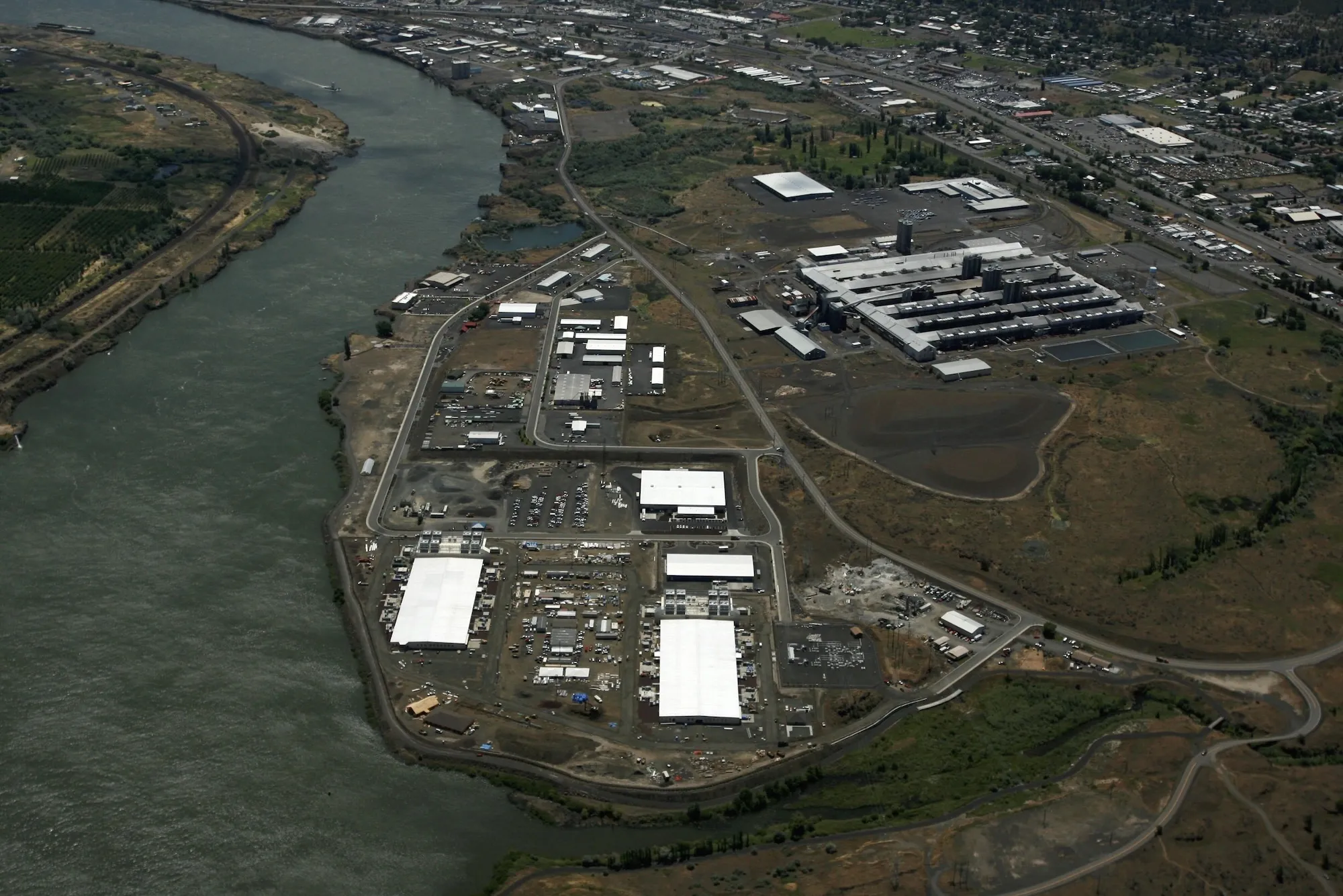
While a national average of 2 percent may seem manageable to some grid operators, the reality at the state level is far more volatile. In several states, the presence of data center hubs has turned these facilities into the primary drivers of energy demand. According to the Nature Sustainability study, Oregon’s hyperscale data centers account for roughly 18.6 percent of the state’s total retail electricity sales. Virginia and Iowa follow closely, with data center consumption accounting for 15.5 percent and 13.1 percent of their respective state loads.
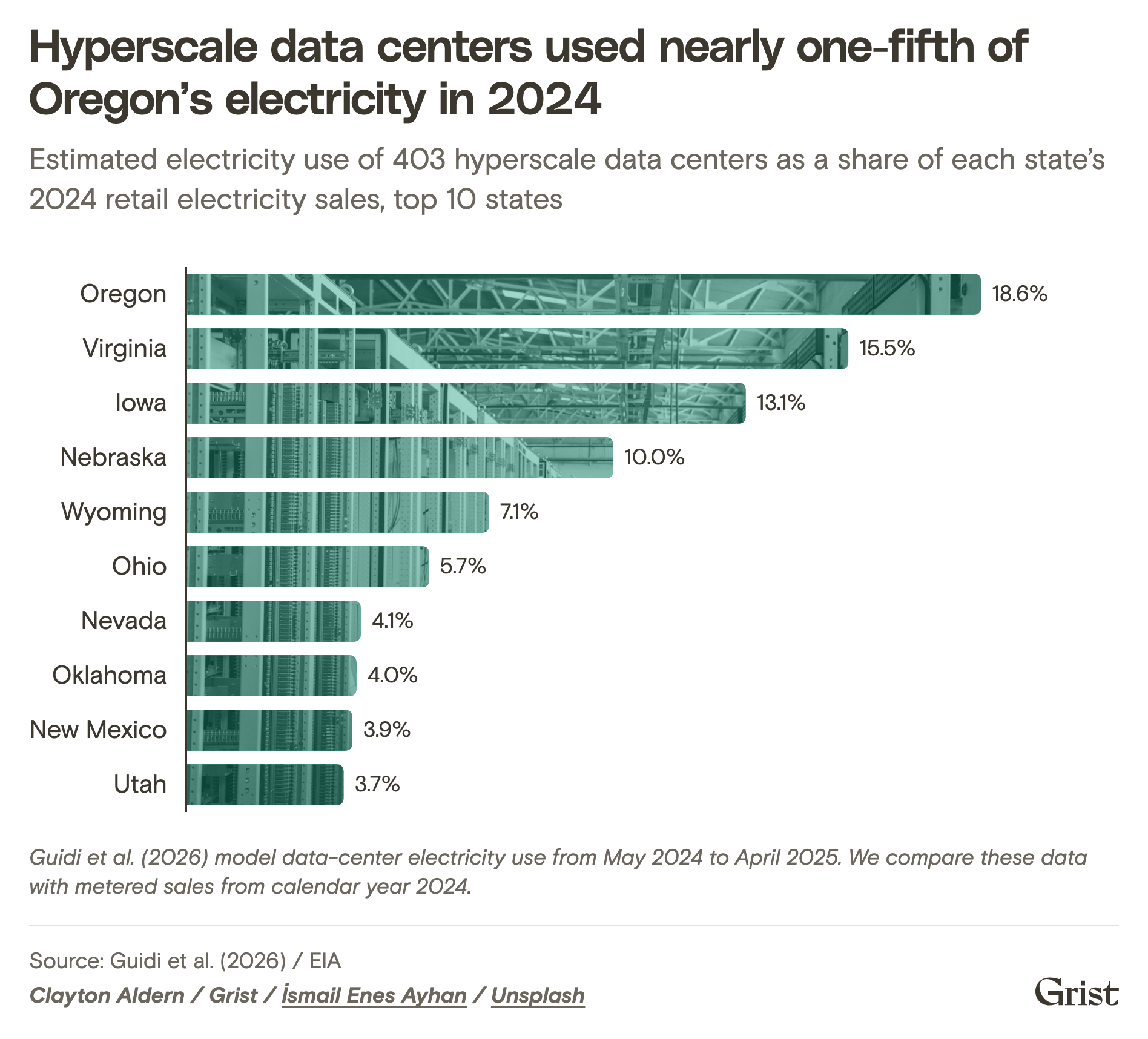
This shift has occurred with startling speed. In Oregon, the transition has been particularly aggressive; data centers accounted for a mere 3 percent of the state’s electricity usage in 2015. By 2025, that figure had climbed to 23 percent. Analysts from the energy economics firm ECOnorthwest have noted that data centers were responsible for approximately 96 percent of the growth in Oregon’s electricity sales between 2020 and 2025. This rapid escalation has left regulatory bodies struggling to catch up, as current infrastructure planning was never designed to accommodate such concentrated, high-volume demand.
The Regulatory and Transparency Gap
A primary challenge for policymakers is the lack of standardized reporting. Currently, there is no federal mandate requiring data center operators to disclose their energy usage with the same granularity as industrial or residential sectors. When utility companies report sales to the Energy Information Administration (EIA), they typically categorize customers into broad buckets like "commercial" or "industrial," masking the specific load imposed by hyperscale computing.
In March, Senators Elizabeth Warren and Josh Hawley addressed this transparency deficit in a letter to the EIA, arguing that without precise data, local communities and utility providers are effectively operating in the dark. The senators are advocating for the Bipartisan American Affordability and Jobs Act, which, among other infrastructure reforms, would mandate that the EIA explicitly track and report data center electricity consumption. Supporters of the bill argue that visibility is the first step toward managing the environmental and economic risks associated with the AI gold rush.
The Carbon Footprint of Computation
Beyond the raw electricity load, the climate implications of this expansion are substantial. The researchers estimated that the 82 TWh consumed by the cataloged facilities results in approximately 26 million metric tons of carbon dioxide emissions annually. To put this into perspective, these facilities emit more carbon than entire nations such as Jordan, Kenya, or Guatemala.
The carbon intensity of this power is highly dependent on the local grid mix. Washington state, which relies heavily on hydroelectric power, sees its data centers operate at an average of 10 grams of CO2 per kilowatt-hour. Conversely, in Virginia, where the grid is more reliant on fossil fuels, that rate jumps to 325 grams per kilowatt-hour. As the industry scales, the pressure to decouple data center expansion from fossil-fuel-backed electricity is mounting, leading to fierce debates over whether these facilities should be required to invest in dedicated renewable energy projects or carbon capture technologies.
The Rise of Behind-the-Meter Power
One of the most alarming trends identified by the researchers and other industry watchdogs is the emergence of "behind-the-meter" power generation. Rather than relying solely on the public grid, tech giants are increasingly constructing their own power plants—often gas-fired generators—directly at or adjacent to their data center campuses.
The Environmental Integrity Project (EIP) has tracked this development, noting that there are currently 143 gigawatts of gas plants proposed to power data centers across the United States. Because this electricity is generated "behind the meter," it often escapes the oversight of traditional utility regulators and does not appear in standard grid demand data. This creates a "shadow" energy economy where massive amounts of carbon-intensive power are generated without the public scrutiny or regulatory constraints typically applied to the power sector.
For instance, West Virginia, which hosts none of the hyperscale campuses identified in the Harvard study, has become a hotbed for this new model. The state is second only to Texas in proposed on-site gas capacity, with more than 15 gigawatts of projects currently under consideration. This indicates that the geography of the AI boom is shifting toward areas where land is cheap and energy permitting is potentially more flexible, even if those regions lack the existing electrical infrastructure to support such heavy loads.
Future Projections and Industry Responses
Industry leaders often emphasize that they are committed to "net-zero" goals, but critics argue that these pledges often rely on carbon offsets rather than direct changes to the power source. Furthermore, the sheer speed of development often outpaces corporate sustainability efforts. Gianluca Guidi, the lead author of the Nature Sustainability study, warned that his findings are likely a conservative estimate.
"What we’re seeing is already striking, but it’s only a snapshot of a rapidly expanding industry," Guidi stated. He noted that because the study only included confirmed hyperscale facilities, the actual energy footprint in 2026 is almost certainly higher than the 82 TWh estimate.
The implications for the U.S. power grid are profound. Utilities are currently facing a dual challenge: they must upgrade aging transmission lines to handle increased demand while simultaneously navigating the volatility introduced by these massive, site-specific power projects. If the current pace of hyperscale buildouts continues, the strain on the grid could lead to higher electricity prices for residential consumers and potential reliability issues in regions where data center demand outstrips supply.
Conclusion
The data center industry is no longer a peripheral player in the energy market; it is a central, and perhaps disruptive, force. The lack of federal reporting requirements, the move toward behind-the-meter gas generation, and the sheer volume of power required for AI development have created a complex policy landscape. As states like Oregon and Virginia grapple with the reality of data centers claiming double-digit percentages of their total power supply, the need for a national strategy becomes increasingly clear.

Moving forward, the conversation will likely shift from the promise of artificial intelligence to the reality of the physical, power-intensive infrastructure required to sustain it. Whether this leads to stricter regulatory oversight, a surge in private green energy investment, or a potential conflict between the needs of the digital economy and the stability of the public grid remains to be seen. For now, the "invisible" cost of the AI revolution has been brought into focus, serving as a reminder that every query and every computation carries an environmental and energetic price tag.

