

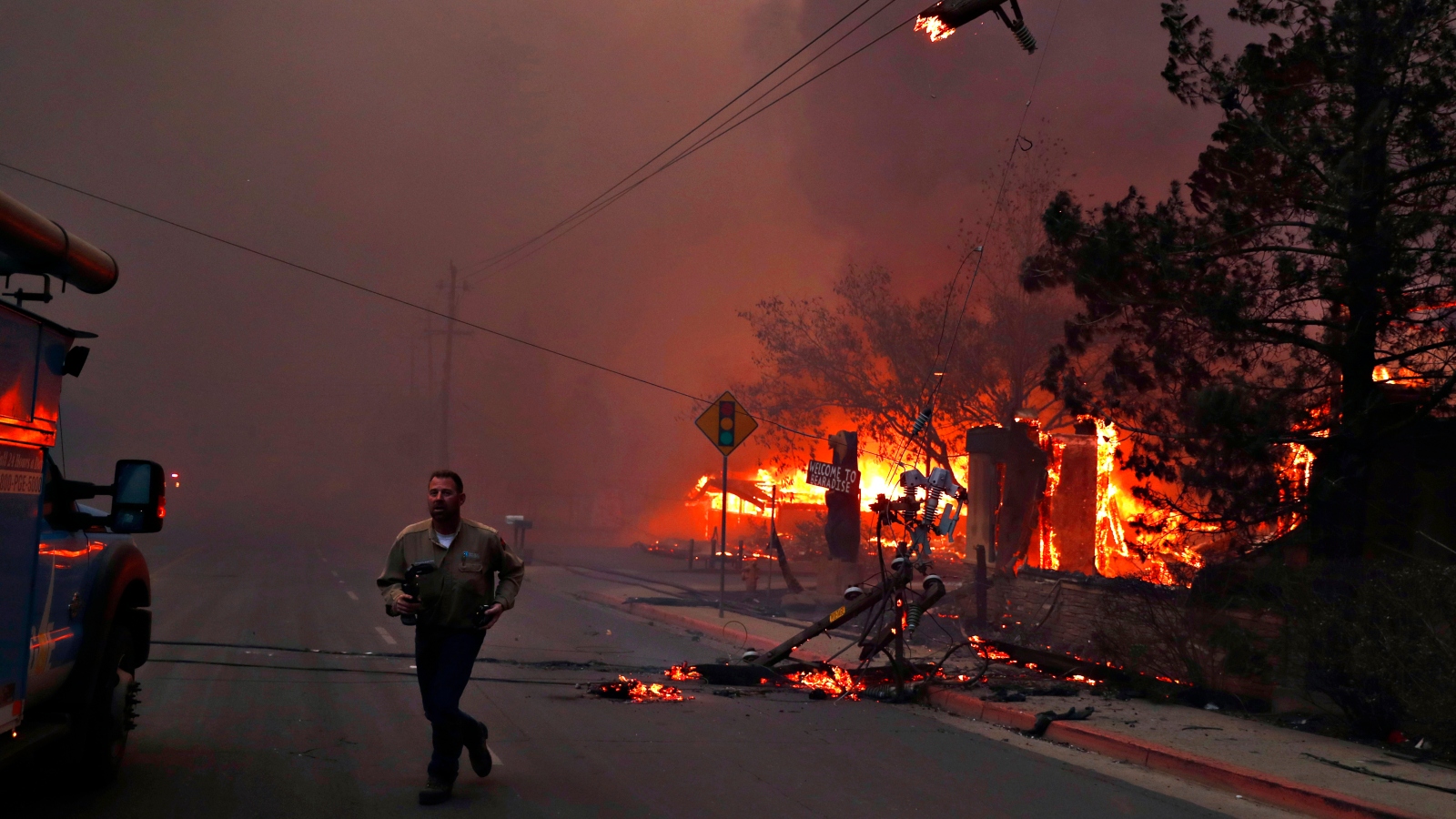
On a dry November morning in 2018, the Sierra Nevada foothills were a powder keg. Parched grasses and brittle shrubs surrounded the town of Paradise, California, while low humidity and 40-mile-per-hour winds created the perfect conditions for catastrophe. When a 99-year-old transmission tower owned by Pacific Gas and Electric (PG&E) failed, releasing a live wire, the ensuing spark ignited the Camp Fire. Within hours, the blaze claimed 85 lives, destroyed over 18,000 structures, and effectively wiped a community off the map. It remains the deadliest wildfire in California’s history, but its legacy has evolved far beyond the tragedy itself: it birthed a legal industry that is now fundamentally altering how the American West manages disaster, liability, and economic risk.
Following the devastation, PG&E faced an onslaught of litigation that culminated in a $13.5 billion settlement. This figure, one of the largest civil settlements for an environmental disaster in U.S. history, forced the utility into bankruptcy and set a transformative legal precedent. It signaled to the nation that utility companies could be held financially responsible for the massive, cascading damages caused by their equipment in an era of climate-driven fire volatility. Since 2017, this legal shift has spurred a wave of litigation across California, Hawai‘i, Colorado, and Oregon, resulting in more than $18 billion in settlements.
The Evolution of Wildfire Liability
The mechanism behind these massive payouts is often the doctrine of inverse condemnation. In California, this legal principle allows for strict liability; a utility can be held financially responsible for damages caused by its infrastructure regardless of whether it was technically negligent in the ignition. While this concept dates back to 19th-century railroad litigation, its application to modern electric utilities has turned the sector into a primary target for mass tort litigation.
As climate change creates a "new normal" characterized by longer, hotter fire seasons and reduced snowpacks, the threshold for a "catastrophic" fire has lowered. Climate scientist Chris Field of Stanford University notes that the number of fire ignitions has remained relatively stable over the decades; however, the probability that a small ignition grows into a mega-fire has skyrocketed. This shift, combined with the expansion of residential development into the Wildland-Urban Interface (WUI), has created a scenario where a single powerline failure can result in billions of dollars in losses.
A Chronology of Escalating Claims
The timeline of major wildfire litigation highlights a rapid expansion of legal involvement:
- 2017–2018: The Northern and Southern California firestorms serve as the catalyst, leading to the massive PG&E settlement and establishing the model for mass tort claims.
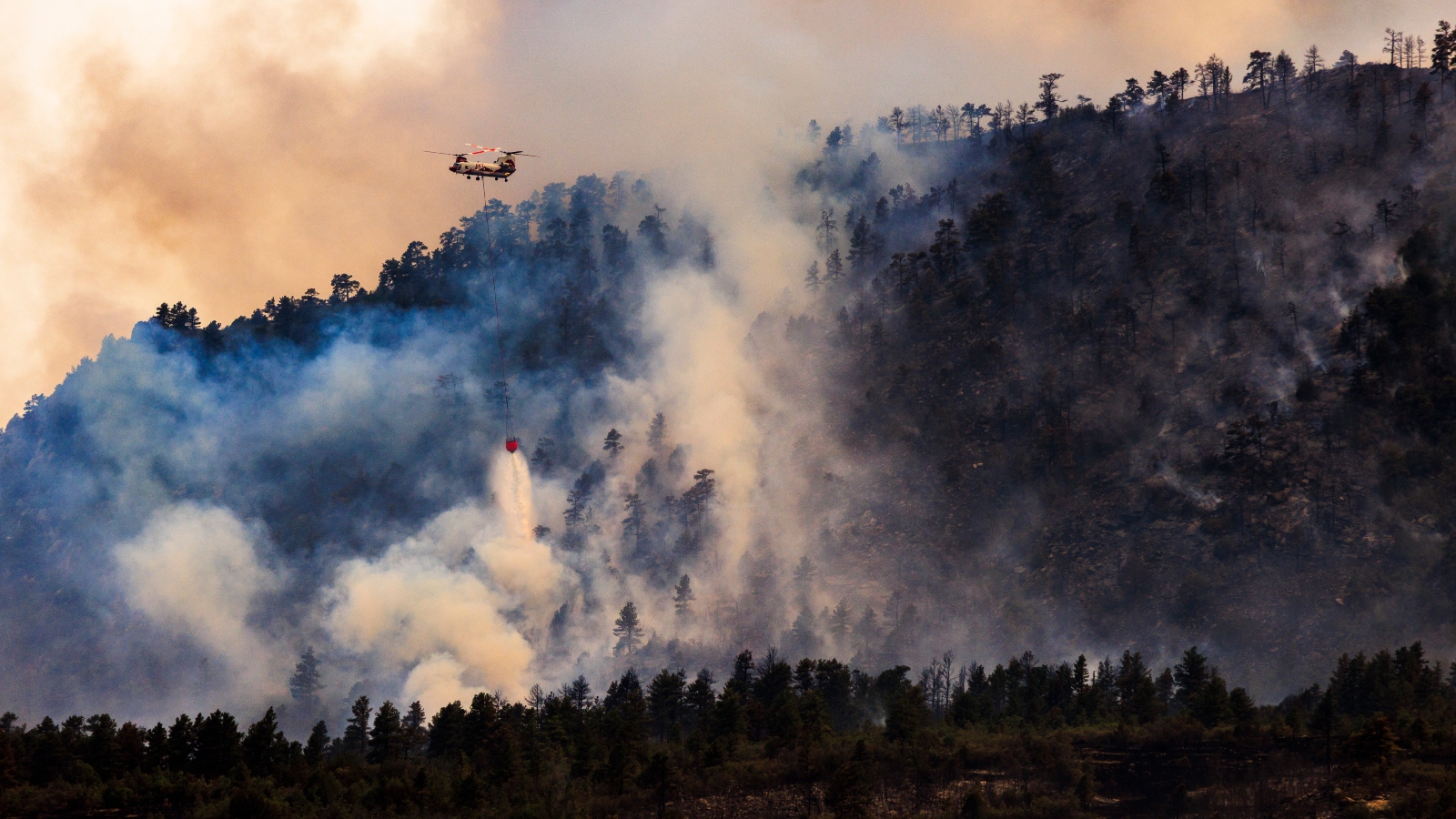
- 2020: Oregon’s Labor Day fires result in significant jury verdicts against PacifiCorp, demonstrating that the California legal model is migrating to other Western states.
- 2021: The Marshall Fire in Colorado sparks litigation against Xcel Energy, signaling the reach of California-based law firms into the Rockies.
- 2023: The Lahaina, Maui, wildfire leads to a landmark $4 billion settlement involving Hawaiian Electric Industries and the state of Hawai‘i.
- 2025–2026: Ongoing litigation, such as the cases surrounding the Eaton and Dixie fires, sees the entry of third-party hedge funds and investment banks looking to finance plaintiff lawsuits, adding a new layer of complexity to the sector.
The Business of Justice: Mass Torts and Contingency Fees
The rise of wildfire litigation has professionalized the pursuit of damages. Firms like San Diego-based Singleton Schreiber have built practices where up to 90 percent of their caseload is devoted to fire litigation. These cases are typically structured as mass torts, where thousands of plaintiffs are consolidated into single proceedings.
For the legal teams involved, the financial stakes are immense. Plaintiff attorneys typically operate on a contingency fee basis, taking 30 to 40 percent of the total recovery. While these fees are often subject to court approval—as seen in the Maui settlement where a judge capped legal fees at $222 million to prevent excessive profiteering—the sheer scale of the settlements ensures that wildfire litigation remains one of the most profitable sectors in the legal industry.
However, this profitability has attracted the attention of Wall Street. Firms such as Jefferies Financial Group and Oppenheimer Holdings have explored providing "litigation finance," essentially loaning money to law firms to cover the exorbitant costs of preparing these complex cases. These arrangements, which can carry interest rates exceeding 20 percent, have drawn sharp criticism from within the legal community. Critics, including veteran litigators, argue that involving hedge funds undermines the public-interest narrative of these cases and may lead to a backlash that invites government intervention.
The Broader Economic and Societal Impact
The consequences of this litigation-heavy landscape are being felt throughout the Western economy. As utilities face the risk of insolvency, the costs of defense and settlements are being passed on to ratepayers, leading to rising electricity bills. Furthermore, the threat of litigation has driven some insurance companies to exit high-risk markets entirely, leaving homeowners with fewer options for protection.
Utility companies, for their part, have begun to push back against the narrative of singular liability. Legal representatives for utilities, such as Douglas Dixon, argue that blaming a single spark ignores the systemic factors that contribute to wildfire severity, including decades of federal fire suppression policies, poor forest management, and the rapid expansion of housing into flammable ecosystems. They contend that holding a utility solely responsible for a climate-exacerbated event is an unsustainable approach to public policy.
The Search for a Sustainable Future
As the U.S. heads toward a potential regulatory reckoning, policymakers are left with a fundamental question: Is it equitable to hold a single entity—the utility—responsible for a disaster enabled by the global burning of fossil fuels and historical land-management decisions?
Currently, attempts to hold oil and gas majors accountable for climate change impacts in U.S. courtrooms have largely failed, leaving utility companies as the primary "deep pockets" available for victims of climate-fueled disasters. This reality has turned litigation into a de facto climate resilience strategy. It provides immediate, if reactive, relief to displaced homeowners in a landscape where traditional insurance is failing, but it does little to address the structural causes of wildfire risk.
The trend toward aggressive litigation shows no signs of slowing, as more law firms expand their footprint into the Western states. Yet, the long-term viability of this model is increasingly in doubt. As states consider legislation to shield utilities from the full brunt of these costs—fearing that utility bankruptcies will compromise grid reliability and inhibit critical infrastructure upgrades like undergrounding power lines—the legal landscape is set for a massive transformation.
Whether this era of litigation will lead to safer infrastructure or simply a more expensive, gridlocked power sector remains to be seen. What is clear is that the wildfire crisis has moved from the forest floor to the courtroom, and the resulting legal, economic, and social ripples are reshaping the American West in ways that are only just beginning to be understood. The pursuit of justice for fire victims is currently a multibillion-dollar industry, but the mounting costs of this model are forcing a necessary national conversation about who should bear the burden of a world that is fundamentally, and permanently, on fire.

