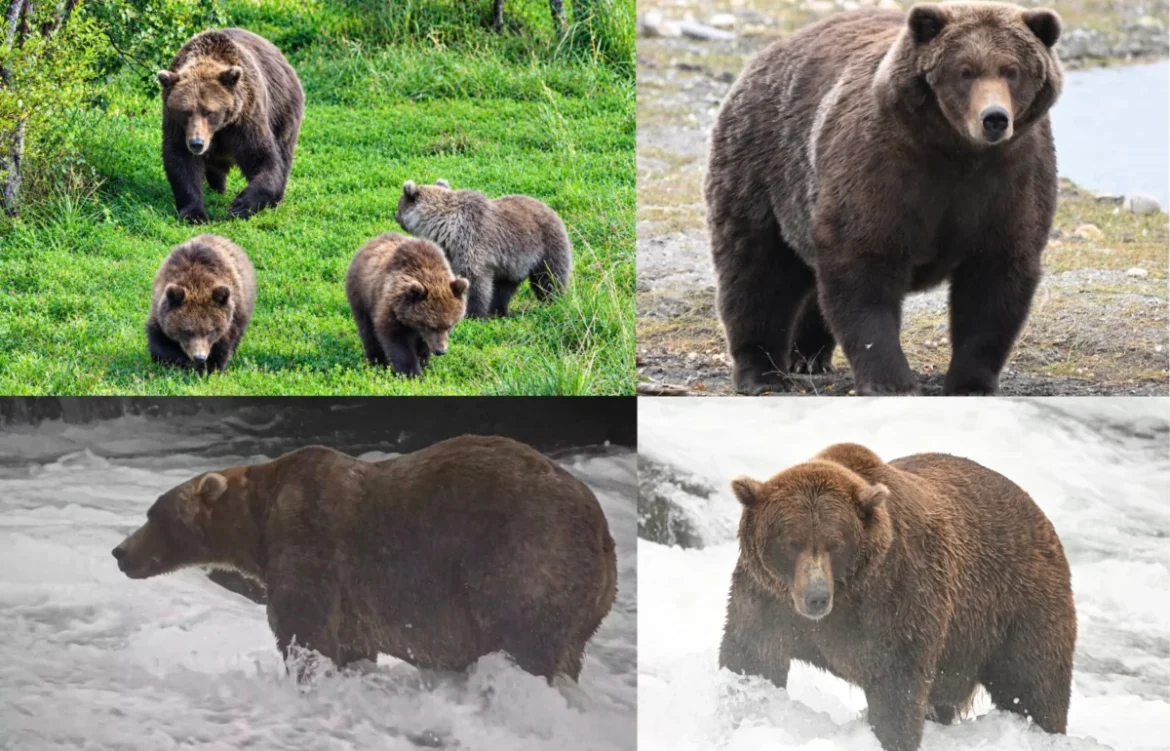
The stage is set for the conclusion of one of the most anticipated annual wildlife events in North America. As the sun sets on the Brooks River in Alaska’s Katmai National Park and Preserve, the bracket for Fat Bear Week 2026 has been whittled down from a field of formidable competitors to just two: Bear 89, affectionately known as Backpack, and Bear 910, often referred to by enthusiasts as the Dancing Queen. This culmination of weeks of public voting, expert analysis, and intense biological preparation marks the end of a season defined by record-breaking salmon runs and the remarkable resilience of the park’s brown bear population.
The final round of voting is scheduled to commence on September 29 at noon EDT, with the official champion to be crowned later that same day. This competition, which began as a modest educational initiative by the National Park Service and explore.org, has blossomed into a global phenomenon that draws millions of viewers to the live "bear cams," providing a rare, unfiltered window into the lifecycle of Ursus arctos horribilis.
A Semifinal Recap: The Path to the Championship
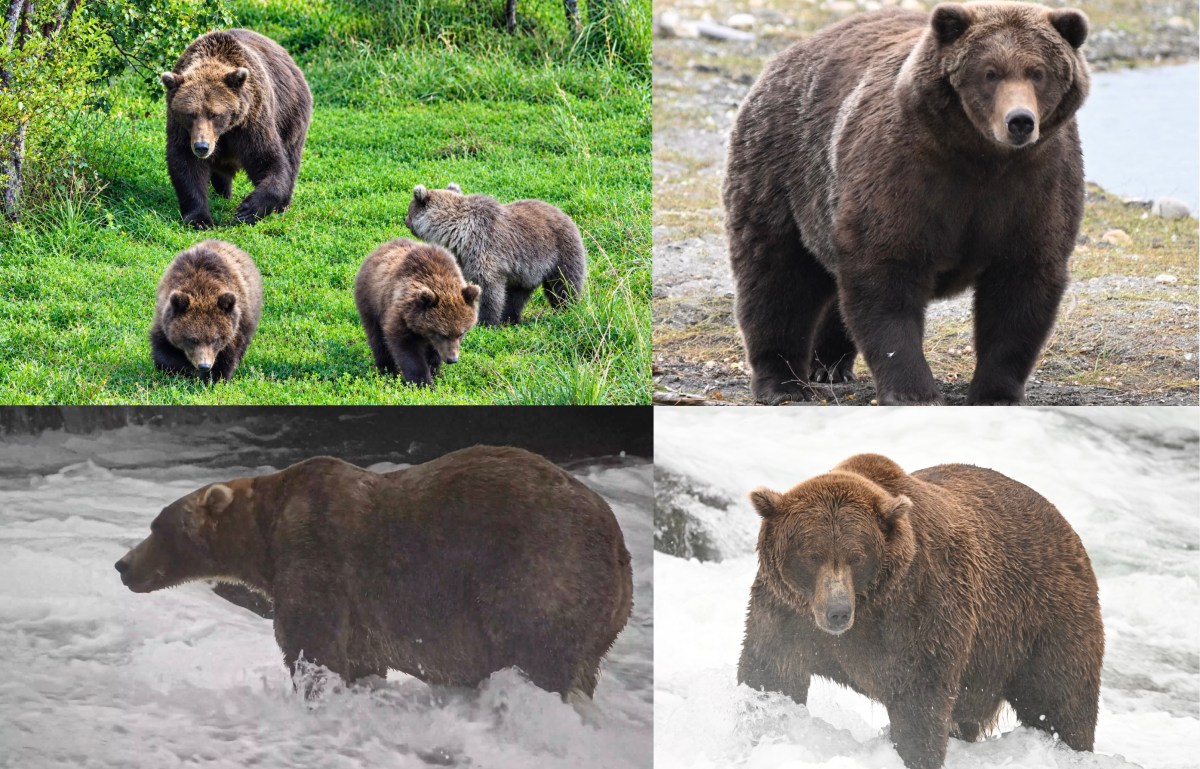
The road to the final was paved with narrow margins and compelling narratives. In the first semifinal match, Bear 910 triumphed over Bear 132, a mother bear whose journey this season captured the hearts of thousands. Bear 132, a newcomer to the competition, navigated the perils of the Brooks River with three cubs, overcoming a harrowing incident in mid-July where one of her offspring became separated from the family unit for several days. Her ability to navigate the social hierarchy of the river while managing the safety of her litter provided a masterclass in ursine maternal instincts.
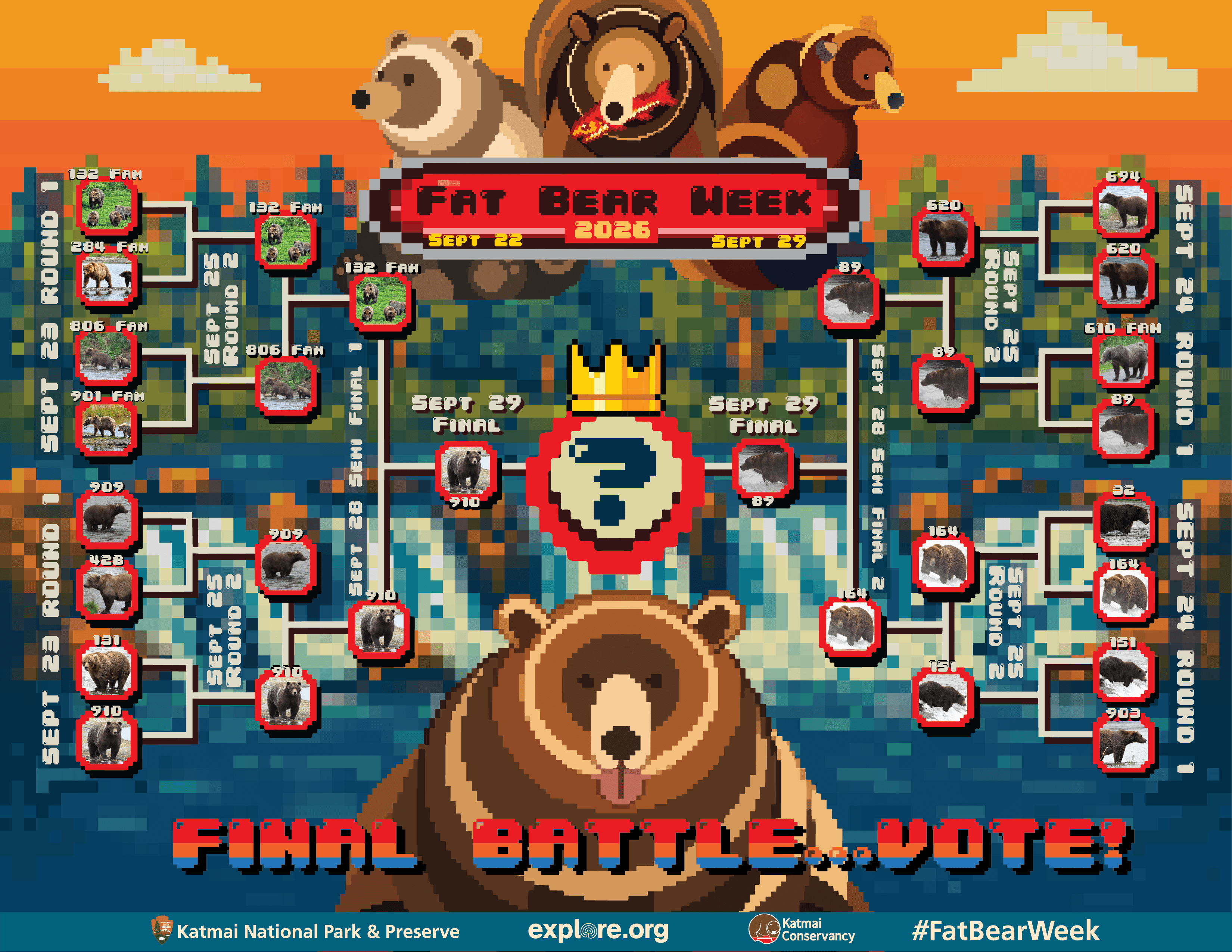
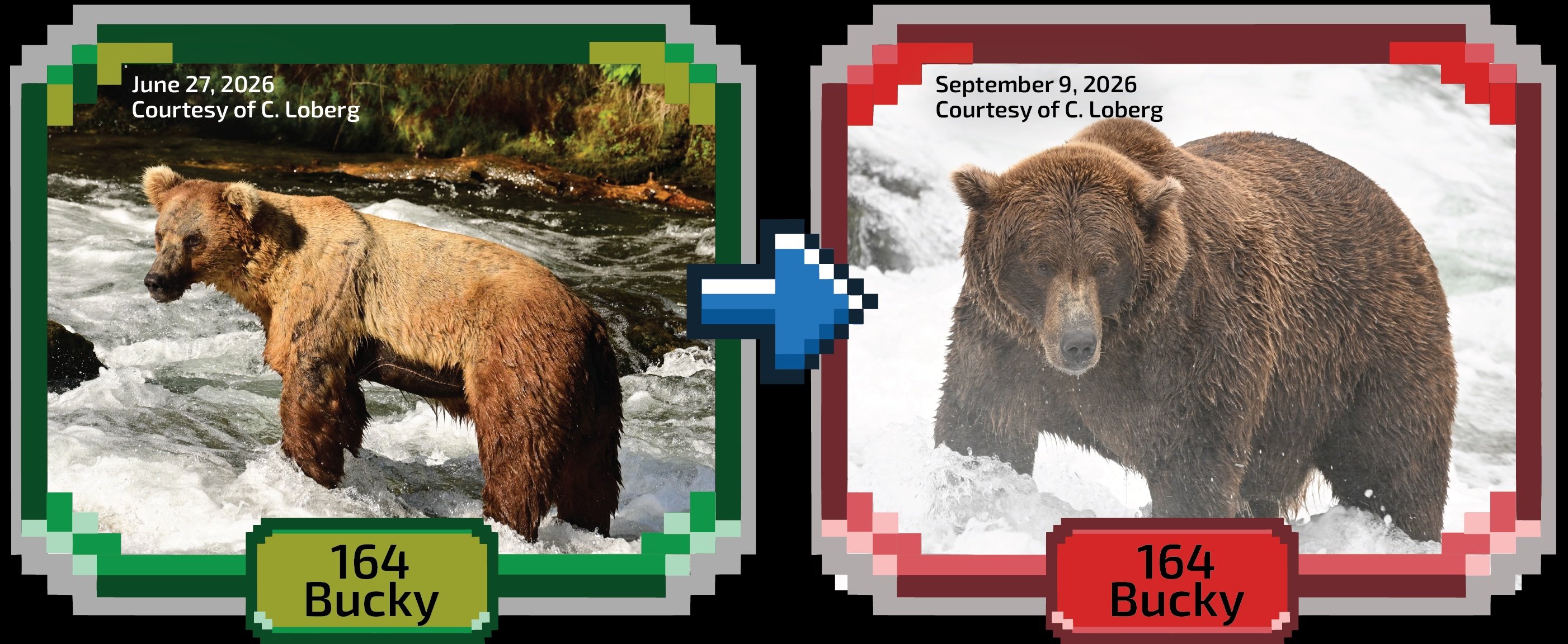
Simultaneously, the second semifinal proved to be the most contentious match of the 2026 tournament. Bear 89 (Backpack) faced off against Bear 164 (Bucky Dent) in a duel that kept observers on the edge of their seats throughout the day. The contest was decided by the slimmest of margins, ultimately ending in a victory for Backpack. The matchup highlighted two distinct strategies for survival: the patient, opportunistic style of the older, battle-hardened Backpack versus the innovative, aggressive territoriality of the younger Bucky Dent.
The Contenders: A Study in Resilience and Adaptation
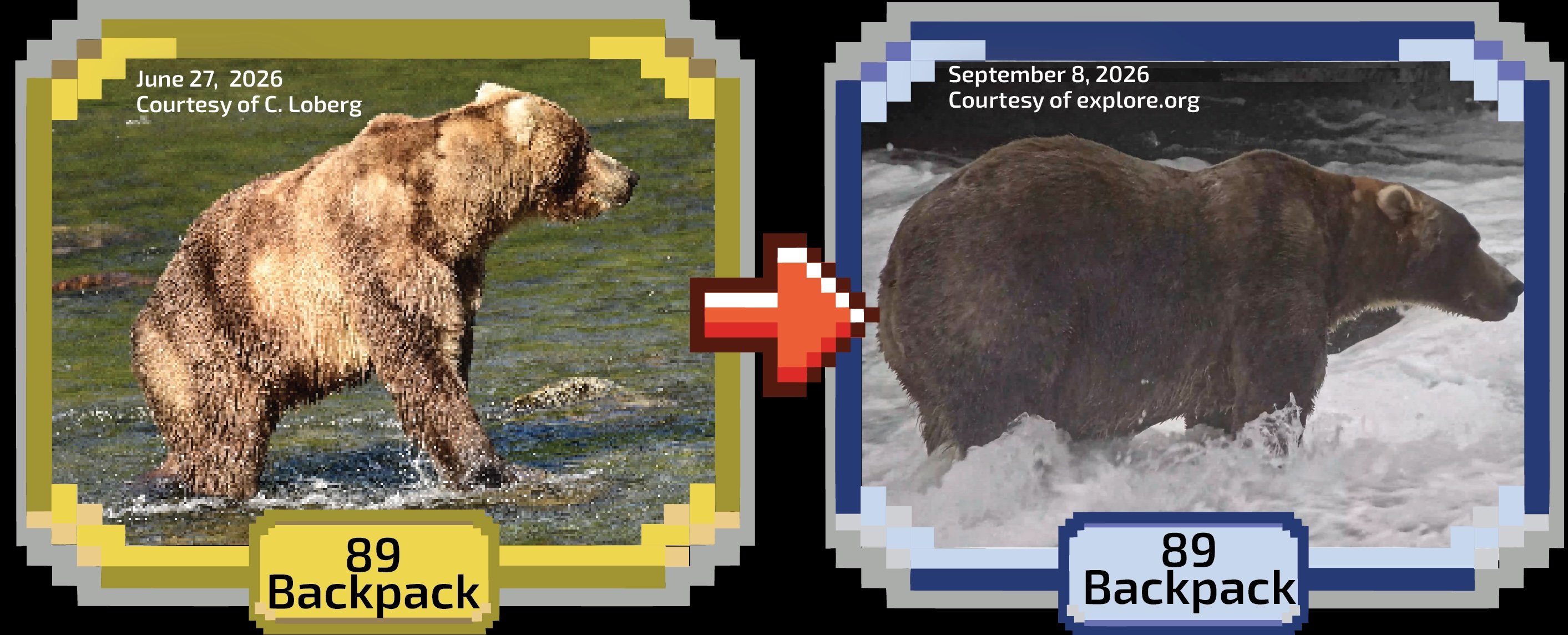
The two finalists represent the diversity of success strategies found within Katmai’s thriving ecosystem. Bear 89, now 20.5 years old, is a legacy figure at the Brooks River. As the son of the legendary 2019 Fat Bear Week champion, Bear 435 (Holly), his life has been defined by overcoming early-life adversity. In 2007, as a yearling, he suffered a debilitating leg injury that left park rangers skeptical of his survival prospects. His recovery—facilitated by his mother’s protection—remains one of the most cited examples of wildlife resilience in the park’s recent history. Backpack’s current stature, characterized by a quiet, non-confrontational demeanor, stands in stark contrast to the dominant, high-energy tactics employed by younger bears like Bucky Dent.
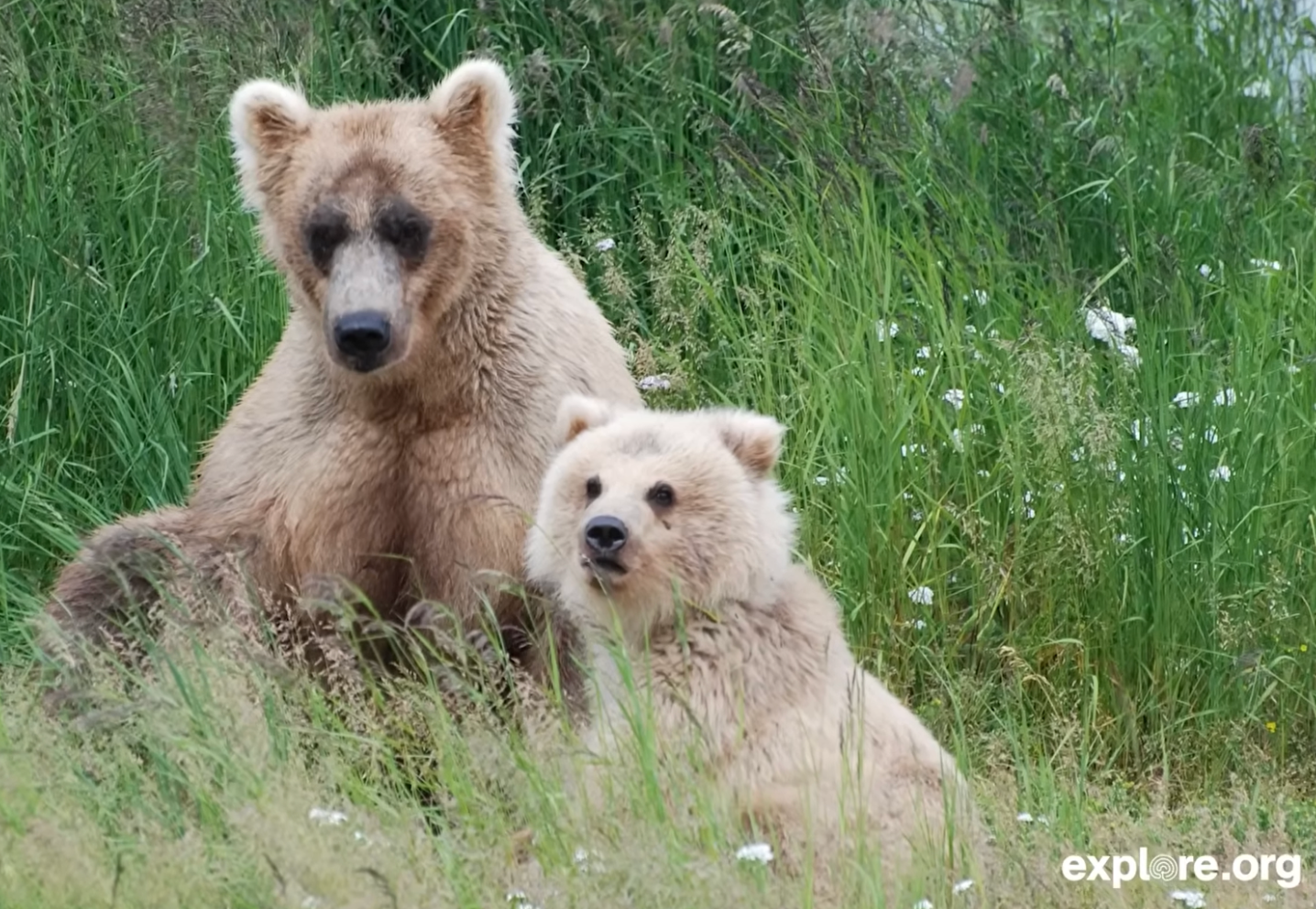
On the other side of the bracket, Bear 910 offers a different narrative of social evolution. In 2022, she made headlines for an exceptionally rare act of inter-familial adoption, taking in her sister’s 2.5-year-old cub alongside her own spring cub. Such behavior challenges the conventional understanding of ursine social structures, which typically prioritize direct lineage. Her current reputation, earned through her distinct "head-tossing" maneuver—a signature movement performed while fishing at the lip of the falls—has made her a fan favorite. Since separating from her blended family in 2025, she has established herself as a formidable, solitary fisher capable of claiming the most productive areas of the river.
The Science of "Fatness" and Biological Context
Fat Bear Week is far more than a popularity contest; it is an annual public awareness campaign regarding the biological imperative of hyperphagia. In the months leading up to hibernation, brown bears in Katmai must consume an extraordinary amount of caloric energy to survive the winter. During the peak salmon runs of late summer and early autumn, a large adult male can consume upwards of 30 to 40 salmon in a single day, often exceeding 10,000 to 20,000 calories.

The "fatness" observed in these bears is not merely an aesthetic quality; it is a vital metabolic reserve. According to data provided by Katmai National Park, a bear’s ability to store subcutaneous fat dictates its survival rate during the winter denning period and, for females, determines their capacity to produce milk for cubs in the spring. The competition serves as a surrogate for the public to engage with complex topics like salmon population health, riparian ecosystem integrity, and the long-term impacts of climate change on arctic and subarctic habitats.
The Role of Citizen Science and Public Engagement
The National Park Service maintains a strict policy regarding the "humanization" of wildlife, yet the use of identification numbers remains the primary method for cataloging the bears. While park officials provide three-digit IDs—such as 132 or 910—to ensure objective monitoring, the adoption of nicknames by the public has become an integral part of the event’s success.

"We recognize that the public finds a deeper connection to these animals when they can track their personal histories," notes one park representative. "However, it is crucial that the public remembers these are apex predators. Our monitoring process is rooted in behavioral observation, tracking physical changes, and noting spatial usage. When a bear is observed utilizing the Brooks River on three distinct occasions in a single season, they are formally entered into the monitoring system."
This framework ensures that the competition remains grounded in scientific reality. By following the daily lives of these bears, the public is essentially participating in a massive, real-time citizen science project. The data gathered via the live cams contributes to a broader understanding of how climate patterns in the Pacific impact the salmon runs, which in turn dictate the success of the Katmai bear population.
Implications for the Future of Katmai
The success of Backpack and 910 in reaching the final round underscores a shift in the park’s demographics. As both bears are still in their prime years, wildlife biologists anticipate that the rivalry witnessed in the 2026 bracket will continue to evolve over the next decade. The implications of this are significant: as the bear population at Brooks River continues to grow and compete for limited prime fishing real estate, the strategies employed by these bears—ranging from Bucky Dent’s innovative "deep plunge pool" method to the social complexities of Bear 910—will likely become increasingly sophisticated.
Furthermore, the event serves as an economic and educational boon for the region. The tourism generated by the interest in the bears supports infrastructure maintenance and conservation efforts within the park. As the voting window for the final round approaches, the National Park Service emphasizes that the ultimate goal is not the selection of a winner, but the fostering of a global constituency that advocates for the preservation of wild spaces.
Final Voting Logistics
For those participating in the final selection, the window of opportunity is narrow. Voting opens at 12:00 PM EDT and will close promptly at 9:00 PM EDT on September 29. The results are expected to be announced shortly thereafter. The process is conducted via the official explore.org platform, which hosts the interactive bracket. As the final countdown begins, the question remains: will the quiet, resilient legacy of Backpack carry the day, or will the charismatic, innovative dominance of the Dancing Queen prevail? Regardless of the outcome, both bears have already succeeded in their primary task—achieving the vital weight necessary to endure the harsh Alaskan winter.