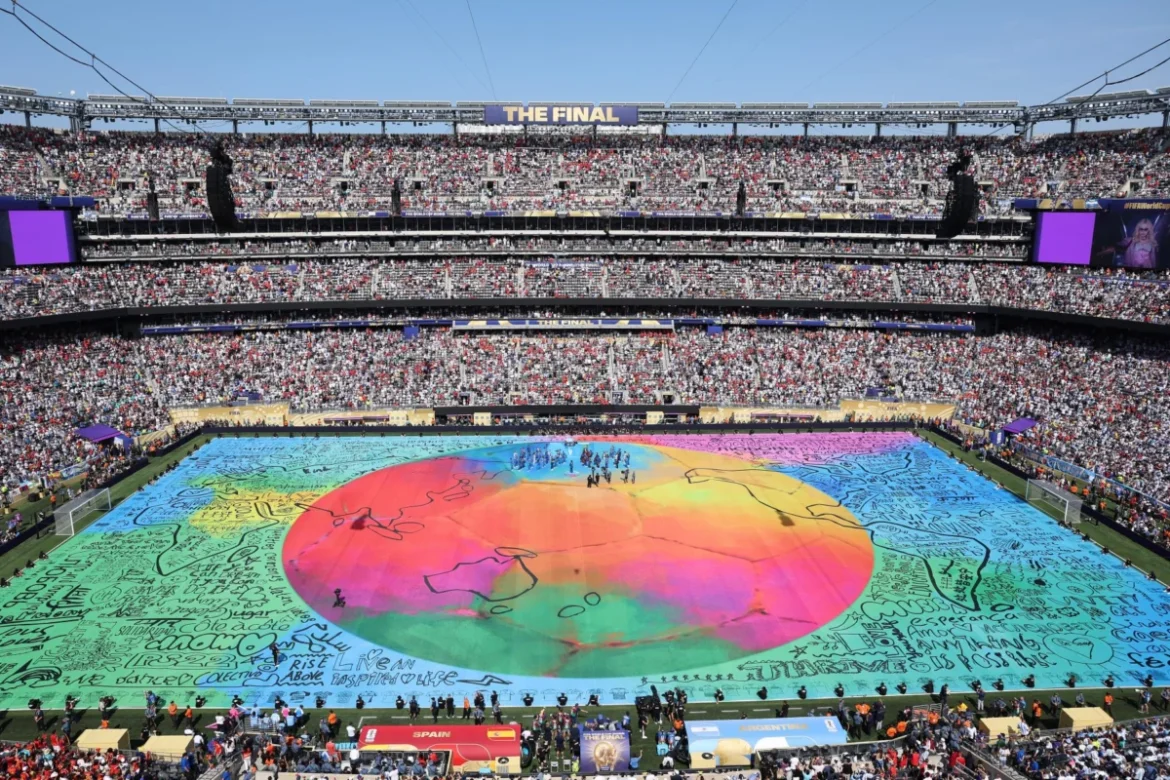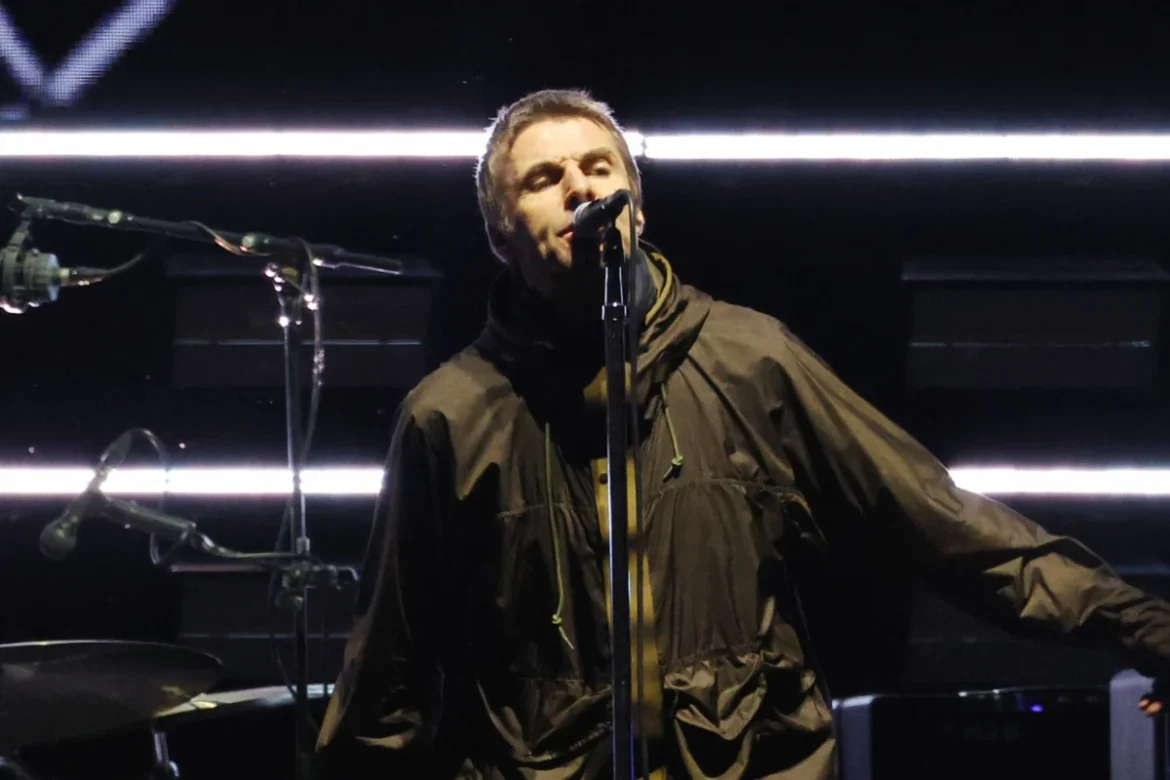
The climax of the FIFA World Cup final, a highly anticipated clash between Spain and Argentina, was punctuated not only by thrilling athletic prowess on the pitch but also by a flamboyant halftime performance that drew a sharp rebuke from Oasis frontman Liam Gallagher. The iconic British rocker, known for his unvarnished opinions, took to social media platform X (formerly Twitter) to express his profound dissatisfaction with the extravagant musical extravaganza, which featured an eclectic lineup of global superstars. Gallagher’s scathing assessment, describing the show as a "bad trip," ignited a conversation about the intersection of elite sporting events and high-profile entertainment, and the varying reception such collaborations can garner.
The halftime show, a sprawling production designed to entertain a global audience estimated to be in the hundreds of millions, aimed to weave together diverse artistic expressions. Headlining the spectacle was pop music titan Madonna, who delivered a dynamic performance of her 2000 hit "Music" and her latest single "Danceteria" from her recently released album Confessions II. Her entrance was as dramatic as her music, as she was transported through the stadium’s subterranean passages in a golf cart, piloted by legendary Brazilian footballers Ronaldo and Ronaldinho, adding a layer of footballing royalty to the musical procession.
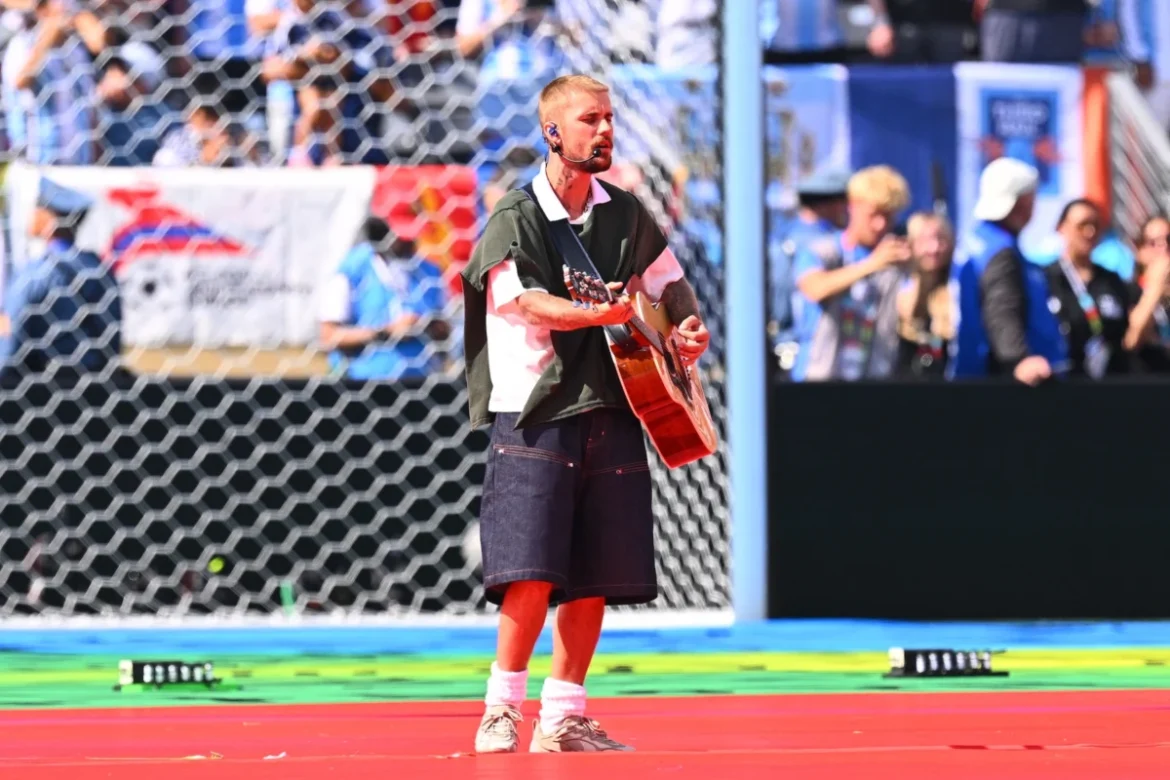
Following Madonna’s energetic opening, the stage transformed to accommodate a series of brief but impactful appearances by other global music sensations. K-pop megastars BTS offered a tantalizing snippet of their global smash hit "Dynamite," momentarily electrifying the stadium with their signature vibrant energy. The show then took a comedic detour as actor Jason Sudeikis, reprising his beloved character Coach Ted Lasso from the popular Apple TV+ series, appeared alongside his on-screen deputy Coach Beard (Brendan Hunt) to deliver an inspirational pep talk. This segment culminated in Justin Bieber taking center stage to perform a rendition of his song "Everything Hallelujah," a moment that sought to blend contemporary pop with the aspirational spirit of the World Cup.
The musical tapestry continued to expand with a collaborative performance of "Dai Dai" by Colombian superstar Shakira and Nigerian Afrobeat pioneer Burna Boy, a pairing that underscored the diverse musical influences showcased. Adding an element of youthful exuberance and community spirit, the PS 22 Chorus, a choir comprised of fourth and fifth graders from a Staten Island public elementary school, performed a song titled "We Dance," penned by British rock band Coldplay. The performance was further elevated by the surprise appearance of Coldplay’s frontman, Chris Martin, who joined the young singers on stage, creating a heartwarming intergenerational collaboration. The show also featured a contribution from acclaimed Venezuelan conductor Gustavo Dudamel, who led an orchestral performance, further diversifying the artistic palette. Notably, the inclusion of beloved Muppet characters added a whimsical, family-friendly dimension to the already eclectic lineup.
Liam Gallagher’s visceral reaction to this multifaceted performance was swift and unambiguous. “This is like a bad trip,” the former Oasis singer declared on X, articulating a sentiment that, while polarizing, resonated with a segment of the audience who may have found the eclectic mix jarring or disconnected from the gravity of the World Cup final. He further elaborated, humorously adding, “It’s a good job I’ve got my spiritual socks on or that halftime entertainment could have tipped me over the edge.” This remark, delivered with Gallagher’s characteristic wit and bravado, highlighted his personal aesthetic preferences and perhaps a perceived dissonance between the high-octane, often gritty nature of football and the polished, pop-centric entertainment offered.
Gallagher’s outspokenness is not new; he has been a vocal observer of the tournament, particularly in relation to England’s performance. His disappointment over England’s semi-final exit, which paved the way for Argentina to face Spain in the final, was palpable. Oasis’s iconic anthem "Wonderwall" had become an unofficial rallying cry for the English team leading up to their crucial semi-final match, with Gallagher himself actively promoting its association with the national team. His pre-match message, "Cmon England cmon Wonderwall," underscored his deep engagement with the sporting event and his hope for England’s success. The eventual loss, therefore, likely amplified his critical stance on the subsequent proceedings, including the halftime show.
The FIFA World Cup, as a global sporting spectacle, has increasingly sought to integrate high-profile entertainment into its proceedings. The halftime show at the final is not merely a musical interlude; it is a carefully curated segment designed to capture the attention of a diverse, international audience, blending the universal appeal of music with the shared passion for football. Over the years, these performances have evolved from relatively simple musical acts to elaborate, multi-artist productions featuring some of the world’s biggest names. The inclusion of artists like Madonna, Bieber, and BTS reflects FIFA’s strategy to broaden the event’s appeal beyond traditional football fan demographics, aiming to create a holistic entertainment experience.
However, the very diversity that such shows aim for can also be a source of criticism. What one viewer perceives as a vibrant, inclusive showcase of global talent, another might see as a disjointed or even overwhelming display. Gallagher’s "bad trip" comment speaks to this potential disconnect. For fans who associate the World Cup with raw passion, national pride, and the unifying power of sport, a performance perceived as overly commercialized or artistically disparate might detract from the core experience. The inclusion of fictional characters like the Muppets, while intended to add a lighthearted element, could also be seen by some as a departure from the serious competitive spirit of the final match.
The logistical and creative challenges of staging such a complex halftime show are immense. Coordinating the schedules and performances of multiple international artists, ensuring seamless transitions, and accommodating the technical demands of a live stadium broadcast requires significant planning and execution. The production teams must balance artistic integrity with mass appeal, striving to create moments that resonate with a wide spectrum of cultural backgrounds and musical tastes. The inclusion of a children’s choir and a renowned conductor like Dudamel alongside pop icons and K-pop stars demonstrates an ambitious attempt to achieve this balance.
Beyond the immediate reactions, the controversy surrounding Gallagher’s comments touches upon broader implications for major sporting events. The integration of celebrity performances at the World Cup final raises questions about authenticity, commercialization, and the very essence of what constitutes a fitting celebration of global sport. While such performances undoubtedly generate significant buzz and attract additional viewers, they also risk alienating purists who believe the focus should remain solely on the athletic contest. The debate highlights the ongoing tension between sport as a pure athletic pursuit and sport as a global entertainment commodity.
Furthermore, the presence of K-pop group BTS, a phenomenon with a dedicated global fanbase, underscores the evolving landscape of entertainment and its influence on major international events. Their brief appearance, while perhaps brief, served to tap into the massive reach and influence of the group, demonstrating FIFA’s awareness of contemporary cultural trends. Similarly, the inclusion of elements from popular culture, such as the Ted Lasso characters, reflects an effort to connect with audiences through shared media experiences.
The context of Gallagher’s criticism also includes his own musical legacy and that of Oasis. The band, known for their anthemic rock sound and working-class roots, often evoked a sense of British identity and cultural authenticity. "Wonderwall," in particular, has transcended its origins to become a cultural touchstone, deeply intertwined with national sentiment during moments of sporting significance. Therefore, Gallagher’s perspective might be informed by a desire to see the World Cup final remain a more grounded, perhaps more traditionally British-influenced, celebration, rather than a globalized, multi-genre entertainment spectacle.
Looking ahead, the success of such halftime shows will likely continue to be debated. While artists like Madonna, Bieber, and Shakira bring undeniable star power and proven track records of captivating large audiences, the critical reception can vary widely. The challenge for organizers like FIFA is to curate performances that are both artistically compelling and thematically aligned with the spirit of the event, without alienating significant portions of their diverse audience. Liam Gallagher’s blunt assessment serves as a stark reminder that even the most meticulously planned entertainment can elicit passionate, and sometimes critical, responses from those who feel a deep connection to the sporting event itself.
In related news, Oasis is slated to release Don’t Look Back in Anger, a documentary chronicling the Gallagher brothers’ tumultuous relationship and their unlikely comeback, in September. This film, a project helmed by Peaky Blinders creator Steven Knight and directed by Dylan Southern and Will Lovelace, is set to premiere in IMAX and cinemas before becoming available on Hulu and Disney+. The documentary’s release further contextualizes Gallagher’s current public persona and his ongoing engagement with cultural narratives, both sporting and artistic. His pronouncements, therefore, are not just fleeting reactions but part of a larger, ongoing narrative of a prominent cultural figure.
The FIFA World Cup final, a quadrennial event that captivates billions, is a stage where athletic achievement and cultural expression converge. While the focus of the game remains the 22 players on the pitch vying for ultimate glory, the moments surrounding the contest, including the halftime entertainment, have become an integral part of the global spectacle. Liam Gallagher’s critique, while sharp, highlights the subjective nature of artistic appreciation and the diverse expectations audiences bring to such high-profile events. As sporting bodies continue to integrate entertainment, the balance between broad appeal and authentic connection will remain a key consideration, ensuring that the halftime show, like the game itself, sparks conversation and leaves a lasting impression, for better or for worse.