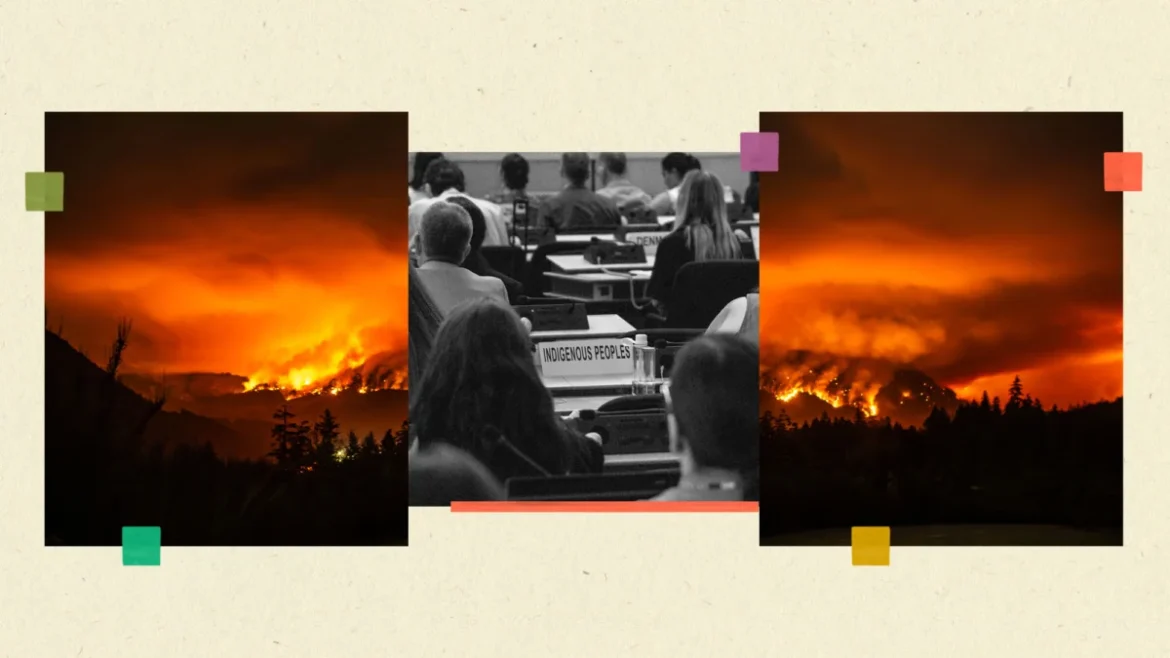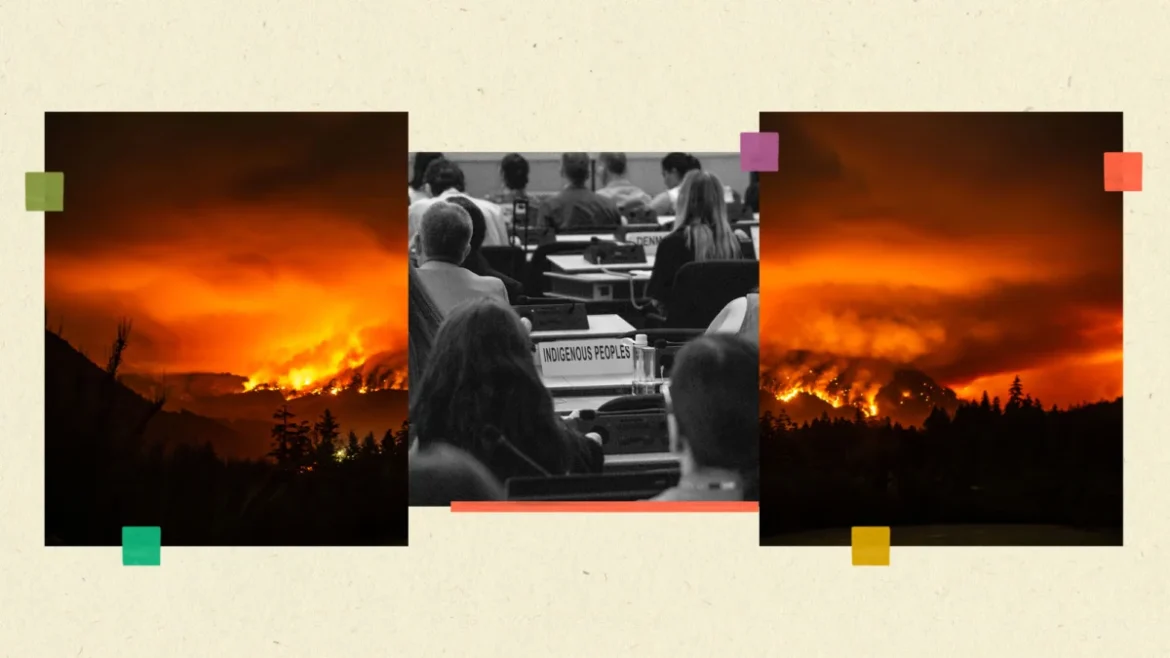
The Canadian wildfire season has reached a catastrophic inflection point, with more than 900 active blazes tearing through the nation’s wilderness and placing Indigenous communities on the front lines of an escalating environmental disaster. As of late July, 13 First Nations remain under mandatory evacuation orders, a crisis that has displaced 2,182 individuals from their ancestral lands. While the scope of the destruction is national, the tragedy has found a harrowing focal point in the Namaygoosisagagun (Collins) First Nation in Northern Ontario. The community was virtually erased from the map this week as a fast-moving inferno reduced homes and infrastructure to ash in less than an hour, leaving residents to flee for their lives by water.
The destruction of Namaygoosisagagun has ignited a fierce debate regarding the adequacy of Canada’s emergency response protocols and the deep-seated jurisdictional complexities that continue to leave "unrecognized" Indigenous communities vulnerable during times of national peril. As the smoke clears over the scorched remains of the settlement, the focus has shifted from immediate survival to a complex legal and humanitarian struggle for recovery and official recognition.
The Rapid Destruction of Namaygoosisagagun
The events of Wednesday afternoon in Namaygoosisagagun, located approximately 125 miles north of Thunder Bay, unfolded with terrifying speed. Residents described a scene of chaos and desperation as a wildfire, fueled by high winds and tinder-dry conditions, advanced on the roadless community. With no highway access and no formal warning from provincial or federal authorities, the members of the First Nation were forced to rely on their own internal alarm systems.
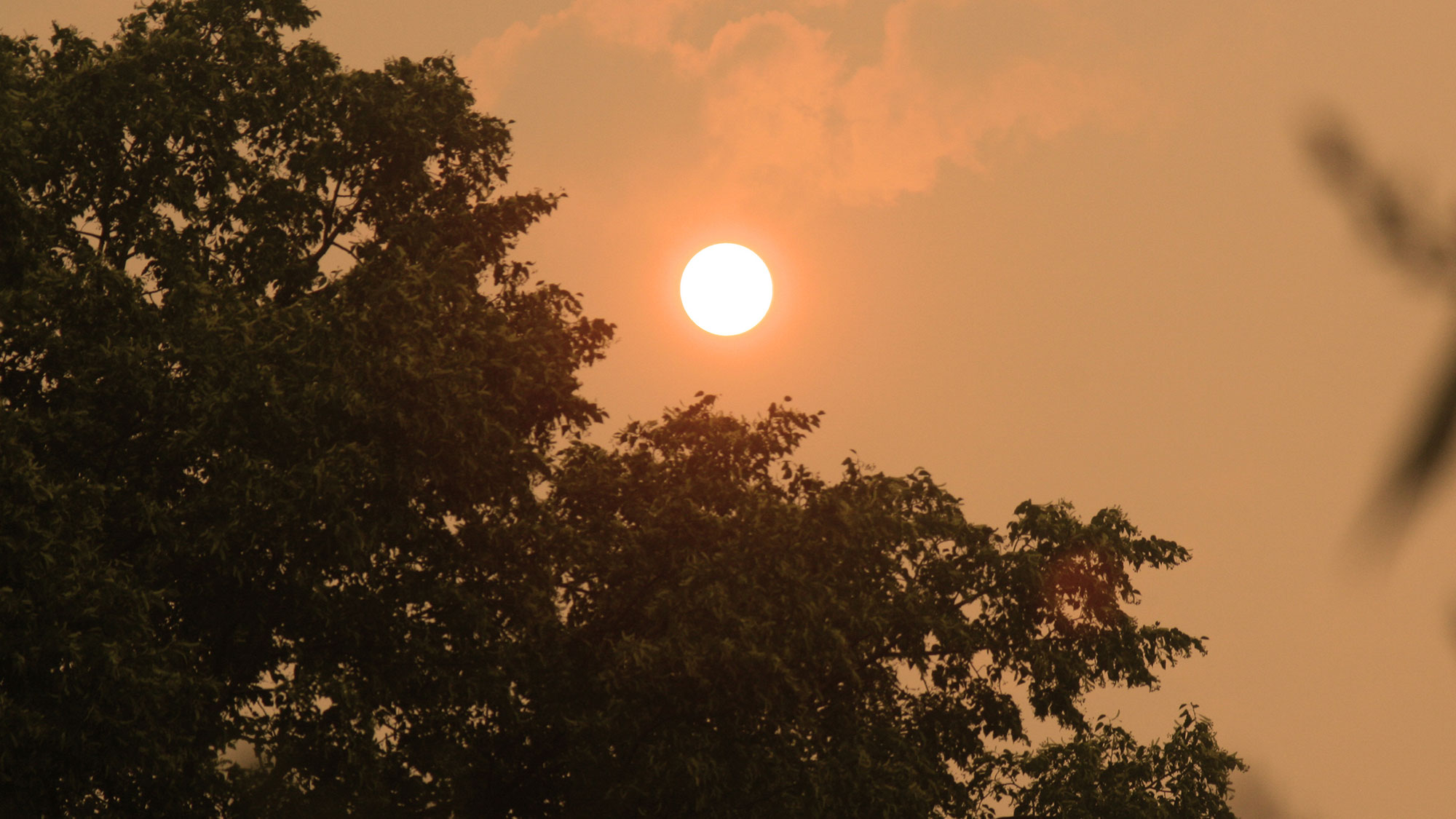
Reports indicate that community members went door-to-door, shouting warnings to neighbors as the smell of smoke turned into a visible wall of flame. Within minutes, the heat became unbearable, and the sky turned a bruised orange. With no aerial support or firefighting equipment on site, more than two dozen residents were forced to abandon their belongings and flee into the water, using private boats to distance themselves from the advancing firefront.
Anishinabek Nation Grand Council Chief Linda Debassige confirmed the extent of the tragedy in a somber public statement. "It is with heartfelt sadness that I share that our member First Nation, Namaygoosisagagun First Nation, has been devastated by an unexpected and fast-moving wildfire that advanced toward and through the community, causing extensive damage and destruction to homes and community buildings," Debassige stated. While a full assessment of the property damage is still pending, preliminary reports suggest that the community’s core infrastructure has been entirely compromised. Fortunately, all community members have been accounted for, though the psychological and economic toll is expected to be permanent.
A National Crisis: Data and Statistics
The situation in Namaygoosisagagun is a localized manifestation of a broader national emergency. According to data provided by the Canadian Wildland Fire Information System (CWFIS), there were 903 active fires burning across the country as of Friday. Of these, 750 are classified as "out of control," indicating that firefighting efforts have yet to establish a perimeter or slow the rate of spread.
The volatility of the current season is underscored by the fact that 43 new fires were ignited within a single 24-hour period this week. While the entire country is experiencing heightened fire activity, Ontario has emerged as the most critical theater of operation. Currently, 193 fires are burning within the province’s borders. The impact on Indigenous populations in Ontario is disproportionately high; seven First Nations have been forced to evacuate, including Namaygoosisagagun, Whitesand First Nation, Kiashke Zaaging Anishinaabek, and Animbiigoo Zaagi’igan Anishinaabek.
The displacement of over 2,000 Indigenous people represents a significant humanitarian challenge. Many of these communities are remote, meaning evacuations require complex logistical coordination involving the Ontario Provincial Police (OPP), the Canadian Armed Forces, and various regional aviation services. In many instances, the leadership of these Nations has had to issue mandatory orders with little lead time, leading to a frantic exodus into urban centers like Thunder Bay and Sioux Lookout, where social services are already stretched thin.
The Bureaucratic Barrier: The Fight for Recognition
The tragedy at Namaygoosisagagun is compounded by a long-standing legal dispute with the federal government. Despite the fact that the residents are recognized as First Nations people under the Indian Act, the community of Namaygoosisagagun itself does not hold "recognized" status as a distinct First Nation band. This technicality has had devastating real-world consequences during this crisis.
Meaghan Daniel, a lawyer representing the Collins First Nation, has publicly accused the federal government of denying the community essential emergency and recovery aid based on this lack of official recognition. Because the community is not "registered" in the traditional sense, it falls into a jurisdictional grey zone where neither the provincial nor federal governments take full responsibility for its emergency management infrastructure.
"To be clear, if Namaygoosisagagun is denied access to the emergency and rebuilding supports available to recognized First Nations, it will not simply suffer a slower recovery," Daniel wrote in an urgent letter to Mandy Gull-Masty, the Indigenous Services Minister. "It may lose forever the opportunity to rebuild the community its members spent decades creating. In those circumstances, the question is not merely whether recovery will be delayed. It is whether Namaygoosisagagun will have a future in the place it has called home since time immemorial."
This "recognition gap" highlights a systemic issue within the Canadian Department of Indigenous Services. While the government often provides aid to individuals, the collective infrastructure of "unrecognized" communities often lacks the same insurance and disaster-relief safety nets afforded to others. In response to the growing outcry, Eric Head, a spokesperson for Indigenous Services Canada, stated in an email that efforts are finally underway to determine the community’s immediate needs and coordinate support, though he did not clarify if full reconstruction funding would be granted.
Political Reactions and Calls for Reform
The perceived neglect of Namaygoosisagagun and the broader difficulties faced by Indigenous communities have sparked a wave of political backlash. During an emergency meeting on Wednesday, the Chiefs of Ontario expressed profound frustration with the bureaucratic hurdles required to access basic emergency response services.
Ontario Regional Chief Abram Benedict emphasized that the current system is bogged down by "financial discussions and technicalities" at a time when lives are at risk. "Jurisdictional disputes and administrative delays have immediate consequences," Benedict said. "The priority of our leadership is to get people out as quickly and safely as possible. This needs to be everyone’s priority."
The Assembly of First Nations (AFN), meeting for its national assembly in Ottawa this week, responded by passing several emergency resolutions. These resolutions demand that the federal government provide immediate and ongoing support for Namaygoosisagagun and other impacted Nations, regardless of their official status under the Indian Act. The AFN is also calling for a complete overhaul of how wildfire communication is handled between the federal government, provincial agencies, and Indigenous leadership.
The lack of communication has been a recurring theme throughout this fire season. Leaders in Namaygoosisagagun noted that they received no official notice of the fire’s proximity, a failure that nearly resulted in a mass casualty event. This communication gap is increasingly viewed as a violation of the Crown’s fiduciary duty to protect Indigenous lives.
Analysis of Implications: Climate Change and Cultural Loss
The 2024 wildfire season follows the record-breaking destruction of 2023, suggesting a "new normal" for Northern Canada. Climate scientists point to a combination of factors—including prolonged droughts, higher-than-average spring temperatures, and an increase in lightning-induced ignitions—as the primary drivers of the crisis. For remote First Nations, these environmental shifts represent an existential threat.
Beyond the physical loss of homes, the destruction of communities like Namaygoosisagagun represents a profound loss of cultural heritage. These communities are often the sites of traditional knowledge transfer, language preservation, and spiritual practices tied to the land. When a community is forced to relocate or is unable to rebuild due to lack of funding, the social fabric of the Nation is torn.
Furthermore, the economic implications are staggering. The cost of rebuilding a remote community accessible only by boat or air is significantly higher than in urban areas. Materials must be flown or barged in, and specialized labor is difficult to secure. Without significant federal intervention, there is a very real possibility that Namaygoosisagagun will become a "ghost community," with its residents permanently scattered into urban centers where they may face further marginalization.
Looking Ahead
As the fires continue to burn across the Boreal forest, the immediate focus remains on the safety of the 2,000-plus evacuees. However, the tragedy of Namaygoosisagagun has forced a national conversation about the rights of Indigenous people to safety and recovery, regardless of colonial-era legal definitions.
The Anishinabek Nation has called for a period of mourning and prayer for those who have lost everything. "We ask that you please keep Chief Paavola, the citizens of Namaygoosisagagun First Nation, and all those affected by these wildfires in your prayers," the Nation said in a statement. "Our Anishinabek Nation family will be with you."
As the federal government faces increasing pressure to rectify the "recognition" status of the Collins First Nation, the outcome of this case will likely set a precedent for how Canada handles emergency management for other "unrecognized" Indigenous settlements in the future. For now, the people of Namaygoosisagagun wait in temporary shelters, their future as a community hanging in the balance as the smoke from their homes continues to drift across the Ontario wilderness.