
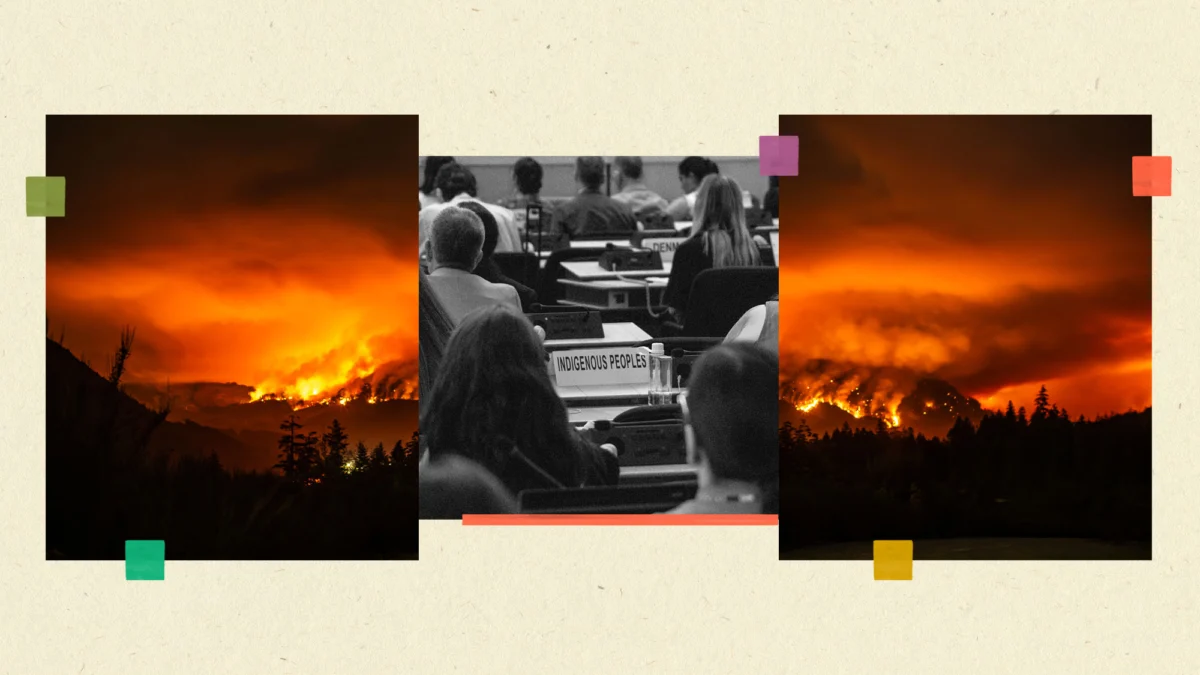
A massive wave of wildfires sweeping across the Canadian wilderness has reached a catastrophic turning point, with more than 900 active blazes currently ravaging the landscape. The human toll of this environmental disaster is being felt most acutely by First Nations communities, where a combination of geographic isolation, systemic administrative barriers, and rapidly moving flames has created a humanitarian emergency. As of Friday, 13 First Nations remain under mandatory evacuation orders, resulting in the displacement of 2,182 people from their ancestral lands. Among the most harrowing reports is the near-total destruction of the Namaygoosisagagun (Collins) First Nation, a community that was largely erased by a fast-moving fire in less than an hour.
The scale of the current wildfire season has placed an unprecedented strain on national and provincial resources. According to the Canadian Wildland Fire Information System, there are 903 fires burning across the country, with a staggering 750 of those classified as "out of control." In the last 24 hours alone, 43 new fires were detected, illustrating the volatile and unpredictable nature of the current atmospheric conditions. While the fires span the breadth of the country, the province of Ontario has become a primary flashpoint, with 193 active fires and seven First Nations forced to flee their homes.
The Tragedy at Namaygoosisagagun
The Namaygoosisagagun First Nation, also known as Collins, is located approximately 125 miles north of Thunder Bay. Accessible only by boat or rail, its remote nature became a deadly trap on Wednesday when a wildfire advanced with terrifying speed. Community members reported having only minutes to gather essential belongings as the fire front breached the community perimeter. Residents described a scene of chaos and desperation as they went door-to-door to warn neighbors, ultimately fleeing by boat onto the water as flames consumed homes and community infrastructure behind them.
Anishinabek Nation Grand Council Chief Linda Debassige confirmed the devastation in a somber public address, stating that the community had been "devastated by an unexpected and fast-moving wildfire." While Chief Debassige noted that all community members have been accounted for, the physical infrastructure of the Nation has been decimated. The loss includes private residences and essential community buildings, leaving the population of Namaygoosisagagun effectively homeless and in a state of profound shock.
Administrative Barriers to Emergency Relief
The tragedy at Namaygoosisagagun has highlighted a deep-seated systemic issue regarding the legal recognition of First Nations in Canada. Despite the fact that the residents are recognized as First Nations people under the Indian Act, the community of Namaygoosisagagun itself does not hold official "Band" status. This technicality has reportedly led to the denial of federal emergency assistance during the height of the crisis.
Meaghan Daniel, a legal representative for the community, has voiced sharp criticism of the federal government’s response. Daniel noted that because the national government does not officially recognize Namaygoosisagagun as a First Nation entity, the community was excluded from the standard emergency, recovery, and reconstruction supports provided to other recognized Nations. In a formal letter to Indigenous Services Minister Mandy Gull-Masty, Daniel warned that this lack of support could lead to the permanent dissolution of the community.
"To be clear, if Namaygoosisagagun is denied access to the emergency and rebuilding supports available to recognized First Nations, it will not simply suffer a slower recovery," Daniel wrote. "It may lose forever the opportunity to rebuild the community its members spent decades creating. The question is not merely whether recovery will be delayed. It is whether Namaygoosisagagun will have a future in the place it has called home since time immemorial."
In response to these allegations, Eric Head, a spokesperson for Indigenous Services Canada, stated that the agency is currently working to determine the community’s immediate needs. However, the delay in response and the lack of advance warning from provincial or national officials have sparked a broader debate about the safety and equity of Indigenous communities during climate-related disasters.
A Timeline of the Crisis
The current emergency is the result of a rapid escalation of fire activity over the past week, fueled by persistent drought conditions and high temperatures across the boreal forest regions.
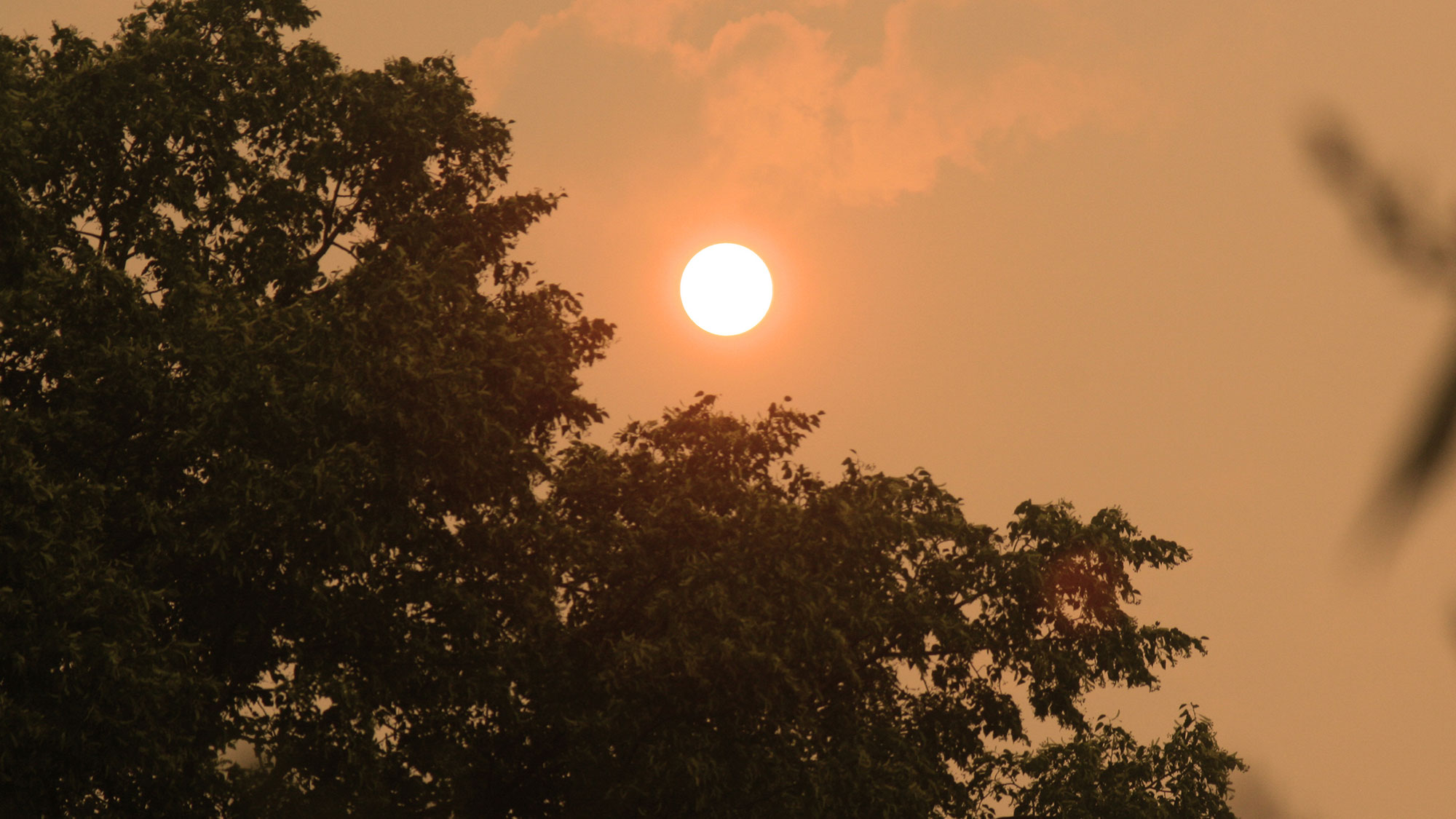
- Early Week: High-pressure systems over Northern Ontario and Western Canada created "tinderbox" conditions. Fire crews began monitoring several small lightning-strike ignitions near remote First Nations.
- Wednesday Morning: The fire near Namaygoosisagagun intensified unexpectedly due to shifting winds. No official evacuation order or warning was issued by provincial authorities before the fire reached the community limits.
- Wednesday Afternoon: Namaygoosisagagun residents evacuated by boat. Simultaneously, the Chiefs of Ontario held an emergency meeting to address the lack of communication and bureaucratic delays in emergency response.
- Thursday: The Assembly of First Nations (AFN), during their national assembly in Ottawa, passed emergency resolutions to provide immediate support for Namaygoosisagagun and other impacted communities. The resolution called for the federal government to bypass traditional bureaucratic hurdles to provide aid.
- Friday: National statistics confirmed 903 active fires. New mandatory evacuation orders were issued for several other communities, including Whitesand First Nation, Kiashke Zaaging Anishinaabek, and Animbiigoo Zaagi’igan Anishinaabek.
Broader Impact on Ontario’s First Nations
The crisis in Ontario is not limited to Namaygoosisagagun. The Chiefs of Ontario have reported that several other communities have been cleared under mandatory orders supported by the Ontario Provincial Police. These evacuations are often complicated by the remote nature of the settlements, many of which lack road access, necessitating expensive and logistically complex airlifts or water-based extractions.
Ontario Regional Chief Abram Benedict expressed profound frustration during the emergency proceedings on Wednesday, citing "jurisdictional disputes and administrative delays" as a primary threat to life. Benedict argued that the priority should be the immediate safety of people, rather than debates over which level of government—federal or provincial—is responsible for the financial costs of the evacuation.
"The priority of our leadership is to get people out as quickly and safely as possible," Benedict said. "This needs to be everyone’s priority rather than financial discussions and technicalities. We are on the front lines of this catastrophe that is having international impacts."
The "international impacts" Benedict referred to include the massive plumes of smoke crossing the border into the United States, affecting air quality for millions of people. However, for the First Nations on the front lines, the impact is not just atmospheric; it is existential.
Environmental and Climate Context
The 2024 wildfire season follows a record-breaking 2023 season, which saw more than 18 million hectares of land burned across Canada. Climate scientists point to a clear trend of increasing fire intensity and frequency in the North. The boreal forest, which circles the northern hemisphere, is warming at nearly four times the global average. This warming leads to drier soil, more frequent lightning strikes, and a longer fire season.
For Indigenous communities, these environmental changes are particularly devastating. Many First Nations rely on the land for traditional hunting, fishing, and cultural practices. When a forest burns, it is not just timber that is lost, but a complex ecosystem that sustains a way of life. The destruction of Namaygoosisagagun represents a loss of heritage and a disruption of the connection to the land that has existed for generations.
Analysis of Implications
The situation at Namaygoosisagagun serves as a stark case study in the intersection of climate change and systemic inequality. The failure to provide advance warning to a remote community, coupled with the refusal of aid based on administrative "recognition," suggests a significant gap in Canada’s disaster management framework.
The implications of this crisis are three-fold:
- Legal Precedent: The struggle for Namaygoosisagagun to receive aid may force a legal and political re-evaluation of how "unrecognized" Indigenous communities are supported during national emergencies.
- Infrastructure Vulnerability: The loss of a community in under an hour underscores the need for better fire-breaks, early warning systems, and dedicated evacuation resources for remote, roadless areas.
- The Displacement Crisis: With over 2,000 people displaced, the long-term social and economic costs of housing and eventually repatriating these citizens will be substantial. For communities like Namaygoosisagagun, which may have no homes to return to, the challenge is even greater.
As the fires continue to burn out of control, the Anishinabek Nation has called for solidarity and support for those who have lost everything. "We ask that you please keep Chief Paavola, the citizens of Namaygoosisagagun First Nation, and all those affected by these wildfires in your prayers," the Nation said in a statement. "Our Anishinabek Nation family will be with you."
The federal government now faces mounting pressure to ensure that the recovery process is inclusive of all Indigenous peoples, regardless of their community’s official status under the Indian Act. For the survivors of Namaygoosisagagun, the immediate focus remains on basic survival and the daunting prospect of rebuilding a community from the ashes.

