The ability to construct a compelling argument is a cornerstone of critical thinking and civic participation, yet many educators struggle to bridge the gap between abstract rhetorical theory and student application. In the modern educational landscape, persuasive writing is increasingly recognized not merely as a school assignment, but as a vital survival skill in an era defined by information overload and polarized discourse. By integrating structured pedagogical frameworks with student-centered topics, teachers can transform the often-daunting task of essay writing into an exercise in intellectual empowerment.
The Pedagogical Framework of Persuasion
At its core, persuasive writing is the art of influencing a reader’s perspective or motivating them toward a specific action through a combination of logical reasoning, empirical evidence, and rhetorical appeal. Unlike purely academic argumentative writing, which relies almost exclusively on objective data and logical syllogisms, persuasive writing permits—and often encourages—the strategic use of emotional resonance, or pathos, to solidify a claim.
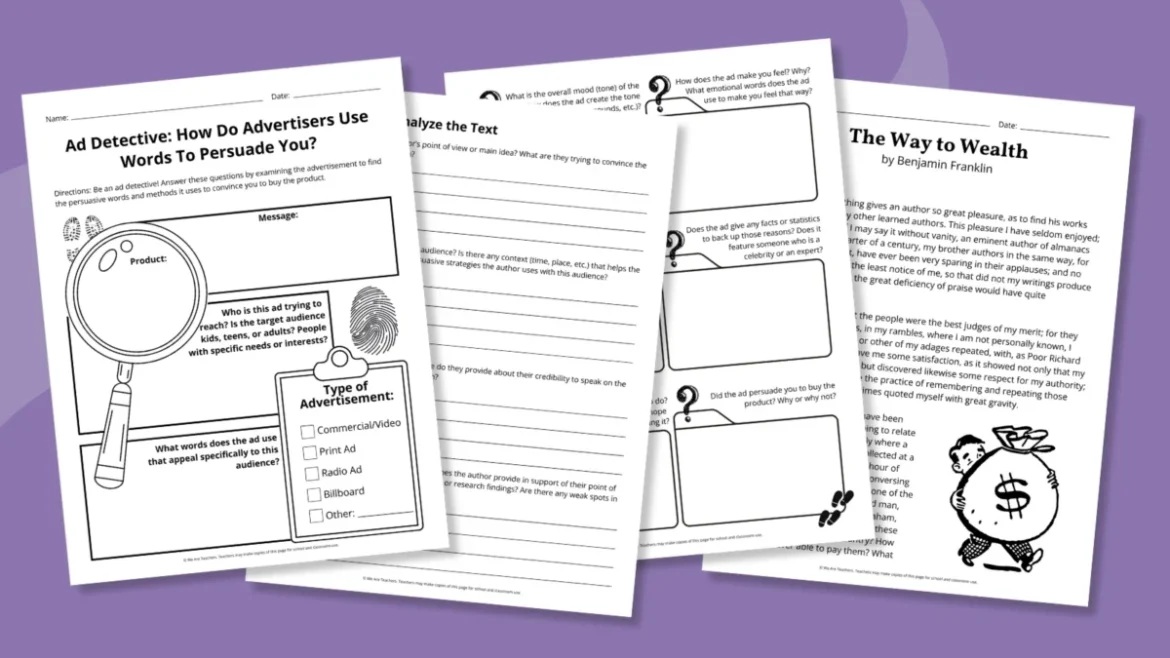
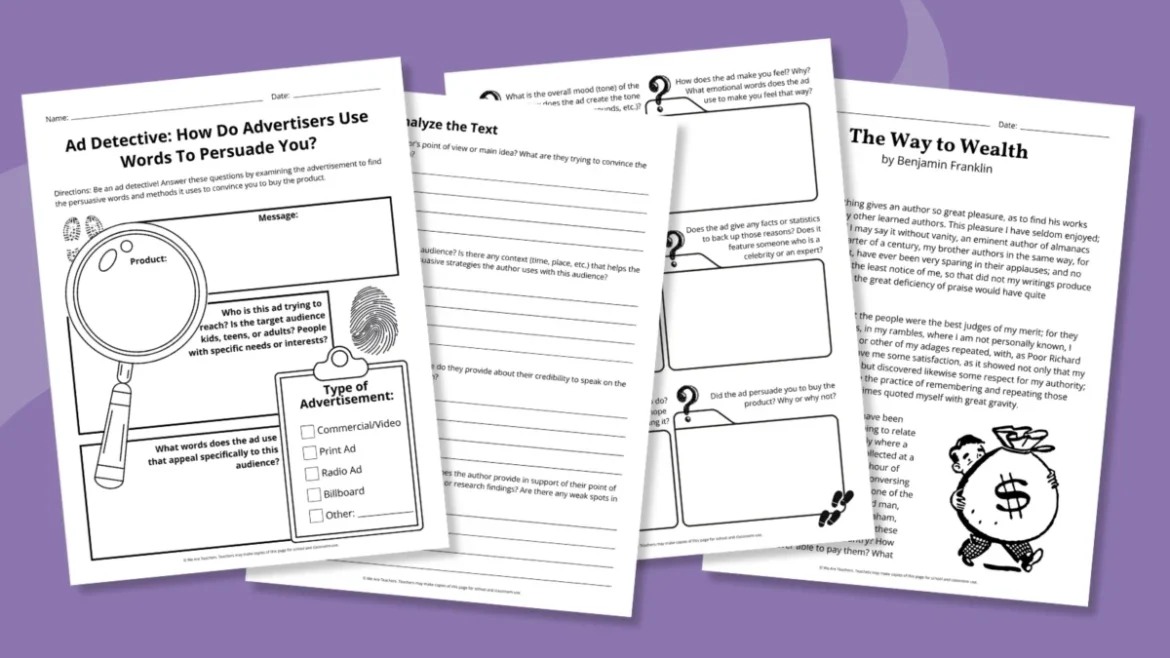
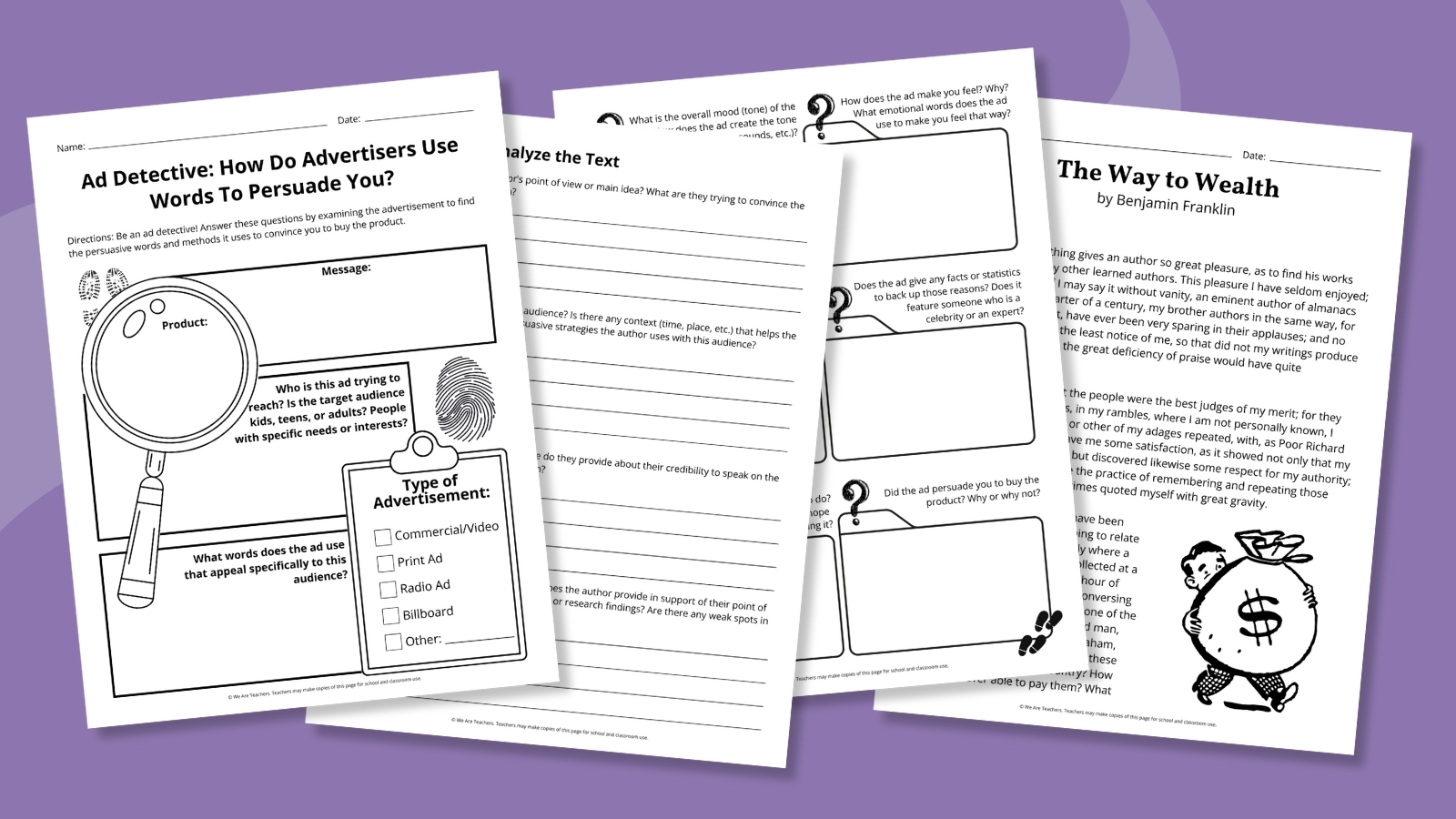
Educational experts, including curriculum designer Stacey Lloyd and veteran English teacher Krista Barbour, emphasize that the transition from passive reading to active writing requires a foundational understanding of rhetorical tools. Data suggests that students who are taught to identify rhetorical devices—such as the "rule of three," rhetorical questioning, and the use of emotive language—in real-world media, such as commercial advertising and public speeches, demonstrate a 30% higher proficiency in incorporating these elements into their own compositions.
Chronology and Evolution of Teaching Methods
Historically, writing instruction often followed a rigid, top-down approach, focusing on the mechanics of the five-paragraph essay before addressing content. However, the current pedagogical trend has shifted toward a "low-stakes, high-engagement" model.
- Phase 1: Observation and Analysis. Teachers begin by having students deconstruct advertisements and political rhetoric. This phase typically spans the first week of a unit, where the goal is to foster an understanding of how language shapes opinion.
- Phase 2: Oral Advocacy. Before drafting, students participate in structured verbal debates. This stage serves as a testing ground for arguments, allowing students to refine their logic based on immediate peer feedback.
- Phase 3: Purposeful Writing. The final phase moves away from generic, "void-addressed" prompts. By assigning tasks that involve real-world stakeholders—such as writing to local school boards or company representatives—educators observe a marked increase in student voice and authenticity.
Supporting Data: The Impact of Student Agency
Research consistently shows that student engagement in writing tasks is directly correlated with perceived relevance. According to recent surveys of secondary educators, nearly 75% of teachers report that when students are given the autonomy to select their own research topics, the quality of their source material improves significantly.

The importance of this autonomy cannot be overstated. When students choose topics that touch upon themes of justice, fairness, or personal independence, they exhibit a higher level of cognitive stamina. This is particularly true for students in grades 8 through 12, who are developmentally primed to question authority and challenge the status quo. By providing a curated list of provocative claims, educators can leverage this natural developmental stage to teach the art of researching counterarguments and synthesizing complex perspectives.
Expert Perspectives on Instructional Strategy
Stacey Lloyd, who has spent 15 years developing curricula, suggests that the "hook" is the most critical element of the persuasive process. "When students analyze a physical magazine ad or a Super Bowl commercial, they are not just learning to write; they are learning to read their environment," Lloyd states.
Krista Barbour, with 17 years of classroom experience, notes that the distinction between persuasion and argument is a common stumbling block. "If you do not teach the difference explicitly, you end up with essays that are logically airtight but emotionally inert," Barbour explains. Her strategy involves encouraging students to "make the reader feel something" first, and then providing the necessary logical framework to justify that feeling. This approach helps students navigate the nuances of ethos, pathos, and logos effectively.
Integrating Disciplines for Holistic Learning
Persuasive writing functions as a powerful tool for interdisciplinary integration. By collaborating with instructors in history, science, and social studies, English teachers can help students apply their writing skills to real-world problems. For instance, a student writing about the ethics of nuclear weaponry can draw upon data learned in a world history class, while a debate over smartphone age restrictions can be informed by psychological research on adolescent development. This practice not only reinforces the writing skills but also deepens the student’s mastery of the subject matter itself.

Addressing the "Why": Implications for Future Citizenship
The broader implication of teaching persuasive writing is the cultivation of a more discerning citizenry. In an age where digital misinformation is rampant, the ability to discern bias, identify logical fallacies, and construct a cogent, evidence-based argument is essential.
When a student learns that an argument about school lunch policies can be effectively presented as a formal letter to a school board, they are gaining more than a grade; they are learning the mechanics of advocacy. This shift from "performing for a teacher" to "communicating with an audience" is the defining characteristic of modern, effective writing instruction.
Curated Topics and Practical Applications
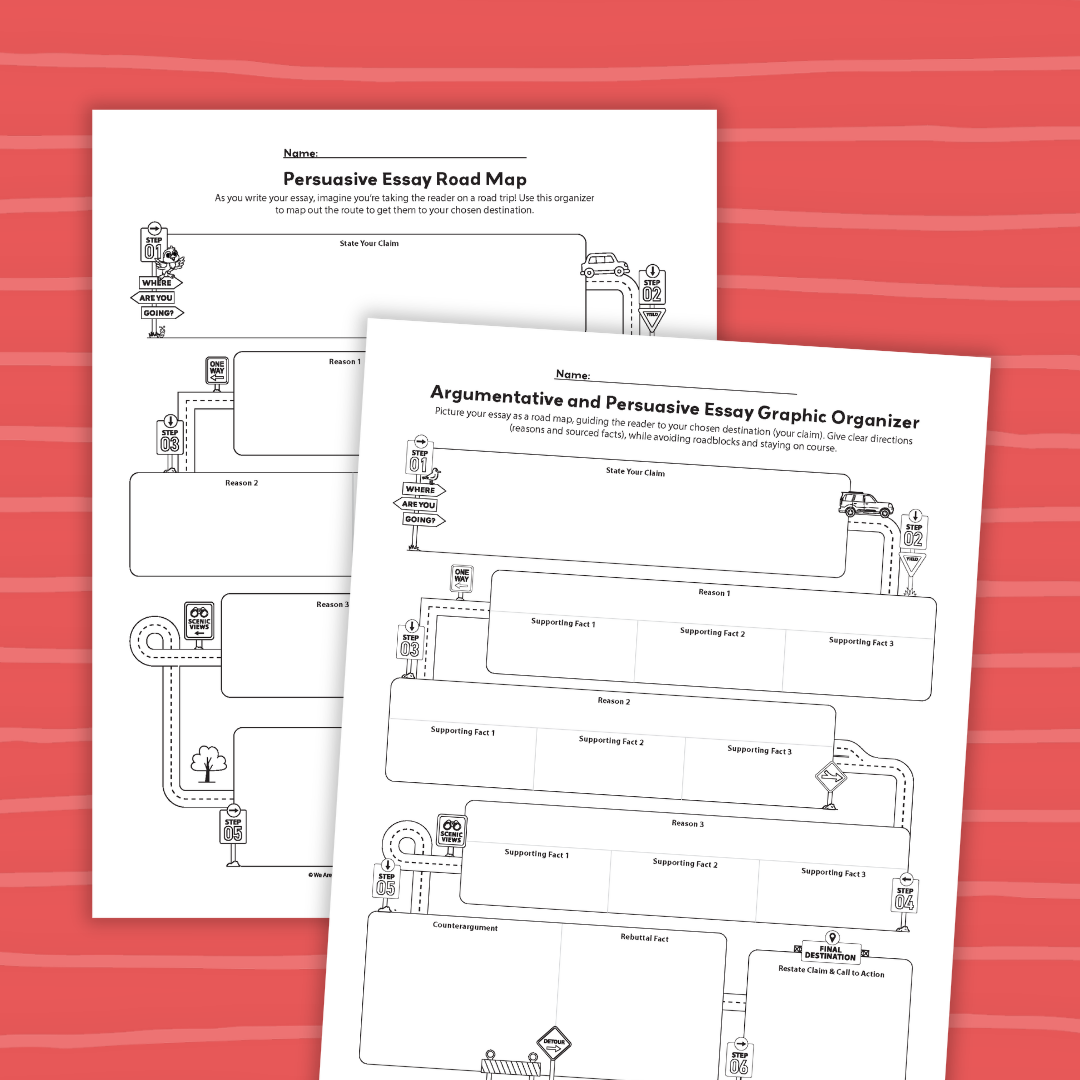
To facilitate this learning, educators often provide graphic organizers that act as a "road map" for the writing process. These tools help students move from a raw emotional reaction—such as the frustration caused by letter grades or the desire to change school start times—into a structured, actionable claim.
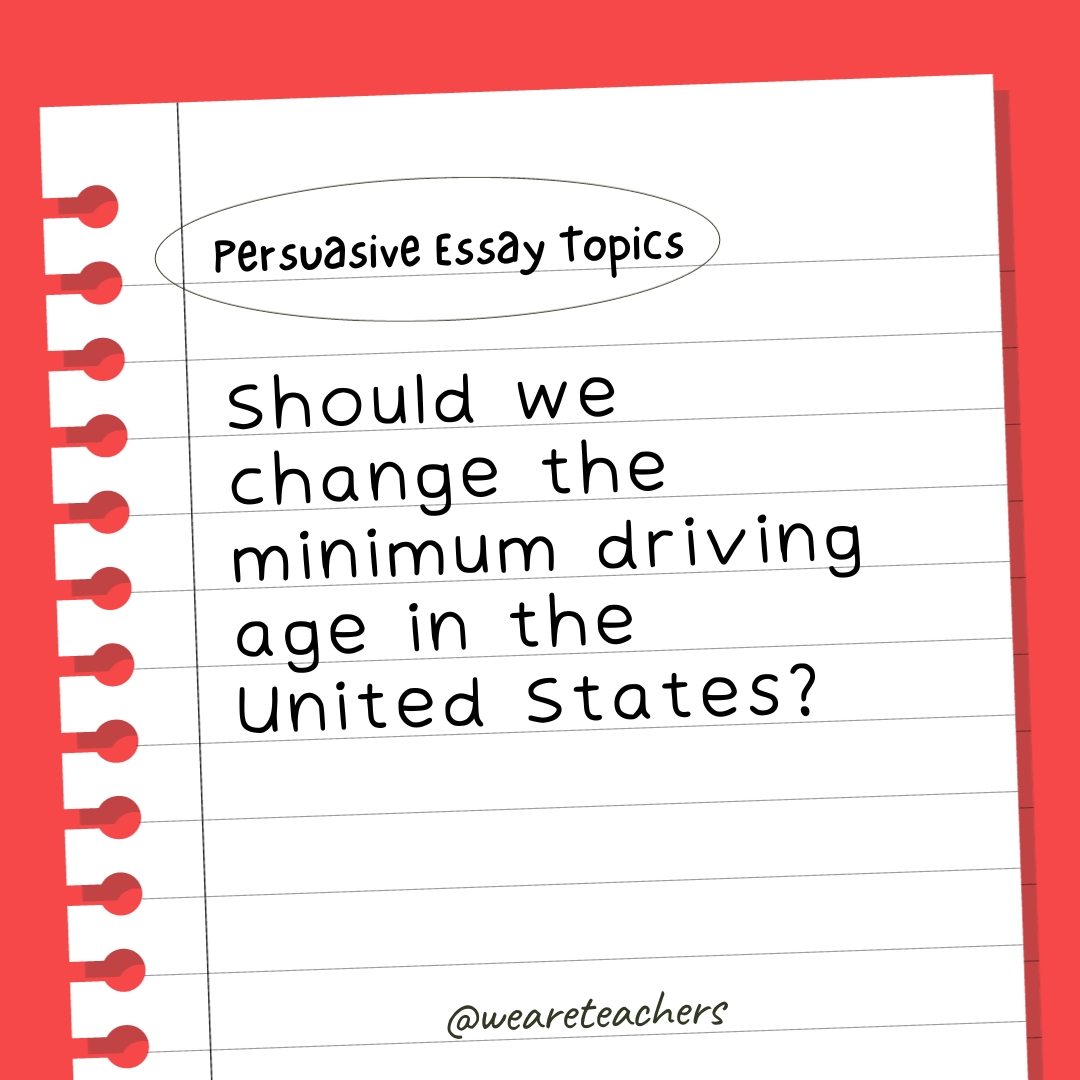
Recommended topics for practice, categorized by difficulty and complexity, include:

- Educational Reform: Debates regarding the efficacy of letter grades, the requirement of homework, or the implementation of student-led teacher evaluations.
- Ethical Dilemmas: Philosophical questions, such as the obligation to return lost money or the ethics of surveillance technology.
- Scientific and Technological Concerns: Discussions on the age-appropriateness of smartphone ownership, the development of artificial intelligence, or the necessity of nuclear deterrence.
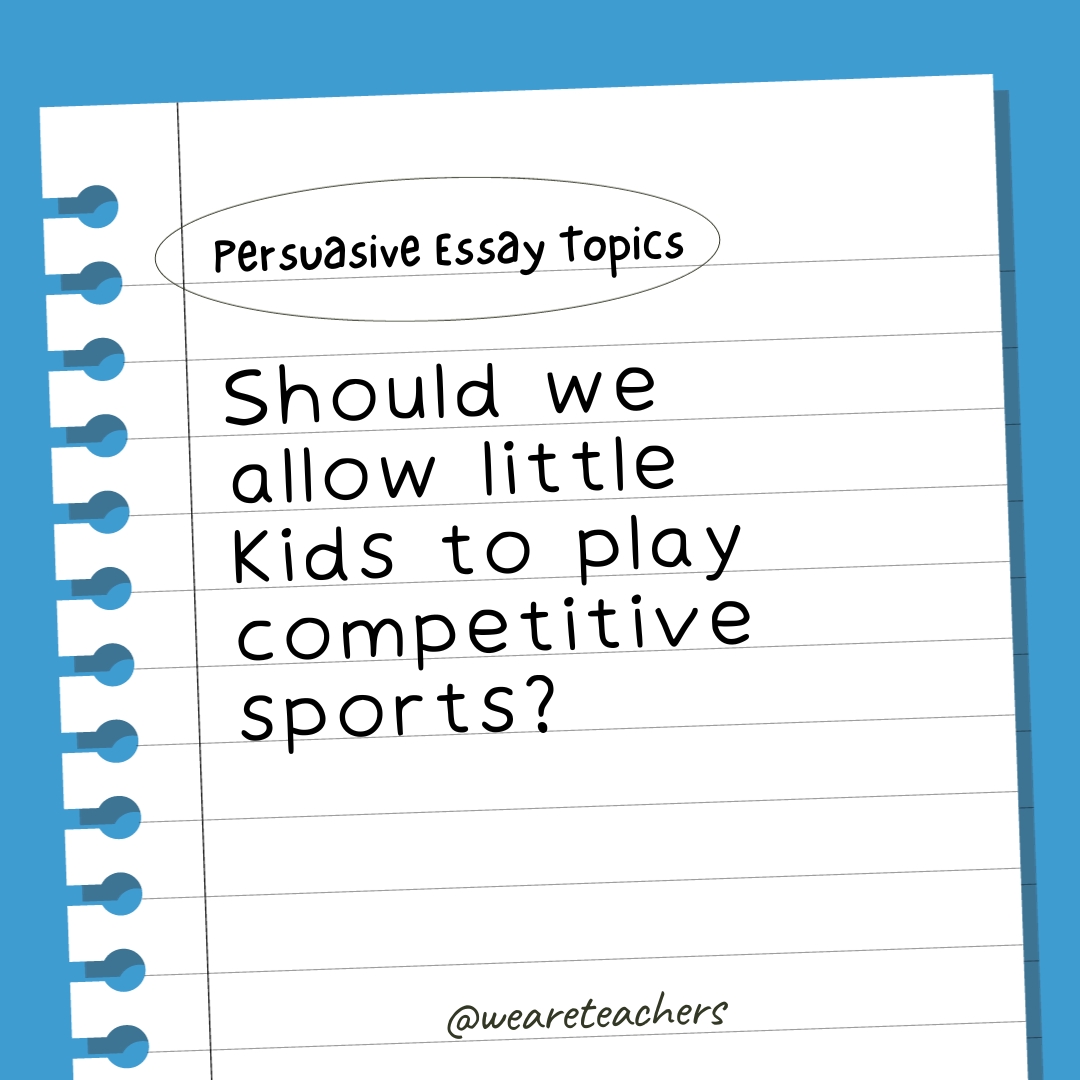
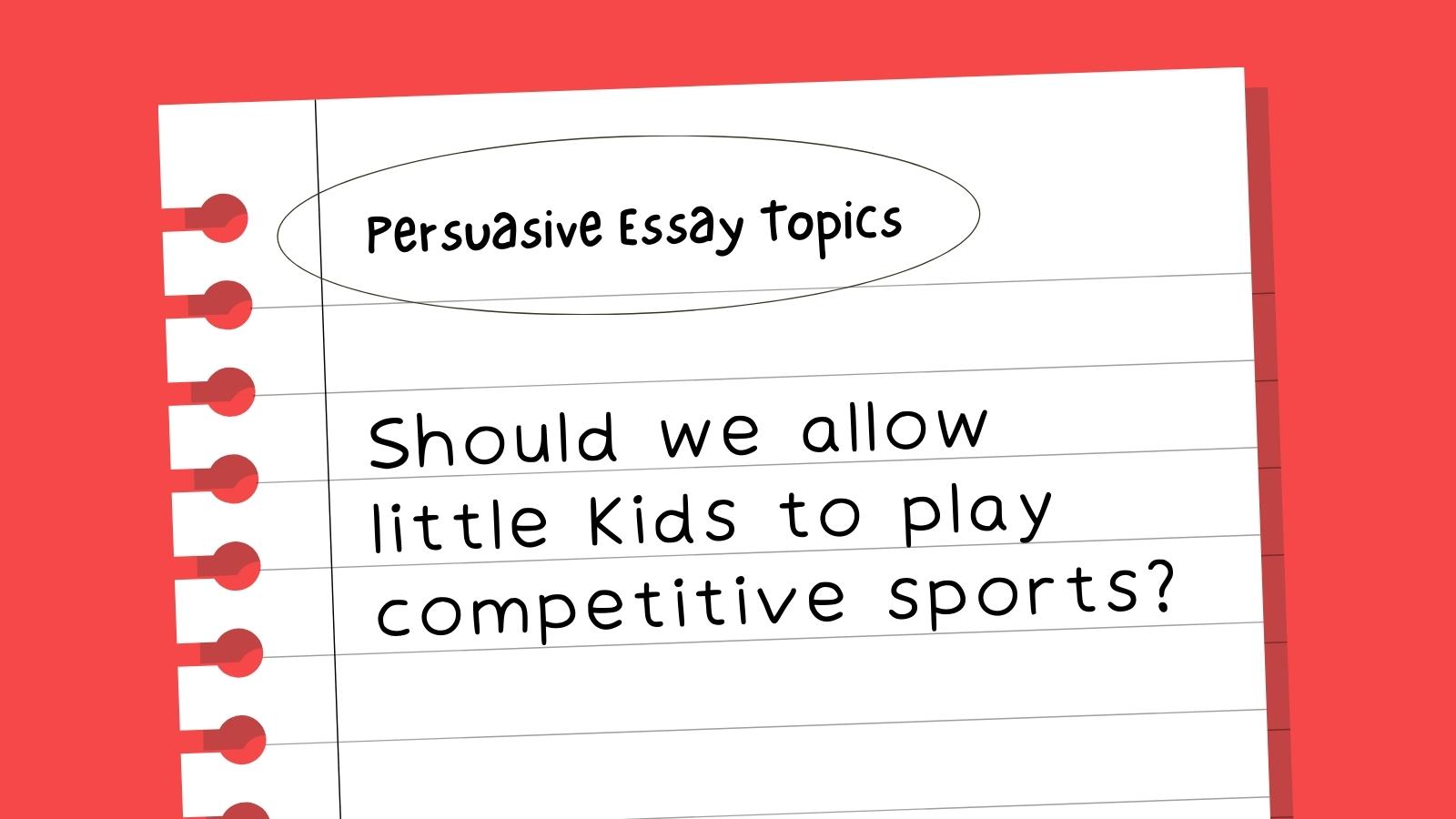
- Sports and Media: Analysis of the commercialization of youth sports or the literary versus cinematic quality of adapted works.
Conclusion: The Path Forward
The objective of a robust persuasive writing unit is not to create a uniform output, but to foster a consistent process. By providing students with the tools to analyze the world, the opportunity to practice verbal advocacy, and the freedom to pursue topics they find personally meaningful, educators can ensure that the next generation is prepared to engage with society with clarity and conviction. As teachers like Lloyd and Barbour suggest, when the stakes are personal and the process is authentic, the writing does not just improve—it thrives.
For educators seeking to implement these strategies, the emphasis should remain on the scaffolding of the argument. Whether through the use of graphic organizers or the incorporation of "low-stakes" debates on topics as trivial as pizza toppings, the goal is to build a reflexive capability for persuasion. In doing so, schools provide students with the most enduring tool for success: the ability to articulate their vision of the world and convince others to see it, too.