

Persuasive writing remains one of the most critical competencies for student success in both academic and professional environments. Beyond the traditional confines of a classroom, the ability to formulate a cogent argument, synthesize credible evidence, and employ rhetorical nuance is a foundational skill for active citizenship and professional advancement. As educators increasingly look for ways to bridge the gap between theoretical writing and real-world application, a curriculum centered on persuasive discourse has emerged as a high-impact pedagogical strategy.
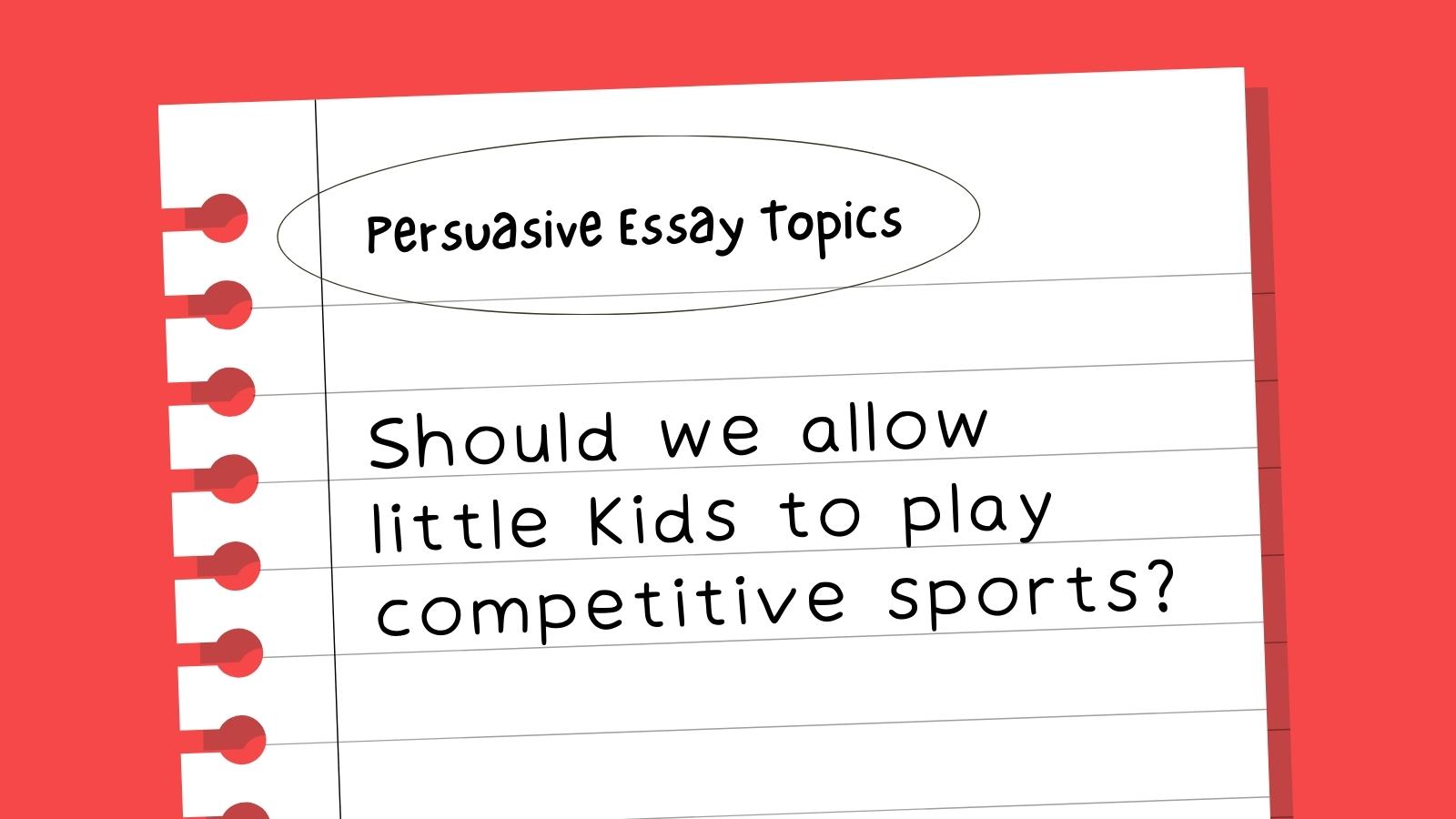
By integrating logical reasoning with emotive appeal, students learn not only how to express their viewpoints but how to navigate the complex information landscape of the 21st century. To support this objective, veteran educators Stacey Lloyd and Krista Barbour have collaborated to offer a framework for teaching persuasive writing that prioritizes student agency, authentic engagement, and practical application.
Defining the Mechanics of Persuasion
At its core, a persuasive essay is a deliberate effort to influence a reader’s perspective or prompt a specific action. Unlike purely argumentative writing, which relies almost exclusively on logic and empirical data, persuasive writing occupies a broader spectrum. It necessitates a strategic combination of reasoning, evidence, and rhetorical devices such as ethos, pathos, and logos.
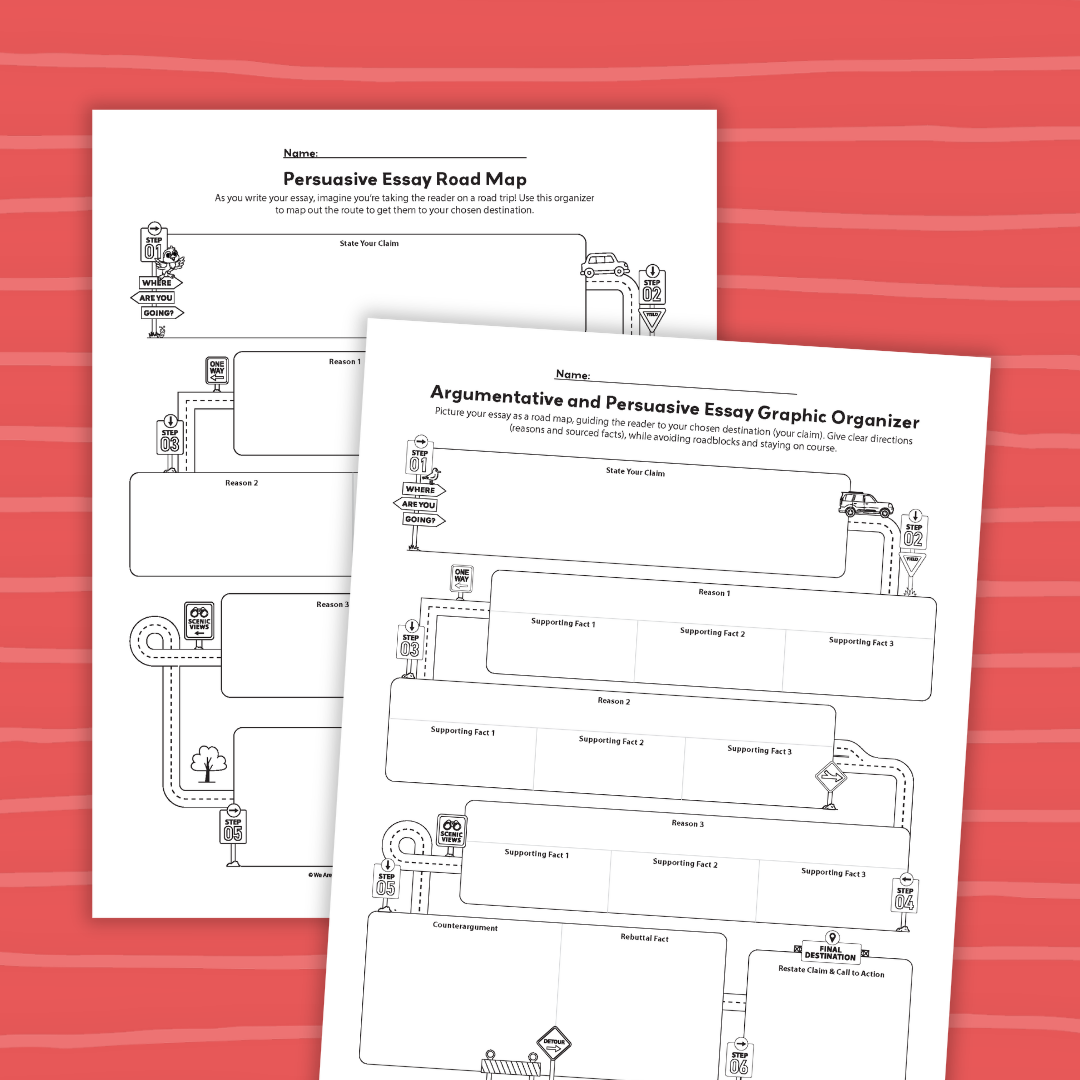
The structure typically involves a compelling introduction that establishes a clear claim, body paragraphs that substantiate this claim through multifaceted evidence, and a conclusion that reinforces the writer’s position. The pedagogical shift currently occurring in English language arts departments involves moving away from rote memorization of essay templates toward an understanding of how language operates in the public sphere.
Chronology of Skill Development in the Classroom
Effective instruction in persuasive writing typically follows a scaffolded timeline designed to move students from passive consumers of information to active creators of discourse.

- Analytical Observation (Phase One): Educators recommend beginning with "media literacy" exercises. By analyzing advertisements, political speeches, and editorial content, students identify rhetorical techniques such as the "rule of three," the use of jargon, or emotive language.
- Low-Stakes Verbal Discourse (Phase Two): Before formal writing begins, students engage in brief, informal debates on low-stakes topics. This phase allows students to test the efficacy of their arguments in real-time, receiving immediate feedback from their peers on what resonates and what fails to persuade.
- Authentic Audience Identification (Phase Three): The transition to formal writing is enhanced when the audience is shifted from the teacher to an external entity—such as a school board, a local business, or a community organization. This context elevates the level of discourse and increases student investment.
- Iterative Drafting and Refinement (Phase Four): Students refine their arguments by addressing counterarguments and conducting research, ensuring their assertions are grounded in fact rather than mere opinion.
Supporting Data and Pedagogical Context
Data from the National Assessment of Educational Progress (NAEP) suggests that writing proficiency remains a persistent challenge for students at the secondary level. According to recent reports, fewer than 30% of students perform at or above the "proficient" level in writing. This data point underscores the necessity for more effective, engaging writing instruction.
Research into student motivation indicates that when curriculum choices are aligned with student interests, engagement levels rise significantly. Stacey Lloyd, a curriculum designer with 15 years of experience, notes that the "fertile ground" for persuasion lies in the natural inclination of adolescents to question the status quo and assert their independence. By channeling this developmental stage into structured writing assignments, educators can turn potential friction into productive academic output.

Expert Insights on Instructional Methodology
Stacey Lloyd and Krista Barbour, who have a combined 32 years of classroom experience, emphasize that the most effective persuasive writing occurs when students have a sense of ownership over their topics.
"Once students start seeing persuasive techniques everywhere, they become curious and excited about how language can be used to persuade," says Lloyd. She suggests that by the time students begin the drafting process, the tools of rhetoric should feel natural rather than forced.

Krista Barbour, a middle school English instructor, focuses on the distinction between argumentative and persuasive writing. She notes that if students are not explicitly taught this difference, their writing often remains "logically airtight but emotionally inert." Barbour’s approach involves encouraging students to "make the reader feel something, then hand them the reasons to justify feeling it."
The Role of Interdisciplinary Collaboration
The integration of persuasive writing across other subject areas, such as science, history, and social studies, provides a robust framework for student success. When a student writes a persuasive essay on a topic they are simultaneously studying in a science class—such as environmental policy or technological ethics—the writing process becomes more focused on refining the argument rather than searching for foundational facts.
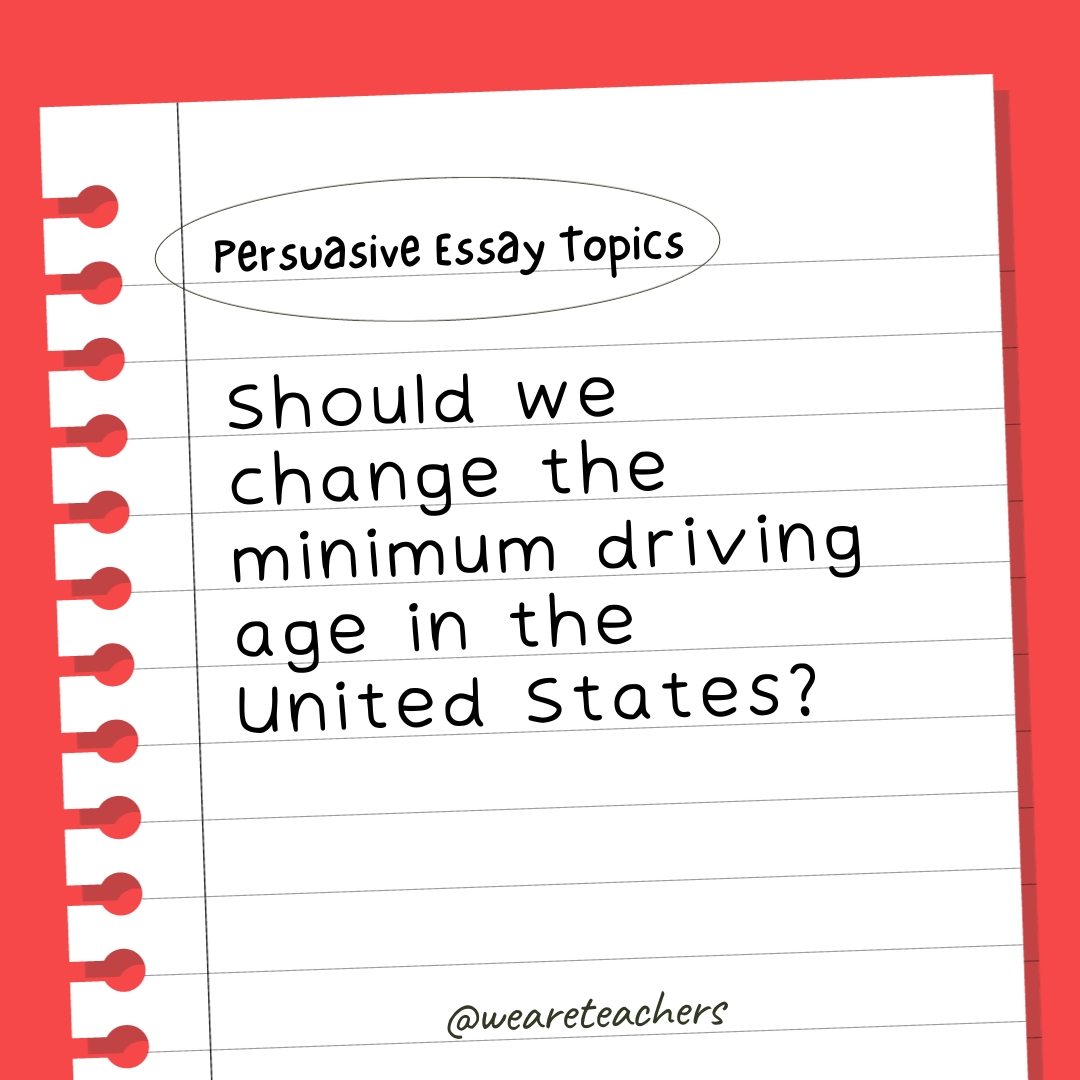
This interdisciplinary approach serves two purposes: it reinforces content knowledge in the core subject and deepens the student’s understanding of how persuasive writing is used in professional fields like law, journalism, and public policy.
Implications and Broader Impact
The implications of fostering strong persuasive writing skills extend far beyond the classroom. In an era of digital information overload, the ability to discern bias, identify logical fallacies, and construct evidence-based arguments is essential for democratic participation.

Furthermore, the shift toward using "authentic audiences" in schools helps prepare students for professional environments where communication is often targeted at specific stakeholders. Whether it is a proposal to a supervisor, an op-ed for a publication, or a letter to a public official, the ability to persuade is a transferable skill that correlates with higher levels of professional attainment.
Implementation Strategies for Educators
To assist in the classroom, educators are increasingly turning to structured tools like graphic organizers. These resources provide a "road map" for students, helping them move from a raw emotional reaction to a reasoned position. By visualizing the architecture of an argument, students can ensure their claims are supported by evidence and that they have addressed potential counterarguments.
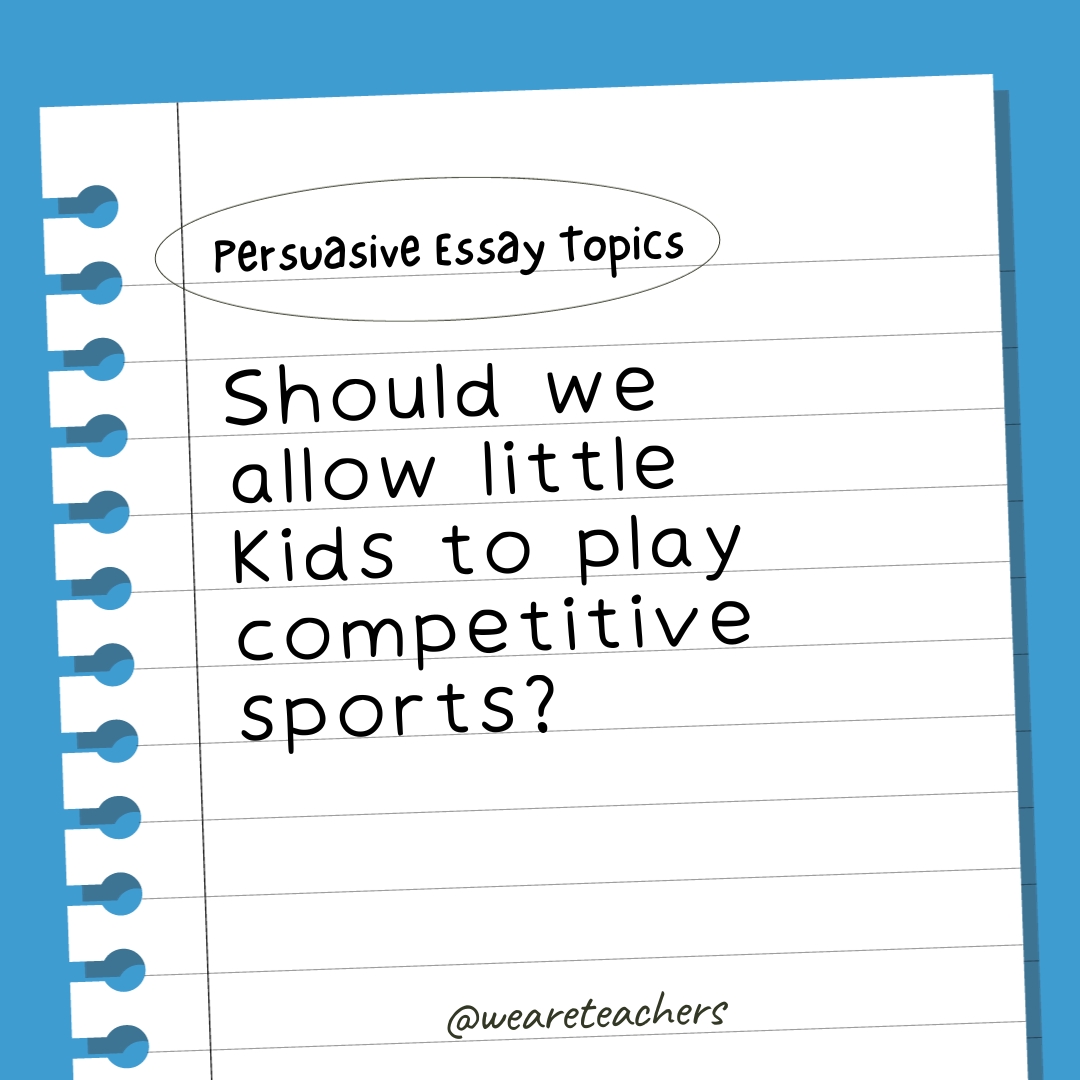
The following categories serve as starting points for instructors looking to develop a diverse set of prompts that cater to various age groups and interests:
- Educational Policy: Topics such as the grading system, the efficacy of homework, and student representation in policy-making.
- Ethical Dilemmas: Questions regarding social responsibility, the treatment of lost property, and the morality of technological advancements.
- Science and Technology: Debates surrounding smartphone ownership, the environmental impact of industry, and the long-term ethics of medical research.
- Sports and Entertainment: Analytical comparisons of literature versus film, the ethics of competitive sports for children, and the cultural influence of digital media.
Conclusion: A Path Forward
The mastery of persuasive writing is a continuous process of refinement. By moving away from formulaic exercises and toward a model that values curiosity, passion, and real-world application, educators can transform writing from an arduous task into a powerful tool for self-expression and civic engagement. As students move through their educational careers, the ability to articulate a position clearly and effectively will remain one of their most valuable assets in an increasingly complex and interconnected world. Through the collaboration of experienced practitioners and the use of modern pedagogical strategies, schools can ensure that the next generation is well-equipped to participate meaningfully in the global discourse.

