Methane is a colorless, odorless, and highly potent greenhouse gas that serves as the second most significant driver of human-induced climate change, trailing only carbon dioxide in its overall warming impact. As the primary component of natural gas, it is deeply embedded in the global energy infrastructure, yet its biological and geological origins extend far beyond industrial pipes, reaching into the digestive tracts of livestock, the depths of thawing permafrost, and the anaerobic environments of natural wetlands. Because methane is significantly more effective at trapping heat than carbon dioxide—possessing a warming potential over 80 times higher than CO2 on a 20-year timescale—the global scientific community has increasingly identified its rapid mitigation as the most effective "fast-action" lever available to prevent the most catastrophic outcomes of the climate crisis.

The Mechanism of Atmospheric Heating
While carbon dioxide remains the most abundant long-lived greenhouse gas, methane acts as a high-intensity atmospheric thermal blanket. When emitted into the troposphere, methane molecules absorb infrared radiation emitted by the Earth’s surface, preventing that heat from escaping into space. Its atmospheric lifespan is relatively short, persisting for approximately 12 years before breaking down into carbon dioxide and water vapor.
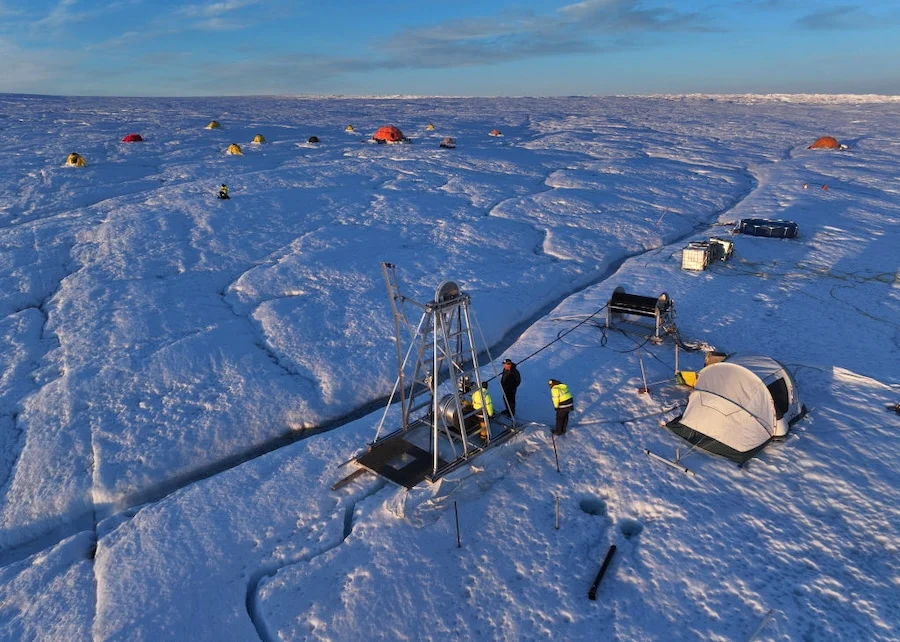
This short-lived nature is both a challenge and a unique opportunity. Because methane does not linger for centuries like CO2, a rapid reduction in emissions can lead to a perceptible cooling effect within a single generation. The Intergovernmental Panel on Climate Change (IPCC) has underscored that to maintain the 1.5 degrees Celsius warming limit, global methane emissions must be slashed by at least 34 percent by 2030 compared to 2019 levels. Failing to meet these targets risks triggering irreversible feedback loops, such as the thawing of Arctic permafrost, which contains massive stores of ancient organic matter that, if released, would release further methane and CO2, creating a self-reinforcing cycle of planetary heating.

A Chronology of Methane Oversight
The international community’s recognition of methane as a distinct policy priority has evolved significantly over the last decade.
- 2015: The Paris Agreement formally brought global attention to non-CO2 greenhouse gases, though methane was often overshadowed by carbon-heavy energy discussions.
- 2021: At the COP26 summit in Glasgow, the United States and the European Union launched the Global Methane Pledge. This milestone agreement aimed to cut global methane emissions by 30 percent from 2020 levels by 2030.
- 2022: Advanced satellite technology, such as GHGSat, began identifying "super-emitter" events—localized incidents where infrastructure leaks released thousands of tons of methane in a single hour. Research confirmed that the top five percent of leaks were responsible for over 50 percent of total industrial methane emissions.
- 2023: Atmospheric methane concentrations reached a record 1,934 parts per billion (ppb), representing a 265 percent increase over pre-industrial levels.
- 2025: Current monitoring reveals a persistent "implementation gap" where voluntary pledges by nations and corporations have failed to translate into a sustained decline in industrial emissions, which remain above 120 million metric tons annually.
Industrial Sources and the "Bridge Fuel" Fallacy
Approximately 60 percent of global methane emissions are directly linked to human activity, primarily concentrated in agriculture, fossil fuel extraction, and waste management. Within the energy sector, the narrative of natural gas as a "bridge fuel" has come under intense scrutiny.

Proponents of natural gas have long argued that, because it produces less CO2 per unit of energy than coal, it serves as a necessary transition fuel. However, this argument ignores the "methane leakage" factor. Studies indicate that if just 0.2 percent of methane leaks during the extraction, transport, and processing stages, the climate benefit of switching from coal to natural gas is entirely negated. Recent data suggests that actual leak rates in many regions are significantly higher. Furthermore, the massive expansion of Liquefied Natural Gas (LNG) infrastructure in the United States, Australia, and Canada threatens to lock in fossil fuel dependence for decades, effectively undermining international climate commitments.
The Agricultural and Waste Sectors
Agriculture accounts for roughly 40 percent of human-caused methane, with enteric fermentation—the digestive process of ruminant livestock like cattle and sheep—serving as the leading source. As global meat consumption continues to rise, particularly in emerging economies, the pressure on this sector intensifies.

Waste management is equally critical. Landfills and wastewater treatment facilities act as major methane reservoirs, as organic waste decomposes in oxygen-poor environments. Projections suggest that methane emissions from the waste sector are expected to grow faster than any other source, driven by rapid urbanization and the lack of robust waste-separation infrastructure in developing nations. By 2050, the volume of solid waste is expected to increase by 73 percent, necessitating an urgent shift toward circular economy models that prioritize composting and methane-capture technologies.
Technological and Policy Responses
The path to reducing methane emissions involves a dual-track approach: immediate technical interventions and systemic shifts.

- Technical Fixes: The International Energy Agency (IEA) reports that 70 percent of methane emissions from oil and gas operations can be mitigated using existing technology. This includes routine leak detection and repair (LDAR) programs, the replacement of pneumatic controllers that vent gas, and the implementation of vapor recovery units at drilling sites.
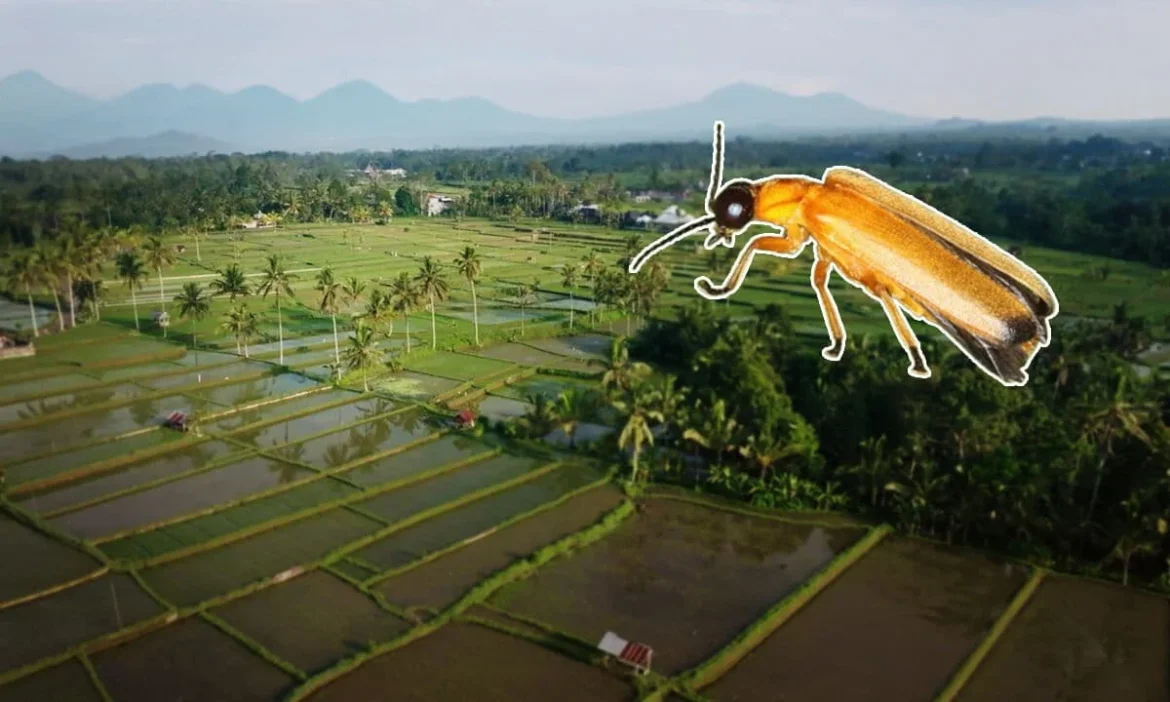
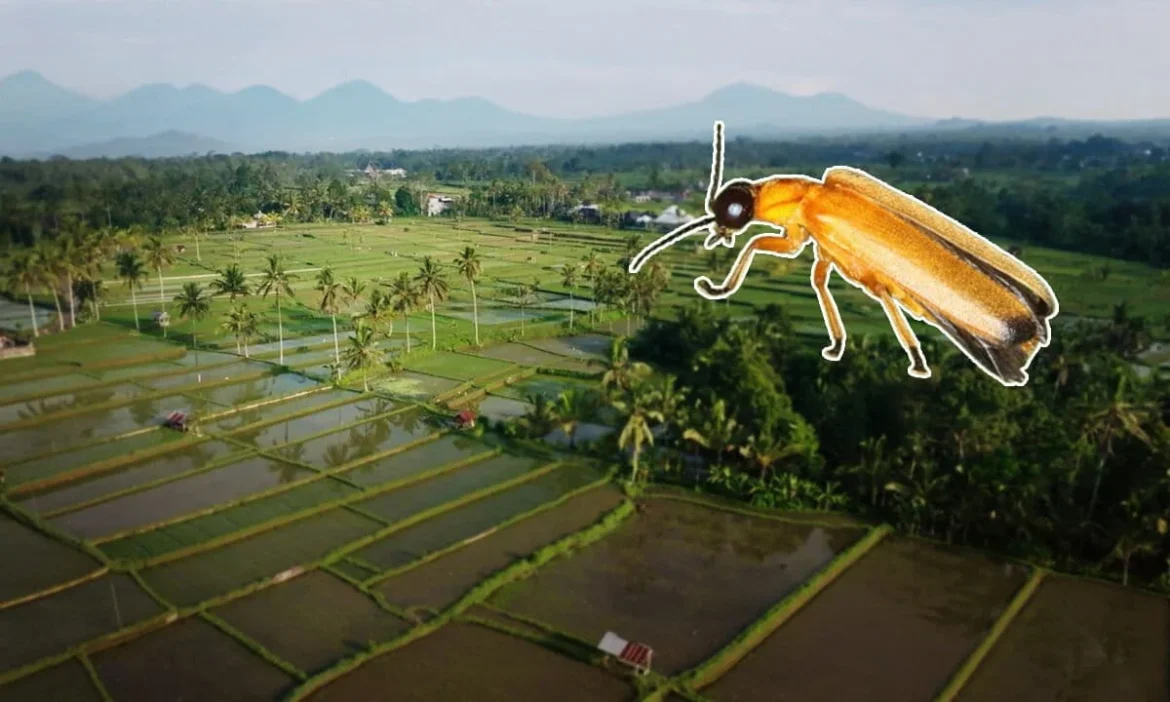
- Agricultural Innovation: Research is currently focused on dietary additives for livestock. Seaweed supplements, such as Asparagopsis taxiformis, have shown the potential to reduce enteric methane emissions in cattle by over 50 to 80 percent in controlled studies. Additionally, "Alternate Wetting and Drying" (AWD) irrigation techniques for rice paddies can cut methane emissions by 45 percent by allowing soil to oxygenate between watering cycles.
- Nature-Based Solutions: Emerging research into methanotrophs—microbes found in tree bark and soil—highlights the role of natural ecosystems in acting as biological methane sinks. Protecting old-growth forests and restoring wetlands can bolster these natural defenses.
Broader Public Health Implications
The impact of methane extends beyond global temperatures; it is a direct contributor to the formation of ground-level ozone. Unlike the stratospheric ozone layer that protects the Earth from UV radiation, ground-level ozone is a toxic pollutant. It is estimated that methane-generated ozone contributes to approximately 500,000 premature deaths annually due to respiratory and cardiovascular complications. Consequently, aggressive methane reduction is not merely a climate strategy; it is a significant public health imperative that would alleviate the burden on healthcare systems worldwide.
Analytical Outlook
The gap between global policy pledges and real-world results remains the most significant hurdle. While 159 nations have joined the Global Methane Pledge, only a small fraction of total global emissions is currently covered by binding, enforceable policy. The "super-emitter" phenomena observed by satellite telemetry confirm that current industry-reported inventories often underestimate actual leakage by a wide margin.

For the average citizen, the transition involves a combination of dietary adjustments, such as reducing intake of ruminant meat, and a move toward home electrification. However, systemic change remains dependent on the decisions of policymakers. The expansion of LNG infrastructure, in particular, represents a structural choice that favors short-term energy exports over long-term climate stability.
Ultimately, the science is clear: methane is the most potent weapon in the climate arsenal. By targeting the most egregious leaks in the energy sector, revolutionizing agricultural practices, and overhauling municipal waste management, the world can achieve a rapid, measurable cooling effect. The window to stabilize the climate remains open, but it relies on the transition from voluntary promises to the aggressive, transparent, and immediate implementation of known mitigation strategies. The cost of inaction is not just measured in degrees of temperature, but in the health and security of future generations.