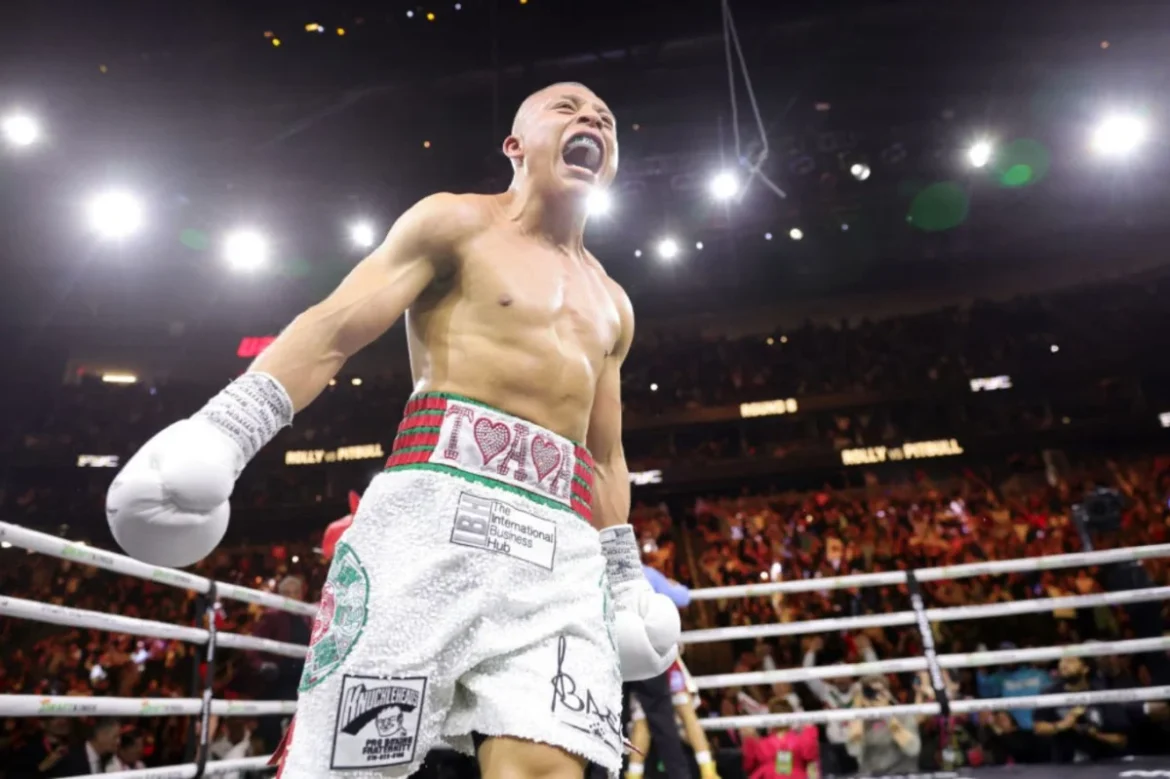
Premier Boxing Champions returns to the spotlight this Saturday, September 19, bringing an electrifying night of pugilism to the Pechanga Arena in San Diego, California. At the center of the card is a high-stakes 12-round clash for the interim WBC Super Lightweight championship between Mexico City’s own Isaac "Pitbull" Cruz and the formidable Puerto Rican contender Nestor Bravo. This bout serves as a pivotal moment for both fighters as they vie for supremacy in one of boxing’s most talent-dense divisions.
The event, which begins at 8:00 p.m. ET (5:00 p.m. PT), marks a significant return to Southern California, a region historically regarded as a hotbed for championship-level boxing. With the main event ringwalks anticipated around 11:00 p.m. ET, the San Diego crowd is expected to provide a raucous atmosphere, consistent with the intense, pressure-heavy fighting style that has made Cruz a fan favorite across the globe.
Tale of the Tape and Fighter Backgrounds
Isaac "Pitbull" Cruz (28-3-2) enters this matchup with a reputation built on relentless forward pressure and a granite chin. Known for his aggressive "come-forward" style, Cruz has successfully transitioned from a regional prospect to an international star, frequently testing his mettle against the elite of the 135-to-140-pound divisions. His ability to close distance and land heavy, punishing hooks has made him a nightmare for technical boxers who rely on movement.
Standing opposite him is Nestor Bravo (24-1-0), a fighter who has methodically climbed the ranks to earn this opportunity. While Cruz often enjoys the spotlight, Bravo brings a refined, tactical approach that could prove problematic for the Mexican brawler. Bravo’s lone professional defeat serves as a cautionary tale for any fighter who overlooks the nuances of the game, and his recent performances suggest a boxer hitting his prime just as he faces his toughest test to date. For Bravo, this fight is not merely about the interim belt; it is a chance to cement his legacy on the world stage.
The Significance of the Interim WBC Title
The interim WBC Super Lightweight title acts as a critical gateway to future unification bouts. In the current landscape of professional boxing, interim titles are often utilized to maintain momentum in a division while the primary champion navigates mandatory obligations or recovery periods. For the winner of Cruz vs. Bravo, the path becomes clear: they will occupy a mandatory position for the full WBC title, effectively guaranteeing a high-profile showdown with the division’s kingpin.
Analysts note that both fighters bring vastly different skill sets to the ring. Cruz’s pressure-fighting is designed to break an opponent’s rhythm, whereas Bravo’s counter-punching prowess could turn the tide if he manages to maintain range. The strategic battle between Cruz’s "engine" and Bravo’s "eye" will likely dictate the outcome of the 12-round engagement.
Event Logistics and Viewing Information
For fans looking to catch the action, the event is being broadcast via DAZN, which serves as the primary streaming partner for the card. The platform has positioned itself as a major hub for combat sports, and this bout is included as part of their standard subscription offerings, providing a seamless viewing experience for existing members.
For those not currently subscribed, DAZN offers multiple tiers of access. A monthly subscription starts at $24.99, while the "Ultimate Tier" is available at $49.99 per month. The latter is designed for the avid combat sports enthusiast, bundling access to this event with 12 additional Pay-Per-View spectacles throughout the year, alongside a deep library of fight replays, documentaries, and behind-the-scenes content. This pricing model reflects a broader shift in the industry, moving away from individual high-cost PPV purchases toward comprehensive, bundled streaming memberships.
A Shifting Fight Card: The Ramos vs. Nursultanov Cancellation
The lead-up to this weekend’s event was not without its turbulence. The original fight card featured a compelling co-main event: a battle for the interim WBC Middleweight title between Jesus Ramos Jr. and Meiirim Nursultanov. However, organizers were forced to remove the bout from the docket earlier this week.
Official statements confirmed that Ramos fell ill with severe food poisoning, rendering him medically unfit to compete. The cancellation of such a high-profile fight highlights the inherent volatility of professional boxing, where training camps and dietary discipline can be derailed by unforeseen health issues. While disappointed fans will miss the middleweight clash, the focus remains firmly on the Cruz vs. Bravo main event, which stands as a robust anchor for the evening’s festivities.
The Southern California Boxing Culture
The choice of San Diego’s Pechanga Arena for this clash is no coincidence. Southern California remains a spiritual home for many Mexican and Mexican-American fighters. The region’s deep-rooted boxing culture has historically produced sell-out crowds, and the presence of high-profile spectators is expected to be a hallmark of the evening.
In the past, fighters such as Ryan Garcia, Teófimo López, and legend Oscar De La Hoya have been frequent attendees at Cruz’s bouts. The intersection of sports and celebrity culture often amplifies the gravity of these events, turning a standard championship fight into a cultural moment. The presence of NBA star Kawhi Leonard at previous regional events underscores the cross-pollination of professional athletes who frequent these ringside seats, drawn by the raw intensity that only professional boxing can provide.
Broader Implications for the Super Lightweight Division
The outcome of this fight will send ripples through the entire 140-pound division. With several high-profile fighters currently jostling for position, the winner of the Cruz-Bravo bout will find themselves in a commanding negotiating position. A victory for Cruz would likely set the stage for a "super-fight" in 2026, potentially drawing in audiences beyond the traditional boxing base. Conversely, a Bravo upset would signal a massive shift in the division’s hierarchy, instantly elevating the Puerto Rican fighter to the status of a global contender.
Furthermore, the involvement of DAZN in streaming this event speaks to the platform’s aggressive growth strategy. By securing partnerships with organizations like Premier Boxing Champions, DAZN is attempting to consolidate the fragmented nature of boxing media, offering fans a centralized location for everything from FIFA matches and UEFA Women’s Championship League games to high-octane racing and Riyadh Season boxing cards.
Tactical Analysis: What to Watch For
As the opening bell approaches, observers should keep an eye on the first three rounds. If Cruz attempts to establish his dominance early, expect him to target Bravo’s midsection, looking to take the wind out of his opponent’s sails. Bravo, conversely, will likely look to utilize his footwork to pivot away from the ropes, preventing Cruz from pinning him in the corner.
Physical conditioning will play a massive role in the championship rounds. Should the fight reach the eighth or ninth frame, the depth of each fighter’s training camp will be tested. Cruz has historically displayed the ability to maintain a high output, but Bravo’s defensive technicality could lead to a scenario where he wins the battle of attrition through precision rather than power.
A Night for the Fans
Despite the loss of the co-main event, the commitment of the promoters and the athletic commissions involved has ensured that the primary title bout remains intact. The energy in San Diego is expected to be electric, as the boxing world turns its eyes to the Pechanga Arena.
Whether viewed from the comfort of a home streaming setup or amidst the roar of the crowd in Southern California, the interim WBC Super Lightweight championship represents the pinnacle of the sport’s current competitive landscape. As both fighters step onto the canvas, the months of preparation, the intense media scrutiny, and the pursuit of a world title will culminate in twelve rounds of tactical, physical, and mental warfare.
For those tuning in, the event is a testament to the enduring appeal of the sweet science. In an era of constant entertainment options, the simplicity of two elite warriors meeting in a squared circle for a title remains one of the most compelling narratives in modern sports. With the stakes firmly established and the platforms prepared, the stage is set for Isaac Cruz and Nestor Bravo to define their respective futures.
Summary of Key Event Details
- Event: Interim WBC Super Lightweight Championship
- Date: Saturday, September 19, 2026
- Venue: Pechanga Arena, San Diego, CA
- Main Event Start: 8:00 p.m. ET / 5:00 p.m. PT
- Broadcaster: DAZN (Live Streaming)
- Key Context: High-stakes title implications for the 140-pound division, following the unfortunate cancellation of the Ramos vs. Nursultanov co-main event.
As the final countdown begins, the sport of boxing once again proves its resilience and its ability to captivate a global audience, delivering a high-stakes championship fight that fans and analysts alike will be dissecting long after the final bell rings. Whether Cruz’s "Pitbull" ferocity prevails or Bravo’s tactical discipline secures the belt, Saturday night in San Diego is poised to be a landmark moment in the 2026 boxing calendar.