
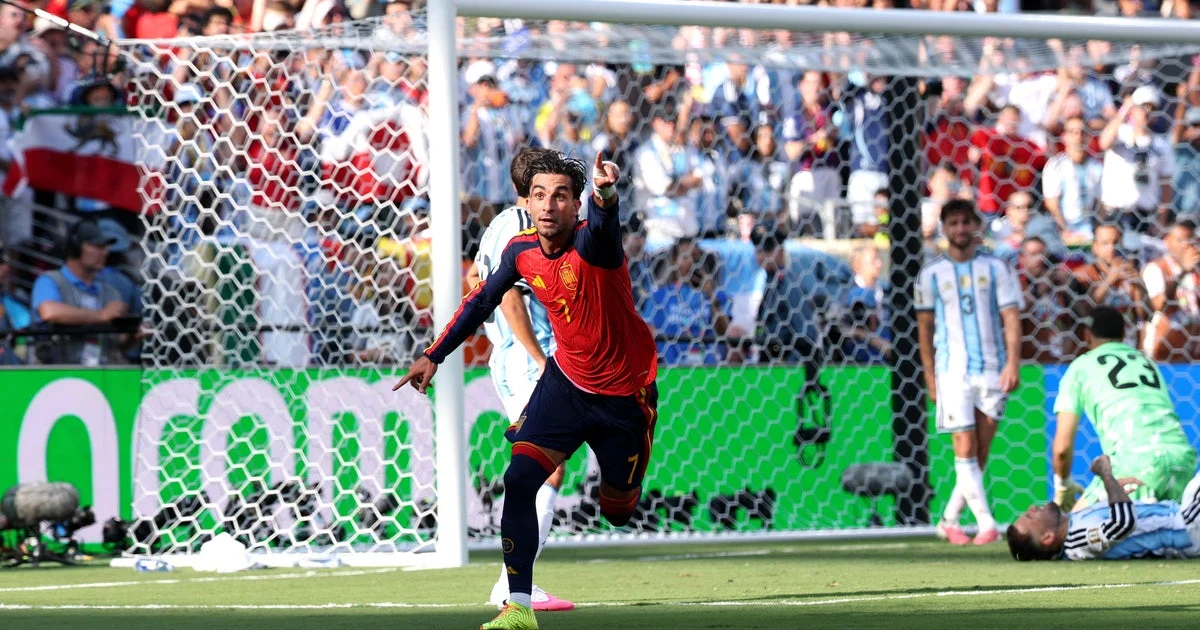
Spain emerged victorious in the 2026 FIFA World Cup final, securing their second global title with a hard-fought 1-0 win over defending champions Argentina at MetLife Stadium in East Rutherford, New Jersey. The decisive goal came in the 106th minute of extra time from substitute Ferran Torres, culminating a match characterized by Spanish dominance, Argentine resilience, and a dramatic late red card. The victory marks a historic moment for Spanish football, as the nation now simultaneously holds both the men’s and women’s FIFA World Cup crowns.
The highly anticipated final, which capped off the largest FIFA World Cup in history, lived up to its billing as a tactical battle. From the opening whistle, Spain asserted control, dictating the tempo with their characteristic possession-based football. La Roja registered an overwhelming 20 shots to Argentina’s mere three, and earned nine corner kicks compared to Argentina’s one, yet the score remained deadlocked through 90 minutes of regulation play. Argentina, renowned for their defensive fortitude and opportunistic counter-attacks, absorbed wave after wave of Spanish pressure, with goalkeeper Emiliano Martínez delivering a heroic performance to keep his side in contention.
The match’s trajectory dramatically shifted in the dying moments of regulation. In the third minute of stoppage time, Argentine midfielder Enzo Fernández received his second yellow card for a reckless challenge on Spain defender Pau Cubarsí, forcing the reigning champions to play all of extra time with ten men. The immediate impact of this numerical disadvantage was palpable. Moments after play resumed, Spain’s Lamine Yamal had a golden opportunity from a free kick approximately 22 yards out. His curling strike toward the right post was spectacularly palmed away by Martínez, marking his tenth save of the afternoon—a new record for saves in a World Cup final. The save, a testament to Martínez’s agility and determination, temporarily galvanized the Argentine faithful, but it only delayed the inevitable.
Ferran Torres: The Extra-Time Hero
As the first 15-minute period of extra time concluded without a goal, the tension inside MetLife Stadium was immense. The breakthrough finally arrived just moments into the second period of extra time. In the 106th minute, Ferran Torres, who had been introduced in the 62nd minute to inject fresh attacking impetus, seized his moment. Pouncing on a bouncing ball inside the penalty box, Torres unleashed a powerful left-footed shot that rocketed just under the crossbar and into the back of the net, leaving Martínez with no chance. It was Torres’s first goal of the tournament, a truly memorable strike that etched his name into Spanish football history. The celebration that ensued, a mix of relief and elation, reverberated throughout the stadium as Spanish players and fans alike recognized the profound significance of the goal.
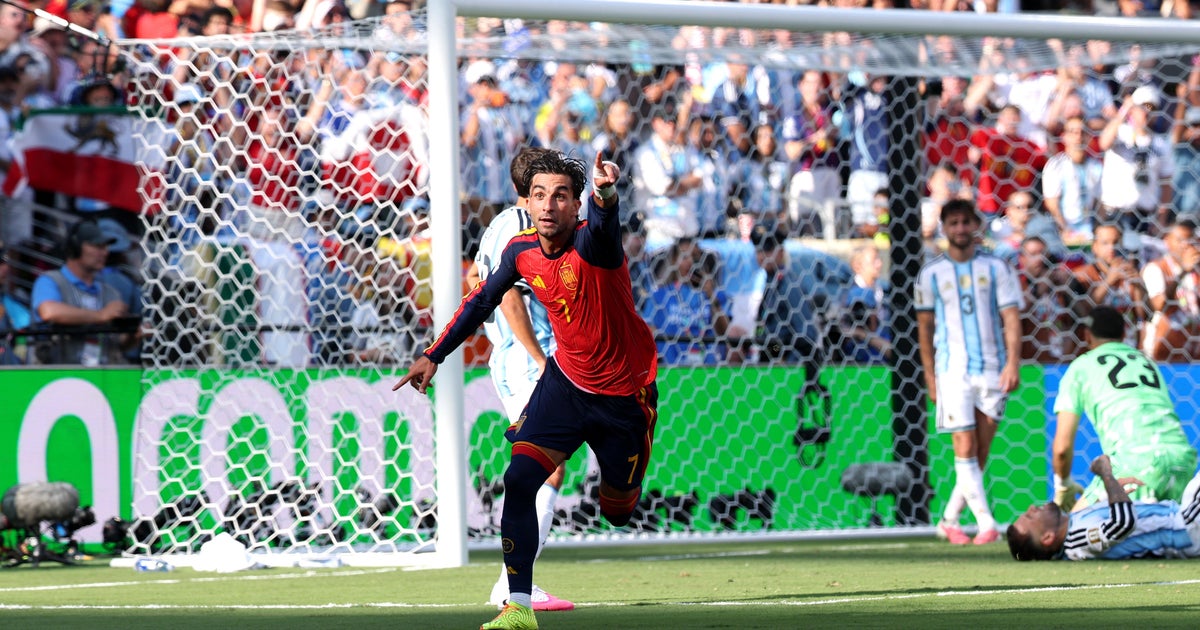
Spain’s sustained pressure throughout the match underscored their championship credentials. Despite their relentless attacking, they struggled to convert opportunities against a resolute Argentine defense marshaled by the formidable Martínez. Spain’s coach, whose tactical decisions throughout the tournament had been lauded, was vindicated by the introduction of Torres, whose fresh legs and clinical finish proved to be the difference. The collective effort of the Spanish squad, showcasing depth and tactical discipline, allowed them to overcome the frustration of missed chances and eventually break down a stubborn opponent.
A Tournament of Records and Milestones
The 2026 FIFA World Cup was monumental even before the final whistle. As the largest World Cup ever, it featured 48 nations from across the globe, an expansion that brought unprecedented diversity and competition to the tournament. Hosted across three nations—the United States, Canada, and Mexico—it marked the first time in decades that the U.S. had served as a primary host, and the first ever co-hosted by three countries. The 39-day "whirlwind," as many described it, saw more than six million fans attend matches across North America, setting new benchmarks for attendance and engagement. The successful logistical execution of such a vast tournament was a testament to the collaborative efforts of the host nations and FIFA.
For Spain, this victory elevates them to an elite status in international football. Their previous World Cup triumph came in 2010 in South Africa, marking their first and only prior appearance in a men’s final. Now, with a second star on their crest, they join a select group of multiple-time champions. More significantly, the win makes Spain the first nation in history to hold both the men’s and women’s World Cup titles simultaneously, following the Spanish women’s team’s triumph in 2023. This dual achievement highlights the robust development and success of Spanish football programs across the board, signaling a new era of dominance for the Iberian nation.
Argentina, on the other hand, was seeking to make history of a different kind. As the defending champions from 2022, they aimed to become the first country since Brazil (1958 and 1962) to secure back-to-back World Cup titles. Their quest for a fourth overall title, which would have put them level with Italy and Germany, ultimately fell short. Despite the disappointment, reaching the final for the second consecutive tournament and their seventh overall appearance underscores Argentina’s consistent presence at the pinnacle of international football. Their three previous victories (1978, 1986, 2022) remain cherished memories for their passionate fanbase. The 1966 World Cup saw the two finalists meet during the group stage, with Argentina then defeating Spain 2-1, a historical footnote that added another layer of intrigue to Sunday’s clash.
The Grand Spectacle: Beyond the Pitch
The final match was not just a sporting event; it was a global spectacle, drawing attention from dignitaries, celebrities, and millions of viewers worldwide. The atmosphere at MetLife Stadium, nestled in East Rutherford, New Jersey, was electric, despite earlier concerns about hazy skies from Canadian wildfire smoke clearing just in time for the game.
The pre-match festivities kicked off with an elaborate closing ceremony at 1:30 PM EDT. Musical sensations Post Malone and Robbie Williams performed, setting a vibrant tone, while Jennifer Hudson delivered a powerful rendition of the national anthem. The star power continued during the highly anticipated 11-minute halftime show, which featured an incredible lineup including Madonna, Shakira, Justin Bieber, and K-Pop phenomenon BTS, ensuring that the entertainment transcended the football itself.
The stands were a veritable "who’s who" of global figures. Former U.S. President Donald Trump was a prominent attendee, arriving via Marine One shortly before 2:30 PM. He was seen in his private box alongside First Lady Melania Trump, FIFA President Gianni Infantino, and U.S. Secretaries of State Marco Rubio and Sean Duffy. Notably, Mexican President Claudia Sheinbaum was also present, having been invited by Mr. Trump amidst ongoing trade discussions between the two North American nations, underscoring the diplomatic significance often intertwined with such mega-events. Spain’s Royal Family, Canadian Prime Minister Mark Carney, and a host of celebrities including Matt Damon, tennis star Carlos Alcaraz, and rock legend Mick Jagger, added to the glittering array of spectators, further amplifying the event’s global appeal.
Security and Logistics: A Flawless Execution
Hosting an event of this magnitude, particularly with such a high-profile guest list, necessitated an unprecedented level of security and logistical coordination. New York Governor Kathy Hochul addressed these concerns during an appearance on "Face the Nation with Margaret Brennan" on Sunday morning, expressing utmost confidence in the security measures implemented.
"We have been preparing for this for, literally, over a year," Governor Hochul stated, highlighting the extensive planning that went into ensuring the safety and smooth operation of the final. She revealed that federal, state, and local law enforcement agencies had coordinated closely, conducting more than "1,000 exercises, table-topping all the scenarios" that could potentially arise. "I feel very confident in our security, and we’re so happy to welcome the eyes of the world," the governor added. "The entire planet is going to be watching what is happening right here in the New York City area. So it’s exciting, very exciting time for us." The flawless execution of security protocols and event management throughout the tournament, and particularly on the final day, served as a powerful demonstration of the host nations’ capabilities.

Implications and Legacy
Spain’s victory is more than just a trophy; it represents a significant shift in the global football landscape. Holding both men’s and women’s World Cup titles solidifies Spain’s position as a dominant force, a testament to their long-term investment in youth development, coaching, and strategic planning. This achievement is likely to inspire a new generation of footballers in Spain and further elevate the profile of the sport within the country. The legacy of this 2026 team, characterized by technical brilliance and unwavering perseverance, will be debated and celebrated for years to come.
For Argentina, the sting of defeat, especially after coming so close to a historic repeat, will be profound. However, their journey to the final as defending champions, battling through a demanding tournament, showcased their continued class and competitive spirit. The performance of key players, notably Emiliano Martínez, who delivered a record-breaking performance in the final despite the loss, reaffirms the quality within the squad. Argentina’s passionate supporters, though heartbroken, will undoubtedly find pride in their team’s valiant effort against overwhelming odds.
From FIFA’s perspective, the 2026 World Cup’s expansion to 48 teams and its multi-nation hosting model proved to be a resounding success. The increased participation broadened the tournament’s global reach and economic impact, validating a bold strategic shift for the organization. The high attendance figures, record viewership, and the thrilling final itself will serve as a strong foundation for future tournaments and further cement the World Cup’s status as the world’s most watched sporting event.
The successful hosting by the United States, Canada, and Mexico also provided a massive boost to the sport’s popularity in North America. The infrastructure, organization, and fan engagement demonstrated the region’s capacity to host major international events, paving the way for future global sporting spectacles. The legacy of the 2026 FIFA World Cup will be one of historic achievements, thrilling competition, and a grand celebration of the beautiful game on an unprecedented scale.
Kiki Intarasuwan, Faris Tanyos, and Elizabeth Campbell contributed to this report.

