
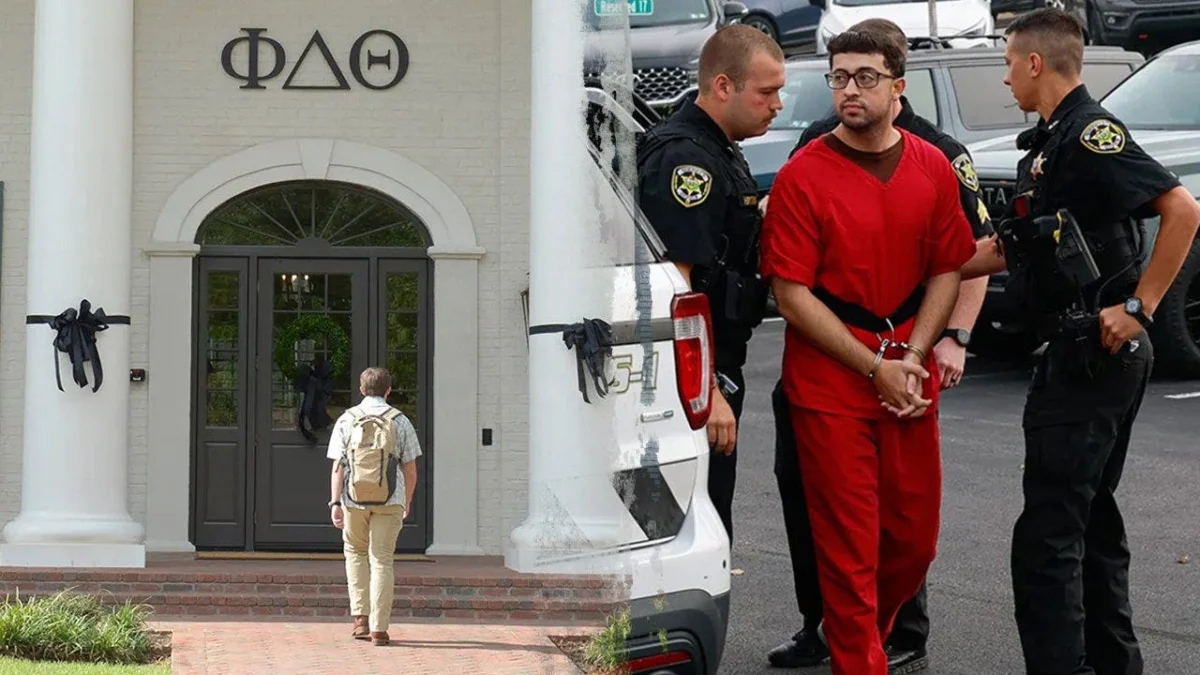
A fresh wave of tragedies and criminal investigations spanning multiple top-tier universities has once again cast a harsh national spotlight on the state of American fraternity culture. From the mysterious, parallel deaths of two students at the University of Mississippi to a sprawling alleged cocaine trafficking and manufacturing ring at Penn State, and a severe hazing raid in Madison, Wisconsin, the systemic problems plaguing modern Greek life have ignited urgent discussions among administrators, law enforcement, and former members alike.
These recent incidents do not exist in a vacuum. They echo decades of recurring institutional failures, dangerous physical and psychological hazing traditions, and a pervasive underground economy that critics argue has transformed some collegiate chapters from social brotherhoods into quasi-criminal organizations. As public pressure mounts for systemic reform, federal legislators and campus officials are forced to grapple with a deep-seated cultural crisis that continues to endanger the lives of young adults.
Anatomy of a National Crisis: The Recent Wave of Incidents
The scope of the current crisis became glaringly apparent over a single tumultuous week in September, marked by a series of alarming law enforcement interventions and tragic discoveries across the United States.
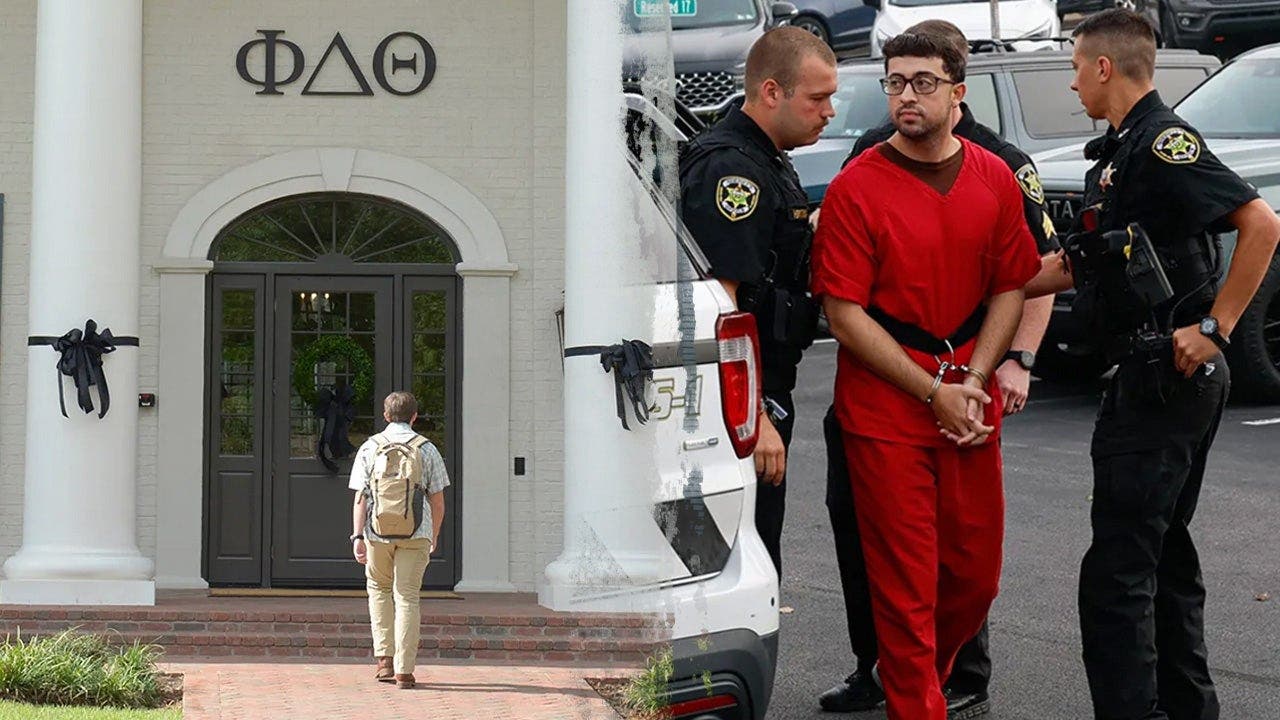
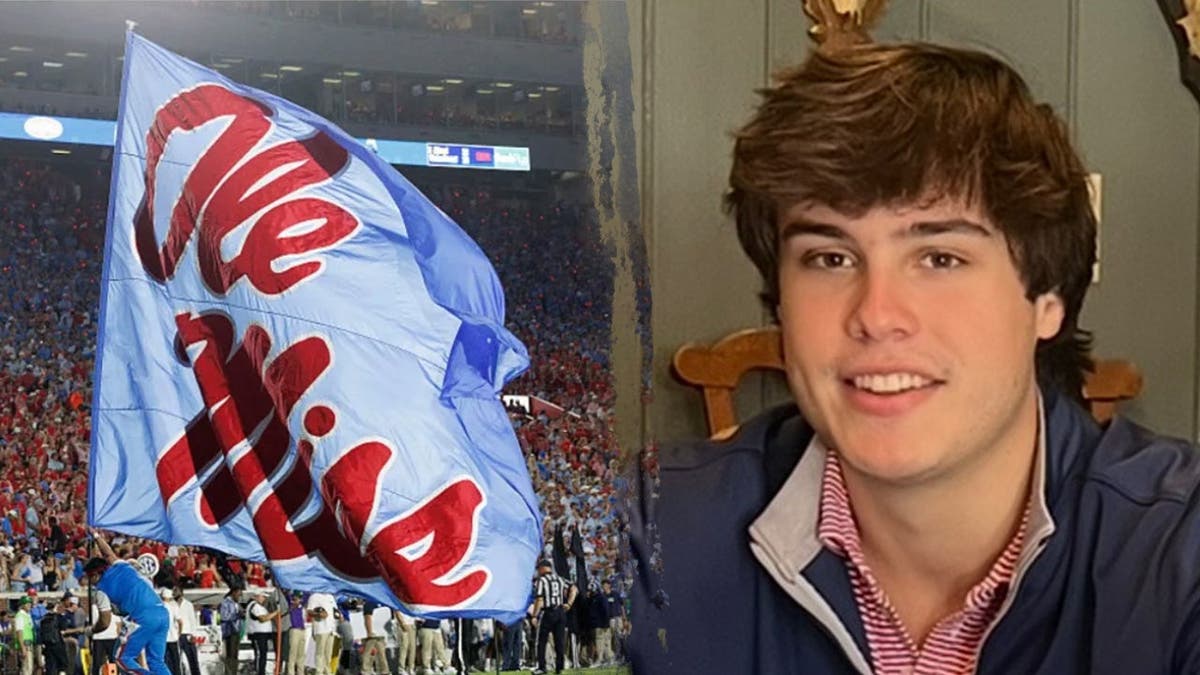
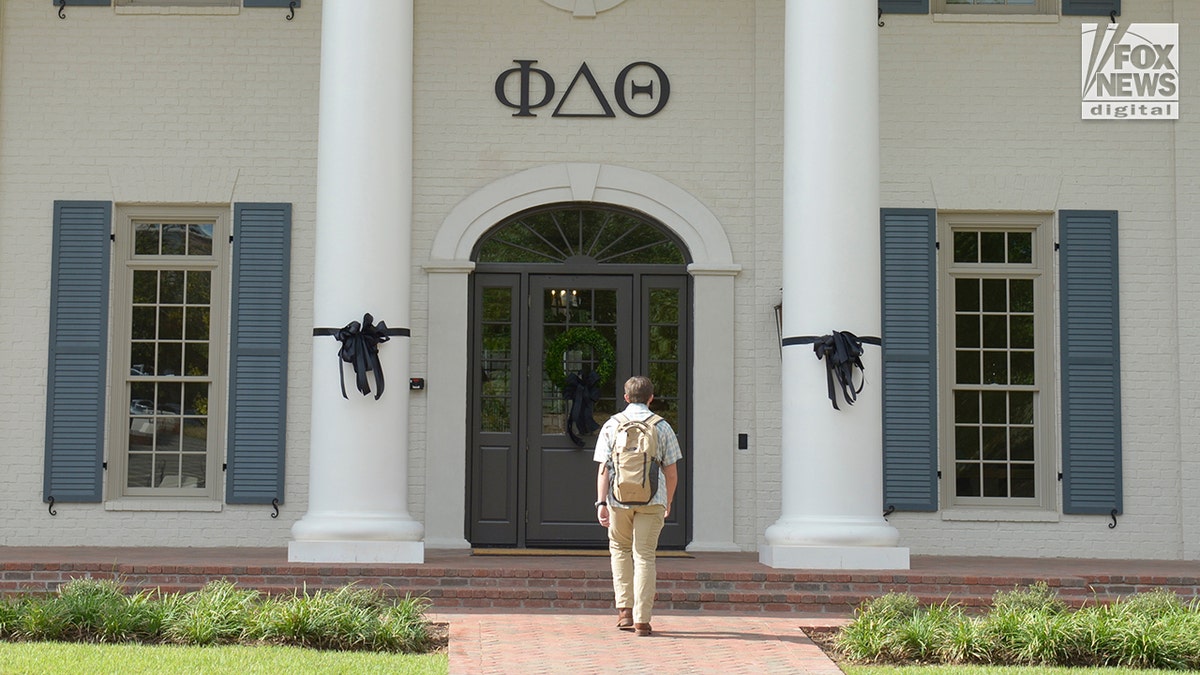
At the University of Mississippi (Ole Miss), local authorities and specialized narcotics task forces launched a high-profile investigation following the tragic deaths of two students, including 20-year-old Robert Strang of Atlanta, who was a member of the Phi Delta Theta fraternity. Strang was discovered dead at an off-campus residence. Concurrently, another student, Aidan Hamilton, was found dead at a separate location. Toxicology reports, anticipated to be released by county and state officials, are expected to shed definitive light on the exact causes of death. Notably, investigators recovered commercially available packages of kratom—an unregulated botanical substance frequently dubbed "gas station heroin" due to its potent opioid-like effects—at both death scenes. While Phi Delta Theta has not been accused of any institutional wrongdoing, the tragedy has deeply shaken the campus community, prompting the university and Greek leadership to confront uncomfortable questions regarding student wellness and substance accessibility.
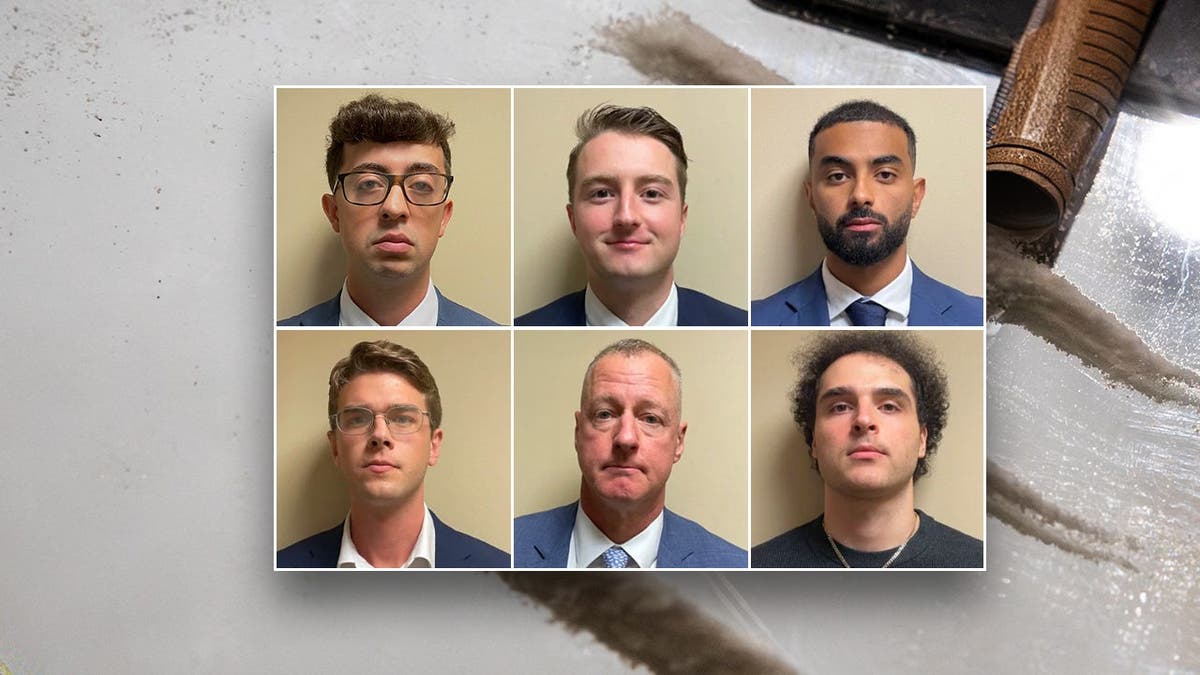
Hundreds of miles away at Penn State University, a darker criminal reality allegedly unfolded behind fraternity doors. State prosecutors and the Pennsylvania Office of Attorney General dismantled what they described as a sophisticated, campus-centered narcotics distribution network. Court documents allege that 24-year-old Agostino Abbatiello masterminded a large-scale cocaine ring that grew to handle kilo-level loads. Most shockingly, investigators allege that fraternity pledges were systematically coerced into cutting, packaging, and handling illegal drugs as part of their secretive indoctrination rituals. Fourteen men were ultimately arrested and charged in connection with the bust, highlighting a terrifying convergence of organized crime and collegiate pledging processes.
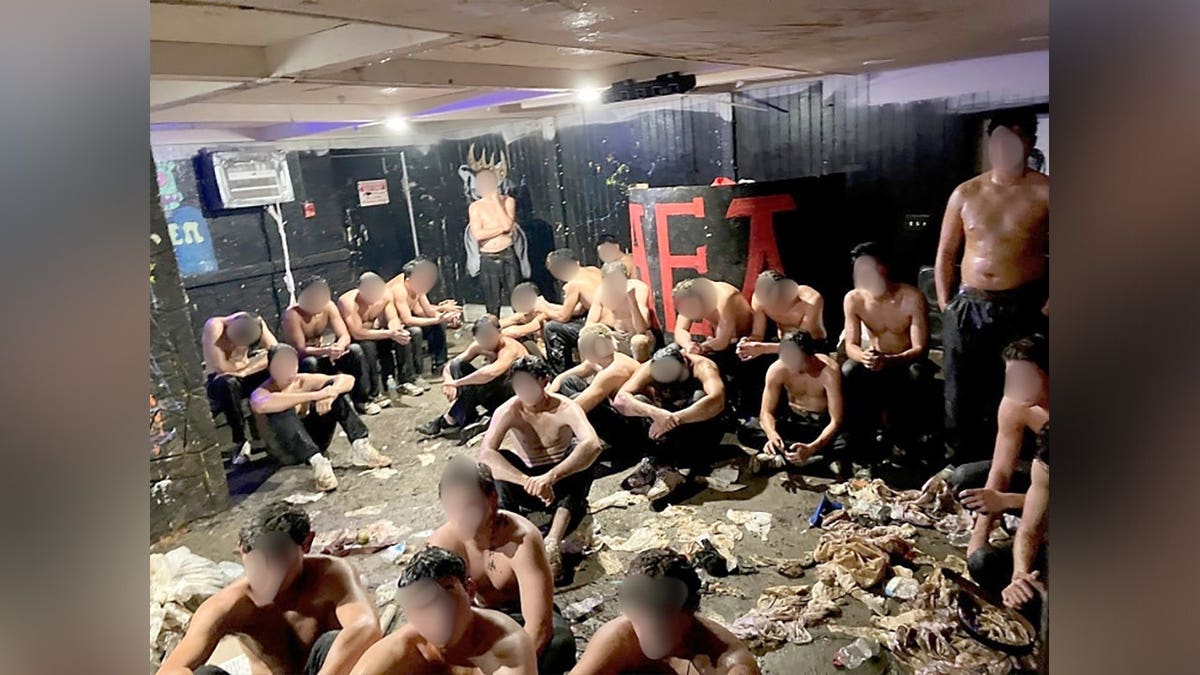
Meanwhile, in Madison, Wisconsin, police intervention exposed severe physical abuse disguised as tradition. Officers responding to a complaint descended upon the Alpha Epsilon Pi (AEPi) fraternity house, where they discovered approximately 30 partially clothed young men crammed into a sweltering basement. The pledges were reportedly covered in food, condiments, and various foreign liquids, with multiple individuals displaying physical injuries indicative of severe assault. The Madison Police Department promptly initiated a criminal hazing investigation, resulting in at least two arrests and drawing swift condemnation from the fraternity’s national headquarters.
Voices from the Inside: The Whistleblower’s Perspective
For individuals intimately familiar with the inner workings of elite Greek organizations, these headlines evoke a depressing and dangerous sense of déjà vu. Andrew Lohse, a 36-year-old author and survivor of extreme fraternity hazing, has spent over a decade sounding the alarms about the systemic rot within certain collegiate chapters.
As an undergraduate at Dartmouth College, Lohse courageously blew the whistle on the stomach-turning physical and psychological indoctrination rituals he endured inside the Sigma Alpha Epsilon (SAE) fraternity. His harrowing accounts—which included being forced to swim in a kiddie pool filled with vomit while being urinated upon, consuming noxious mixtures of vinegar and milk until vomiting, and enduring confinement in a dark basement crawl space—painted a grim picture of unchecked brutality masked as brotherhood.
Reflecting on the recent events at Ole Miss, Penn State, and Wisconsin, Lohse argues that the structural dynamics of modern fraternities actively facilitate criminal behavior.
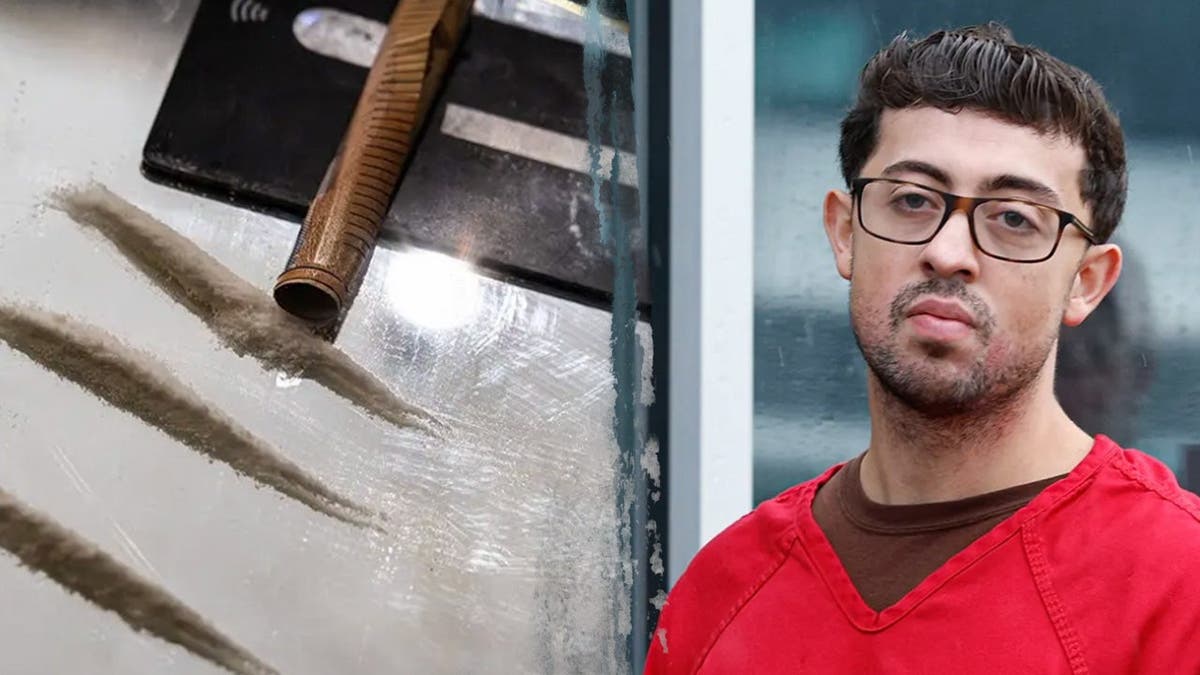
"You need a code of omertà if you’re trying to create an organization that’s essentially like a criminal organization," Lohse told digital news outlets, referencing the traditional code of silence. "When I was reading that the pledges were in the background doing that [packaging cocaine], I thought that was sort of amazing—but in a bad way, but also extremely brazen."
Lohse points out that the chemical landscape of college campuses has drastically shifted since his undergraduate years. Modern pledges face exponentially higher stakes due to the proliferation of synthetic opioids, fentanyl, adulterated substances, and potent herbal extracts like kratom, turning what historical generations might have dismissed as routine college experimentation into a literal game of Russian roulette.
Furthermore, Lohse attributes the degeneration of Greek life to a broader societal and institutional vacuum. With traditional community pillars—such as organized religion, localized moral leadership, and civic institutions—receding from the lives of young men, vulnerable college students are increasingly drawn to fraternities searching for belonging, identity, and structure. Unfortunately, he argues, modern chapters frequently exploit this psychological vulnerability, forcing young men to compromise their individual identities for the sake of the collective survival of the organization.
Institutional and Legislative Responses
The recurring cycle of abuse, addiction, and preventable death has finally forced national fraternity governing bodies, university administrations, and federal lawmakers to pursue aggressive corrective measures.
Judson Horras, president and CEO of the North American Interfraternity Conference (NIC), emphasized that student safety remains the paramount priority for member organizations. In statements addressing the tragic events at Ole Miss, Horras noted that the NIC has proactively instituted enhanced health and safety guidelines across chapters nationwide. Furthermore, the organization has co-led high-profile advocacy efforts aimed at passing stringent anti-hazing legislation in more than a dozen states, in addition to supporting the federal Stop Campus Hazing Act, which mandates greater transparency and reporting standards for colleges and universities.
Individual fraternities caught in the recent crosshairs have similarly vowed strict cooperation with law enforcement. Representatives for Alpha Epsilon Pi condemned the actions uncovered at their Madison chapter, stating unequivocally that hazing represents a profound betrayal of the fraternity’s foundational values and declaring that there are "no exceptions" and "no excuses" for such conduct.
At the university level, institutional responses have historically ranged from swift suspensions to outright bans. In the case of Dartmouth College and Sigma Alpha Epsilon, the chapter involved in Lohse’s historical whistleblowing faced a rigorous 10-year suspension before being conditionally re-recognized by the institution only recently. However, critics argue that institutional bans often fail to solve the underlying problem, merely driving dangerous fraternity behaviors underground into unmarked off-campus houses where university oversight is virtually nonexistent.
Fact-Based Analysis of Broader Implications
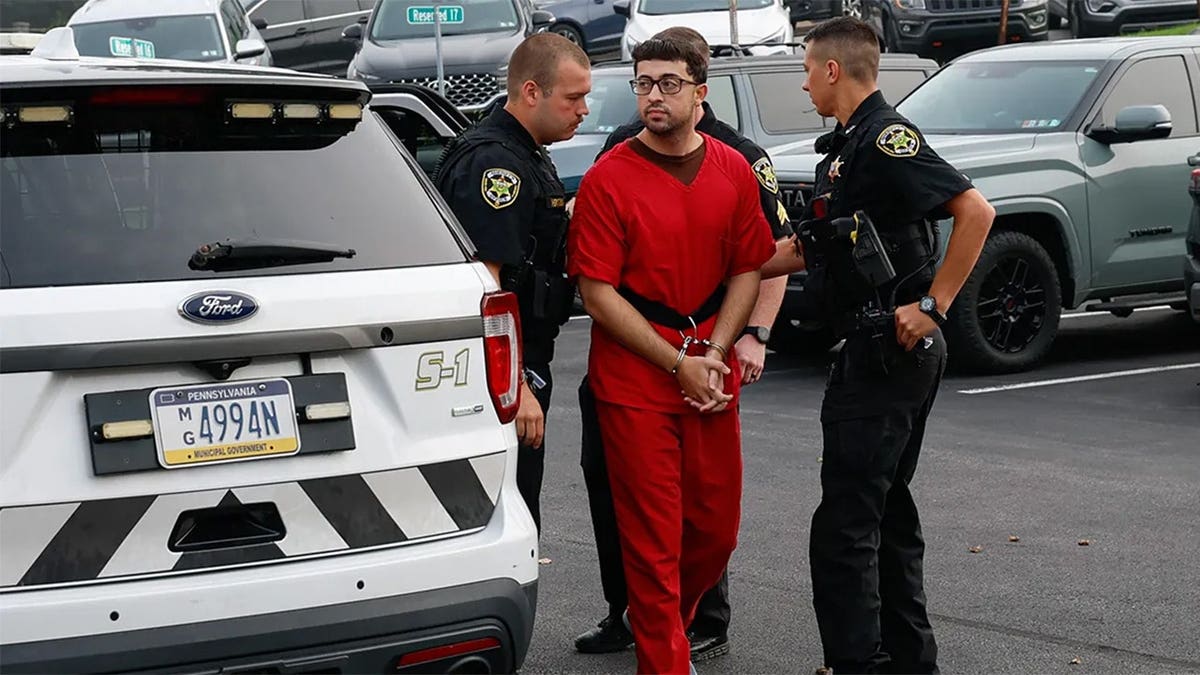
The persistent crisis within American Greek life carries profound legal, sociological, and financial implications for higher education. Legally, the transition of fraternity misconduct from misdemeanor hazing infractions to serious felony drug trafficking—as demonstrated in the Penn State prosecution—exposes national organizations, local chapters, and individual student members to unprecedented criminal liabilities. Prosecutors are increasingly willing to utilize racketeering, conspiracy, and involuntary manslaughter statutes to hold perpetrators fully accountable.
Sociologically, the phenomenon highlights an ongoing crisis of masculinity and mentorship on college campuses. Experts in adolescent psychology note that young men often navigate a complex landscape of social isolation and performance anxiety. While fraternities were originally founded in the 19th century to foster academic excellence, mutual support, and leadership development, the contemporary manifestation often perverts these ideals into hyper-masculine conformity trials characterized by alcohol poisoning, sexual misconduct, and physical abuse.
As universities attempt to navigate these turbulent waters, the advice offered by alumni whistleblowers like Lohse remains a stark warning to incoming freshmen: prospective members must carefully weigh the opportunity cost and potential downside risks of participating in systems where institutional self-preservation frequently supersedes individual safety and basic human dignity. Until comprehensive cultural reform, strict accountability, and uncompromising enforcement take root across all levels of higher education, the tragic headlines that regularly punctuate the academic calendar will likely continue unabated.

