
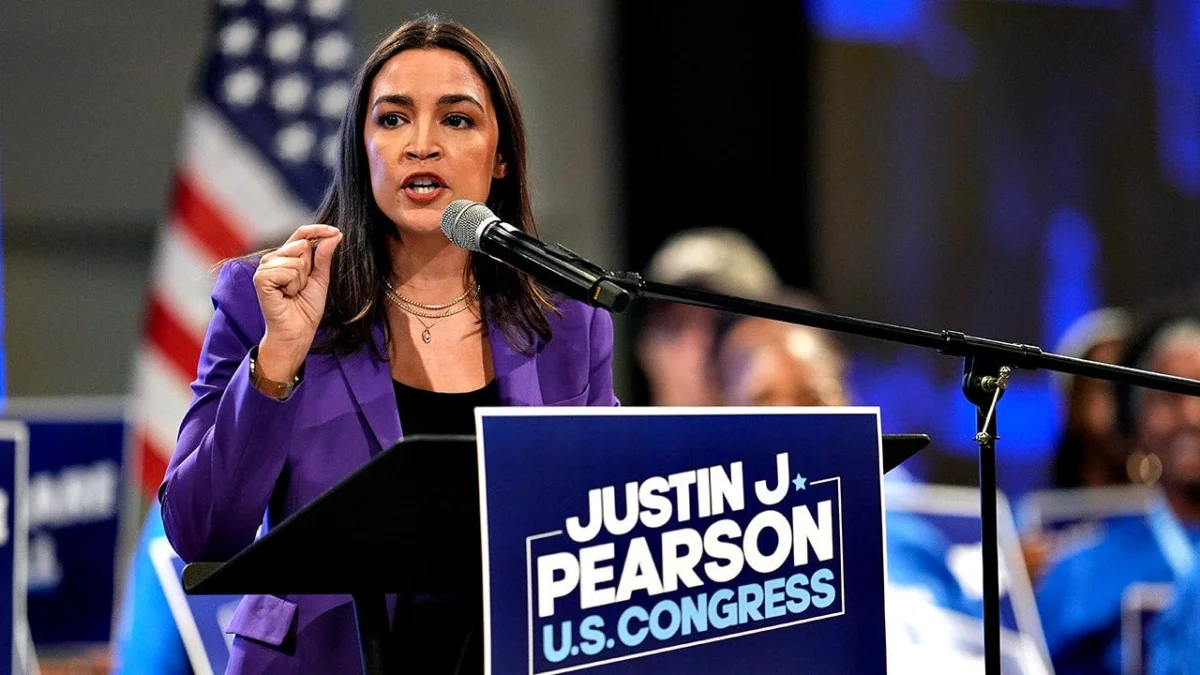
Congresswoman Alexandria Ocasio-Cortez, D-N.Y., has found herself at the center of a social media storm following her appearance at a campaign rally in Memphis, Tennessee, last week. Critics online quickly accused her of adopting an inauthentic Southern accent during her speech, drawing parallels to similar past controversies involving former Vice President Kamala Harris. The incident, which occurred on Friday, July 17, 2026, during a rally for progressive U.S. House candidate Justin Pearson, ignited a fresh debate about political communication, authenticity, and the perceived attempts by public figures to connect with diverse audiences.
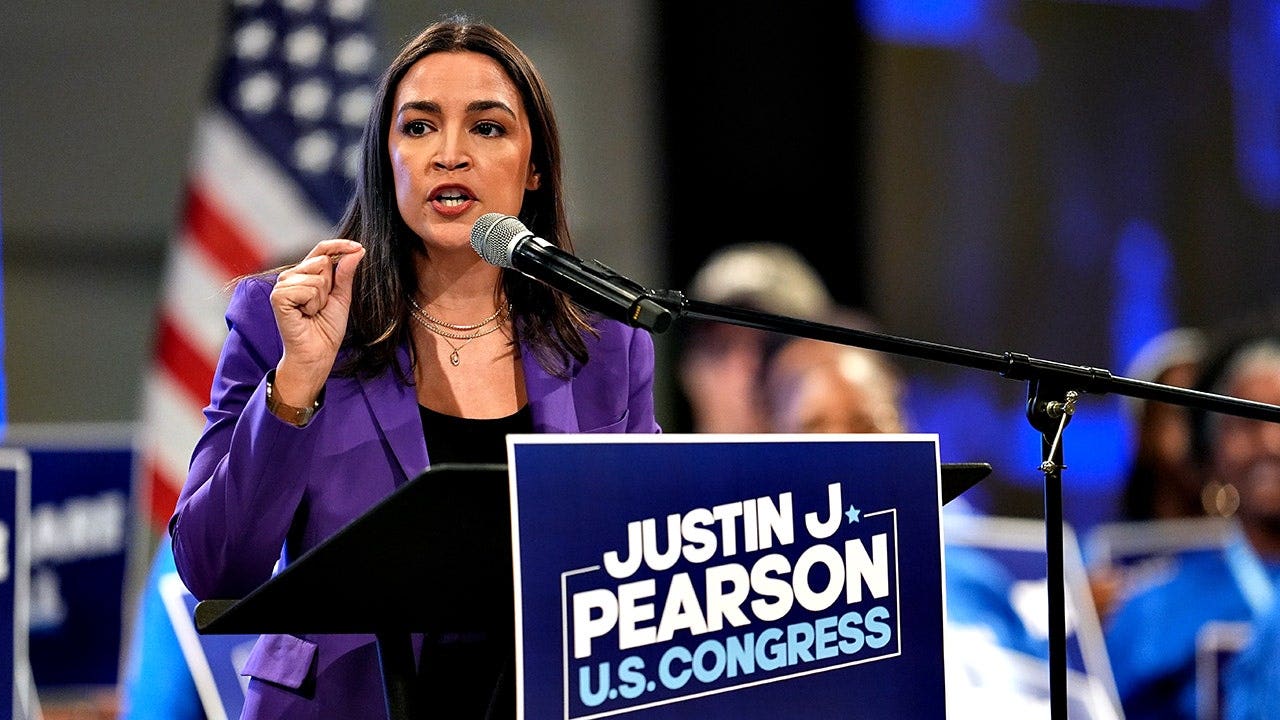
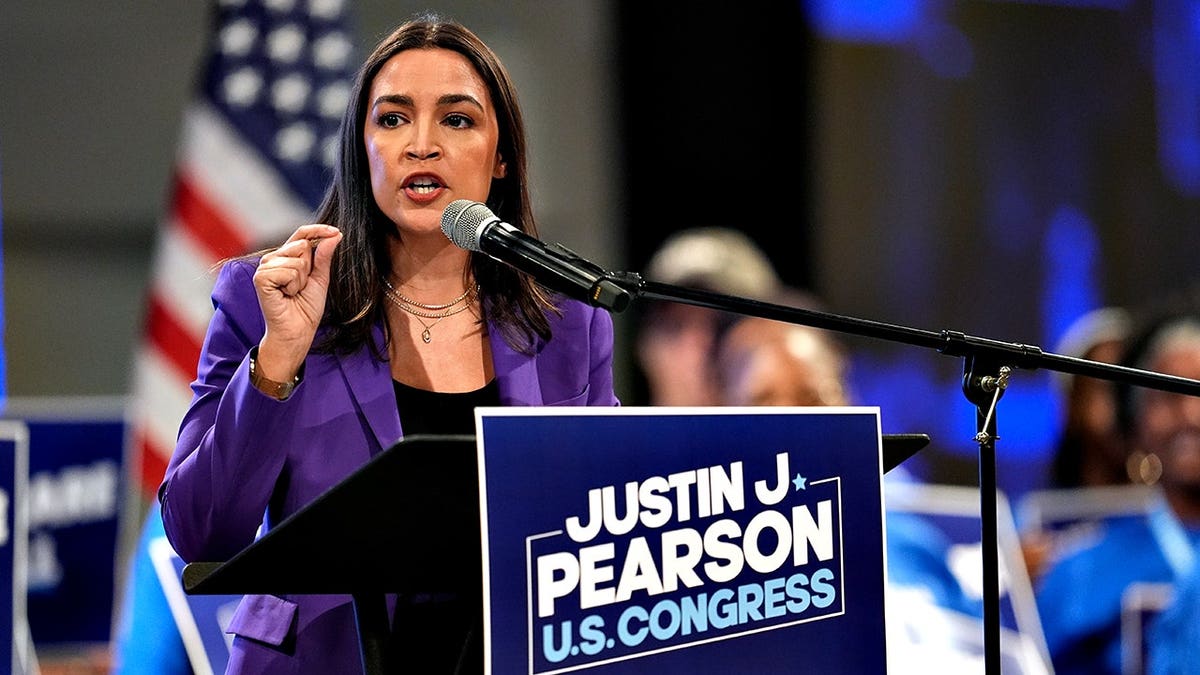
The controversy stems from Ocasio-Cortez’s remarks while campaigning for Pearson, who currently serves as a Tennessee state representative and is a prominent figure in the state’s progressive movement. During her address, the New York representative emphasized the importance of national unity and solidarity with Southern states, stating, "We cannot afford to leave Tennessee behind. We cannot afford to leave Kentucky behind, Alabama behind, Mississippi behind, Georgia behind, South Carolina behind. There is no country where we are split apart." Later in her speech, she elaborated on this theme, referencing a previous visit to the region: "About a month or two ago, we were in Montgomery, Alabama — Sister [Rep. Ayanna] Pressley and I were in Montgomery, Alabama, and one of the things that we said was that it is time for the North to roll up to the South." It was these particular phrases, delivered with what some perceived as an altered cadence and pronunciation, that sparked the immediate online backlash.
The Memphis Rally and Justin Pearson’s Campaign
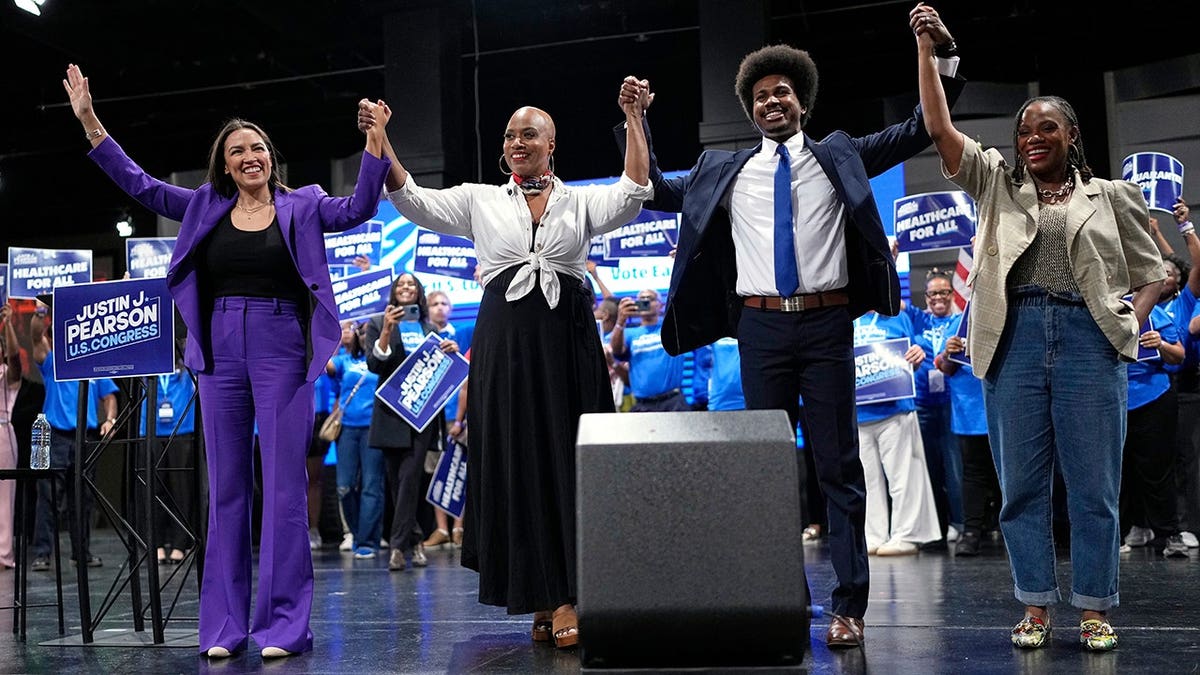
The purpose of Ocasio-Cortez’s visit to Memphis was to lend her considerable political weight to Justin Pearson’s campaign for the U.S. House of Representatives. Pearson, alongside State Rep. Justin Jones, gained national attention in 2023 as part of the "Tennessee Three," a group of young, Black lawmakers who faced expulsion attempts from the Republican-controlled state legislature after participating in gun control protests on the House floor. Their vocal activism and subsequent political resilience transformed them into symbols of progressive resistance in the South, attracting national support from Democratic leaders and progressive icons like Ocasio-Cortez.
The rally itself was a significant event for Pearson’s campaign, aiming to energize the Democratic base in Memphis and highlight the broader progressive agenda. Ocasio-Cortez, known for her charismatic public speaking style and ability to rally progressive voters, was a key draw. Her presence underscored the national Democratic Party’s strategy to invest in and uplift progressive candidates in traditionally challenging regions, attempting to broaden their electoral map and influence state-level politics. The message of unity and the call for the "North to roll up to the South" was intended to bridge geographical and ideological divides within the Democratic coalition, emphasizing shared struggles and collective action. However, the delivery of this message inadvertently overshadowed its content for a segment of the online audience.
Immediate Social Media Reactions and Criticisms
The moment Ocasio-Cortez’s speech circulated online, a wave of criticism erupted across social media platforms. Many users immediately pointed to what they characterized as an affected Southern drawl, contrasting it sharply with her usual Bronx-inflected speech patterns. Actor Michael Rapaport, who has publicly stated his intention to run for New York City mayor in 2029, was among the first to voice his disapproval, posting, "AOC, from the ‘Bronx’ sounding like a southern Baptist preacher while in Memphis." His comment encapsulated the sentiment of many who felt the accent was a deliberate and inauthentic performance.
Conservative communications strategist Steve Guest also weighed in, drawing explicit comparisons to other prominent Democratic women. "Hillary Clinton developed an accent. Kamala Harris developed an accent. AOC is developing an accent. It’s all patronizing," Guest wrote, suggesting a pattern of behavior among female Democratic politicians that he viewed as condescending. Another user on social media went further, directly linking the incident to potential future political ambitions: "Rep. AOC just got busted putting on a FAKE ACCENT for a predominantly black audience. She’s seriously going full Kamala for 2028," hinting at a possible presidential bid by Ocasio-Cortez and implying a calculated, inauthentic strategy. These reactions highlighted a perception among critics that such linguistic shifts are not genuine attempts at connection but rather manipulative tactics designed to appeal to specific demographics.
The Kamala Harris Precedent: A Recurring Political Faux Pas
The comparisons to Kamala Harris were not arbitrary; the former Vice President has repeatedly faced similar accusations of altering her accent to suit her audience, making her a frequent touchstone in discussions of political authenticity. These incidents have ranged from perceived Southern inflections to even a "French accent" during an overseas trip, each time sparking significant media attention and public debate.
One notable instance occurred in July 2024, when Harris was criticized for using what many described as a "fake Southern accent" during a rally in Atlanta, Georgia. This was followed by another controversy later that year during a Labor Day rally in Detroit, Michigan, where critics again alleged she adopted an accent inconsistent with her usual speaking style. The accusations often centered on the perception that these linguistic shifts were deliberate and unconvincing, leading to charges of inauthenticity and pandering.
Perhaps the most widely ridiculed incident took place during Harris’s 2021 overseas trip to France. While touring a COVID lab, critics claimed she adopted a noticeable "French accent" during her interactions, a move that was widely mocked across various media outlets and social media platforms. The White House, in response to questions about these perceived accent changes, often dismissed them as "insane" or non-issues, implying that such criticisms were politically motivated and exaggerated. However, the persistence of these accusations, now extending to Ocasio-Cortez, suggests that public figures, particularly those in high-profile political roles, are under constant scrutiny for their communication styles and how they adapt them.
Linguistic Accommodation vs. Perceived Inauthenticity
The phenomenon at the heart of these controversies is often referred to as "linguistic accommodation" or "code-switching" by linguists. Code-switching is a natural human behavior where individuals adjust their language, accent, or speaking style based on their audience, context, or social setting. This can manifest in subtle shifts in vocabulary, grammar, intonation, or even accent. It is often an unconscious effort to foster rapport, signal group membership, or enhance understanding. For instance, a person might speak more formally in a professional setting and more casually with friends, or adopt regionalisms when visiting a different part of their country.
In politics, linguistic accommodation is a common tool. Politicians frequently modify their speech to connect with local communities, using colloquialisms, shared cultural references, or even adopting slight regional inflections to appear more relatable and empathetic. When successful, this can be seen as a sign of empathy and an ability to genuinely connect with diverse groups. When perceived as unsuccessful or artificial, however, it can backfire spectacularly, leading to accusations of insincerity, pandering, or even condescension.
The line between genuine linguistic adaptation and perceived affectation is thin and highly subjective. What one listener interprets as a natural shift to build bridges, another might view as a cynical attempt to manipulate. Factors influencing this perception include the politician’s established public persona, the perceived magnitude of the accent change, and the political leanings of the listener. For figures like Ocasio-Cortez and Harris, who often face intense scrutiny from political opponents, any perceived linguistic deviation is quickly amplified and framed in the most critical light possible.
Broader Implications for Political Discourse and Authenticity
The accusations against Ocasio-Cortez and the recurring criticisms of Kamala Harris underscore a broader challenge in modern political communication: the relentless demand for authenticity in an age of hyper-scrutiny and instant digital dissemination. Politicians are expected to be genuine, yet they also need to be versatile enough to appeal to broad and diverse electorates. This creates a difficult tightrope walk.
The rise of social media has significantly exacerbated this challenge. Every public utterance, every gesture, and every vocal inflection can be recorded, replayed, analyzed, and critiqued endlessly. A brief moment of perceived linguistic shift, which might have gone unnoticed or been quickly forgotten in an earlier era, can now become a viral sensation, fueling days of debate and potentially damaging a politician’s image. This environment rewards perceived consistency and punishes perceived artifice, regardless of the underlying intent.
For progressive figures like Ocasio-Cortez, whose political brand is often built on a foundation of relatability and direct communication, accusations of inauthenticity can be particularly damaging. Her appeal often lies in her image as an "everywoman" from the Bronx, fighting for working-class interests. Any perception that she is deliberately altering her persona to fit a particular audience can undermine that carefully cultivated image and alienate segments of her base or potential supporters.
Moreover, these incidents feed into a narrative often promoted by conservative media and political opponents that Democratic politicians, particularly those on the progressive wing, are out of touch with mainstream America or are opportunistic in their appeals. The "patronizing" label, as used by Steve Guest, suggests that such linguistic shifts are not just inauthentic but also carry an air of superiority, as if the politician is "talking down" to the audience.
Conclusion and Forward Look
As Fox News Digital awaits comment from Representative Ocasio-Cortez’s team regarding the "fake accent" accusations, the incident serves as a potent reminder of the complexities inherent in political communication in the 21st century. While linguistic accommodation is a common and often unconscious aspect of human interaction, its application by high-profile politicians is subjected to intense scrutiny, often through a highly politicized lens.
The recurring nature of these controversies, particularly the comparisons between Ocasio-Cortez and Kamala Harris, highlights a persistent challenge for politicians: how to genuinely connect with diverse audiences without being perceived as inauthentic or manipulative. In an era where every word and inflection is amplified and dissected, the tightrope walk between relatability and sincerity has become narrower than ever, with significant implications for a politician’s public image and their ability to forge genuine connections with the electorate. This ongoing debate ensures that the authenticity of political speech will remain a key battleground in the court of public opinion.

