

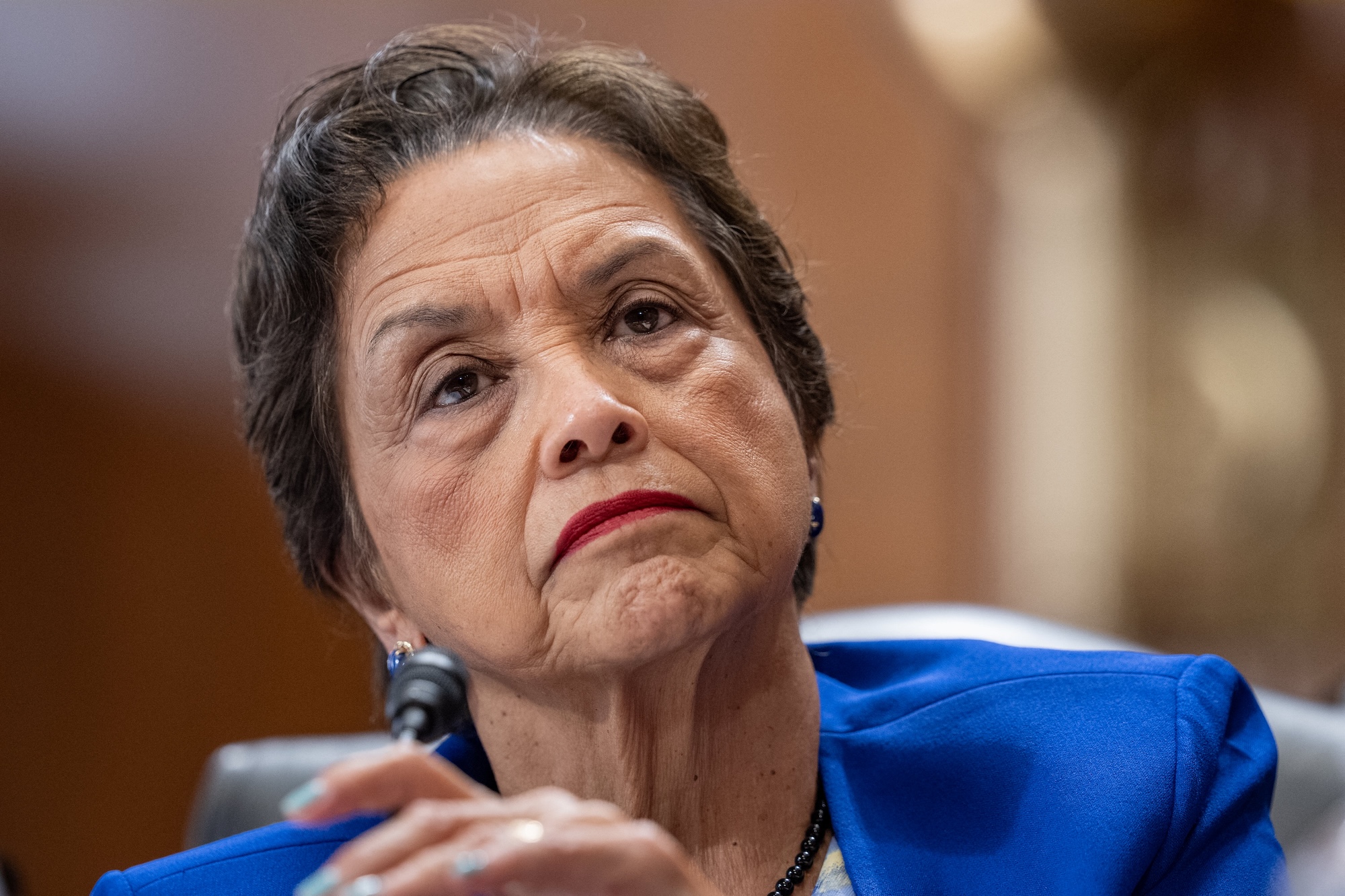
Lou Leon Guerrero, the governor of Guam, learned about the government’s plan to mine her people’s waters the same way everyone else did: by reading the news. It was November 12, 2025, and an aide had forwarded a press inquiry regarding a federal initiative that would fundamentally alter the marine landscape surrounding her island. The Trump administration, in a move to secure critical mineral supplies, had signaled its intent to auction off millions of acres of seafloor for deep-sea mining exploration. For the governor of a U.S. territory, this revelation was not just a policy disagreement—it was a stark reminder of the limitations of territorial governance.
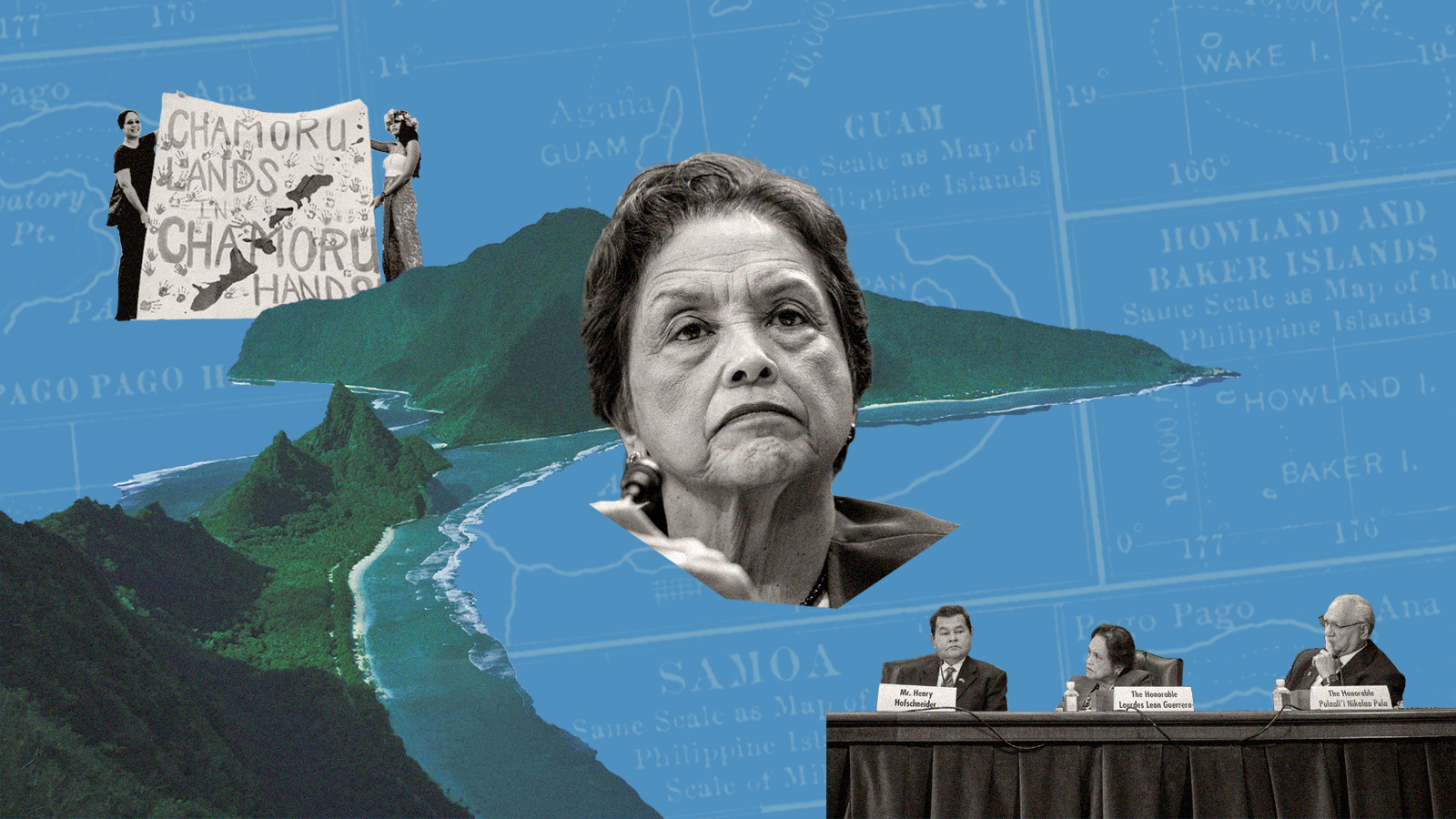
“I’ll never forget the date,” Leon Guerrero said from her office in Adelup, overlooking the expanse of Agana Bay. “I had not heard anything about it.” Her immediate reaction was to contact her counterpart in the Commonwealth of the Northern Mariana Islands (CNMI), Governor David Apatang, to share their mutual frustration over the lack of prior consultation. The subsequent, strained correspondence with the U.S. Department of the Interior underscored a recurring tension: the legal authority of the federal government to bypass local leadership in matters of territorial waters.
The Geopolitical Drivers of Extraction
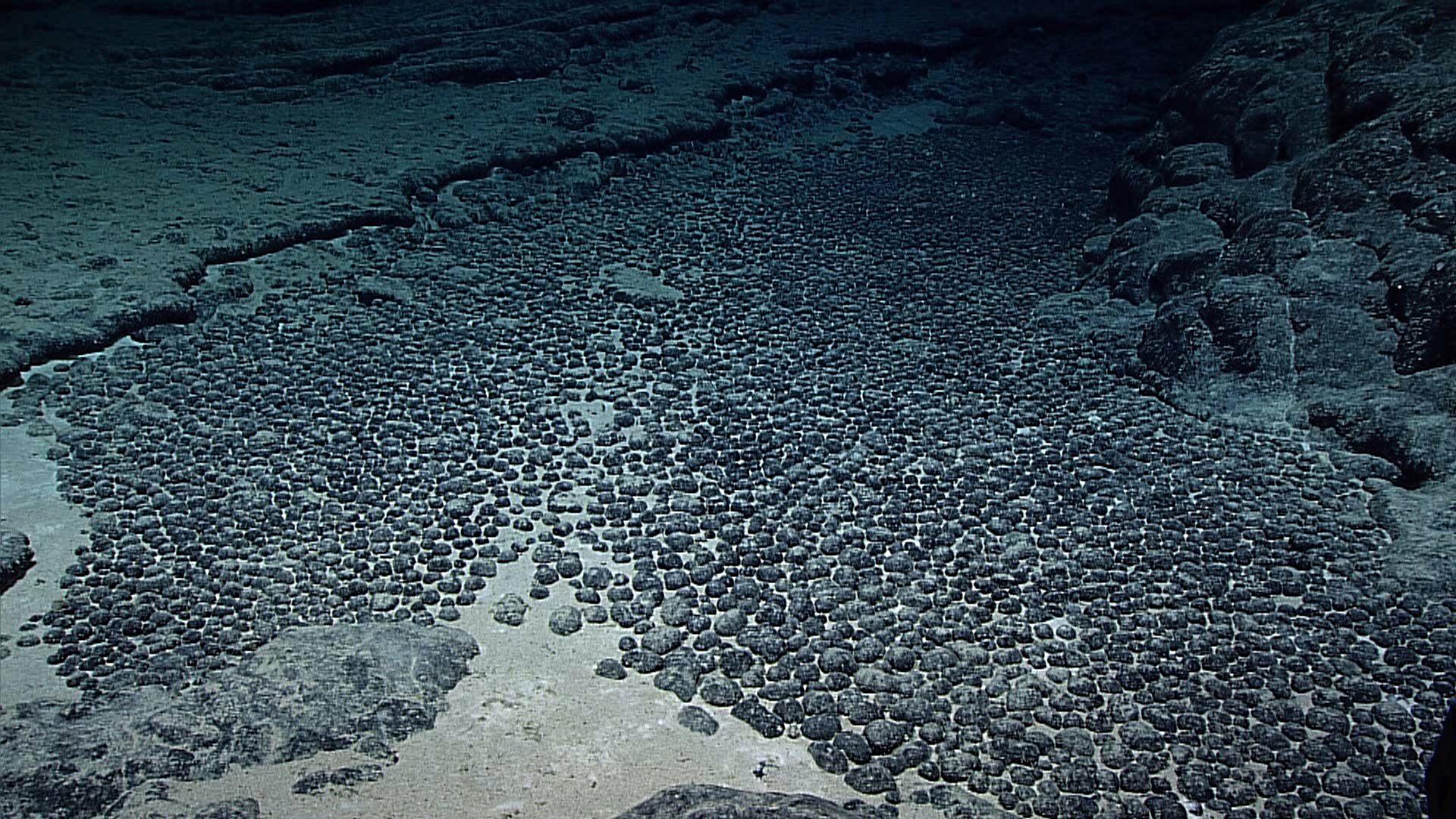
The push for deep-sea mining is rooted in a broader national strategy to mitigate reliance on foreign supply chains for critical minerals. As global demand for copper, manganese, nickel, and rare earth elements skyrockets—driven by the transition to renewable energy and the expansion of advanced military technologies—the U.S. has looked toward the Pacific. The administration’s strategy views these minerals as essential to maintaining technological parity with China, which currently dominates the global processing and refining of these components.

In July 2026, the Marine Minerals Administration (MMA) announced a plan to auction access to 31 million acres of the continental shelf surrounding American Samoa. By the following month, this scope had expanded significantly, with the announcement of a December lease sale covering 67 million acres in the Marianas archipelago. These zones include sensitive areas bordering a national marine monument established by President George W. Bush in 2009, sparking intense pushback from conservationists and local officials who fear irreversible ecological damage.
A Chronology of Omission and Opposition
The process has been marked by a disconnect between Washington’s regulatory timeline and the local reality of the territories.
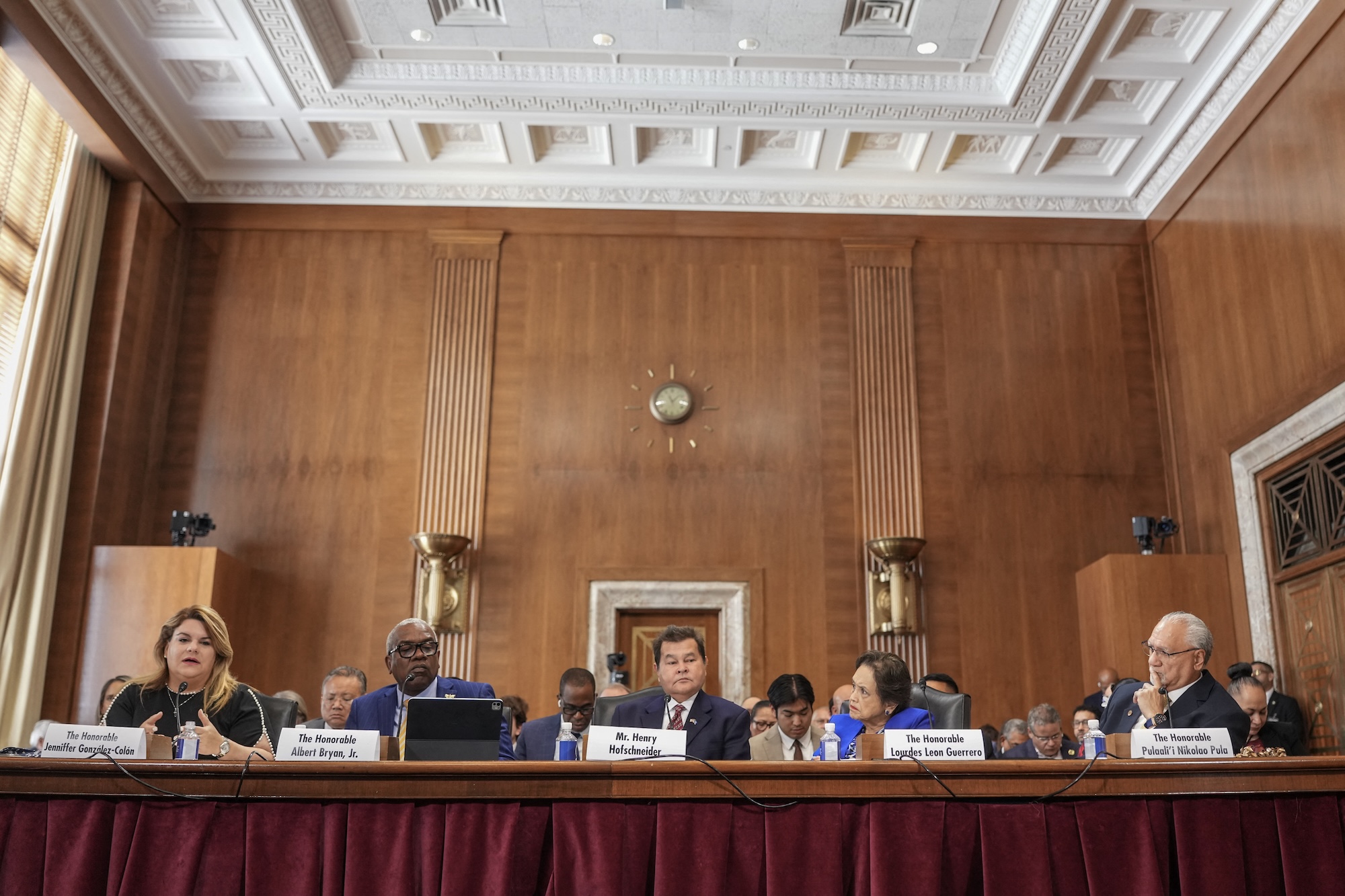
- June 2025: The Governor of American Samoa, Pula’ali’i Nikolao Pula, formally declares a unified opposition to deep-sea mining, citing the potential for environmental destruction and the violation of local cultural resources.
- November 2025: The Trump administration unveils its intention to lease seabed parcels near Guam and the Northern Mariana Islands, triggering widespread public alarm.
- February 2026: Indigenous activists in the Marianas hold protests as federal officials visit to discuss the plans. Despite local requests for a 120-day extension to review the proposals, the federal government grants only a 30-day window for public comment.
- Spring 2026: Environmental law nonprofit Earthjustice files lawsuits on behalf of conservation groups in both American Samoa and the Mariana Islands. The litigation centers on the potential harm to species protected under the Endangered Species Act, such as whales and sea turtles, which the government has allegedly failed to properly assess.
- June 2026: Territorial governors testify before Congress in Washington, D.C., pleading for a seat at the table. Shortly after their return, the government doubles the proposed mining area, catching the leaders off guard once again.
Regulatory Disenfranchisement
The primary friction point lies in the political status of these islands. While neighboring sovereign nations like the Republic of Samoa or the Republic of Palau can exercise full control over their exclusive economic zones (EEZ)—and have actively moved to protect them—the U.S. territories are subject to federal law.
Under the colonial framework of the Insular Cases, residents of these territories lack full voting representation in Congress and cannot participate in presidential elections. Adi Martínez-Román, co-director of the advocacy group Right to Democracy, notes that this lack of political agency renders the territories "practically invisible" to federal policymakers. "It is an insidious result of the colonial framework," Martínez-Román said, noting that while the U.S. relies on these waters for national security, it denies the inhabitants the right to meaningful consent regarding the industrialization of their seafloor.
Economic Uncertainty and Environmental Risk
The economic argument for the mining industry centers on potential revenue and infrastructure development. Some proponents suggest that the wealth generated from mineral extraction could fund public works and improve local economies. However, independent research casts doubt on the viability of these projects. A study circulated among stakeholders suggested that mining in the Pacific may not be profitable due to high operational costs and the volatility of mineral markets.
Furthermore, there is no legal mandate in the current proposals that guarantees revenue sharing or environmental protection bonds. "The throughline of concern I hear is becoming a test site with no kind of guarantees for money being reserved," said J.V. Langkilde, an attorney with Earthjustice. For a place like American Samoa, where the economy is heavily reliant on a single tuna cannery, the potential for sediment plumes to disrupt local fisheries presents an existential threat.
Cultural and Ecological Stakes
Beyond the economic calculus, the cultural impact of seabed industrialization is profound. For the Chamorro people of the Marianas and the Samoan people, the ocean is not merely a resource; it is an ancestral home. Traditional navigators, who rely on marine life and subtle changes in the ocean to traverse the Pacific, fear that large-scale industrial disruption will erase the physical markers of their heritage.
"If deep-sea mining happens, and that thing kind of drives whales in a different course, then we’re going to get lost, too," says John Castro, a traditional navigator from Saipan. For many residents, the psychological toll of these decisions is compounded by the ongoing recovery from climate-driven disasters. Sheila Babauta, an advocate from Saipan, notes that while her community struggles to rebuild after successive super typhoons, they are forced to fight a battle against a federal government that views their home as an industrial frontier.

The Path Forward
The Department of the Interior maintains that it is committed to a "transparent process." In an emailed statement, a spokesperson noted that while the agency facilitates communication, it cannot comment on confidential internal deliberations with territorial leaders. The agency emphasizes that a lease does not equate to an automatic permit to mine; any company awarded a lease would still face rigorous safety and environmental impact assessments.
However, for leaders like Governor Leon Guerrero and delegates like Kimberlyn King-Hinds, these assurances ring hollow. King-Hinds is currently pushing for legislation that would guarantee a 50-50 revenue split with the federal government should mining proceed—an attempt to secure "insurance" for her people. Yet, as a non-voting delegate, her ability to shape the outcome is severely constrained.
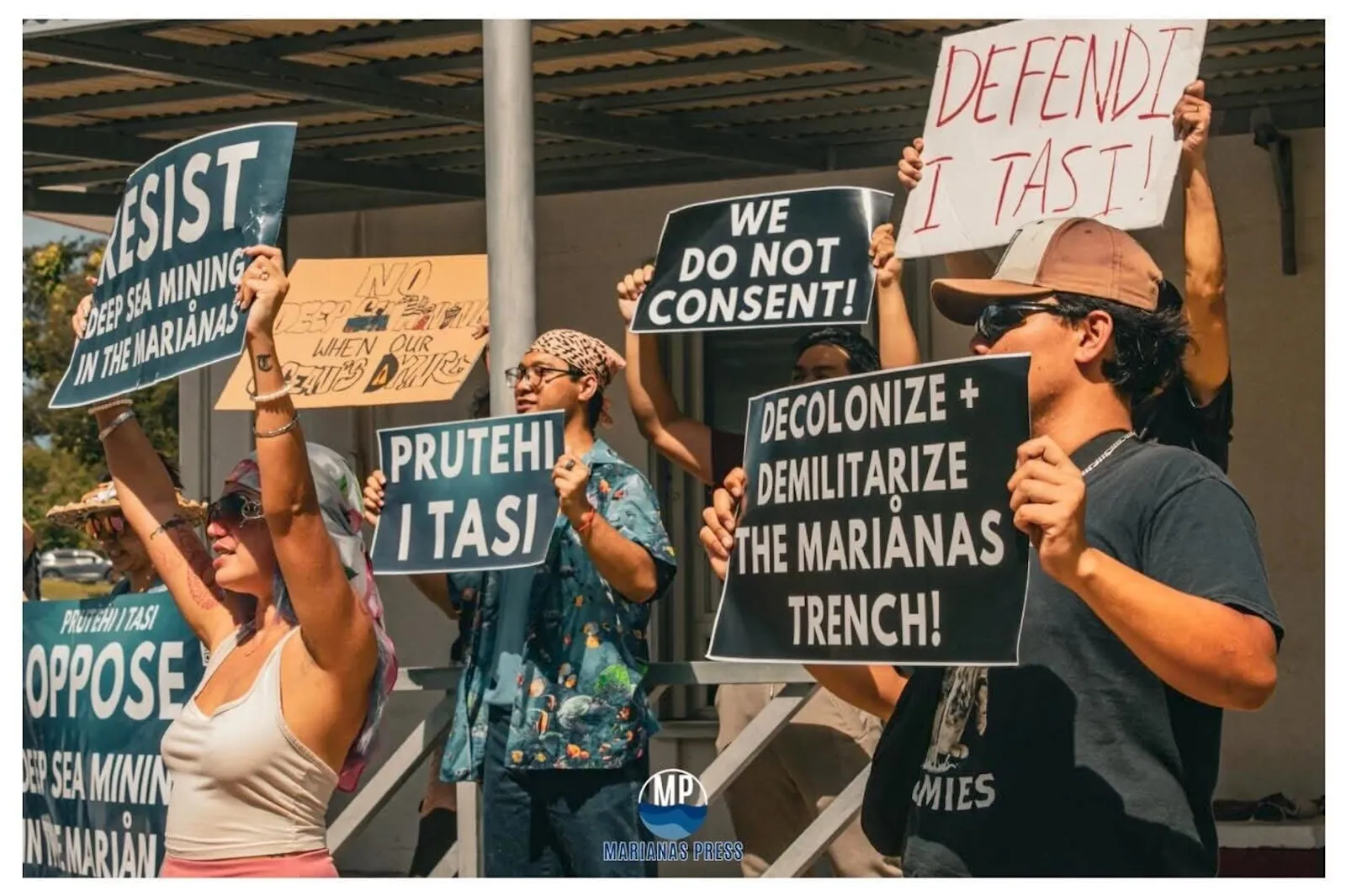
As the international community debates a moratorium on deep-sea mining—with over 45 countries already in support—the United States finds itself in a precarious position. By prioritizing extraction in territories that have little power to resist, the U.S. risks not only the health of its Pacific ecosystems but also the trust of the very citizens who reside on its front lines. For now, the people of the Pacific islands remain in a position of forced observation, watching as decisions are made at distant desks that will irrevocably alter their blue horizon.

