
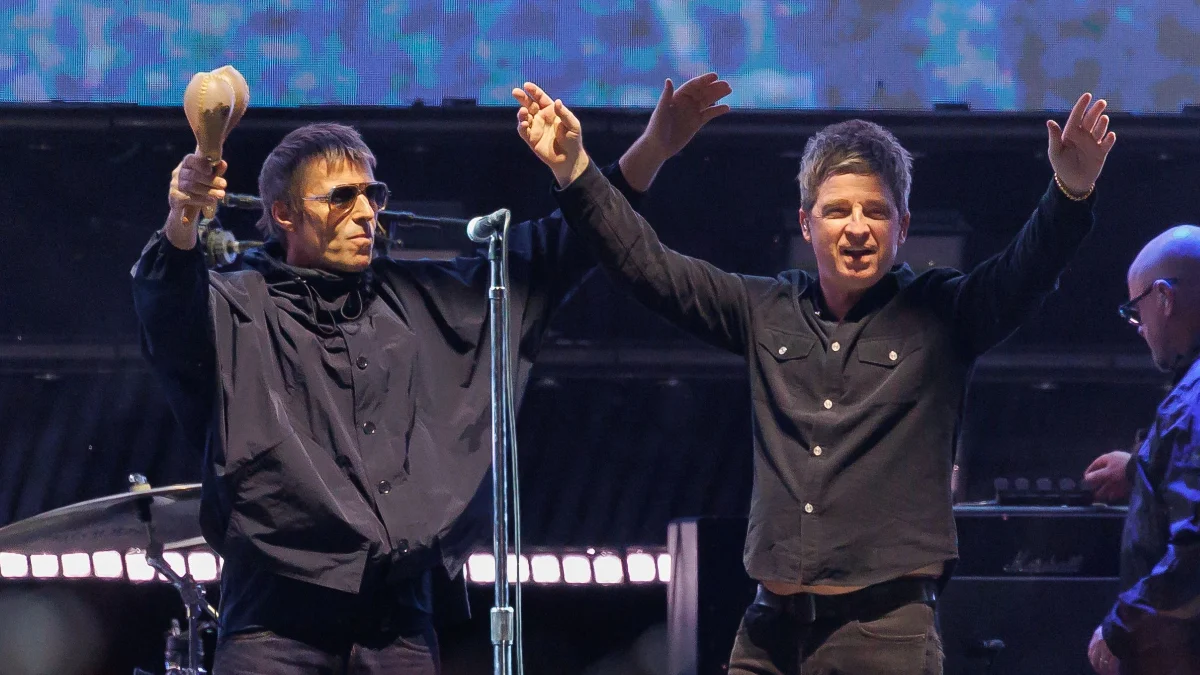
The contemporary live music landscape is currently undergoing a profound demographic and cultural shift, heavily anchored in the enduring appeal of 1990s alternative rock. As the millennial generation—those born between 1981 and 1996—reaches the peak of its earning power and parental responsibilities, a wave of high-profile band reunions has transformed the concert industry. Far from being simple cash grabs, these returns to the stage have frequently showcased bands operating with a level of musical discipline, technical maturity, and artistic focus that eluded them during their volatile youth. Across amphitheaters, arenas, and festival grounds in the United States and abroad, millennial parents are introducing their children to the definitive sounds of their own formative years, bridging a generational gap through shared live music experiences.
This phenomenon is not merely anecdotal; it reflects broader economic and sociological trends within the entertainment sector. Market research within the live entertainment industry indicates that nostalgia-driven tours command some of the highest ticket-sales retention rates and secondary-market values. Consumers in their late thirties and forties increasingly view concert attendance as a premier experiential luxury, prioritizing live performances by legacy acts over newer, digitally native artists. Consequently, promoters have heavily incentivized the reconciliation of once-fractured lineups, turning legendary rock feuds and long-dormant catalogs into multi-million-dollar global enterprises.
The Oasis Phenomenon: From Public Feud to Global Domination
Perhaps the most culturally significant and financially lucrative example of this era’s reunion trend is the historic return of Oasis. Formed in Manchester in 1991, the band defined the Britpop movement before imploding backstage at the Rock en Seine festival near Paris in August 2009. The catalyst for the breakup—an escalating physical and verbal altercation between brothers and co-founders Liam and Noel Gallagher—brought an abrupt end to one of the most successful rock acts of the late 20th century. For nearly two decades, the prospect of an Oasis reconciliation was treated by music critics and industry insiders as an impossibility.
Throughout the 2010s and early 2020s, the Gallagher brothers utilized traditional media and digital platforms to maintain an aggressive public feud. Noel established Noel Gallagher’s High Flying Birds, while Liam fronted Beady Eye before launching a successful solo career. Liam frequently used social media to disparage his brother’s musical direction and personal life, creating a continuous media narrative that kept the Oasis brand alive in the public consciousness, albeit through friction rather than harmony.
In retrospect, industry analysts suggest this prolonged public estrangement may have inadvertently amplified the anticipation for a eventual return. When the brothers officially announced their truce and subsequent comeback, the global response shattered ticketing records. In July 2025, Oasis embarked on a historic world tour that played to packed stadiums across Europe, North America, and parts of Asia, grossing historic figures and generating unprecedented media coverage. Following a planned short hiatus throughout 2026 to accommodate individual rest periods and creative downtime, the band announced a major continuation of their world tour slated for 2027. This methodical pacing has allowed the group to sustain high demand while mitigating the physical strain of relentless touring, proving that maturity has brought a new administrative and professional rigor to the once-notorious band.
The Smashing Pumpkins: Evolution, Attrition, and Endurance
While Oasis represents the dramatic reconciliation of estranged siblings, The Smashing Pumpkins offer a masterclass in institutional persistence and creative reinvention. The band’s original trajectory concluded on December 2, 2000, with an emotional, marathon three-and-a-half-hour performance at The Metro in Chicago—the intimate venue that had launched their career a decade prior. At the time, principal songwriter, vocalist, and guitarist Billy Corgan cited creative exhaustion and shifting cultural tides as the primary drivers behind the dissolution.
However, the retirement proved temporary. Just six years later, in 2006, Corgan and original drummer Jimmy Chamberlin revived the Smashing Pumpkins moniker, releasing the studio album Zeitgeist. Notably absent from this revival were original guitarist James Iha and bassist D’arcy Wretzky, signaling that the reunion would be a partial one, heavily centered around Corgan’s singular vision. Ten years after that initial revival, Corgan and Chamberlin surprised fans with further collaborative efforts, paving the way for a more substantial reunion.
In 2018, the band achieved a significant milestone when Corgan, Chamberlin, and Iha officially reunited under the Smashing Pumpkins banner for a major arena tour, though Wretzky again declined to participate. This core trio embarked on a rigorous schedule of recording and touring that fundamentally altered the band’s operational model. Since the 2018 reunion, the group has released a prolific series of studio albums, including expansive rock operas and conceptual multi-part projects that showcase a deliberate departure from their classic 90s alternative sound while still honoring their roots.
The band’s modern incarnation balances extensive global touring with headline appearances at major international music festivals. A prime example of their sustained relevance occurred in July 2026, when The Smashing Pumpkins headlined Lollapalooza in their hometown of Chicago. Delivering a career-spanning set that blended deep cuts with modern material, the performance underscored how enduring legacy acts can successfully integrate new creative output into nostalgia-driven live sets without alienating their core demographic.
Hum: A Measured, Reverent Return to the Underground
In contrast to the stadium-filling spectacles of Oasis and the relentless output of The Smashing Pumpkins, the return of the influential space-rock band Hum represents a deeply personal, highly selective approach to legacy preservation. Hailing from Champaign, Illinois, Hum earned critical reverence in the mid-1990s for their dense, wall-of-sound guitar tones, complex time signatures, and atmospheric lyricism, anchored by their 1995 mainstream breakthrough single "Stars." Despite their critical acclaim, the band never achieved pop-chart dominance, choosing instead to operate as an influential cult favorite that shaped the trajectories of post-rock, shoegaze, and modern metal.
Hum returned to the live stage in May 2026, delivering a limited run of performances that immediately galvanized the underground alternative community. The centerpiece of this return was a headlining slot at the Slide Away Festival, marking the band’s first live concert appearance since 2019. The emotional weight of the shows was considerable, serving as the group’s first public performances following the death of longtime drummer and founding member Bryan St. Pere, who passed away in June 2021.
To honor St. Pere’s legacy while moving forward, the band carefully curated their live appearances, co-headlining select dates alongside fellow 90s luminaries Chapterhouse, who were concurrently celebrating the 35th anniversary of their seminal debut album, Whirlpool. Despite the overwhelming public demand generated by these performances, representatives for Hum have maintained a transparent stance regarding the band’s future, stating that there are no immediate or long-term plans for an extended touring schedule or new recording sessions. For millennial fans who missed out on the band’s initial run, this brief, highly concentrated series of shows offered a rare, bittersweet opportunity to witness one of alternative rock’s most influential architects live on stage, emphasizing quality and historical reverence over commercial ubiquity.
Economic and Cultural Implications of the 90s Legacy Circuit
The resurgence of bands like Oasis, The Smashing Pumpkins, and Hum highlights a broader economic reality within the modern music ecosystem. In an era where streaming revenues offer diminishing financial returns for legacy artists, touring has become the primary engine of industry revenue. For Generation X and millennial consumers, disposable income is increasingly funneled into live entertainment experiences that offer emotional resonance and a connection to their formative cultural identities.
Furthermore, the involvement of millennial parents in this touring ecosystem has created a unique intergenerational transmission of musical taste. Festivals and arena tours now routinely feature multi-generational family groups, shifting the demographic profile of rock concerts. Industry analysts note that this trend provides stabilization for aging venues and promoters, as these concerts guarantee high per-capita spending on merchandise, premium ticketing tiers, and hospitality packages.
Ultimately, the successful reunions of the 1990s alternative rock class demonstrate that artistic maturity can successfully intersect with commercial demand. Whether through massive, multi-year stadium triumphs, prolific studio reinventions, or carefully curated, emotionally resonant brief appearances, these bands have proven that the music of the 1990s remains a vibrant, economically vital cornerstone of contemporary popular culture. As these legacy acts continue to navigate their second acts, they offer a testament to the enduring power of songwriting, generational loyalty, and the irreplaceable value of the live music experience.

