
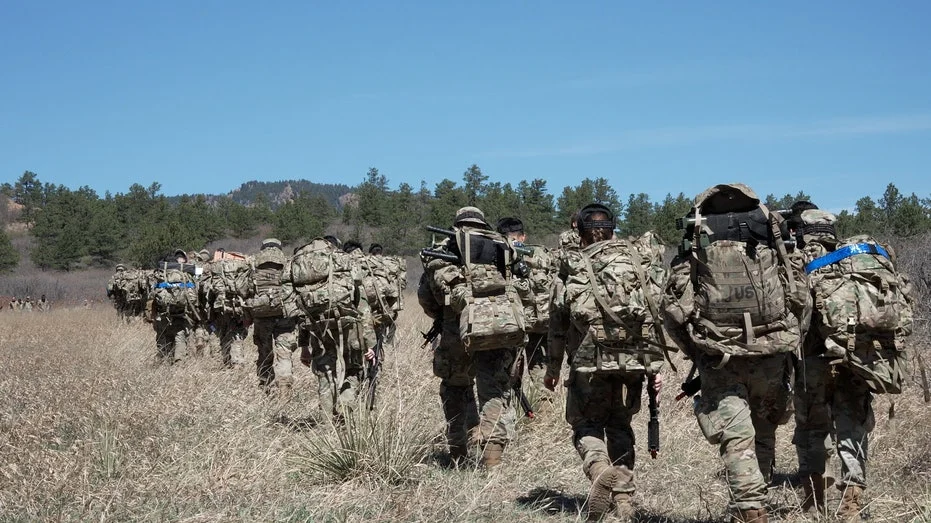
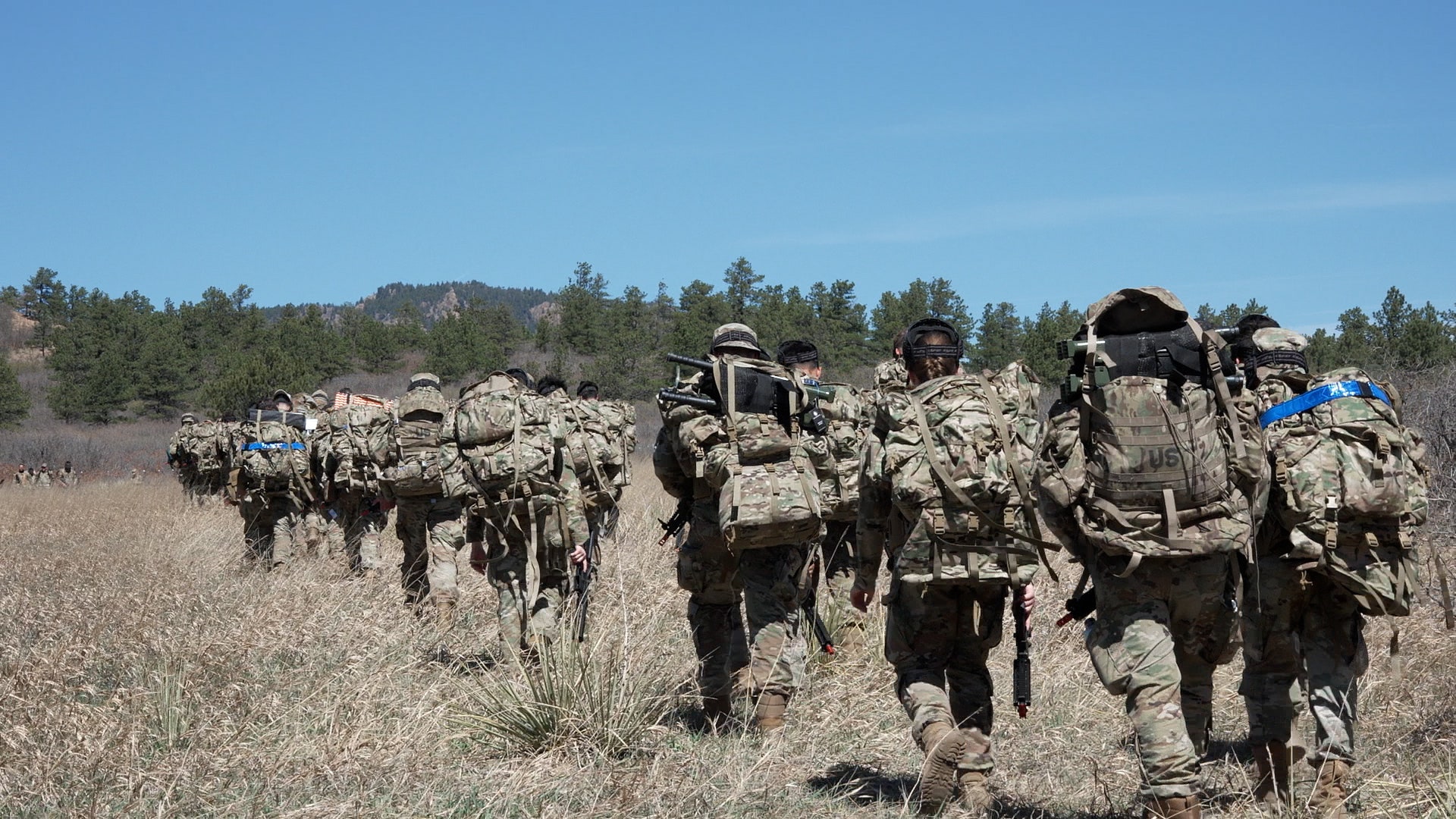
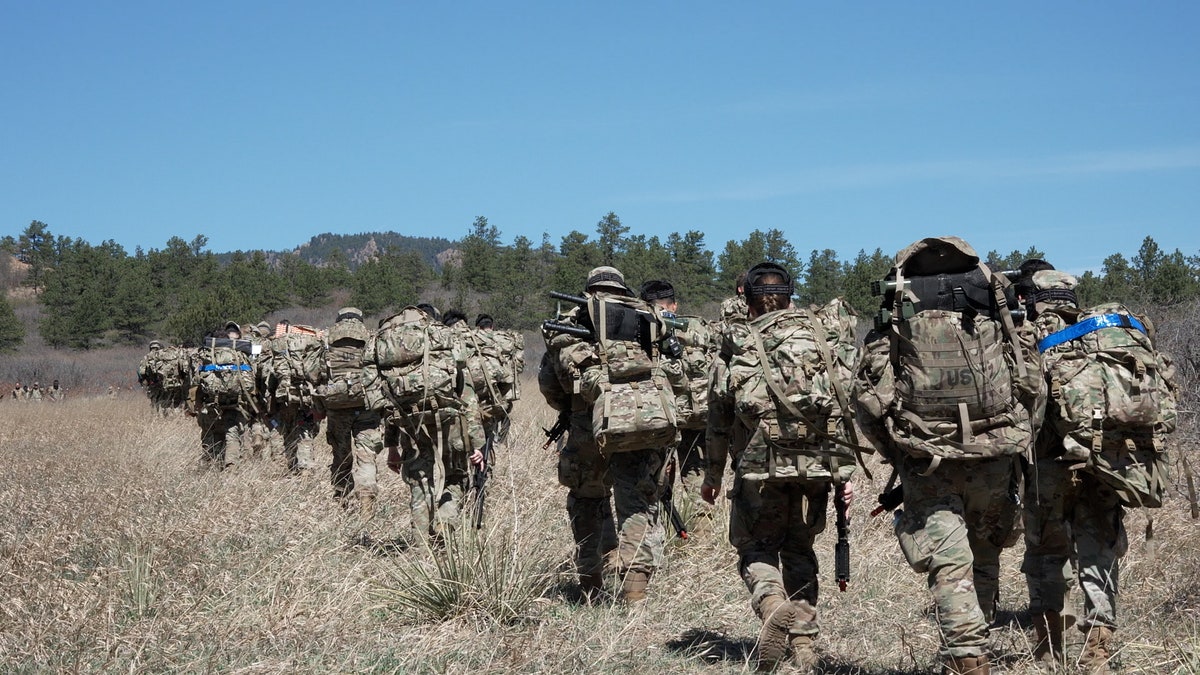
The United States Air Force Academy (USAFA) recently concluded its annual "CULEX," or Culminating Training Exercise, a comprehensive and immersive event designed to provide cadets with an unparalleled, realistic simulation of a modern combat scenario. Running non-stop from April 15 through April 18, this rigorous 24-hour-a-day exercise engulfed the academy’s sprawling 18,500-acre campus in Colorado Springs, transforming the picturesque foothills of the Rocky Mountains into a simulated battleground. Nearly 4,000 cadets, representing all four classes, participated in this high-stakes training, undertaking roles from strategic leadership to frontline defense, all within a meticulously crafted, dynamic war game.
Background and Evolution of CULEX
The CULEX stands as a cornerstone of the U.S. Air Force Academy’s commitment to developing future officers equipped to tackle the multifaceted challenges of 21st-century warfare. While training exercises are a regular feature of military academies, this specific iteration of CULEX, now in its second year in this expanded, multi-domain format, signifies a strategic evolution in cadet preparation. Its design moves beyond traditional rote learning or isolated skill tests, opting instead for an experiential, integrated approach that mirrors the complexities and uncertainties of actual conflict zones. The exercise is not merely a test of individual proficiency but a crucible for forging collective leadership, teamwork, and resilience under extreme pressure.
The academy’s mission is to educate, train, and inspire men and women to become officers of character, motivated to lead the U.S. Air Force and Space Force in service to the nation. CULEX is the capstone event that brings together all elements of a cadet’s training, from physical endurance and tactical skills to strategic planning and ethical decision-making. It serves as a vital bridge between theoretical knowledge gained in classrooms and the practical application required in the demanding environment of military operations. The shift towards a non-pass/fail model emphasizes learning and growth over punitive assessment, encouraging cadets to push boundaries, make difficult decisions, and learn from outcomes in a controlled, yet highly realistic, setting.
The Hokkaido Scenario: A Geopolitical Backdrop
This year’s CULEX scenario placed the entire USAFA campus in the role of Hokkaido, a strategically vital Japanese island facing a concerted attack from an unspecified enemy force. Japan, a key U.S. ally in the Indo-Pacific, has requested American defensive assistance, immediately thrusting the cadets into a coalition warfare environment. This geopolitical context is deliberately chosen to reflect contemporary global security challenges, particularly the increasing emphasis on regional stability and allied cooperation in areas of heightened strategic competition. The Indo-Pacific theater, with its complex political landscape and diverse threats, provides a highly relevant backdrop for training future military leaders who will likely operate in similar international coalitions.
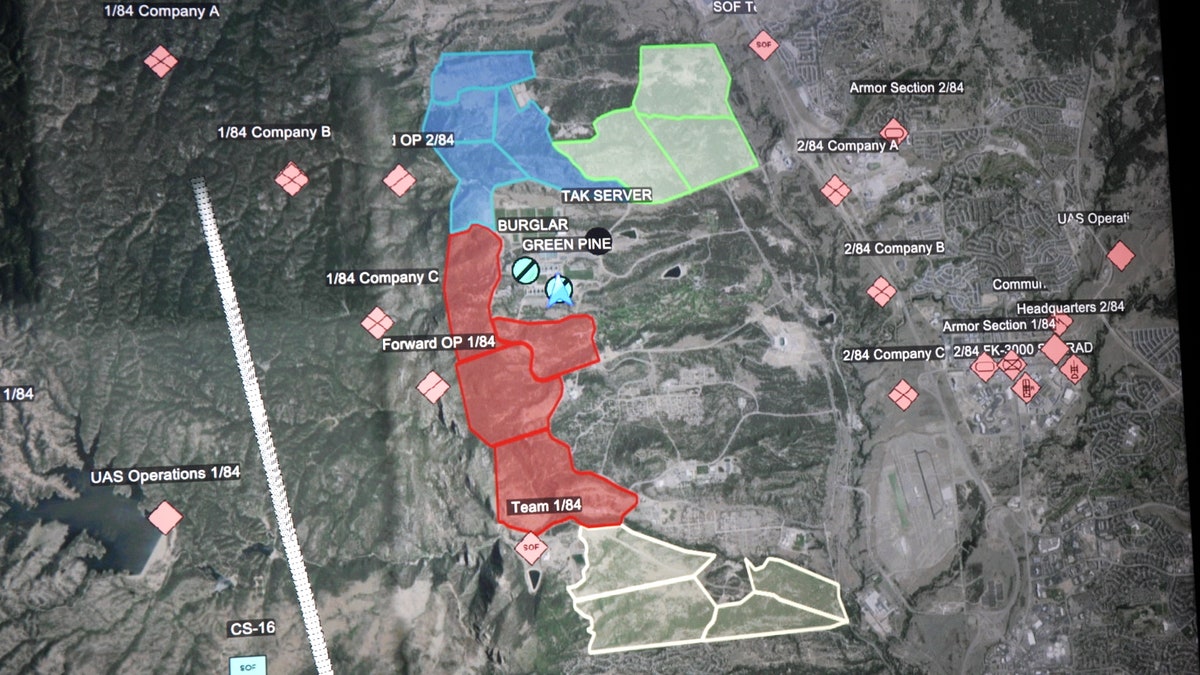
Col. Jennifer Hall, the director of CULEX, elaborated on the scale of the transformation: "We’ve pretty much taken over the entirety of USAFA to allow all 4,000 of our cadets to have space to operate throughout the exercise." This complete immersion ensures that every cadet, regardless of their class year, has a defined role and contributes to the overall mission. The scenario was designed with four established airfields, each serving as a "Joint Operating Area" (JOA). These JOAs became critical nodes in the simulated defense, requiring integrated command and control, resource allocation, and sustained defensive operations against a determined adversary.
Inside the Joint Operating Areas: Challenges and Objectives
Each of the four Joint Operating Areas housed approximately 800 cadets, tasked with a multi-faceted mission: defending a primary airfield, protecting two high-value assets (which could range from critical infrastructure to intelligence hubs), and executing a personnel recovery mission for a downed airman. This layered set of objectives forces cadets to prioritize tasks, allocate limited resources, and manage multiple simultaneous threats, mirroring the chaos and complexity of real combat.
Adding another layer of realism, the exercise incorporated dynamic and unpredictable challenges, including simulated injured officers and persistent invasions by an "enemy" force. This adversary, dubbed the "Red Force," was composed of one dedicated cadet squadron. "We pulled out one squadron to play Red Force," explained Col. Hall. "So our cadets are actually playing Red Force, and they’re out there in the field right now harassing our cadets. They’re doing an amazing job. They’re super excited." The Red Force’s mandate was not merely to attack but to actively "complicate" decision-making for the defending cadets, forcing them to adapt, innovate, and think critically under pressure. This adversarial component is crucial for developing agile and resilient leaders capable of responding to evolving threats rather than static ones.
Operational Cadence and Multi-Domain Engagement
The 24/7 nature of CULEX demanded constant vigilance and sustained operations. For the first time, cadets remained overnight in the field, experiencing the physical and mental demands of continuous combat operations. Their austere, expeditionary environment featured approximately 15 tents, including crucial tactical operations centers (TOCs) for command and control, a medical tent for simulated casualties, warming tents for personnel, and sleeping tents. This setup replicates the minimal infrastructure and self-sufficiency often required in forward operating bases or deployed environments.
The exercise encompassed a broad spectrum of military operations, reflecting the multi-domain nature of modern warfare:
- Air Operations: While the primary focus was on ground defense, cadets were also engaged in roles that simulated air superiority and support. This included roles connected to flying airplanes (likely through simulators or directing simulated air assets) and deploying parachutes, demonstrating the integrated nature of air-ground operations.
- Ground Defense: Hundreds of cadets on the ground were equipped with airsoft guns, simulating direct engagement with enemy forces. Their duties included establishing defensive perimeters, conducting patrols, gathering intelligence, and responding to incursions. Communication was paramount, with cadets constantly taking radio traffic from "troops under attack" and coordinating responses.
- Mission Control and Strategic Intelligence: A crucial component involved cadets in mission control centers. Here, they utilized advanced tools such as drones and mapping technology to gather real-time intelligence, analyze battlefield situations, and develop strategic solutions to complex problems. This aspect is particularly vital for future Space Force officers, who will operate at the nexus of technology, data, and global strategic awareness.
Col. Hall underscored the necessity of this comprehensive training: "The only way to prepare for the fight that we’re in, or the future fight, is to develop the training necessary where they can experience it real time, in the woods, in the field." This philosophy drives the academy’s continuous efforts to evolve its training methodologies, ensuring they remain relevant to the rapidly changing global security landscape.
Leadership Development and Future Readiness
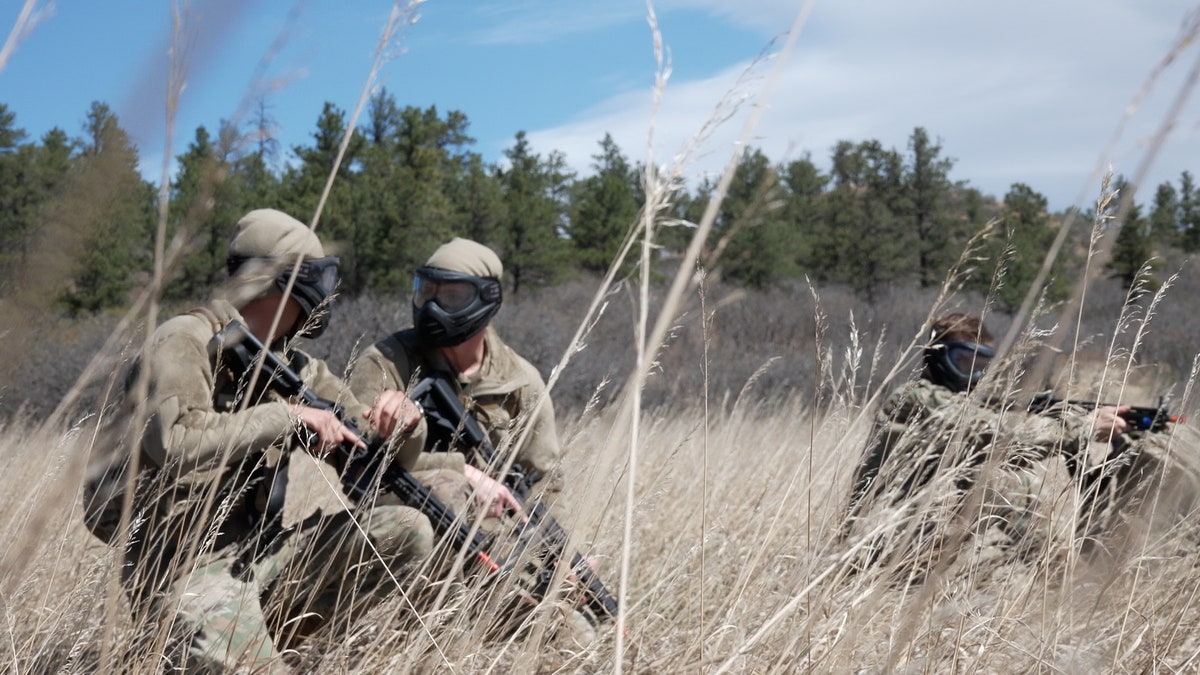
The overarching goal of CULEX extends beyond tactical proficiency; it is fundamentally about character and leadership development. By placing cadets in scenarios where decisions have immediate, albeit simulated, consequences, the exercise fosters critical thinking, problem-solving skills, and the ability to lead diverse teams under duress. The emphasis on confidence, teamwork, and leadership skills, rather than a simple pass-or-fail metric, encourages cadets to embrace challenges, learn from mistakes, and grow as individuals and future leaders.
This pedagogical approach is particularly impactful for the academy’s senior class. As Col. Hall noted, "For our seniors, in 44 days, they’re going to graduate, and they’re going to go off, and they’re going to be officers in our Space Force and Air Force—how much more equipped they’re going to be to lead, to face complicated problems, to know that they can do what’s difficult." The experience of CULEX provides these soon-to-be officers with a tangible sense of what awaits them, instilling a deeper understanding of their responsibilities and the profound impact of their leadership on those they will command.
Broader Implications for National Security
The U.S. Air Force Academy’s CULEX is more than just an internal training event; it has significant implications for national security and military readiness. In an era marked by increasing geopolitical instability, technological acceleration, and the rise of multi-domain threats, the ability of military leaders to operate effectively in complex, ambiguous, and rapidly evolving environments is paramount.
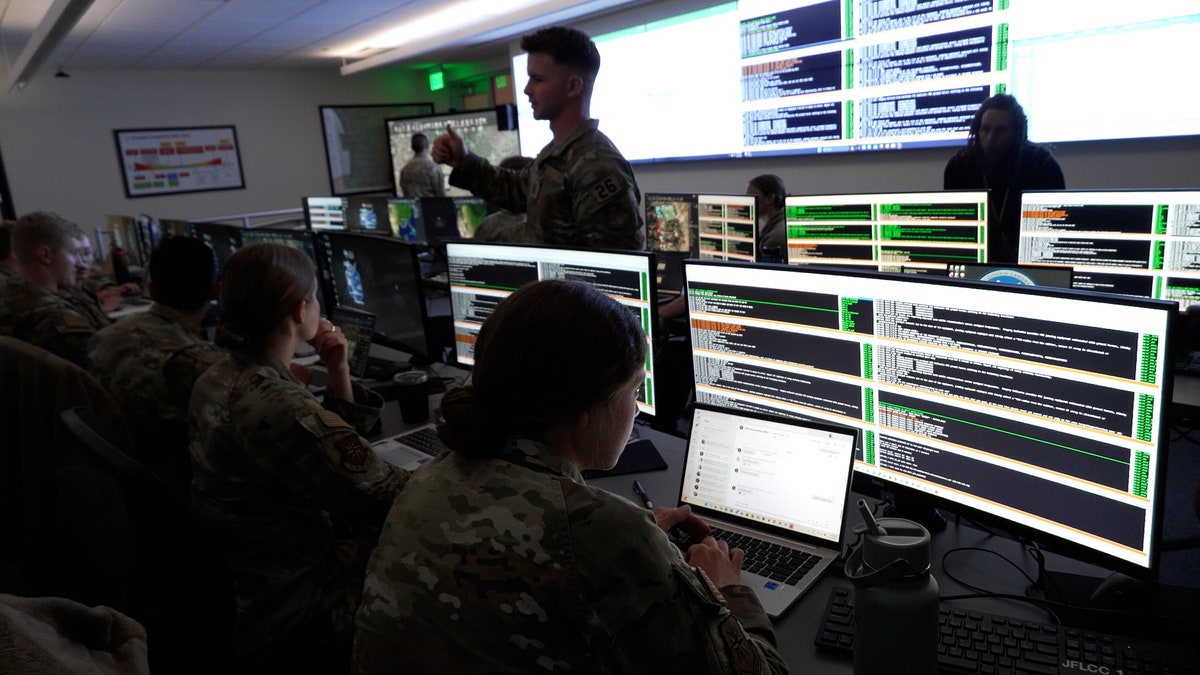
- Enhanced Readiness: By simulating realistic combat scenarios, USAFA ensures that its graduates are not only academically proficient but also tactically astute and mentally prepared for the rigors of service. This proactive approach to training contributes directly to the overall readiness of the U.S. Air Force and Space Force, ensuring a pipeline of capable and adaptable officers.
- Adaptability to Future Warfare: Modern warfare is characterized by its multi-domain nature, encompassing air, space, cyber, land, and sea. Exercises like CULEX, with its integrated approach to these domains, are essential for preparing officers who can seamlessly navigate and command in such environments. The inclusion of drones, advanced mapping, and simulated air operations highlights a forward-thinking approach to technological integration in combat.
- Coalition Operations: The Hokkaido scenario underscores the importance of allied cooperation. Future conflicts are increasingly likely to involve multinational forces, and training in a simulated coalition environment prepares cadets for the complexities of interoperability, cultural understanding, and shared command structures.
- Resilience and Ethical Leadership: Operating under continuous pressure, facing unexpected challenges, and managing simulated casualties forces cadets to develop mental resilience and make difficult ethical decisions. These are critical attributes for officers who will be entrusted with significant responsibility and the lives of their personnel.
In conclusion, the U.S. Air Force Academy’s CULEX represents a state-of-the-art approach to military education. By transforming its campus into a dynamic, war-torn landscape and immersing its entire cadet wing in a realistic, multi-domain combat scenario, USAFA is meticulously crafting the next generation of Air Force and Space Force officers. These leaders will be equipped not just with technical skills but with the invaluable experience of navigating chaos, making critical decisions under pressure, and leading with confidence and integrity, ensuring the continued strength and adaptability of the nation’s air and space power in a challenging global landscape.

