
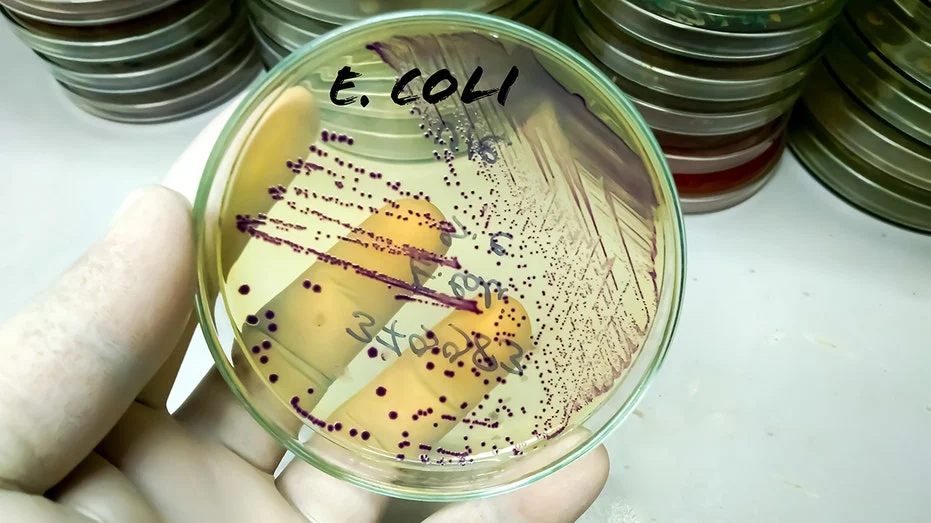
A Chinese national and former Indiana University postdoctoral researcher, Youhuang Xiang, 32, has been sentenced to more than four months in federal prison after admitting guilt to charges of illegally smuggling Escherichia coli (E. coli) DNA into the United States. The conviction, announced by federal prosecutors on Tuesday, February 13, 2026, underscores escalating concerns regarding biosecurity, the integrity of federally funded research, and the clandestine activities of foreign actors, particularly those affiliated with the Chinese Communist Party (CCP), within American academic institutions. Beyond the prison term, Xiang faces a substantial fine, supervised release, and ultimate removal from the United States following the completion of his sentence.
The gravity of Xiang’s offense extends beyond a simple regulatory violation. He confessed to deliberately concealing samples of E. coli DNA within a package shipped from China, cunningly mislabeling it as "women’s underwear" to evade detection by U.S. customs officials. This deliberate act of deception, coupled with revelations uncovered by the FBI regarding his undisclosed membership in the Chinese Communist Party and his lies to immigration authorities, has amplified fears among national security experts and policymakers about the potential for espionage and the weaponization of biological materials. U.S. Attorney Tom Wheeler for the Southern District of Indiana emphasized the severe nature of the breach, stating, "Such conduct poses a very serious threat to public safety and to the health of our agricultural economy."
The Incident and Investigation: A Detailed Chronology
The investigation into Youhuang Xiang began in November 2025, when the FBI’s Indianapolis Division initiated a probe into suspicious shipments originating from China and directed towards individuals associated with Indiana University. This proactive monitoring highlighted a concerning pattern of undeclared or mislabeled biological materials entering the country. Investigators specifically flagged a shipment received by Xiang at his Bloomington, Indiana, residence in March 2024. The package, sent from a China-based entity identified as Guangzhou Sci-Tech Innovation Trading, was falsely declared on its manifest as "Underwear of Man-Made Fibers, Other Womens." The discrepancy was immediately apparent to agents, as Guangzhou Sci-Tech Innovation Trading is known to specialize in science and technology products, not apparel.
The turning point in the investigation occurred in November 2025, when Xiang was intercepted by U.S. Customs and Border Protection officers at Chicago O’Hare International Airport upon his return from a research trip to the United Kingdom. Initially, Xiang denied any knowledge of the suspicious shipment or its contents. However, confronted with mounting evidence, he eventually recanted his denial, admitting that the package indeed contained intentionally concealed samples of E. coli bacteria DNA. This admission confirmed investigators’ suspicions of a deliberate attempt to circumvent U.S. import regulations and biosecurity protocols. The subsequent plea of guilty streamlined the judicial process, leading to the recent sentencing.
The Threat of Unregulated Biological Materials: E. coli and Biosecurity
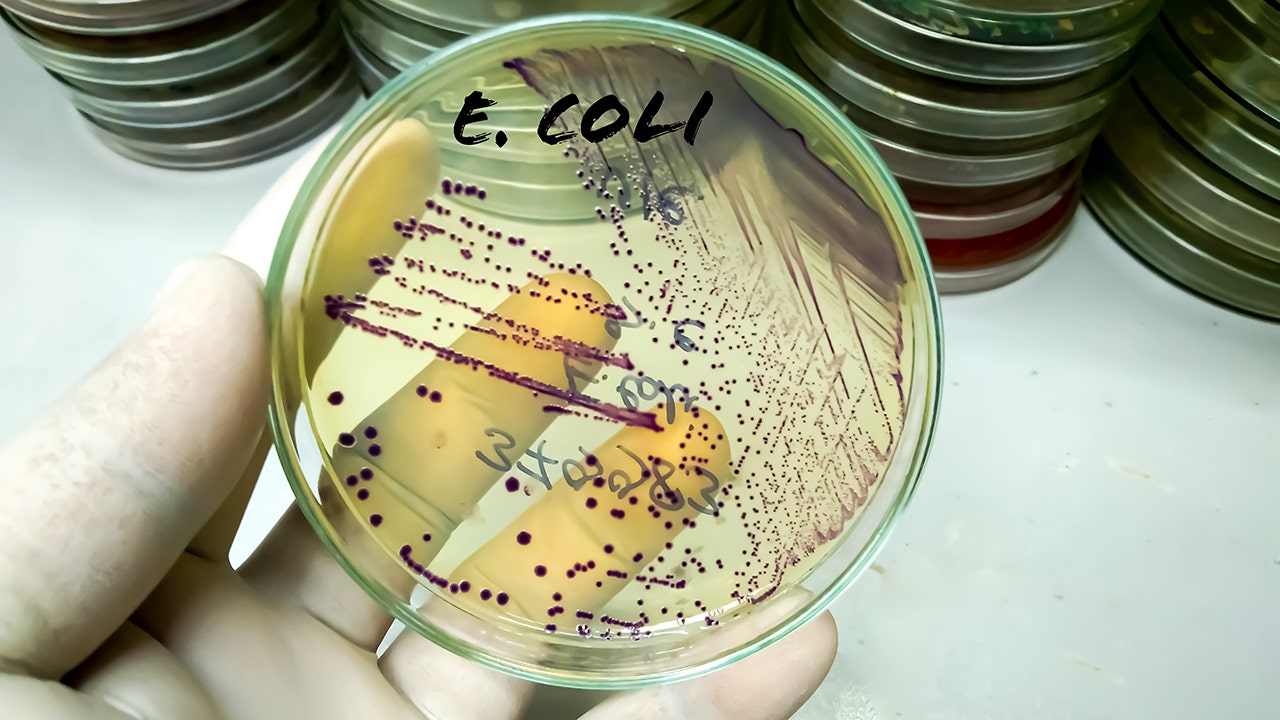
E. coli, or Escherichia coli, is a common bacterium found in the intestines of humans and animals. While most strains are harmless and play a vital role in a healthy digestive system, certain strains, such as E. coli O157:H7, can cause severe food poisoning, leading to symptoms like abdominal cramps, diarrhea, and vomiting, and in extreme cases, life-threatening kidney failure (hemolytic uremic syndrome). The smuggling of E. coli DNA, even if from non-pathogenic strains, presents a multifaceted threat.
Firstly, the uncontrolled import of any biological material bypasses critical biosecurity checks designed to prevent the introduction of harmful pathogens or genetically modified organisms that could pose risks to public health, agriculture, or the environment. Researchers often import specific strains or genetic sequences for legitimate scientific inquiry, such as studying antibiotic resistance mechanisms, developing vaccines, or for use in genetic engineering. However, these transfers are strictly regulated by agencies like the Centers for Disease Control and Prevention (CDC) and the U.S. Department of Agriculture (USDA) to ensure proper containment, handling, and risk assessment. Xiang’s actions circumvented these essential safeguards, creating a blind spot in the nation’s biodefense.
Secondly, the act of concealment itself raises red flags about intent. Why would a researcher resort to such clandestine methods if their intentions were purely academic and benign? The potential for misuse of biological materials, especially in the context of state-sponsored programs, is a significant concern for national security agencies. While the specific strain of E. coli DNA smuggled by Xiang was not publicly detailed as immediately dangerous, the precedent set by such a breach is alarming. It demonstrates a willingness to exploit vulnerabilities in the system and engage in deceptive practices, eroding trust in the international scientific community.
Broader National Security Implications: CCP Affiliation and Academic Espionage
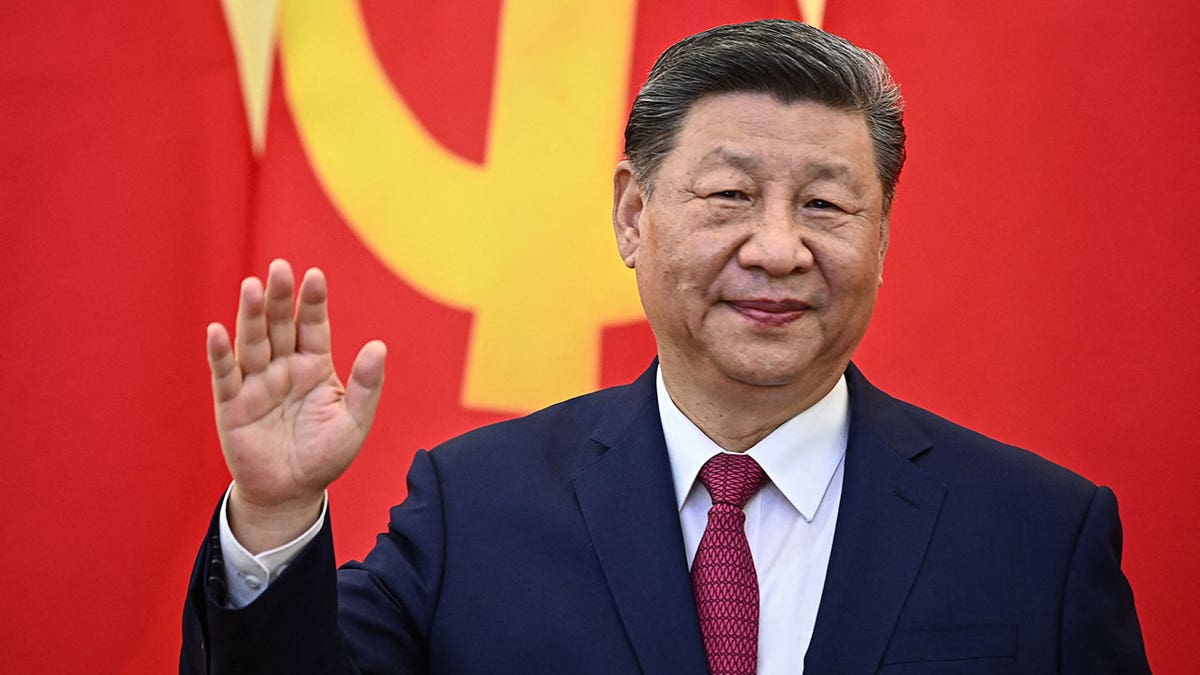
Perhaps the most troubling aspect of Xiang’s case is the revelation of his membership in the Chinese Communist Party and his deliberate deception to U.S. immigration authorities regarding this affiliation. This detail elevates the incident beyond a mere smuggling offense, embedding it within the larger narrative of systematic efforts by foreign governments, particularly China, to illicitly acquire U.S. intellectual property, advanced research, and sensitive technologies.
The U.S. government has, for years, voiced concerns over China’s "military-civil fusion" strategy, which blurs the lines between civilian research and military applications, potentially leveraging academic collaborations for strategic advantage. Individuals affiliated with the CCP or other state-backed entities are often viewed through a lens of suspicion, given the Party’s stated objectives and its history of industrial and technological espionage. USDA Inspector General John Walk underscored this point, stating, "This Chinese Communist Party member exploited a federally funded research grant… to smuggle dangerous biological material into the United States." The exploitation of federally funded research grants is particularly egregious, as it means U.S. taxpayer dollars inadvertently support activities that undermine national security.
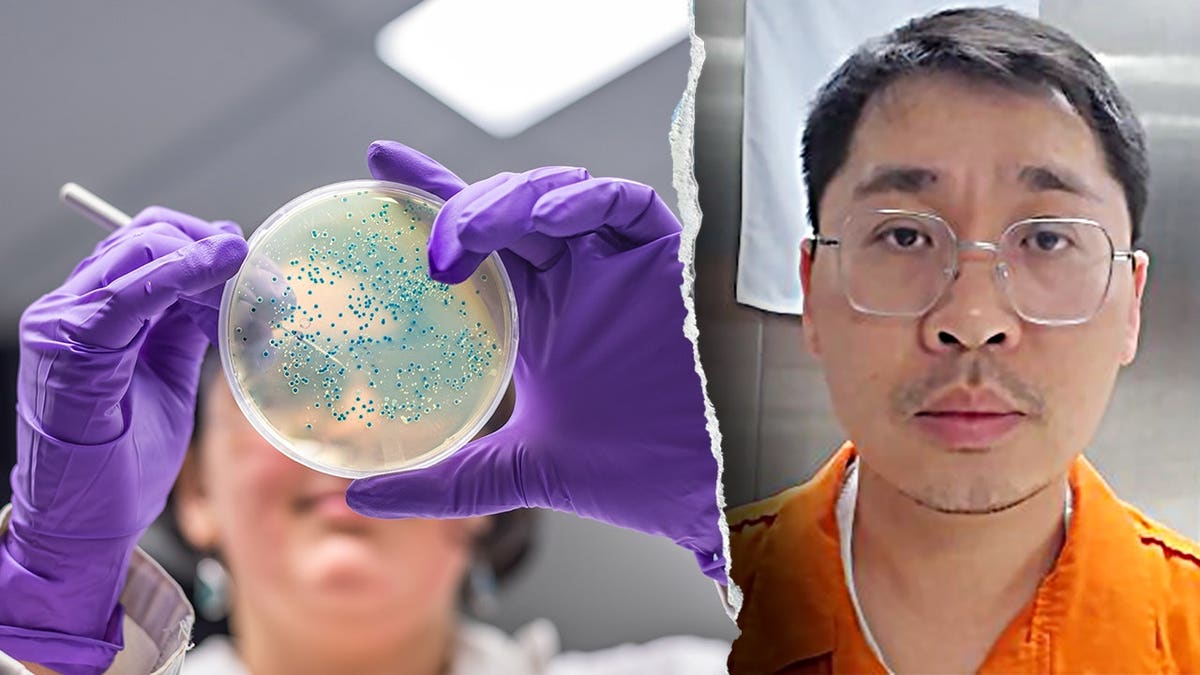
The case of Youhuang Xiang is not an isolated incident but rather part of a discernible pattern. For years, U.S. intelligence agencies and law enforcement have highlighted various programs and initiatives, such as China’s "Thousand Talents Program," designed to recruit foreign scientists and acquire foreign technology, sometimes through illicit means. While the "China Initiative," a Trump-era program targeting economic espionage and intellectual property theft, faced criticism and was eventually reformed, the underlying threats it sought to address persist. The FBI and other agencies continue to investigate numerous cases involving foreign influence and espionage in U.S. research institutions, indicating a persistent and evolving challenge.
A Pattern of Concern: Other Cases of Biological Material Smuggling
Xiang’s conviction is one among several recent prosecutions involving foreign researchers accused of smuggling biological materials into the U.S., painting a picture of systemic vulnerabilities and deliberate exploitation. These cases underscore a broader challenge facing U.S. biosecurity and academic integrity.
In November 2025, federal prosecutors charged three other Chinese nationals with conspiring to smuggle biological materials while working at the University of Michigan’s Shawn Xu Laboratory. These individuals, who were participating in J-1 visa programs, allegedly made false statements to customs officials to import roundworm-related materials from China. Disturbingly, authorities indicated that these suspects reportedly received concealed shipments from a China-based researcher who had previously been convicted of similar offenses and subsequently removed from the U.S. This suggests not just individual acts, but potentially organized networks facilitating such illicit transfers. The repeated involvement of J-1 visa holders, typically exchange visitors in academic or research programs, points to a potential avenue of exploitation for foreign intelligence operations.
Another high-profile case occurred in February 2025, involving a Russian-born Harvard researcher who was detained at Boston Logan International Airport. The researcher was accused of attempting to smuggle frog embryos into the country without the requisite permits. Similar to Xiang’s initial denials, the scientist initially denied carrying any biological substances, only for the materials to be discovered during a subsequent inspection. While this case did not involve a direct link to a state-sponsored espionage program in the same overt way as the CCP affiliation in Xiang’s case, it nevertheless highlights the pervasive challenge of ensuring compliance with biological import regulations across various nationalities and research domains. The common thread in these incidents is the deliberate act of concealment and deception, indicating an intent to bypass established legal and safety frameworks.
Official Reactions and Institutional Responses
The reactions from U.S. law enforcement and national security officials have been clear and resolute. FBI Indianapolis Special Agent in Charge Timothy J. O’Malley issued a stern warning: "Those who attempt to secretly bring biological materials into the United States are taking a serious risk with public safety." This statement encapsulates the primary concern – the potential, even if theoretical, for public health and agricultural disasters if dangerous or unregulated biological agents are introduced without proper oversight.
For institutions like Indiana University, such incidents necessitate a rigorous review of internal protocols for international collaborations, researcher vetting, and the handling of biological materials. While universities strive for open scientific exchange, these events force a re-evaluation of the balance between academic freedom and national security. Universities are often caught in a difficult position, as they are centers of international research collaboration but also potential targets for foreign adversaries seeking to exploit their open environments. Enhanced training for researchers on biosecurity regulations, more stringent background checks for foreign nationals involved in sensitive research, and closer cooperation with federal agencies are likely outcomes.
The cumulative effect of these cases is a growing emphasis on "due diligence" not just from government agencies but also from academic institutions themselves. The integrity of federally funded research, which is crucial for U.S. innovation and competitiveness, depends on maintaining secure environments free from illicit influence and activities.
The Path Forward: Safeguarding Research and National Security
The sentencing of Youhuang Xiang serves as a stark reminder of the persistent challenges posed by foreign actors seeking to exploit U.S. scientific and technological leadership. It underscores the critical need for vigilance at every level – from border security to academic institutions – to protect national security and public safety.
Moving forward, comprehensive strategies will be required. These include strengthening existing biosecurity regulations and enforcement mechanisms, enhancing intelligence gathering to identify and disrupt illicit transfer networks, and fostering greater awareness within the academic and research communities about the risks of foreign influence and espionage. Universities may need to implement more robust compliance programs, including regular audits of research materials and clearer guidelines for international collaborations, particularly with entities or individuals tied to adversarial governments. The balancing act between promoting open scientific inquiry and safeguarding national interests will remain a delicate but essential task for the foreseeable future, as the U.S. continues to navigate an increasingly complex geopolitical landscape.

