
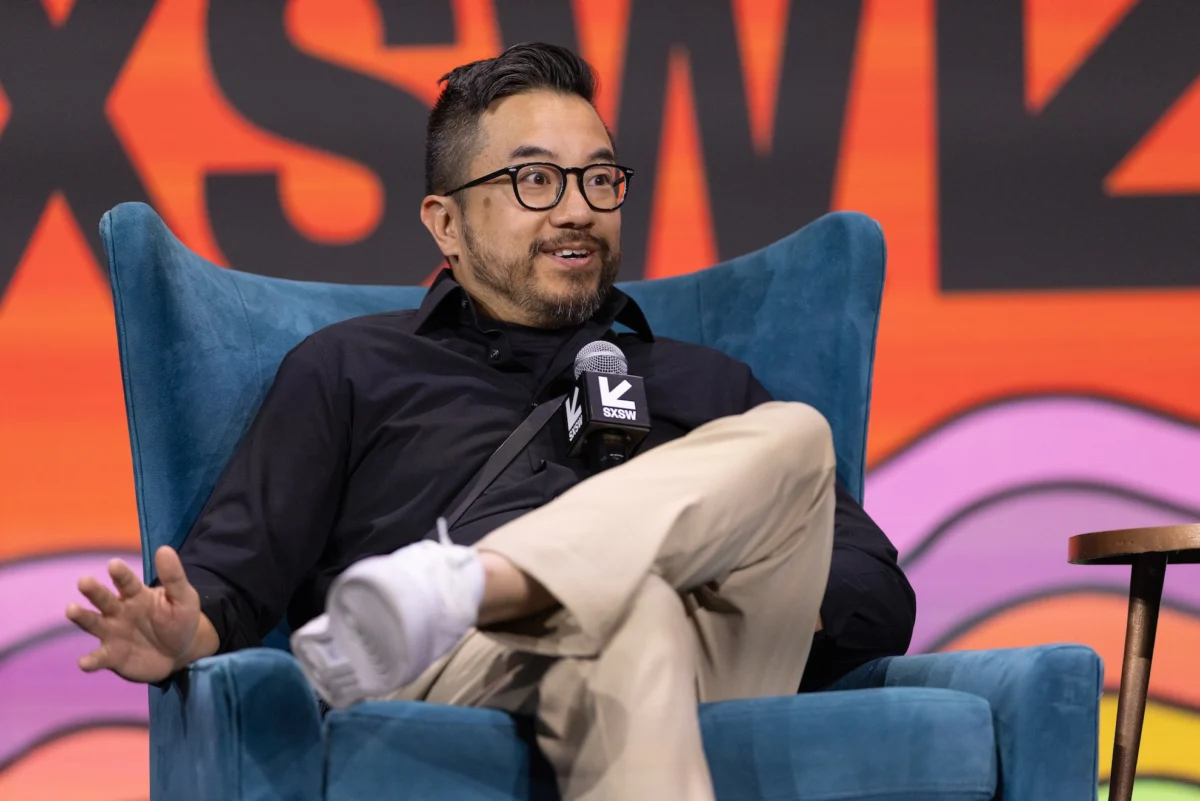
The current friction between elite AI frontier laboratories and the broader developer ecosystem has reached a critical inflection point, centered on the technical practice of "distillation." While major providers such as Anthropic have called for regulatory intervention to curb the unauthorized extraction of model knowledge, Y Combinator CEO Garry Tan is mounting a significant counter-argument. Tan posits that rather than banning the practice, the United States should embrace a robust, domestic distillation regime to bolster its open-weight AI landscape. This stance places the head of Silicon Valley’s most influential startup accelerator at direct odds with the safety-focused mandates of the industry’s largest model developers.
The Mechanics of Distillation and the Regulatory Divide
Distillation is a foundational process in machine learning whereby a smaller, more efficient model is trained to mimic the outputs and reasoning patterns of a larger, "frontier" model. By systematically prompting a sophisticated model and analyzing its responses, developers can distill its intelligence into a more lightweight architecture. This enables high-performance capabilities to run on consumer-grade hardware, reducing reliance on expensive, centralized cloud infrastructure.
For major frontier labs, however, distillation is increasingly viewed as a security threat. Anthropic, in its September 2026 threat intelligence report, identified what it characterizes as "illicit distillation attacks." According to the report, state-aligned actors and unauthorized entities are using deceptive practices—including the use of stolen credentials, synthetic identities, and obfuscated API traffic—to bypass usage policies and extract proprietary reasoning capabilities from their flagship models. Consequently, industry leaders like Anthropic CEO Dario Amodei have advocated for strict regulatory guardrails to prevent this intellectual property leakage.
A Chronology of the Escalating Conflict
The debate over the ownership of "machine intelligence" has been building for years, characterized by a series of high-stakes legal and technical milestones:
- 2023-2024: The "Gold Rush" phase, during which frontier labs ingested massive datasets of human-generated content to train foundational models, often sparking lawsuits regarding copyright infringement.
- July 2026: A landmark court ruling approves a $1.5 billion settlement involving Anthropic, confirming that while foundational models rely on proprietary data, the legal framework for "transformative use" remains complex and highly contested.
- September 2026: Anthropic publishes its second report on illicit distillation, explicitly labeling the practice as a national security risk and calling for federal oversight.
- September 11, 2026: Y Combinator CEO Garry Tan publicly rejects the call for regulation, suggesting in interviews that distillation should be encouraged as a means of fostering competitive, open-weight alternatives.
Tan’s Argument: A Public Good Perspective
Garry Tan’s argument against regulation rests on two primary pillars: the nature of the data ingested by frontier labs and the long-term risk of a monopolistic AI ecosystem. Tan contends that if proprietary labs built their empires on the vast, uncompensated ingestion of human knowledge—much of which was protected by copyright—they hold little moral high ground when complaining about users distilling the resulting outputs.
"Controlling what users and customers do with API calls to closed-weight models feels constraining," Tan noted during discussions surrounding his recent comments. He argues that intelligence derived from broad, public-access data should be treated as a form of public good rather than an asset strictly locked behind restrictive terms of service. By allowing American developers to distill frontier models, Tan envisions a more resilient, decentralized market where startups can build high-quality alternatives without being beholden to the API pricing and usage policies of a handful of tech giants.
The "Doomer" Scenario: Monolithic Dominance
At the heart of Tan’s philosophy is a deep-seated concern regarding market concentration. He defines the true "doomer" scenario not as the existential risk of superintelligence, but as the economic risk of a single, monolithic entity gaining an insurmountable lead in AI capabilities.
If frontier labs succeed in lobbying for strict prohibitions against distillation, they effectively raise the barrier to entry for every other player in the ecosystem. Should one company dominate the market through superior access to capital and compute, the result would be a stagnation of innovation. Tan argues that the existence of open-weight models acts as a necessary check on power, ensuring that developers retain the freedom to innovate and that the benefits of artificial intelligence are distributed rather than concentrated.
Economic and Technical Implications
The economic ramifications of this debate are profound. If regulators were to adopt the path suggested by frontier labs, the AI industry would likely see a tightening of API access, more intrusive monitoring of developer prompts, and a significant increase in the cost of developing specialized applications. This would favor well-funded incumbent corporations while potentially stifling the next generation of startups that rely on "distilled" efficiency to compete.
Conversely, if the U.S. government were to support an "American distillation regime," it could create a legal framework that distinguishes between malicious, bad-faith attacks and legitimate, open-source model training. By standardizing how distillation is performed, the U.S. could theoretically accelerate the development of domestic open-weight models that are capable of matching the performance of closed-source equivalents.
Broader Industry Reaction
While Tan is one of the most prominent voices currently challenging the status quo, the industry remains deeply divided. Major cloud providers and frontier lab investors often align with the argument that proprietary models are the product of immense R&D investment and that theft of this labor constitutes a violation of trade secret law.
However, the open-source community, led by institutions like Hugging Face and various research labs, argues that "knowledge" cannot be easily "stolen" when it is communicated through a public API. They argue that once a model answers a query, the resulting information is the user’s to use as they see fit. This friction highlights a fundamental lack of consensus on the legal status of AI-generated insights.
Looking Ahead: The Role of Government
As policymakers in Washington, D.C., begin to draft the next wave of AI-specific legislation, they are increasingly being forced to reconcile these conflicting visions of the future. The decision to regulate or enable distillation will likely hinge on whether lawmakers view AI models as private property or as a new form of digital infrastructure.
If the government chooses the path of strict enforcement, it will provide security to frontier labs, potentially ensuring their commercial viability but potentially slowing the pace of decentralized innovation. If it chooses to follow the path hinted at by Tan, it may unleash a wave of competition and efficiency, though it would require a new, sophisticated legal framework to prevent the misuse of powerful models by adversarial actors.
The coming months will likely see further lobbying efforts from both sides. With the rapid evolution of model performance, the window for effective regulation is closing. Whether the future of AI is defined by the rigid walls of a few "fortress" labs or the open, competitive landscape championed by figures like Tan remains the most significant unresolved question in the technology sector today. As it stands, the divide between the "frontier" and the "accelerator" continues to widen, setting the stage for a legislative showdown that will determine the architecture of the digital economy for years to come.

