
While tech industry leaders and Silicon Valley executives frequently dominate headlines with dire warnings about the existential risks of future AI superintelligence, a coalition of former Environmental Protection Agency (EPA) officials is drawing attention to a far more immediate and tangible danger. According to a new report from the Environmental Protection Network (EPN), the rapid, unfettered expansion of data centers required to power the artificial intelligence boom is being facilitated by a systematic dismantling of federal pollution safeguards. This pivot in regulatory policy, which began in early 2025, has effectively prioritized the speed of technological infrastructure deployment over the protection of public health and air quality.
The Regulatory Rollback: A Timeline of Change
Since the inauguration of the current administration in January 2025, the EPA has initiated at least 30 distinct regulatory actions aimed at streamlining the construction of energy-intensive infrastructure. This shift represents a fundamental departure from the agency’s historical mandate, which prioritized scientific rigor and precautionary oversight.
The chronology of this shift began in early 2025 with executive directives aimed at "energy independence" and "AI supremacy." By mid-2025, the agency’s research division—long considered the backbone of EPA policy—began to see its capacity significantly diminished. Following the restructuring of the Office of Research and Development, the agency moved toward a "compliance-first" orientation. This policy, formalized in internal memos by late 2025, explicitly directed enforcement staff to minimize actions that might "unduly burden or significantly disrupt" energy production.
By early 2026, the policy trajectory had solidified into a concrete legislative and regulatory framework. The agency proposed rules allowing developers to commence the construction of data centers and associated power facilities—including on-site natural gas turbines—prior to the receipt of formal air pollution permits. This "build first, permit later" approach has effectively removed the traditional environmental impact review that once served as a primary gatekeeper against local pollution spikes.
The Scale of Infrastructure Expansion
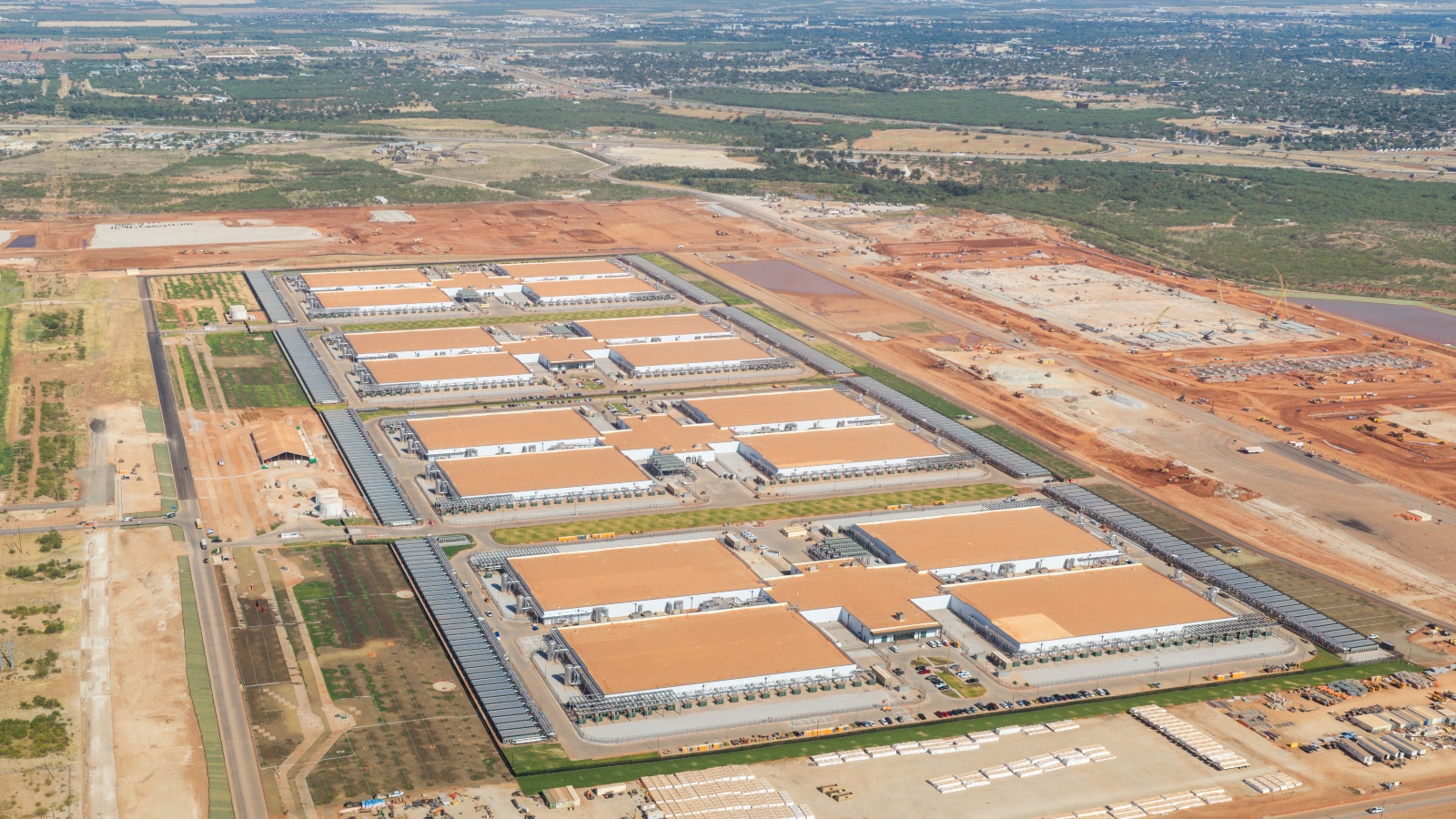
The United States currently hosts approximately 3,000 data centers, a footprint that has grown exponentially over the last decade. However, the current surge is unprecedented. More than 1,500 additional facilities are currently in the planning or early development stages, many of which are slated for rural areas where grid capacity is limited and local regulatory oversight is often less robust than in major metropolitan centers.
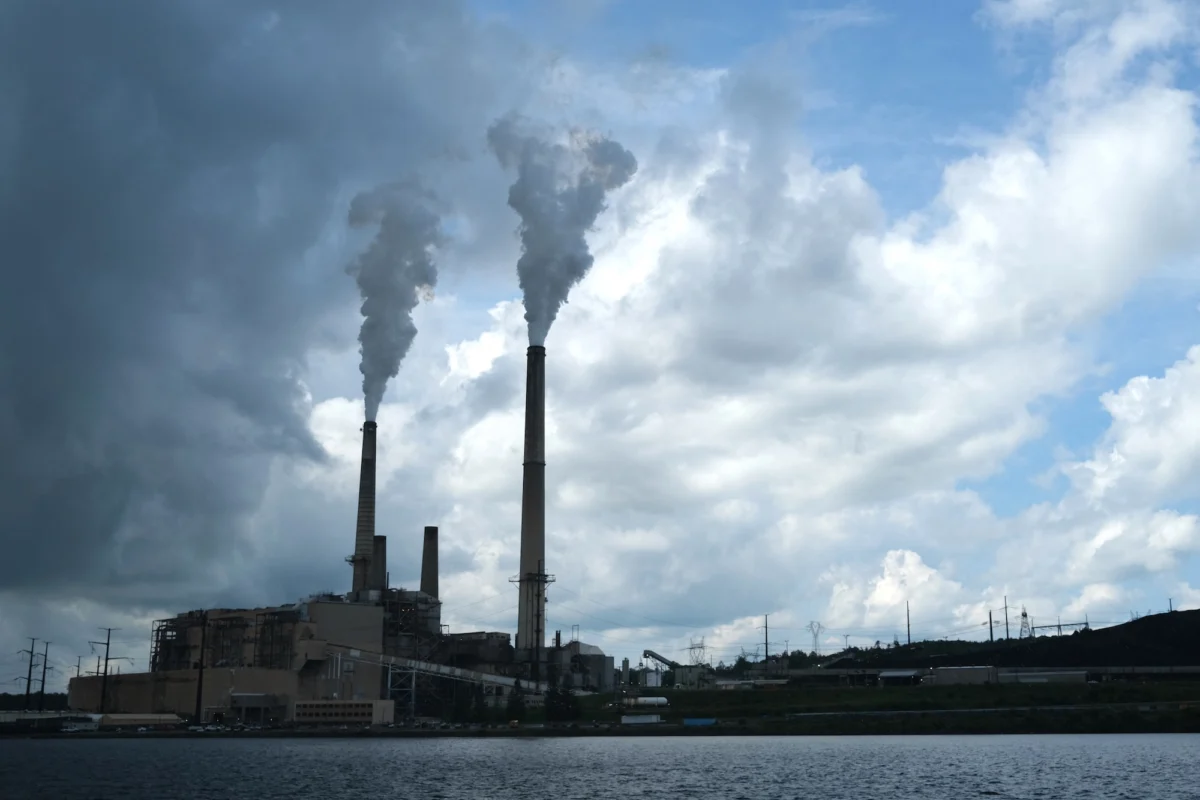
These facilities are not merely passive warehouses for server racks; they are massive industrial consumers of electricity. The massive computational demands of Large Language Models (LLMs) and generative AI have created a "load growth" crisis, forcing energy providers to scramble for reliable, constant power. In many instances, this has resulted in the life-extension of aging coal-fired power plants that were previously scheduled for decommissioning. In other regions, developers are installing high-capacity fossil-fuel-powered turbines directly on-site to bypass grid bottlenecks, effectively placing industrial-scale emissions sources in proximity to residential communities.
Scientific Capacity and the Loss of Oversight
The transition away from rigorous environmental monitoring is not merely a policy preference but a structural change within the agency. Dan Costa, a veteran of the EPA with 35 years of service in air pollution research, has been vocal about the implications of this shift. During a press briefing in September 2026, Costa noted that the EPA’s strength was traditionally rooted in its interdisciplinary approach.
"For decades, toxicologists, chemists, atmospheric scientists, modelers, and engineers worked in concert with academic colleagues on behalf of the American people," Costa explained. "The objective was clear: to protect the public from the externalities of industrial growth. By gutting this workforce and shifting the agency’s priorities away from scientific inquiry, we are effectively flying blind as we transform the nation’s energy grid."
The loss of this scientific capacity means that as the country accelerates its AI-driven industrialization, the government is less capable of accurately modeling the resulting health impacts. The lack of standardized inspection norms and the weakening of data reporting requirements for these new facilities mean that local communities may be exposed to increased levels of nitrogen oxides, sulfur dioxide, and particulate matter (PM2.5) without adequate public disclosure.
The Official Stance: Prioritizing AI Leadership
The administration has framed these deregulation efforts as essential to national security and economic competitiveness. In a internal memo circulated to agency staff, EPA Administrator Lee Zeldin articulated a clear vision: the agency is tasked with ensuring that the United States emerges as the undisputed global leader in AI.
Zeldin’s directive argued that "heavy-handed regulations" serve as a barrier to the infrastructure necessary to "Make America the AI Capital of the World." By streamlining the permitting process, the EPA intends to remove the friction that has historically slowed the deployment of large-scale capital projects. For the administration, the trade-off is clear: the economic and geopolitical benefits of winning the global AI race outweigh the traditional regulatory hurdles associated with power generation and air quality compliance.
Human Toll: The Public Health Implications
The human cost of this deregulation is the primary focus of the EPN report. The researchers point to recent studies, including data from the University of California, Riverside, which suggest that the air pollution generated by the AI boom could contribute to as many as 1,300 premature deaths annually.
Dr. Lynn Goldman, a physician and former EPA administrative official, emphasizes that the health consequences are both acute and chronic. "The immediate threats are cardiovascular events and respiratory crises, particularly in vulnerable populations living downwind of new data center clusters," Goldman stated. "We are talking about increased incidences of heart attacks and complications with premature births that are directly linked to fine particulate exposure."
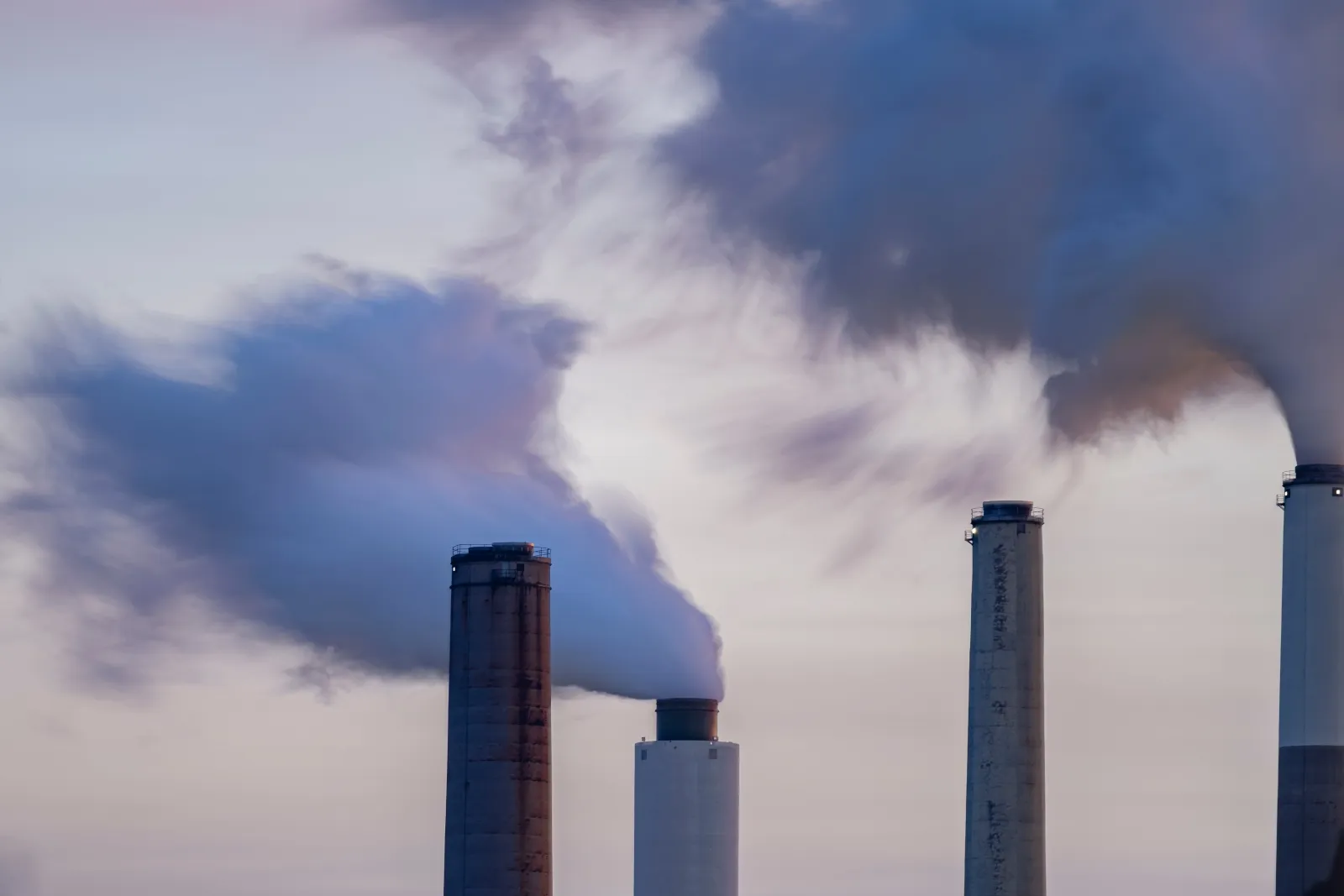
Beyond the acute impacts, there is the long-term risk of carcinogenic exposure. As facilities rely more heavily on diesel backup generators and onsite fossil-fuel turbines, the cumulative emissions profile of these areas changes. Dr. Goldman warns that the latency period for some of these health effects means that the true cost of today’s deregulation may not be fully realized for years or even decades.
Industry Implications and Future Outlook
The industry’s reliance on onsite power generation, such as the turbines currently being deployed for hyperscale centers like xAI’s Colossus, represents a new paradigm in industrial pollution. Unlike traditional power plants, which are often sited in remote industrial zones, these data centers are frequently built on the outskirts of growing towns and suburbs.
The legal and ethical implications are significant. As the federal government abdicates its role in setting a high bar for environmental safety, the responsibility for oversight may shift to local and state jurisdictions—a landscape that is notoriously uneven. Some states may choose to impose stricter standards, leading to a "patchwork" of environmental regulations that could create further economic uncertainty for developers while leaving citizens in less-regulated states with fewer protections.
Furthermore, the lack of transparency regarding emission levels at these new sites complicates the ability of researchers to track the long-term environmental impact. Without federal mandates for continuous emissions monitoring (CEMs) at these private energy sites, the public is left relying on industry-reported data, which often lacks the rigor of third-party verification.
As the AI industry continues to press for rapid expansion, the tension between technological advancement and environmental health is reaching a breaking point. The EPN report serves as a stark reminder that infrastructure is not merely a collection of steel and silicon; it is a complex web of environmental and social impacts. Whether the nation chooses to integrate these systems under a robust regulatory framework or continue on a path of unchecked expansion remains one of the most critical questions facing the current administration and the public at large.
The data center boom is, in many respects, a mirror of the industrial revolutions of the past, characterized by rapid growth, immense energy demand, and a lagging regulatory environment. If history is any guide, the failure to establish guardrails early in the lifecycle of this technology will likely result in higher social, economic, and health costs in the future—costs that are rarely factored into the high-minded projections of the tech oligarchs leading the AI charge. The call from former EPA officials is a plea for a return to evidence-based policy, suggesting that if the AI boom is to be sustained, it must be done in a way that does not sacrifice the basic right to clean air and public health.

