
In an era of rapid technological saturation and disposable consumer trends, the value of utilitarian gifting has reached a new peak in 2026. As supply chain volatility stabilizes and manufacturing shifts toward high-durability materials, consumer interest has pivoted away from aesthetic novelty and toward products designed for longevity, repairability, and operational efficiency. This shift is reflected in market data from the current fiscal year, which indicates a 14% increase in household spending on "essential-grade" gear—items that prioritize performance, multi-functionality, and modular design.
The evolution of the "practical gift" category is rooted in broader economic trends. Since late 2024, inflationary pressures have led households to adopt a "buy it for life" philosophy. According to recent retail analytics, the average consumer now spends 22% more time researching the material composition and warranty terms of a product before purchase compared to three years ago. This trend has emboldened manufacturers to re-emphasize repairability, with many top-tier brands now offering modular components that extend the lifecycle of tools, kitchenware, and outdoor equipment significantly beyond previous industry standards.
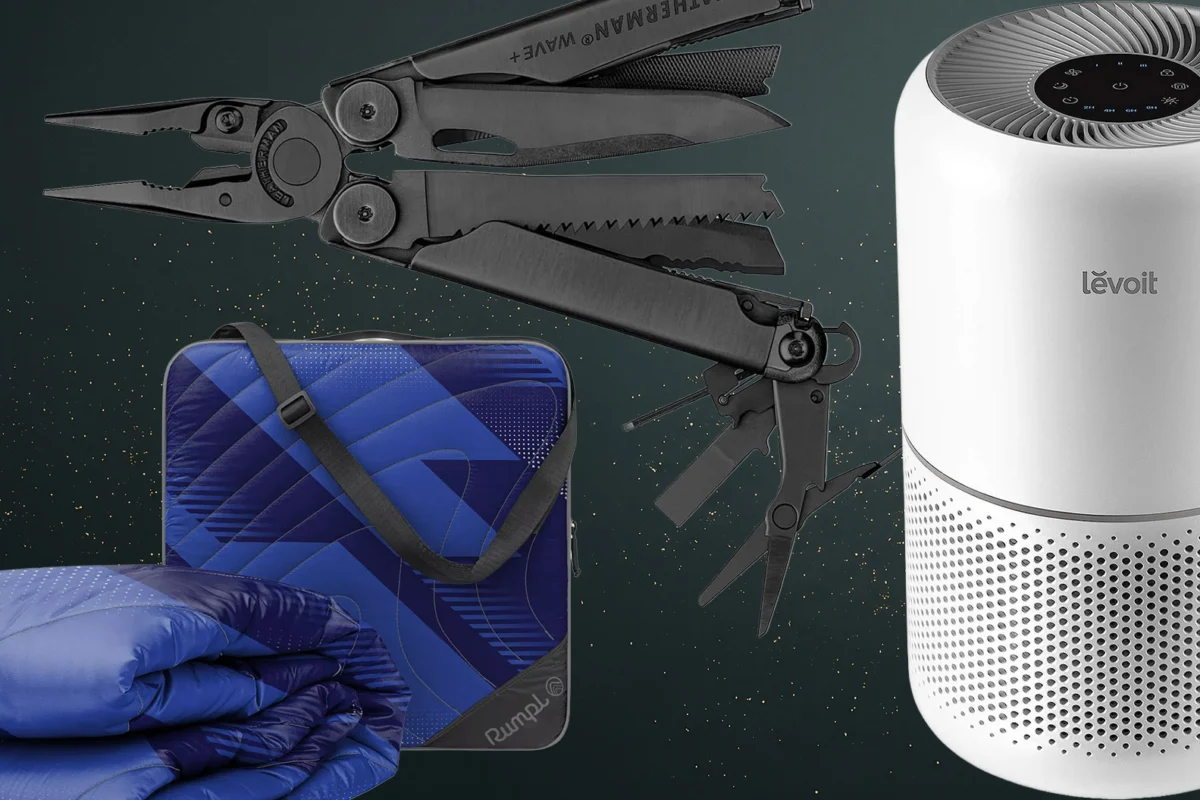
Lighting and emergency preparedness have seen the most significant technological advancements. The current market standard for personal illumination, represented by high-output EDC (Everyday Carry) flashlights like the Olight Baton4 Pro, now utilizes advanced thermal management systems that allow for sustained 1600-lumen output without degradation. These tools have transcended their traditional niche in outdoor recreation, becoming staples of urban emergency kits. Similar advancements in multi-tools, such as the Leatherman Wave Plus, highlight the importance of standardized, field-replaceable components, which ensure that a single unit can remain functional for decades rather than years.
The culinary sector has mirrored this trend toward high-performance utility. Extra virgin olive oil, long a staple of kitchen pantries, is now being evaluated by consumers through the lens of functional health. The rise of early-harvest, high-phenol oils, such as the Koroneiki varietals from Messenia, Greece, illustrates a demand for products that serve a dual purpose: enhancing flavor profiles while providing measurable anti-inflammatory health benefits. This intersection of nutrition and gastronomy represents a growing market segment that prioritizes evidence-based wellness in daily dietary habits.
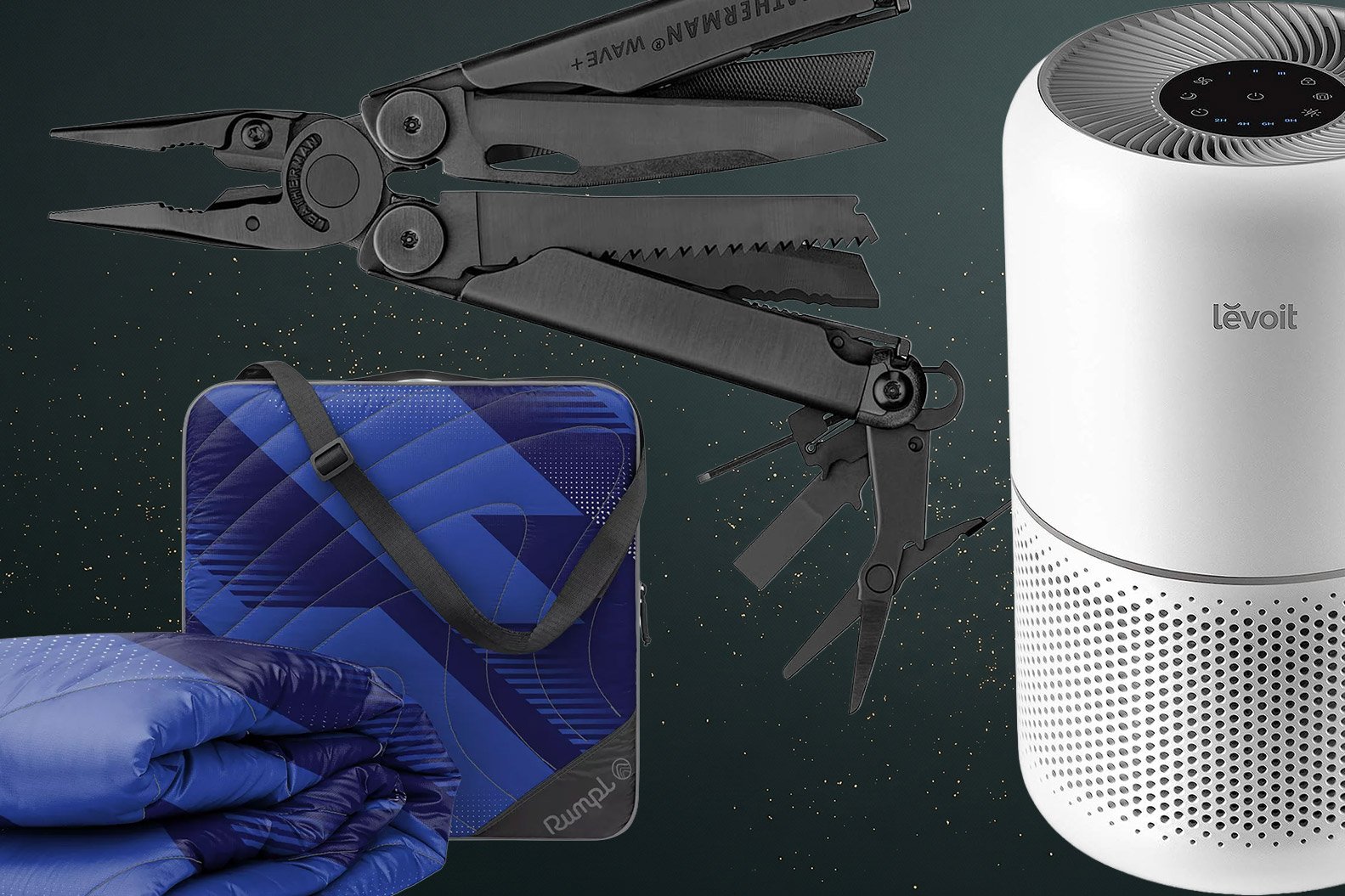
In the realm of home maintenance, the focus has shifted toward environmental control and air quality. The Levoit Core300-P air purifier and the Midea Cube dehumidifier exemplify the current preference for compact, high-efficiency appliances that can be integrated into small living spaces without sacrificing performance. The adoption of these devices has been accelerated by increased awareness of indoor air quality (IAQ) and the long-term impact of humidity on residential structural integrity. Engineering data suggests that modern, smart-connected dehumidifiers can reduce electricity consumption by up to 30% compared to legacy models, providing a clear economic incentive for homeowners to upgrade their existing infrastructure.
The apparel and personal care sectors have also integrated high-tech solutions into everyday items. The rise of posture-correcting wearable technology, such as the Forme Radiance bra, demonstrates how medical-grade design is being translated into mainstream consumer goods. These products leverage biomechanical principles to alleviate the chronic musculoskeletal issues associated with sedentary office work. Similarly, the introduction of recovery-focused footwear, such as the Nike x Hyperice collaboration, marks a transition where advanced therapeutic technologies—previously reserved for professional athletic training facilities—are now accessible to the general public.
Outdoor and recreational gear remains a primary driver of the utilitarian market. The popularity of the Rumpl Gametime Puffy blanket and the Hestra CZone bike glove highlights a demand for versatile, multi-season materials that maintain performance in adverse weather conditions. The integration of PFAS-free water-repellent finishes and sustainable synthetic insulations reflects a broader commitment to environmental responsibility, a key requirement for modern consumers who factor supply-chain transparency into their purchasing decisions.
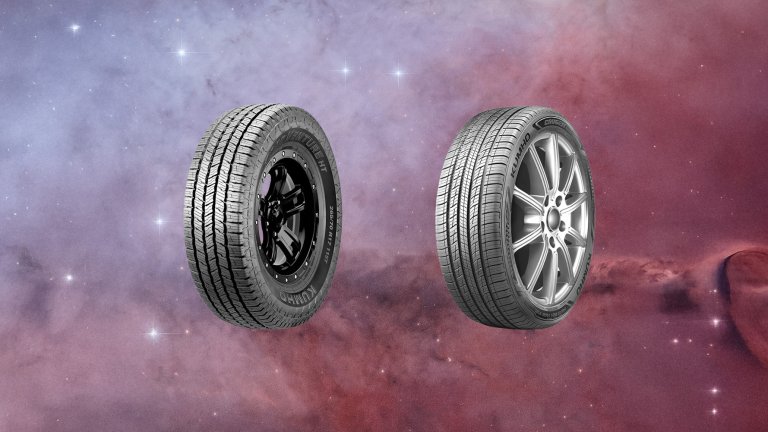
For the automotive and transportation sectors, the focus is squarely on safety and maintenance as a preventative measure. Tires such as the Kumho Road Venture HT, which utilize complex tread architectures to achieve Three-Peak Mountain Snowflake certification, have become critical components of vehicle ownership. Analysts note that as the average age of vehicles on the road continues to climb—currently exceeding 12.5 years in the United States—the investment in high-quality, long-lasting replacement parts is viewed by many as the most practical financial decision a vehicle owner can make.
The integration of smart-home technology has also become more practical, moving away from "gimmicky" automation toward centralized, reliable infrastructure. The Aeotec Smart Home Hub2 represents a move toward universal connectivity, supporting Matter and Zigbee protocols to ensure that smart-home systems are interoperable and future-proof. This represents a significant shift from the early days of smart-home adoption, where proprietary ecosystems often led to hardware obsolescence.
The professionalization of the home office and creative space is further evidenced by the high demand for quality audio equipment. The Rode NT1 Signature Series microphone is now standard for entry-level professional podcasting and home recording, offering a level of sensitivity and frequency response that was once prohibitively expensive. This trend empowers individual content creators to achieve broadcast-quality results, further democratizing the media landscape.
The broader implications of this "practical gift" trend are significant for the global manufacturing landscape. As consumers demand products that are built to last, companies are under increasing pressure to justify their pricing through durability, repairability, and the use of high-grade materials. This shift is expected to reduce the volume of waste sent to landfills, aligning with global sustainability initiatives, while simultaneously forcing a re-evaluation of the "planned obsolescence" business model that dominated the retail sector for much of the early 21st century.
Official statements from industry trade groups suggest that this trend is not merely a passing phase but a structural change in consumer behavior. With high-interest rates and economic uncertainty remaining, the prioritization of "value-per-use" is expected to dictate market performance through the end of the decade. Consumers are no longer looking for the next trend; they are looking for the next reliable tool.
In summary, the 2026 gift landscape is defined by a rigorous adherence to utility. Whether it is a custom-fit pair of insoles from Stride, a meticulously crafted leather jacket from The Jacket Maker, or a simple, high-precision tuner for a guitar, the common denominator is the promise of performance and longevity. For the utilitarian consumer, the best gift is one that solves a problem, improves a daily routine, and holds its value long after the initial transaction. This focus on long-term utility serves as a stabilizing force in an increasingly complex and fast-paced global marketplace.

