
The Evolution of Portable Energy Storage
Portable power stations have transitioned from niche equipment used exclusively by outdoor enthusiasts to essential household appliances. The core technology driving this shift is the transition from traditional lithium-ion (NMC) batteries to Lithium Iron Phosphate (LiFePO4) chemistry. LiFePO4 batteries are widely regarded as the industry standard for home energy storage due to their superior thermal stability and extended cycle life—often exceeding 3,000 to 6,000 charge cycles before significant degradation occurs.
The current market landscape is defined by two primary metrics: capacity, measured in watt-hours (Wh), which dictates the total duration of energy supply, and continuous output, measured in watts (W), which determines the range of appliances a unit can operate. During this Black Friday window, manufacturers are competing to lower the cost-per-watt-hour, making high-capacity systems more accessible to the average consumer than at any point in the last decade.
Key Market Offerings and Technical Specifications
The current promotional cycle on platforms such as Amazon highlights several standout performers that address distinct user needs, ranging from lightweight portability to heavy-duty home backup.
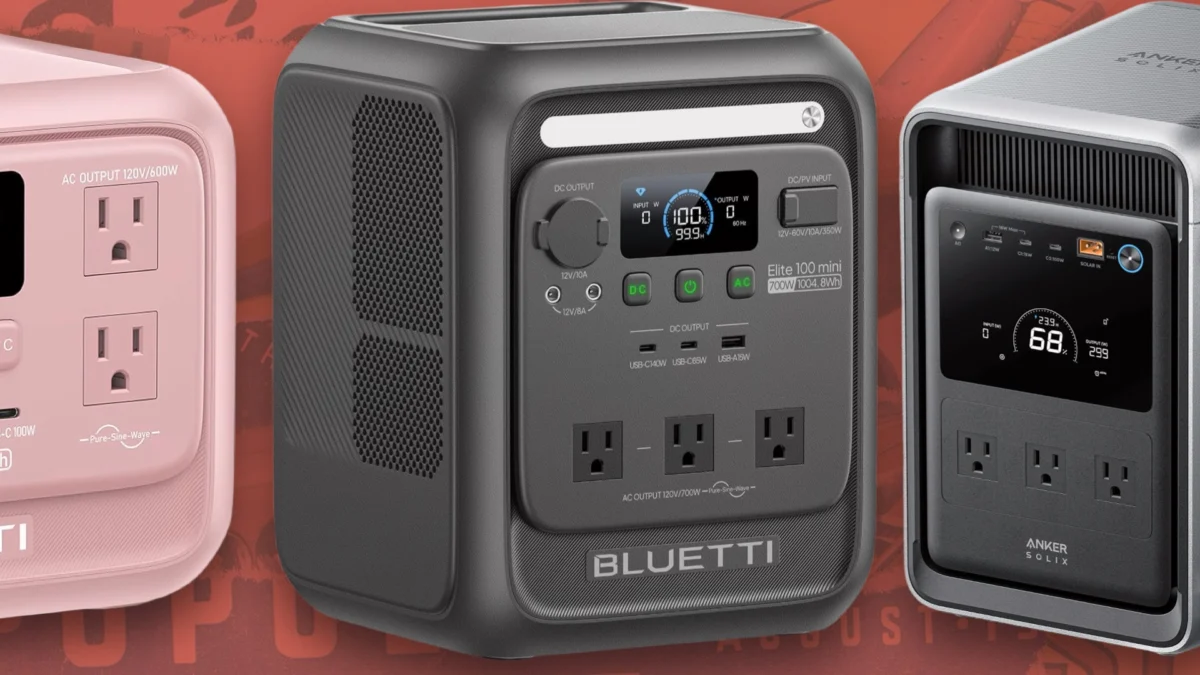
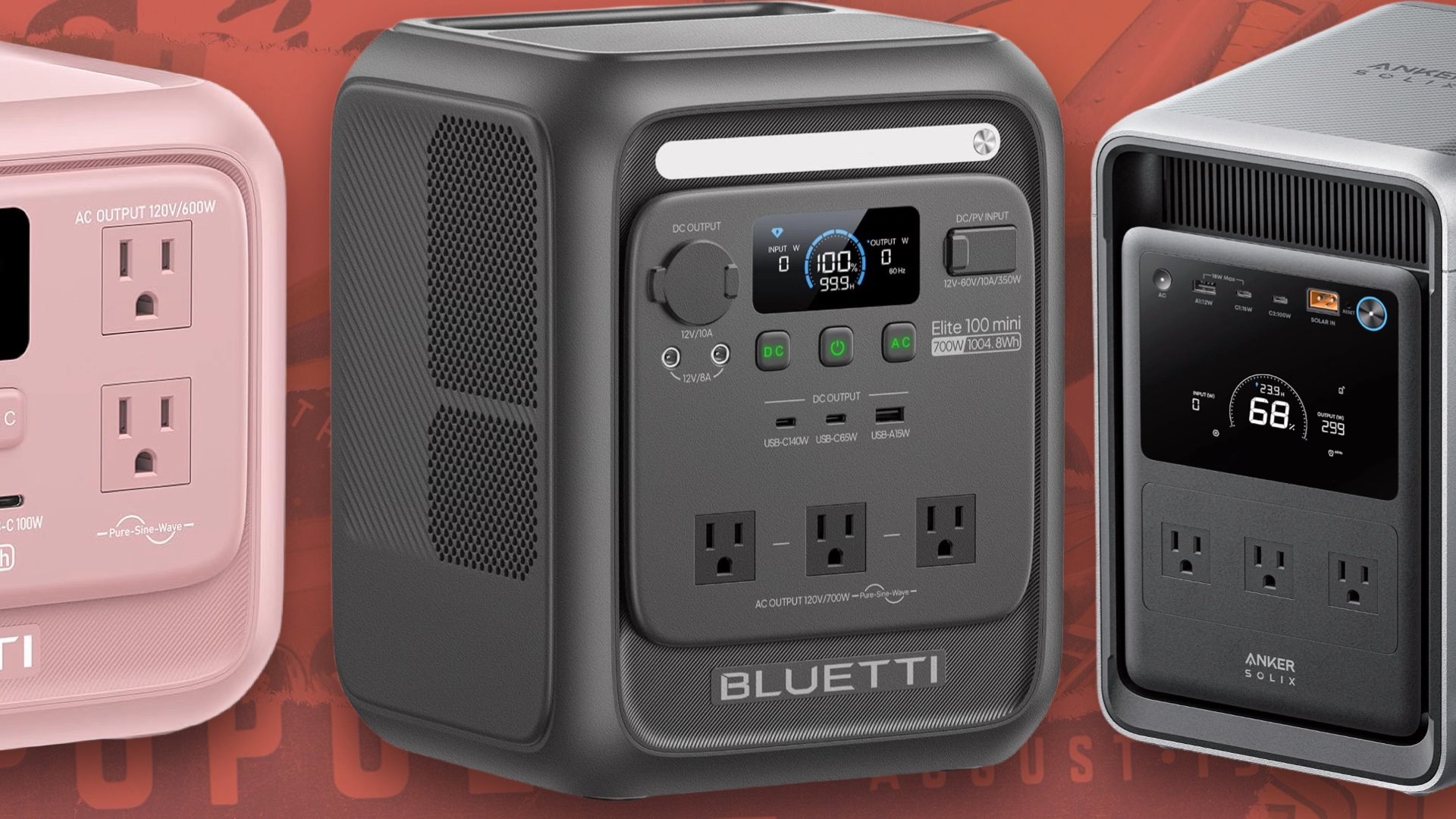
The Bluetti Elite 100 mini, currently priced at $379.99, serves as an entry-level solution for users requiring a full kilowatt-hour of storage. Weighing approximately 23.6 pounds, it is optimized for high-cycle longevity. However, its 700-watt continuous output limitation restricts its use to lower-draw devices such as mobile hardware, routers, CPAP machines, and compact refrigeration units.
For users requiring a balance between weight and performance, the Anker SOLIX S2000 has emerged as a high-value proposition. Retailing at $649.97 during this promotion, it offers 2,010Wh of storage combined with a 1,500-watt continuous inverter. This configuration is particularly suited for suburban households managing short-term power outages or camping setups that require consistent, moderate power loads. The inclusion of 400W solar input capacity allows for rapid off-grid recharging, a feature increasingly prioritized by consumers in hurricane-prone or wildfire-susceptible regions.
At the upper end of the retail spectrum, the Bluetti Elite 300 represents a shift toward permanent home backup. With a 3,014Wh capacity and 2,400 watts of continuous output, the unit includes specialized features like a 30-amp TT-30 port, designed for direct integration with travel trailers or specific emergency home circuits. At 58 pounds, this device is engineered for stationary deployment rather than mobility, underscoring the growing trend of "stationary portability" in the energy storage sector.
Chronology and Market Trends
The surge in portable power station demand can be traced to a confluence of factors over the past 36 months. Historically, the portable power sector saw minimal movement until the 2020 pandemic-era lockdowns, which saw an immediate spike in interest for backyard camping and home office contingency planning. By 2022, the focus shifted toward "energy resilience," as regional grid instabilities prompted consumers to seek alternatives to loud, fuel-dependent gasoline generators.
The 2026 Black Friday cycle reflects a maturity in this market. Unlike previous years, where discounts were primarily focused on clearing out older lithium-ion stock, this year’s deals are centered on the latest generation of LiFePO4 technology. Industry analysts note that supply chain stabilization has allowed manufacturers to bundle solar panels and expansion batteries at lower price points, effectively creating an ecosystem of energy independence that extends beyond the individual unit.
Data-Driven Consumer Considerations
When evaluating these systems, consumers are encouraged to look beyond the initial discount percentage. The true cost of ownership is determined by the "cycle life" rating provided by the manufacturer. A system that offers 10,000 cycles—as seen in the Anker SOLIX S2000—provides a significantly lower cost-per-cycle over the lifetime of the product compared to cheaper units with shorter lifespans.
Furthermore, input capability is critical. While the capacity of the battery is the reservoir, the ability to recharge that reservoir via solar arrays determines the long-term utility of the device during a sustained outage. The trend toward faster AC-to-DC charging—with many modern units now achieving an 80% charge in under an hour—has largely mitigated the inconvenience previously associated with battery-powered energy storage.
Official Perspectives and Regulatory Environment
While manufacturers emphasize the convenience and environmental benefits of these systems, industry groups and safety regulators continue to advocate for responsible usage. The rapid proliferation of high-capacity lithium-based batteries has led to increased scrutiny regarding fire safety. Manufacturers, including those participating in these Black Friday sales, have largely responded by integrating advanced Battery Management Systems (BMS) that monitor voltage, temperature, and current in real-time.
A spokesperson for a leading energy storage firm noted that the current demand is not merely a seasonal phenomenon but a long-term adjustment in how households manage risk. "Consumers are no longer just buying a battery for a camping trip," the representative stated. "They are purchasing a foundational component of their home’s emergency preparedness plan. The shift toward LiFePO4 chemistry has fundamentally changed the risk profile of these products, making them suitable for indoor use in a way that combustion-based generators never were."
Broader Impact and Future Implications
The democratization of energy storage technology has profound implications for the power grid and climate resilience. As residential energy storage becomes more common, it may eventually lead to decentralized virtual power plants (VPPs), where connected systems could theoretically return power to the grid during periods of peak demand. While this technology is currently in its nascent stages, the current saturation of portable power stations in households suggests a growing cultural comfort with battery-based power.
Moreover, the impact on traditional industries is becoming evident. Small-engine manufacturers are increasingly facing competition from these silent, emission-free alternatives. The transition is not just about the convenience of having a phone charged during a storm; it is about the broader shift toward a decentralized energy infrastructure.
As Black Friday deals continue to draw attention, the primary takeaway for the consumer is one of capability and caution. The technology is more robust, safer, and more affordable than ever before, but it requires careful selection based on specific load requirements. Whether for a professional requiring reliable power for remote work, a family preparing for weather-related outages, or an outdoor enthusiast seeking extended off-grid capability, the current market offers a rare convergence of high-performance technology and aggressive pricing.
Conclusion: Navigating the Sales
Prospective buyers should prioritize identifying their specific needs before purchasing. A 300Wh unit is generally insufficient for anything beyond low-draw electronics, while a 3,000Wh unit may be overkill for someone whose primary need is charging a laptop and a few light bulbs. By focusing on the inverter output (the ceiling for what you can plug in) and the battery capacity (the floor for how long you can run it), consumers can navigate the current sales to find a product that provides genuine value and utility for years to come. The 2026 Black Friday season serves as a clear indicator that the portable energy market has moved past its experimental phase and into a period of essential utility for the modern, resilient household.

