

As the Northern Hemisphere descends into the deep freeze of winter, the natural world undergoes a profound transformation. Humans react by adjusting their thermostats and fortifying their homes, but the biological imperative for wildlife is far more complex. Over centuries, a collection of cultural shorthand and anecdotal observations has solidified into a series of widely held misconceptions regarding how animals survive the season. From the persistent belief that bears hibernate in a comatose state to the assumption that birds flee southward primarily to escape the chill, many popular notions about winter ecology are scientifically inaccurate. By examining modern ethological research and metabolic studies, it becomes clear that nature’s winter strategies are defined by nuance, biological efficiency, and high-level cognitive function.
The Spectrum of Torpor: Challenging the Bear Hibernation Myth
Perhaps the most pervasive myth regarding winter wildlife is the idea that bears spend the entirety of the colder months in a deep, dreamless slumber. Contrary to popular children’s literature and simplified educational narratives, bears do not hibernate in the traditional sense of the word. In physiological terms, the state that bears enter is more accurately described as "torpor."
The distinction is not merely academic; it is a matter of metabolic survival. True hibernators, such as certain ground squirrels or marmots, experience a dramatic reduction in core body temperature and heart rate, dropping their metabolic rates to as low as 2 to 5 percent of their basal metabolic rate (BMR). In this state, they are essentially incapacitated. Bears, however, maintain a much higher metabolic profile. According to a landmark 2011 study published in the journal Science by researchers at the University of Alaska Fairbanks, black bears maintain a metabolic rate that remains at approximately 25 percent of their BMR throughout the winter months.

This elevated metabolism allows for a surprising degree of activity. Data collected via telemetry and motion-sensitive cameras reveal that bears frequently shift positions, groom themselves, and rearrange their bedding material. Rather than a binary "awake or asleep" condition, researchers now view hibernation as a broad spectrum. This spectrum allows the bear to remain responsive to environmental threats while conserving enough energy to survive the scarcity of winter.
The implications of this physiological reality extend to the reproductive cycle of the black bear. Another common misconception holds that mother bears give birth while in a state of complete hibernation, remaining oblivious to the arrival of their cubs. Observations from the National Park Service indicate that this is false. Expectant mothers are physiologically active enough to engage in den preparation, meticulously chewing bedding materials to create a thermal barrier before the birth occurs. Following the delivery of cubs—which are remarkably small, often weighing between half a pound and one pound—the mother remains alert enough to clean the offspring and provide constant warmth and nutrition, ensuring they reach a healthy five-pound threshold before emerging from the den in the spring.
Avian Migration and the Food Scarcity Paradigm
The annual migration of birds is frequently framed as a desperate flight from the cold. The term "snowbird," used to describe humans who travel to warmer climates to avoid winter, reinforces the belief that birds possess an innate, temperature-based aversion to freezing weather. Ornithological research, however, paints a different picture.
The primary driver for avian migration is not ambient temperature, but rather the availability of resources. The Cornell Lab of Ornithology notes that most bird species are remarkably resilient to sub-zero temperatures. Their ability to survive the cold is predicated on their ability to find fuel. If an adequate food supply is maintained, many species—even those as metabolically demanding as hummingbirds—can withstand freezing conditions.
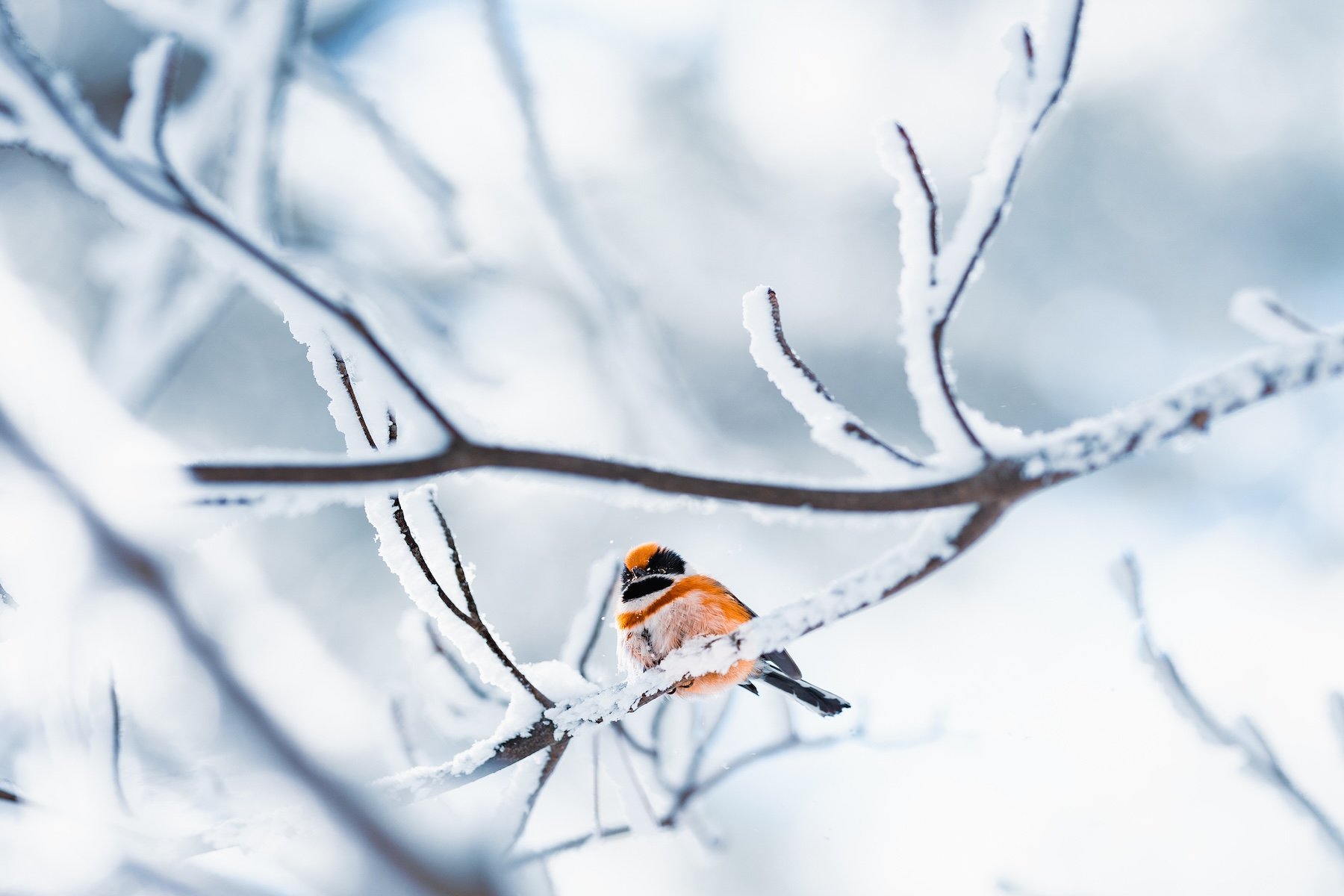
The decision to migrate is a complex calculation of energy expenditure versus resource acquisition. As autumn progresses, daylight hours decrease and insect populations collapse, while frozen ground renders seeds and vegetation inaccessible. The migration timeline is therefore dictated by the collapse of the food web rather than the onset of frost. When birds migrate, they are responding to a seasonal shift in the ecosystem’s carrying capacity. The return to northern latitudes in the spring is similarly governed by the "thaw effect," where the sudden availability of insects and nesting sites provides the necessary surplus to support breeding.
The implications of this understanding are significant for conservation and backyard birding. By providing consistent food sources, humans can support local populations that might otherwise be forced to migrate. However, it also highlights the vulnerability of these species to climate-induced phenological mismatches, where the timing of migration no longer aligns with the peak availability of food due to shifting spring thaw dates.
Cognitive Mapping: The Truth About Squirrel Caching
The image of a frantic, forgetful squirrel searching for a buried nut is a staple of popular culture, often accompanied by the narrative that these animals provide a service to the forest by "forgetting" their caches, which then sprout into trees. While it is true that oak and walnut trees often grow from squirrel-cached nuts, the claim that squirrels are cognitively deficient in remembering their locations is factually incorrect.
Research into squirrel behavior suggests that these rodents possess advanced spatial memory. A seminal 1991 study published in Animal Behaviour by researchers at Princeton University utilized a controlled experimental environment to test the memory accuracy of grey squirrels. By burying nuts in specific, recorded locations and then introducing the squirrels to the site, the researchers found that the animals retrieved their own caches with a high degree of precision, significantly outperforming their success rate when attempting to find nuts buried by other squirrels or researchers.
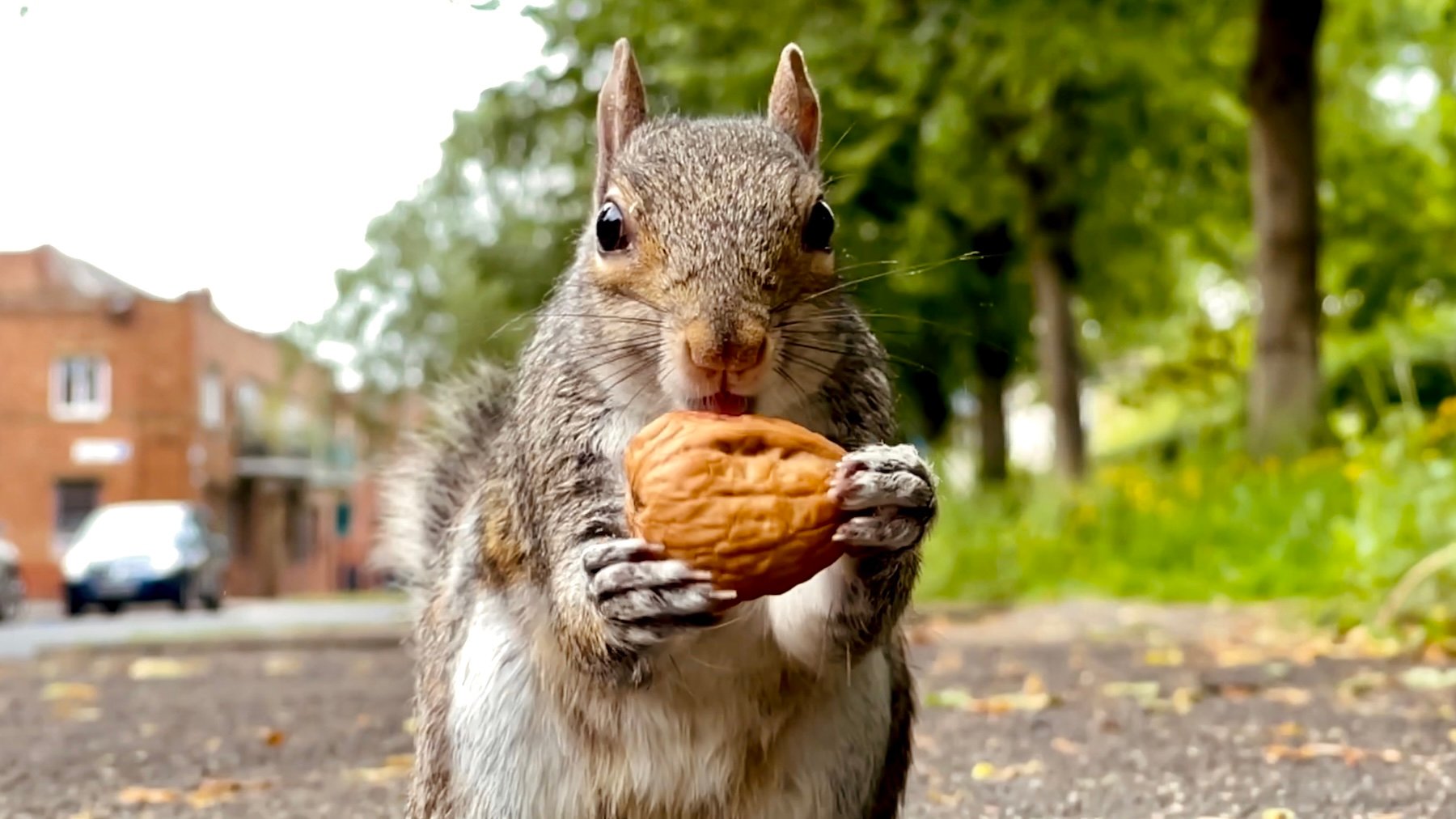
The 1991 study concluded that while squirrels do utilize their sense of smell to locate buried food, they primarily rely on a detailed mental map of their territory. This is further supported by a 2023 study published in Urban Ecosystems, which compared the retrieval rates of human-buried hazelnuts versus squirrel-buried ones. The data indicated that squirrels were significantly more successful at locating their own caches, confirming that the "forgetful squirrel" trope is more a result of human observation bias than actual animal behavior.
Broader Implications for Wildlife Management
The debunking of these myths serves a purpose beyond correcting common misconceptions. Understanding the true nature of winter survival strategies is critical for effective wildlife management and urban planning. For instance, recognizing that bears are semi-active during winter means that human-wildlife conflicts, such as bears accessing human garbage or residential areas, can occur even in the heart of winter. Similarly, knowing that bird migration is driven by food scarcity highlights the importance of preserving native plants that provide winter berries and seeds, rather than relying solely on supplemental feeders.
As climate change alters the severity and duration of winter, these survival strategies are being pushed to their limits. Animals that rely on specific cues to trigger hibernation or migration may find themselves out of sync with their environment. If a squirrel is accustomed to a certain cycle of nut production and burial, an unseasonably warm winter could lead to early spoilage of their cache or premature emergence, creating a cascade effect throughout the local food chain.
In conclusion, the winter behaviors of animals are not defined by simple instincts or accidental survival. They are the result of millions of years of evolutionary refinement. Bears manage their energy through controlled torpor; birds time their movements based on the rhythm of the food supply; and squirrels navigate the landscape with sophisticated spatial awareness. By replacing folklore with empirical data, we gain a more profound appreciation for the resilience of the natural world and a clearer understanding of our role in protecting it as the seasons shift.

