
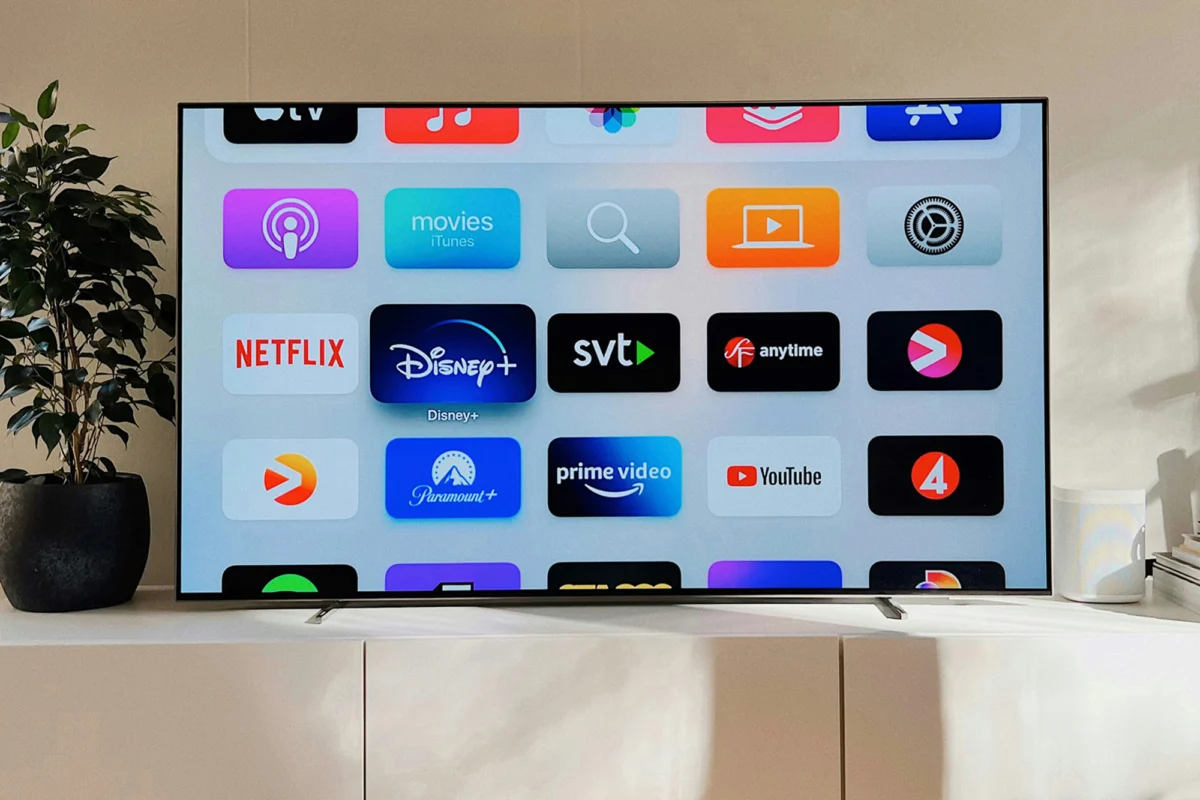
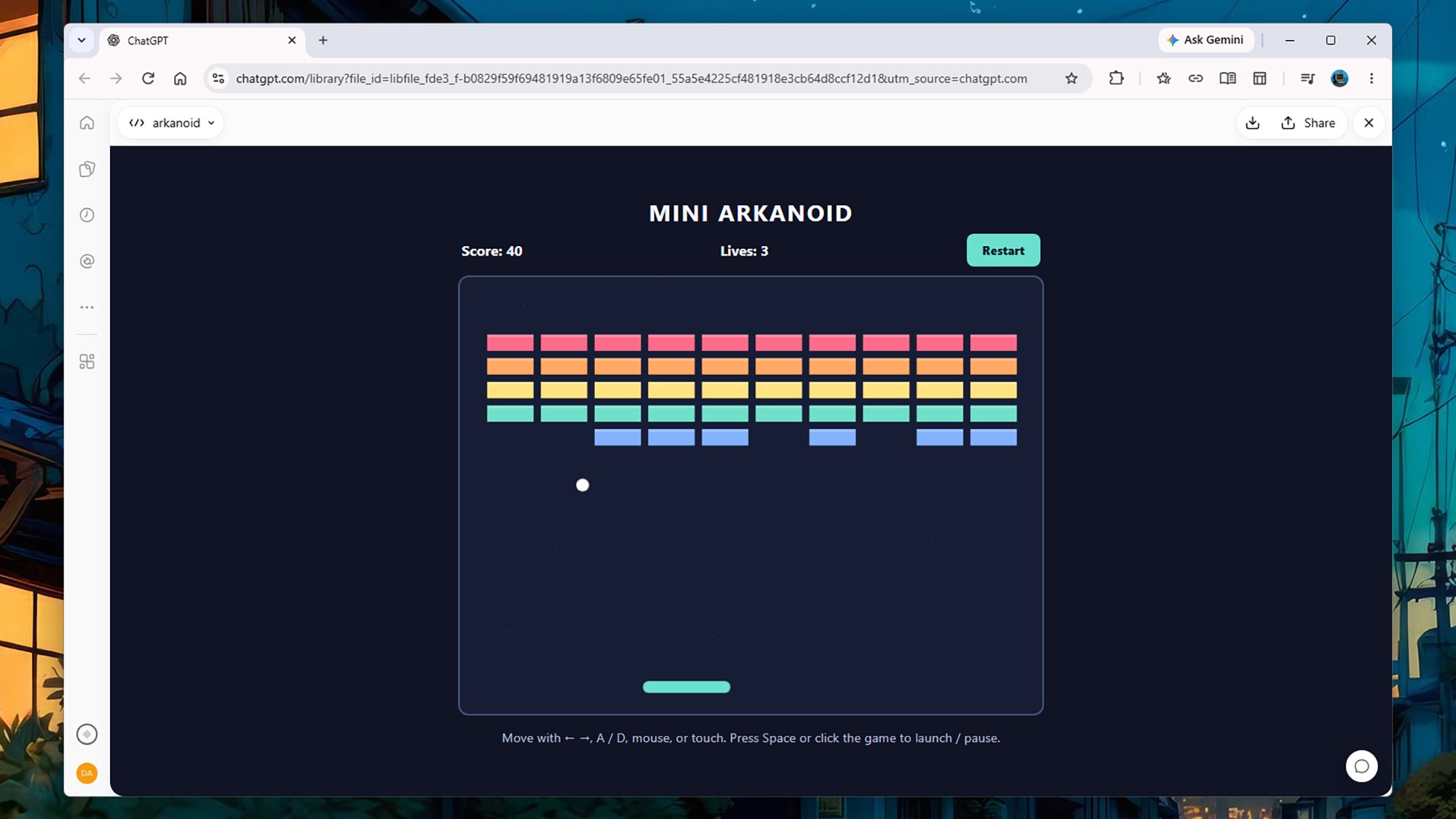
The emergence of large language models (LLMs) such as OpenAI’s ChatGPT, Google’s Gemini, and Anthropic’s Claude has fundamentally altered the barrier to entry for software development. This shift has birthed a phenomenon colloquially termed "vibe coding"—a process where individuals with little to no formal programming background leverage AI to generate functional applications, scripts, and automation tools simply by describing their intent in natural language. While this democratization of coding has empowered a new generation of hobbyists to build custom browser extensions, personal utility apps, and niche digital tools, it has also introduced significant risks as this trend migrates from software into the complex, proprietary ecosystems of consumer hardware.
The mechanics of vibe coding rely on the generative capabilities of LLMs to write, debug, and iterate on code blocks based on user prompts. A user might, for instance, request a script to scrape data from a specific website or generate a simple game interface. If the initial code fails, the user provides feedback, and the AI refines the output until the desired "vibe" or functionality is achieved. This iterative feedback loop mimics the workflow of professional developers but lacks the rigorous oversight, testing protocols, and deep architectural knowledge required to ensure long-term stability.
A Chronology of the No-Code Movement
The seeds of vibe coding were planted in the early 2020s with the introduction of GitHub Copilot and similar AI-assisted coding tools. By 2024, the integration of coding capabilities directly into conversational interfaces marked a pivot point. In early 2025, social media platforms, particularly X (formerly Twitter) and Reddit, saw an explosion of users sharing "vibe-coded" projects—ranging from automated RSS aggregators to custom interfaces for smart home devices.
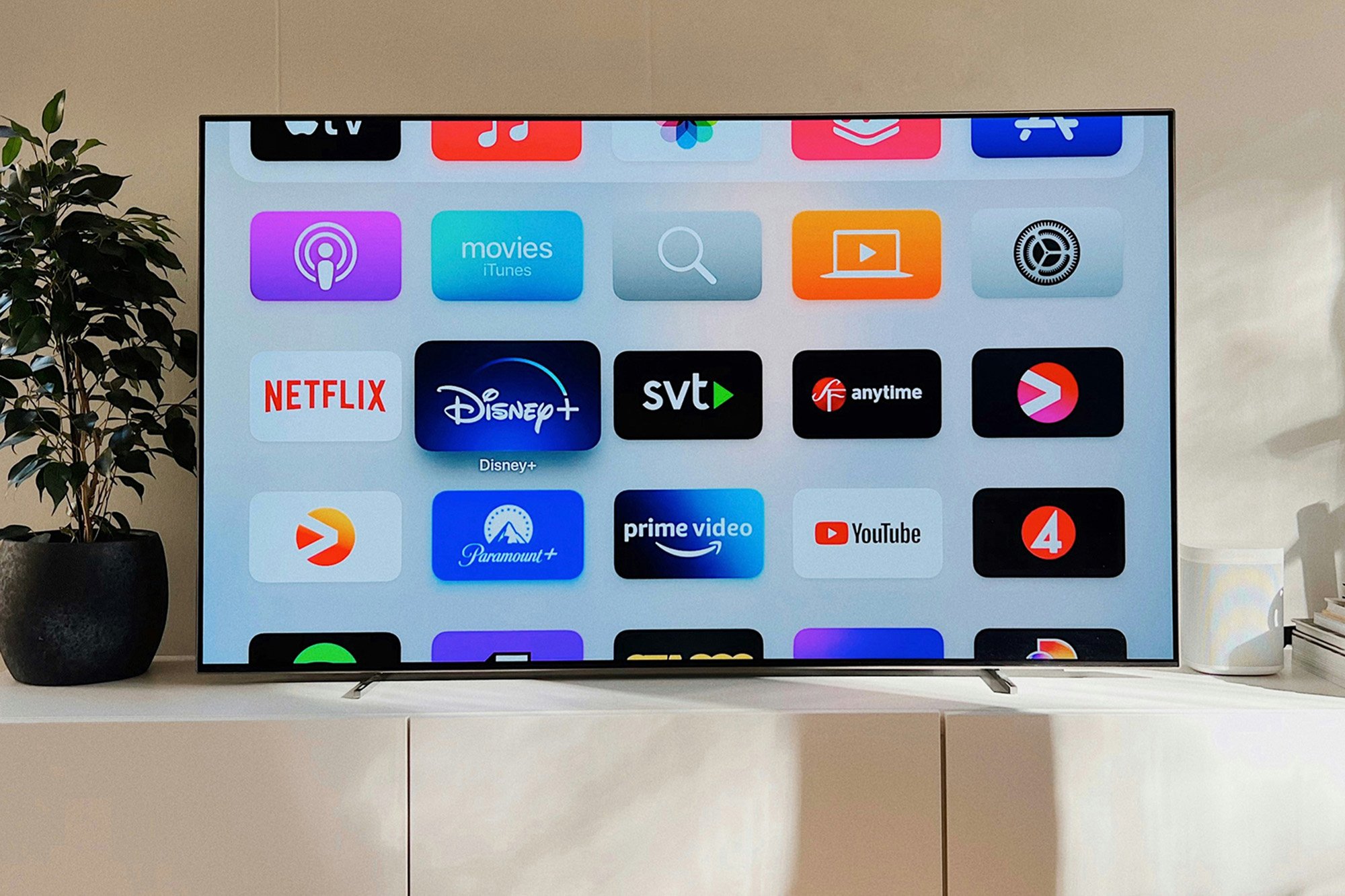
By the second half of 2025, the trend began to bleed into the hardware sector. Enthusiasts began applying these AI-generated scripts to locked-down operating systems, including Android-based smart TVs, proprietary smart speakers, and even legacy vehicle infotainment systems. The motivation was largely driven by a desire to strip away unwanted telemetry, invasive advertising, and restrictive user interface designs that have become standard in modern consumer electronics.
The Technical Reality: Why AI-Generated Code Can Be Hazardous
While the promise of reclaiming control over one’s devices is alluring, the technical reality is fraught with danger. Modern consumer hardware operates on highly customized kernels and proprietary firmware. When an AI generates a script to, for example, disable a background process on a smart TV, it is often operating without a full map of the device’s system dependencies.
Data from cybersecurity analysts suggests that AI models often hallucinate system commands when faced with obscure or non-standard documentation. If a user runs an AI-generated script with elevated privileges (root access), they may inadvertently delete critical system files, disrupt security handshake protocols, or create memory leaks. In extreme cases, this leads to "bricking"—a state where the hardware becomes completely unresponsive and is often unrecoverable through standard factory reset procedures.
Furthermore, AI-generated code is notoriously prone to "security debt." LLMs trained on vast swathes of open-source repositories may inadvertently suggest deprecated functions or insecure coding patterns that leave backdoors open for malicious actors. A user might successfully remove an advertisement from their television’s home screen, but in the process, they may inadvertently create an unauthenticated network port that allows a remote attacker to gain access to the home network.
Supporting Data and Market Implications
The growth of this trend is evidenced by the surge in search volume for "AI-assisted device hacking" and the proliferation of community threads dedicated to modifying smart appliances. According to industry surveys, over 15% of tech-savvy households have attempted some form of DIY modification to their smart devices in the past year, with a significant subset citing "ad-reduction" as their primary goal.
However, the hardware industry has responded with increasing hostility toward these modifications. Manufacturers, citing security and compliance concerns, have begun implementing stricter "Secure Boot" configurations and kernel-level integrity checks that detect and prevent unauthorized code execution. This creates a cat-and-mouse game between manufacturers and power users, with the average consumer caught in the middle.
Official Responses and Manufacturer Perspectives
Most consumer electronics manufacturers maintain that unauthorized modifications void warranties and compromise product safety. While few have issued specific statements regarding "vibe coding," their policy documentation reflects a hardening stance. A spokesperson for a leading smart TV manufacturer, speaking on condition of anonymity, noted: "Our operating systems are designed as integrated ecosystems. When users introduce third-party scripts, they circumvent the security architecture we have built to protect both the user’s data and the device’s stability. We cannot support or guarantee the safety of devices that have been modified by non-verified code."
Legal experts point out that the legal landscape regarding device modification remains complex. While the Digital Millennium Copyright Act (DMCA) has certain exemptions for "interoperability," modifying the core OS of a device to bypass advertising often falls outside these protections, potentially leaving users in a legal gray area.

A Safer Path: The Open Source Alternative
For those seeking to customize their hardware without the risks inherent in ad-hoc, AI-generated scripts, there exists a more stable path: established open-source projects. Unlike vibe-coded scripts, which are often ephemeral and untested, projects like OpenWrt for routers or Home Assistant for smart homes are built on years of collaborative development.
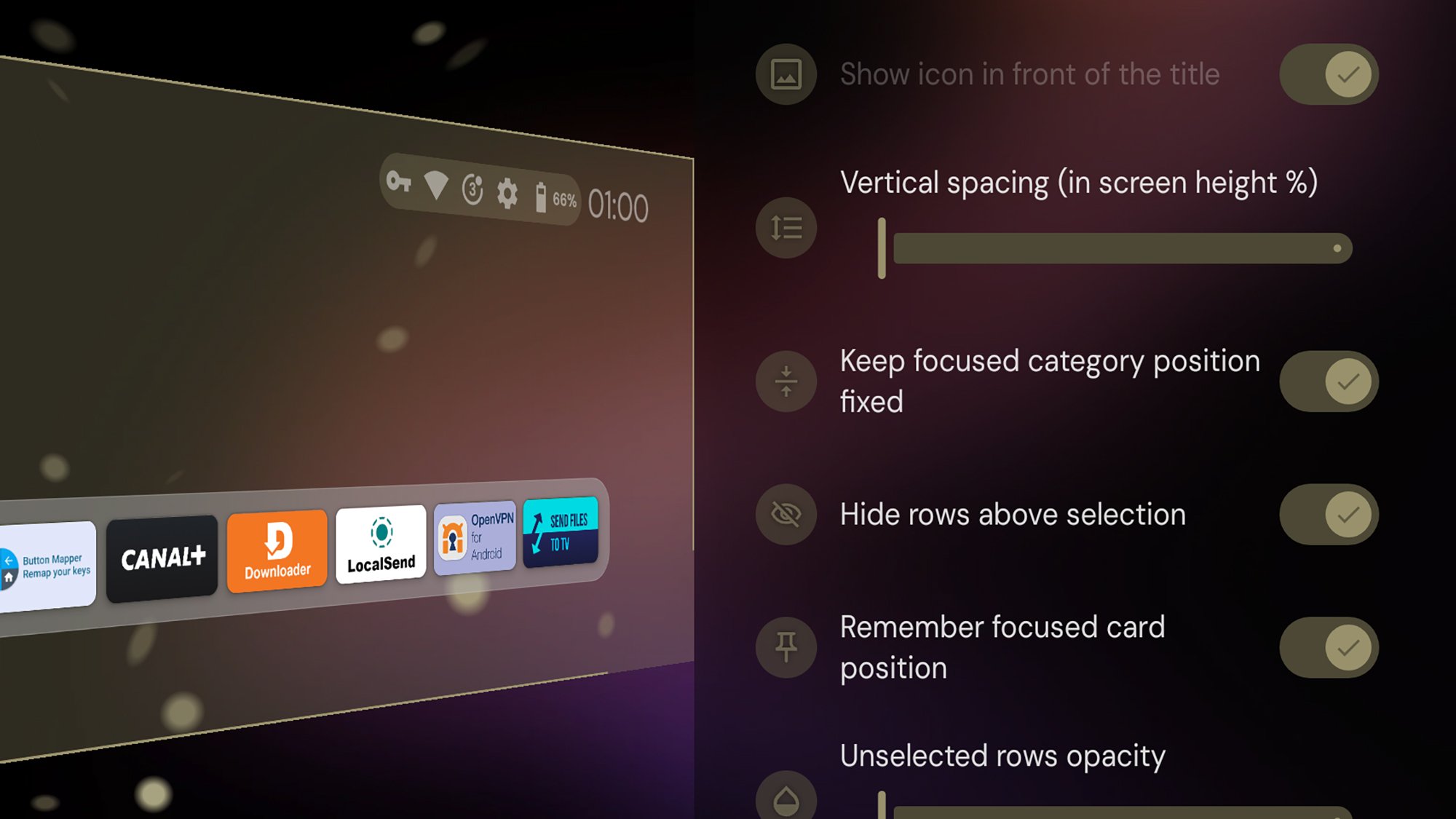
- Projectivy Launcher: For users of Android-based TVs, this software provides a robust, ad-free interface that respects the underlying system architecture, offering customization without risking the integrity of the core OS.
- OpenWrt: This Linux-based operating system for routers is maintained by a global community. It allows for deep network customization, including ad-blocking at the DNS level, without requiring the user to "hack" the device firmware in a way that risks a total system failure.
- Home Assistant: As an alternative to centralized, cloud-dependent smart home systems, Home Assistant provides a local control layer that is far more secure and private than the default interfaces provided by major tech conglomerates.
Broader Impact and Future Outlook
The vibe coding movement is a symptom of a larger dissatisfaction with the "black box" nature of modern technology. Consumers are increasingly aware that their devices track their behavior and serve them content they did not request. As AI continues to evolve, the ability to tailor technology to individual needs will only grow.
However, the industry must decide how to address this demand. If manufacturers continue to lock down their devices, the "vibe coding" of hardware will likely continue as a form of technological civil disobedience. Conversely, if companies were to provide more transparent, user-accessible customization options, they might mitigate the risks associated with amateur coding.
For now, the consensus among security professionals is clear: while AI is an extraordinary tool for prototyping software, it is not a substitute for the expertise required to modify the deep firmware of consumer hardware. Users who prioritize the longevity and security of their devices should steer clear of experimental scripts generated by chatbots, relying instead on well-vetted, community-supported software platforms that prioritize stability, security, and open standards.
Disclosure: Ziff Davis, the parent company of Popular Science, is currently involved in ongoing litigation against OpenAI regarding the alleged unauthorized use of copyrighted material in the training of artificial intelligence models. This legal context underscores the broader industry-wide debate regarding the ownership, reliability, and ethical implementation of AI-generated content and code.

