
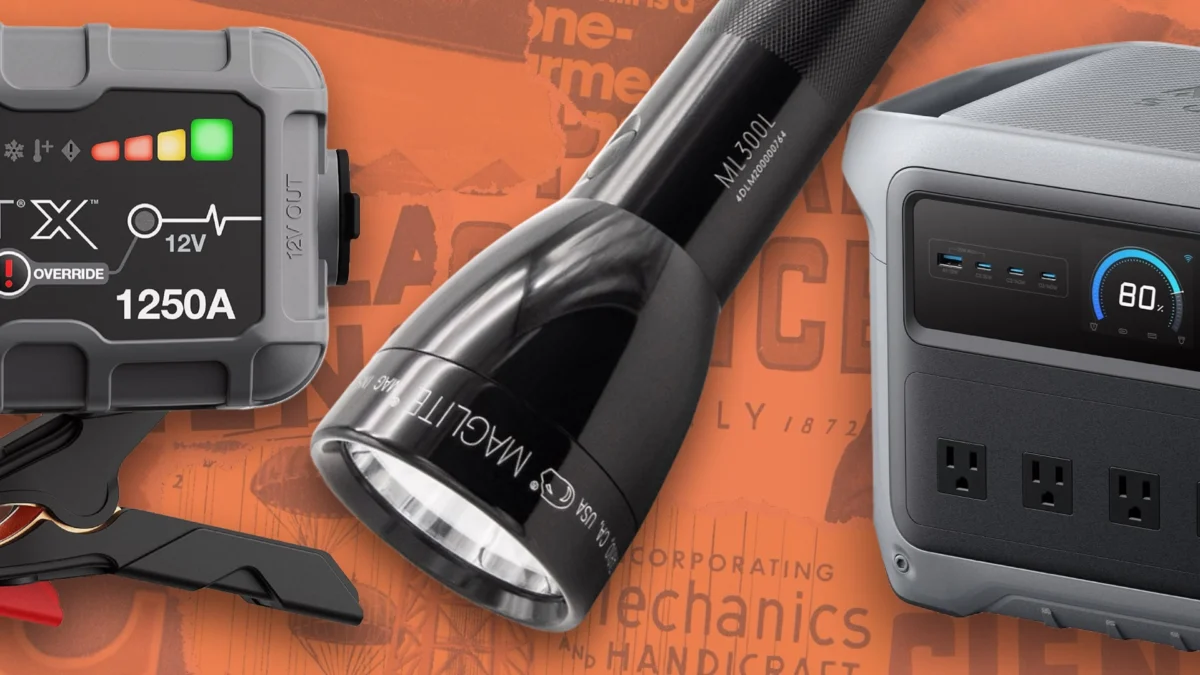
Building a comprehensive emergency kit does not require an immediate shift to a survivalist lifestyle, yet the seasonal retail event known as Black Friday offers a unique window to acquire high-quality, long-term infrastructure at significantly reduced costs. By aligning procurement strategies with the foundational disaster supply recommendations provided by the Federal Emergency Management Agency (FEMA), households can systematically bolster their resilience against power outages, environmental hazards, and automotive failures. This transition from reactive purchasing to proactive resource allocation ensures that when critical infrastructure—such as the electrical grid—is compromised, families possess the tools necessary to maintain stability.
The Evolution of Household Preparedness
The concept of the "go-bag" or home emergency kit has gained traction in recent years as climate-driven weather events become more frequent and severe. According to data from the National Oceanic and Atmospheric Administration (NOAA), the United States has seen a marked increase in billion-dollar disaster events over the last decade. These events, ranging from severe convective storms to deep-freeze winter weather, have frequently resulted in multi-day power outages.
Emergency management experts emphasize that the most effective kits are those assembled with familiarity; when an individual understands the operation of a manual crank radio or the capacity limits of a portable power station before a crisis occurs, the psychological and practical burden during an actual event is significantly reduced. The current market shift toward LiFePO4 (lithium iron phosphate) battery chemistry, featured in many modern power stations, represents a leap forward in safety and longevity compared to traditional lead-acid or older lithium-ion iterations.
Strategic Infrastructure: Portable Power Solutions
The modern emergency kit is increasingly defined by its ability to maintain connectivity and basic climate control. During the current Black Friday sales cycle, several key power units have seen price reductions that make them viable for the average household.
The Anker SOLIX C1000 Gen 2, currently retailing at a significant discount from its $799 list price, serves as a primary example of how modular power has evolved. With 1,024Wh of capacity and a 2,000W output, it is designed to act as an Uninterruptible Power Supply (UPS) with a 10ms switchover time. This capability ensures that sensitive electronics, such as internet routers and medical devices, do not cycle off when the primary power grid fails.
Simultaneously, the Bluetti Elite 30 V2 addresses the need for portability. Weighing approximately 9.5 pounds, it provides a balance between mobility and necessity. While its 288Wh capacity is insufficient for high-draw appliances like full-size refrigerators, it is perfectly suited for extended operations of LED lighting, communication devices, and small-form-factor home office equipment.
Automotive Resilience and Cold-Weather Readiness
Vehicle-based emergencies present a unique set of challenges, particularly during winter months when ambient temperatures decrease battery efficiency. The NOCO Boost X GBX45 has emerged as a standard in the industry for personal vehicle maintenance. Unlike traditional jumper cables, which require a second vehicle, the GBX45 utilizes a high-discharge lithium battery to initiate a start independently.
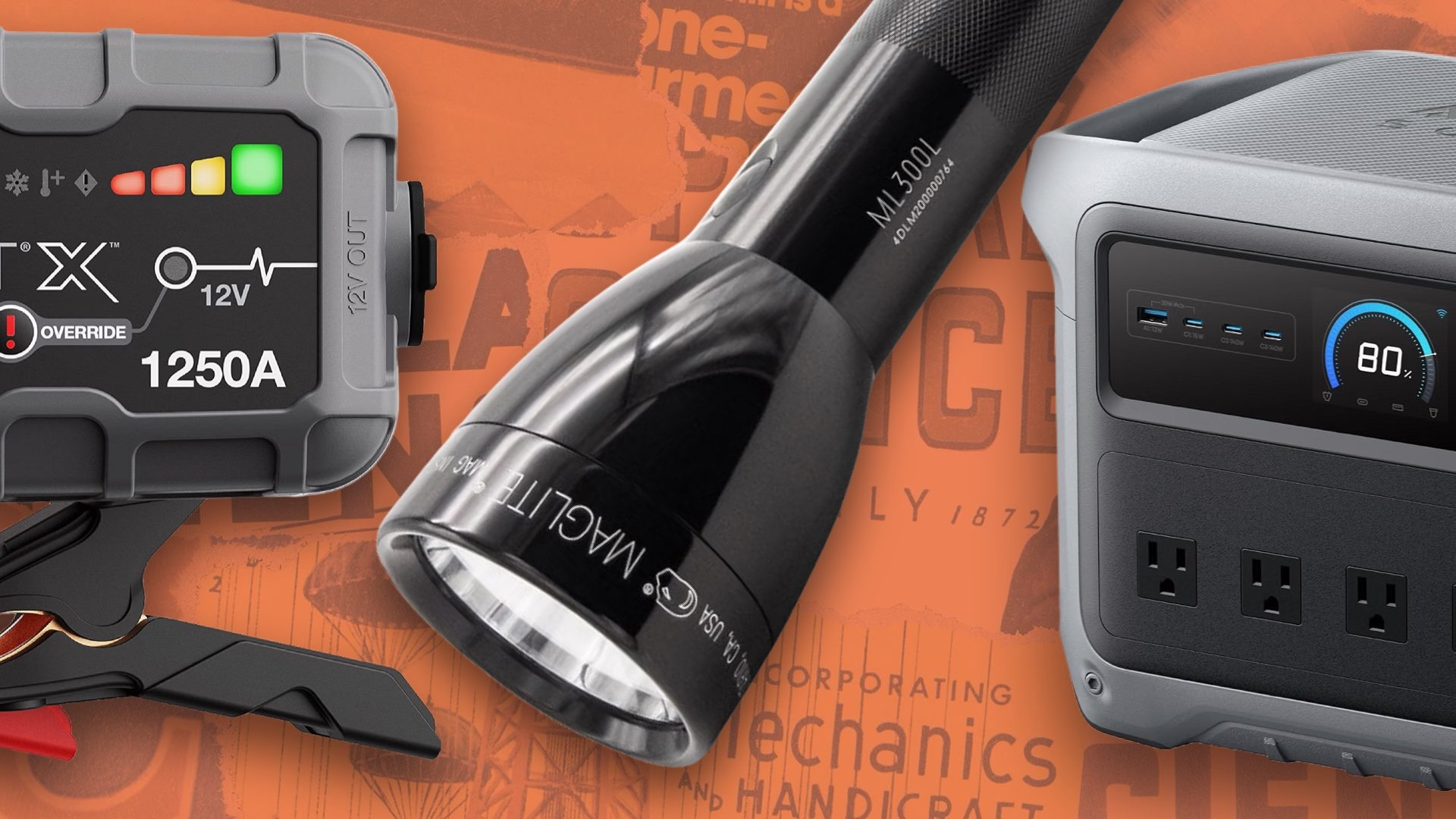
The engineering behind these devices has matured to include "spark-proof" technology and reverse-polarity protection, mitigating the risk of user error during high-stress situations. For owners of larger diesel engines or heavy-duty trucks, the market offers more robust alternatives such as the Weego 70, which provides the necessary amperage to crank larger displacement engines that smaller consumer-grade jump starters cannot handle.
The Hierarchy of Essential Supplies
While technology often takes the spotlight during retail events, seasoned emergency planners remind the public that high-tech solutions are secondary to basic, mechanical necessities. A structured kit should follow a logical hierarchy:
- Communication and Lighting: A reliable, high-lumen flashlight like the Maglite ML300L remains a staple due to its reliance on standard D-cell batteries. In a long-duration outage where charging infrastructure is unavailable, the ability to swap physical batteries is a critical advantage over rechargeable-only units.
- Environmental Monitoring: A NOAA weather alert radio is non-negotiable. These devices provide localized updates on tornado, flood, or winter storm warnings, often operating independently of cellular networks.
- Air Quality and Safety: The proliferation of portable generators and camp stoves has increased the incidence of carbon monoxide (CO) poisoning during power outages. Integrating a battery-operated, calibrated CO detector into the household emergency kit is a life-saving measure that is frequently overlooked.
- Hydration and Sanitation: FEMA’s standard of one gallon of water per person per day remains the benchmark. Utilizing durable, food-grade storage containers, such as those from Scepter, ensures that water remains potable over long-term storage.
Chronology of Preparedness Procurement
For those looking to build a kit over time, the following timeline is recommended to avoid impulse spending and ensure the acquisition of quality equipment:
- Phase 1 (The Baseline): Focus on the "ready-to-go" essentials. This includes non-perishable food, manual can openers, essential medications, and physical copies of identification and insurance documents.
- Phase 2 (The Power Infrastructure): During retail events like Black Friday, target the higher-ticket, durable goods such as power stations and jump starters. These items rarely see deep discounts outside of major holiday windows.
- Phase 3 (Maintenance and Rotation): Establish a bi-annual audit (coinciding with daylight savings time changes) to replace batteries, rotate expired food supplies, and check the charge levels of all lithium-based power banks.
Fact-Based Analysis of Modern Risks
The reliance on digital infrastructure has made the average household more vulnerable to even short-term grid instabilities. A 2026 report on urban resilience suggests that the "just-in-time" supply chain philosophy, which governs much of modern grocery shopping, leaves families with less than 72 hours of essential supplies in the event of a regional disruption.
By investing in portable power stations that utilize LiFePO4 technology, households are effectively "future-proofing" their residence against the increasing frequency of grid volatility. These units, which offer over 3,000 charge cycles, represent a multi-year investment. Furthermore, the shift toward sustainable energy—such as the integration of solar charging panels with portable power stations—provides an additional layer of security that traditional gasoline-powered generators cannot match, specifically regarding noise pollution, exhaust safety, and fuel storage requirements.
Professional Guidance and Expert Consensus
Emergency management agencies, including Ready.gov, consistently advise against the purchase of "all-in-one" emergency bundles. These kits often contain low-quality components that may fail when needed most. The consensus among field experts is to curate a kit based on individual geographic needs. For example, a household in a wildfire-prone area requires N95 masks and portable air filtration, whereas a household in a flood-prone region should prioritize water filtration and waterproof documentation storage.
As the retail season progresses, consumers are encouraged to prioritize functionality over aesthetics. When selecting gear, look for certifications such as UL (Underwriters Laboratories) ratings for batteries and ingress protection (IP) ratings for flashlights and lanterns. These standards provide an objective measure of a product’s ability to perform under duress.
Conclusion: A Foundation for Stability
The goal of emergency preparedness is not to predict the exact nature of the next crisis, but to ensure that the household remains functional regardless of external conditions. By leveraging seasonal sales to acquire reliable, high-performance equipment, families can build a comprehensive defense against the uncertainty of modern infrastructure. Whether through the inclusion of a high-capacity power station or the simple addition of a dedicated carbon monoxide alarm, every step taken today reduces the risk and complexity of a potential emergency tomorrow. The objective is to maintain a state of "readiness" that is both sustainable and effective, ensuring that when the lights go out, the home remains a place of safety and control.

