
Eight years have passed since the 2018 Camp Fire reduced the town of Paradise, California, to a landscape of smoldering ruins, displacing tens of thousands of residents and devastating 85 percent of the town’s physical infrastructure. For the Paradise Unified School District (PUSD), the path forward appeared nearly impossible in the immediate aftermath. Facilities director Jake Timm, surveying the charred remains of schools that had served as the heart of the community, estimated that it could take two decades for the student population to recover to pre-fire levels. Yet, in a testament to the resilience of both the infrastructure and the community, the district is now experiencing an unexpected and steady influx of students, signaling a new chapter for a town once thought to be on the brink of permanent decline.
A Chronology of Destruction and Renewal
The Camp Fire, which ignited on November 8, 2018, remains the deadliest and most destructive wildfire in California’s recorded history. For PUSD, the event was an existential crisis. Nearly every school campus in the district suffered severe damage. The immediate aftermath forced a total disruption of the educational system: the junior high school was forced to operate out of a hardware store, while high school students were relegated to independent study programs held in mall spaces. Elementary schools were scattered across the county, with some students commuting up to 20 miles to access temporary classrooms provided by neighboring districts.
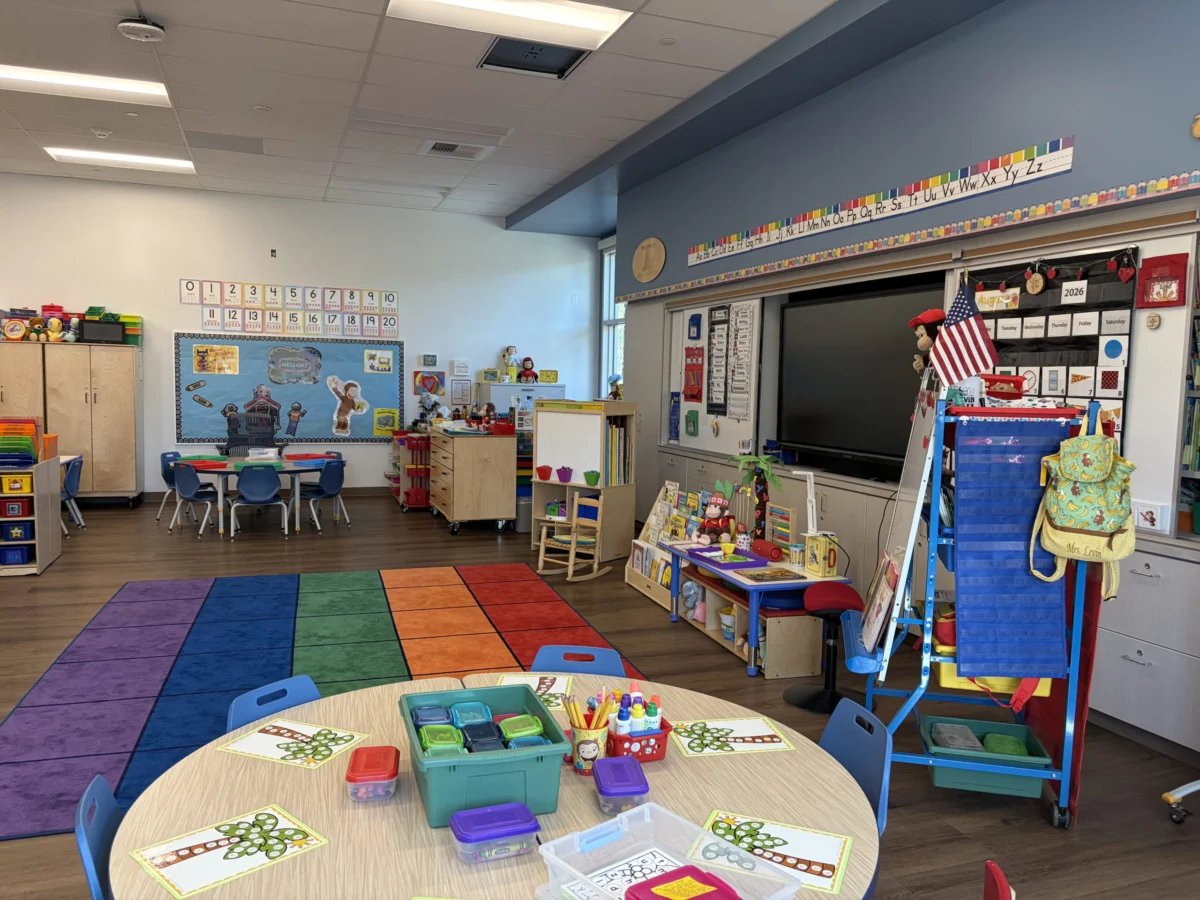
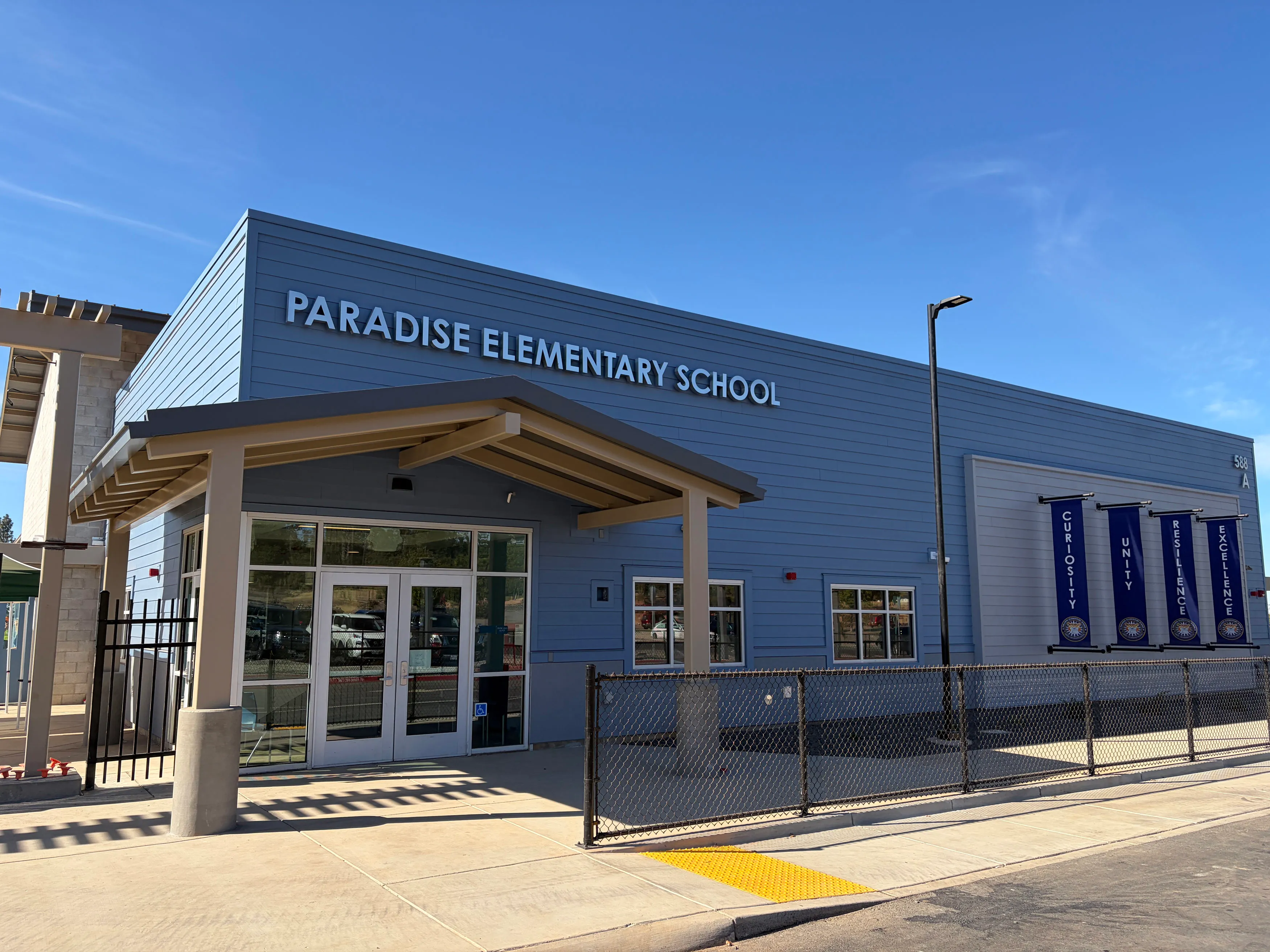
The recovery process began almost immediately, fueled by a $61 million bond measure that residents had courageously passed just two days before the fire consumed their town. While the initial master plan in 2020 focused on consolidation and conservative growth, reality quickly outpaced these projections. By the 2024-2025 school year, the elementary population had surged from roughly 300 to nearly 500 students. This fall, the district marked a significant milestone with the reopening of the final elementary campus, Paradise Elementary, which had been destroyed in the blaze. The facility is already being evaluated for future classroom expansions to accommodate the average of 80 new students arriving annually.
Shifting Demographics and Economic Drivers
The demographic makeup of Paradise is undergoing a fundamental transformation. Historically characterized as a retirement-heavy community, the town is increasingly attracting young families. This shift is driven by the stark realities of California’s housing market. As older residents who lost their homes opted against rebuilding, a surplus of available land emerged. For young families priced out of nearby job centers like Chico, the promise of affordable, new construction in a "blank slate" community proved irresistible.
Marketing campaigns led by the city and the Paradise Ridge Chamber of Commerce have leveraged this narrative, highlighting modern school facilities, lower cost of living, and a robust commitment to fire-resilient infrastructure. Data suggests that the strategy is working; by 2021, the majority of new residential building permits were issued to households moving to Paradise for the first time. These new residents, often unburdened by the immediate trauma of the 2018 disaster, view the town as a place of opportunity rather than a site of past tragedy.
The Long Tail of Academic Recovery
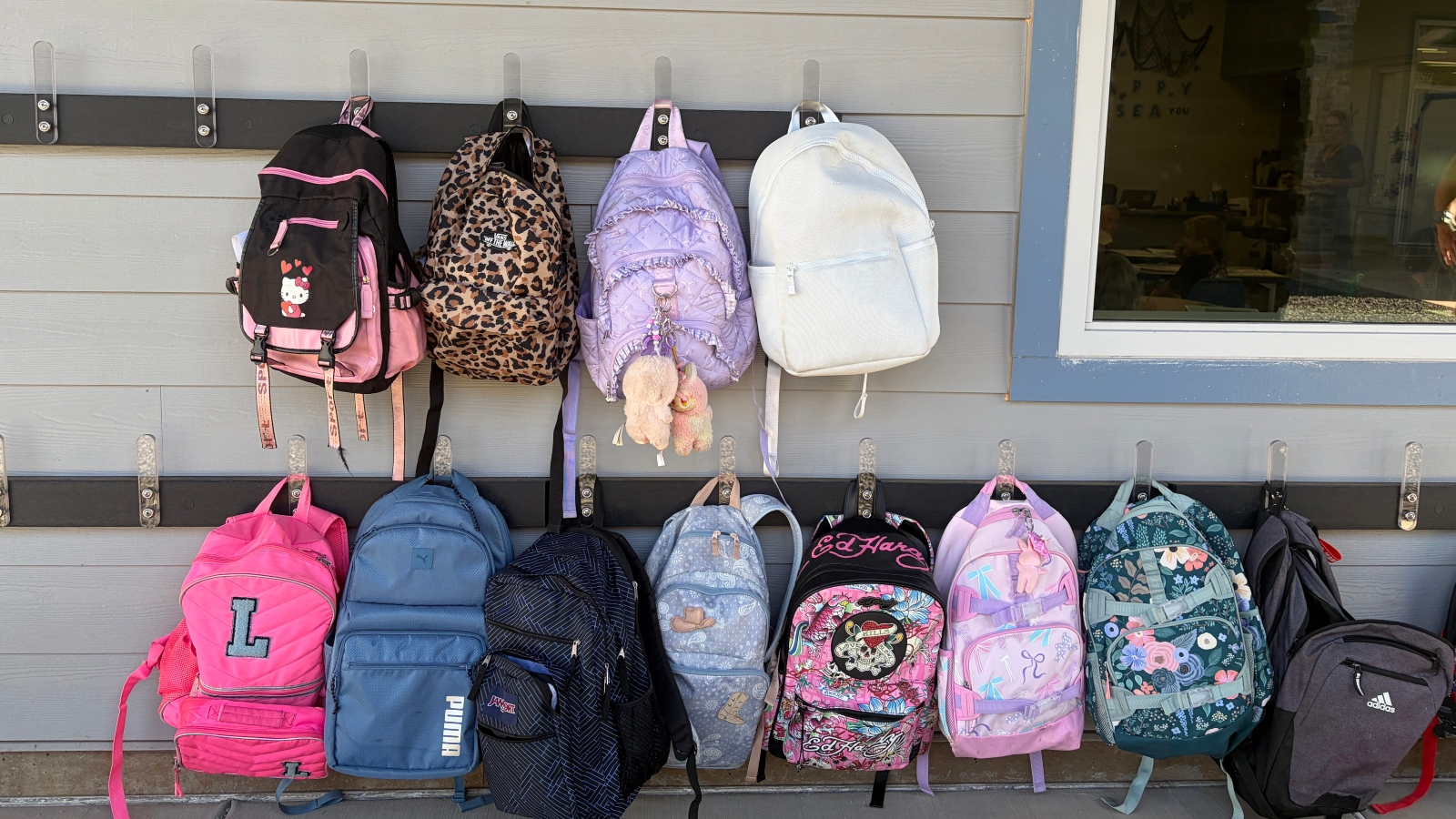
Despite the physical reconstruction of campuses, the academic and social wounds inflicted by the fire remain visible. The district currently reports that over 25 percent of its students are chronically absent—a figure that significantly outpaces the state average. Furthermore, academic performance indicators, particularly in mathematics, reflect a widening gap between Paradise students and their peers across California.
Education experts argue that this trend is consistent with the long-term impacts of natural disasters on child development. Dr. Lindsey Nenadal, an associate professor of child development at California State University, Chico, notes that the loss of a school is not merely a loss of a building, but a severance of the sense of normalcy and stability essential for learning. For students who lived through the fire, the disruption was compounded by the subsequent COVID-19 pandemic, creating a "double-hit" scenario that stalled academic progress during critical developmental years.
Students like Kaydence Mosher, who was in fifth grade when the fire struck, represent a generation grappling with this legacy. The loss of personal belongings, the transition to different schools, and the constant reminder of a altered landscape have created a unique emotional burden. For these students, the renaming of schools—such as the transition from Ponderosa Elementary to Paradise Ridge—can feel like a erasure of the community that once was, adding a layer of grief to the process of moving forward.
Regional and National Implications
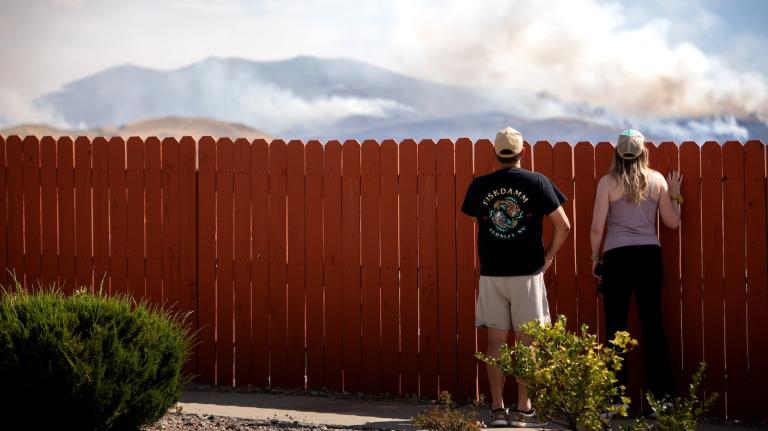
The experience of Paradise serves as a critical case study for districts across the United States. According to research from Brown University’s SustainableED initiative, approximately 25 percent of public schools in the U.S. are located in regions designated as high-risk for environmental hazards, including hurricanes, floods, and wildfires. As climate change increases the frequency and severity of these events, school districts are increasingly forced to navigate the precarious balance between safety, fiscal responsibility, and community preservation.
The tension between consolidation and rebuilding is a recurring theme in post-disaster planning. In Pasadena, California, the proposed consolidation of schools following the 2025 Eaton Fire was met with fierce public opposition, as parents argued that schools serve as vital community hubs that anchor a neighborhood’s recovery. Similarly, in Lahaina, Hawaii, the debate over the relocation of the historic King Kamehameha III Elementary School highlighted the conflict between preserving historical community ties and adhering to modern safety regulations regarding tsunami and flood zones.
Statistical Context and Future Outlook
The recovery in Paradise is statistically significant when compared to other rural, low-income areas affected by the same fire. For instance, the Golden Feather Union Elementary School District, which served the Concow community, has faced a much slower recovery. Many of its students remain in a facility that was closed in 2010 and subsequently repurposed, situated eight miles away from their original community. The contrast underscores that recovery is not uniform; it relies heavily on local economic resources, the pace of private development, and the ability of a school district to maintain institutional continuity.
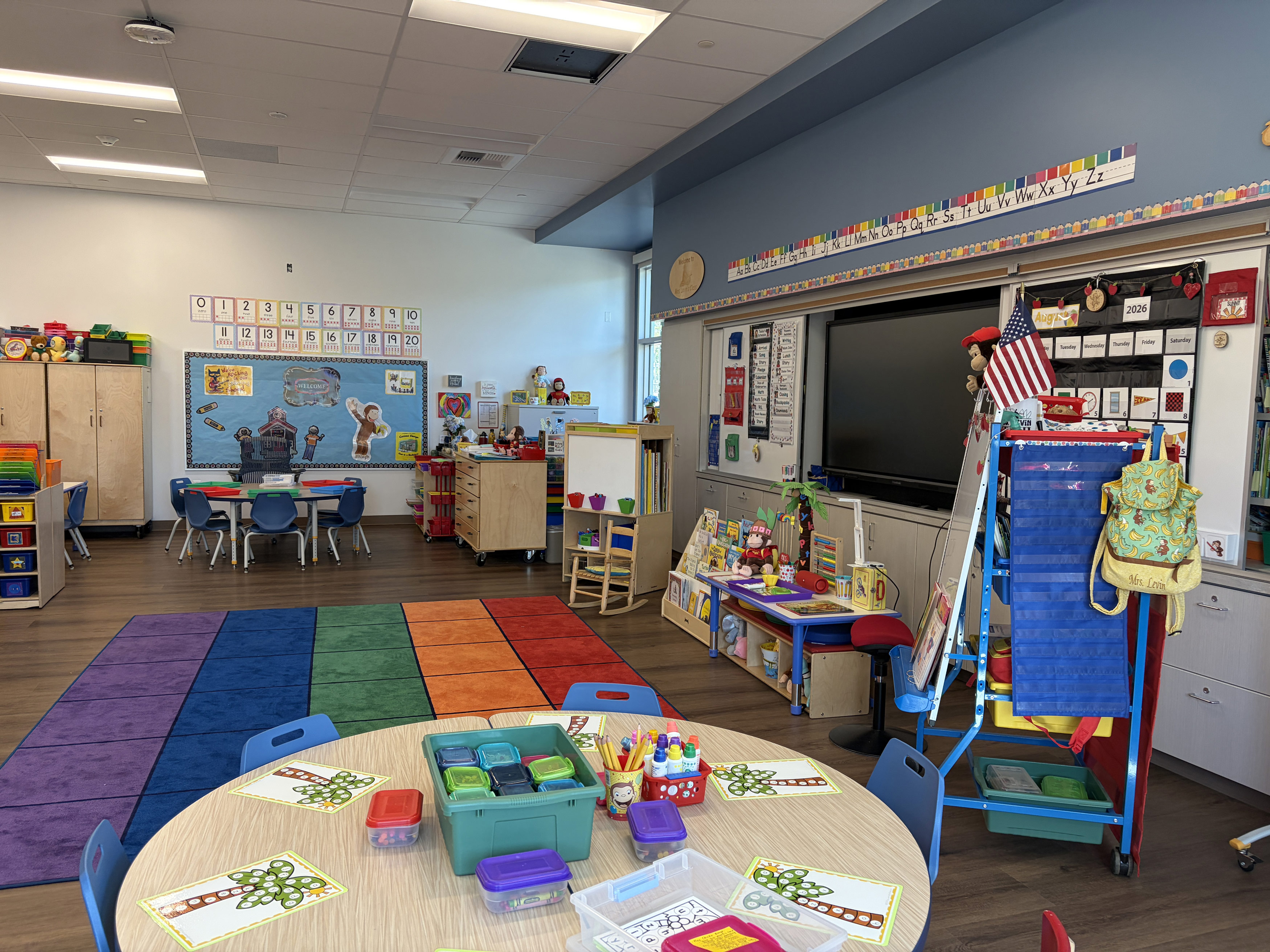
Currently, while only about one-third of the destroyed homes in Paradise have been replaced and over half of the town’s land remains vacant, the school district’s enrollment recovery is moving faster than the general population growth. This suggests that the school system is, effectively, the leading indicator of the town’s long-term viability. By providing high-quality, modern educational environments, the district is effectively incentivizing families to put down roots, which in turn fuels the broader economic recovery of the region.
Policy and Institutional Challenges
Moving forward, the Paradise Unified School District faces the ongoing challenge of addressing the academic disparities that have emerged since 2018. The Butte County Office of Education continues to work with the district to refine support systems, though officials acknowledge that disentangling the effects of the fire from other socioeconomic factors is a complex task. The focus has shifted from simple survival to a more nuanced approach of addressing student mental health, attendance initiatives, and targeted academic interventions.
The district’s commitment to "rebuilding better" is evident in the design of the new schools, which incorporate advanced fire-safety features and flexible learning spaces. However, the true test of this recovery will be whether the district can maintain its current growth trajectory as the novelty of the "new Paradise" fades and the town moves into a more permanent, post-disaster phase.
Conclusion
The story of the Paradise Unified School District is one of profound transformation. It is a narrative that bridges the gap between the devastation of a climate-driven disaster and the resilience required to rebuild a community from the ground up. While the physical scars of the Camp Fire are slowly being covered by new construction and a influx of young families, the academic and social challenges identified by educators and students alike suggest that the work of recovery is far from complete.
As Paradise continues to act as a model for other districts facing the growing threat of environmental instability, it offers a sobering but hopeful lesson: the recovery of a school system is inextricably linked to the survival of the community it serves. Whether the district can successfully bridge the gap in academic performance while managing its rapid growth will determine the long-term legacy of a town that refused to disappear. For now, the sight of children playing on the new blacktop at Paradise Elementary stands as the most potent symbol of a town that has chosen to define its future not by what was lost, but by what is being built in its place.

