
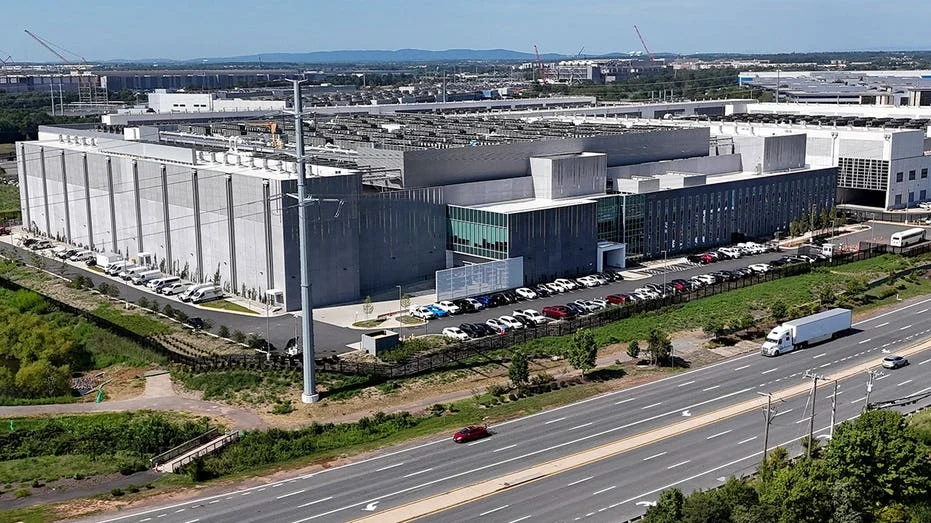
The intersection of national security, domestic energy infrastructure, and foreign geopolitical influence has entered a new phase as the United States military moves forward with plans to lease portions of federal property for commercial energy and technology development. At the same time, local opposition to similar massive computing and data-storage campuses has drawn intense scrutiny over alleged covert meddling by foreign-aligned actors. These concurrent developments highlight a complex national debate over how the United States will power the explosive growth of artificial intelligence and cloud computing without compromising national resilience or falling victim to external manipulation.
The broader tension surrounding the rapid proliferation of data centers recently spilled over into Prince George’s County, Maryland. There, a proposed $5 billion data center campus has been placed on indefinite hold following intense local pushback. While citizen-led environmental and zoning concerns are commonplace in large-scale infrastructure projects, reporting by investigative outlets and national security analysts has revealed a deeper layer of friction.
According to observers such as Jonas Du of Pirate Wires, opposition campaigns against domestic data infrastructure are increasingly being amplified by domestic political organizations with documented ties to foreign propaganda networks. Specifically, the Party for Socialism and Liberation—an organization that has historically aligned its messaging with Chinese state narratives—has actively promoted petitions and protests designed to halt the Maryland data center. Activists led by figures such as Taylor Frazier McCollum have spearheaded the local resistance, but security experts warn that legitimate community concerns are frequently weaponized by adversarial groups aiming to slow down American technological advancement and critical infrastructure modernization.
U.S. Army Opens Bidding for Base Leases
While local projects face hurdles from synchronized protests and political friction, the federal government is simultaneously taking proactive steps to expand the nation’s digital and power generation capabilities. The U.S. Army has officially opened a competitive bidding process, offering 25-year land leases on unused sections across nine major military installations. This initiative is designed to entice private companies to construct commercial power plants alongside massive data centers directly on military property.
The formal solicitation window opened on November 20, arriving just over a week after a newly established advocacy group, Veterans for Public Lands, publicly demanded a nationwide moratorium on data centers across all federal properties. Despite this pushback from veteran-advocacy circles, the Department of the Army is pressing forward with its strategic real estate initiative, viewing private-sector partnerships as an efficient mechanism to modernize defense infrastructure.
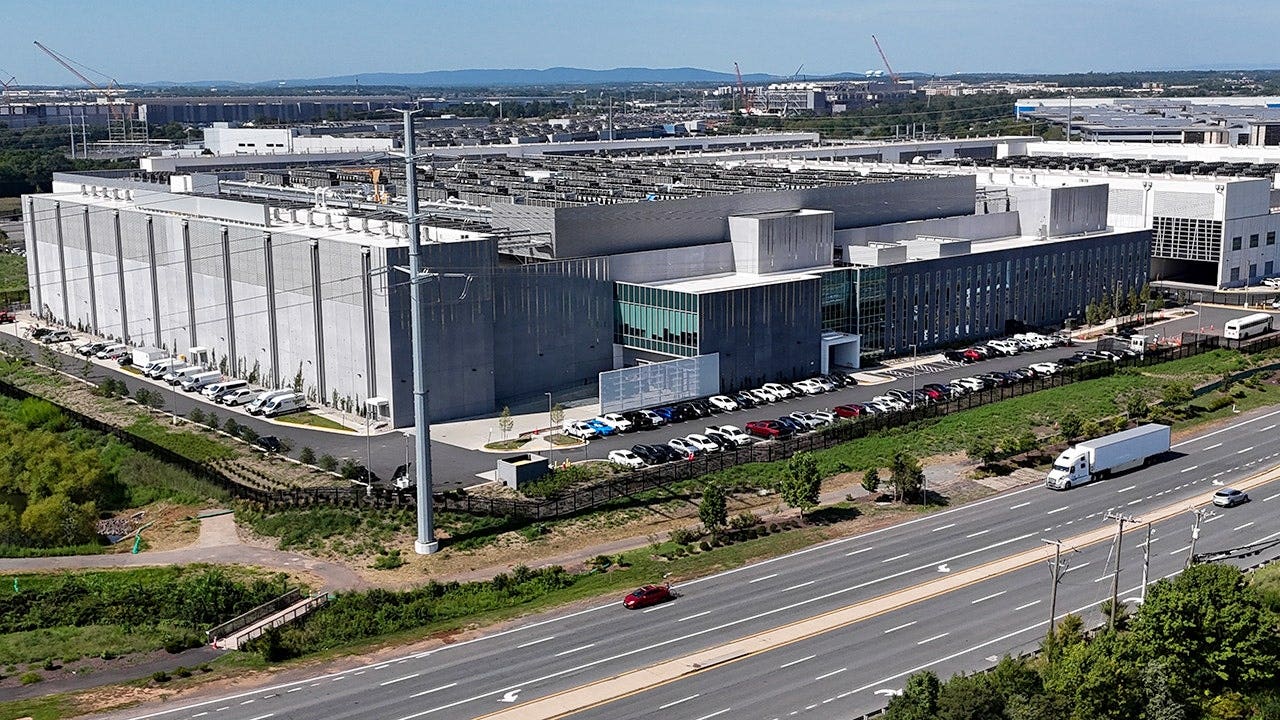
The nine installations eligible for these long-term leases span multiple regions of the country, reflecting a widespread geographic footprint. The designated sites include the Blue Grass Army Depot in Kentucky, the Pine Bluff Arsenal in Arkansas, the Tooele Army Depot in Utah, the Sierra Army Depot in California, Fort McCoy in Wisconsin, Fort Bragg in North Carolina, Fort Hood in Texas, Fort Rucker in Alabama, and Joint Base Lewis-McChord in Washington.
Strict Requirements for Energy and Water Management
To ensure that the initiative serves military readiness as well as commercial interests, the Army has imposed stringent conditions on prospective developers. Foremost among these mandates is a strict coupling of power generation and data storage. The military has explicitly stated that it will not accept proposals that request land solely for data center construction without an integrated, on-site power plant.
This requirement is rooted in national defense priorities. The primary objective for the Army is securing reliable, independent emergency backup electricity to insulate critical military installations from broader civilian grid failures or cyberattacks. Under the terms of the solicitation, winning commercial bidders will be legally bound to deliver emergency power to the host base "within one hour of a grid outage and for a minimum of fourteen continuous days." This capability effectively transforms these commercial sites into strategic microgrids capable of sustaining military operations during catastrophic national emergencies.
Furthermore, the Army is heavily regulating the environmental footprint of these mega-facilities, particularly regarding water consumption—a notorious pain point for modern high-performance computing centers. The solicitation explicitly bars firms from drawing industrial water from local aquifers. Instead, participating companies must maintain a water usage profile that is "net-neutral or better."
The official notice dictates that developers must finance and manage the sourcing of all industrial process water exclusively from non-potable alternative sources. Permissible options include brackish groundwater, reclaimed municipal wastewater (commonly known as greywater), or treated industrial and agricultural runoff, subject to rigorous Department of the Army approval and ongoing regulatory compliance.
Leveraging Federal Leasing Law for Infrastructure Gains
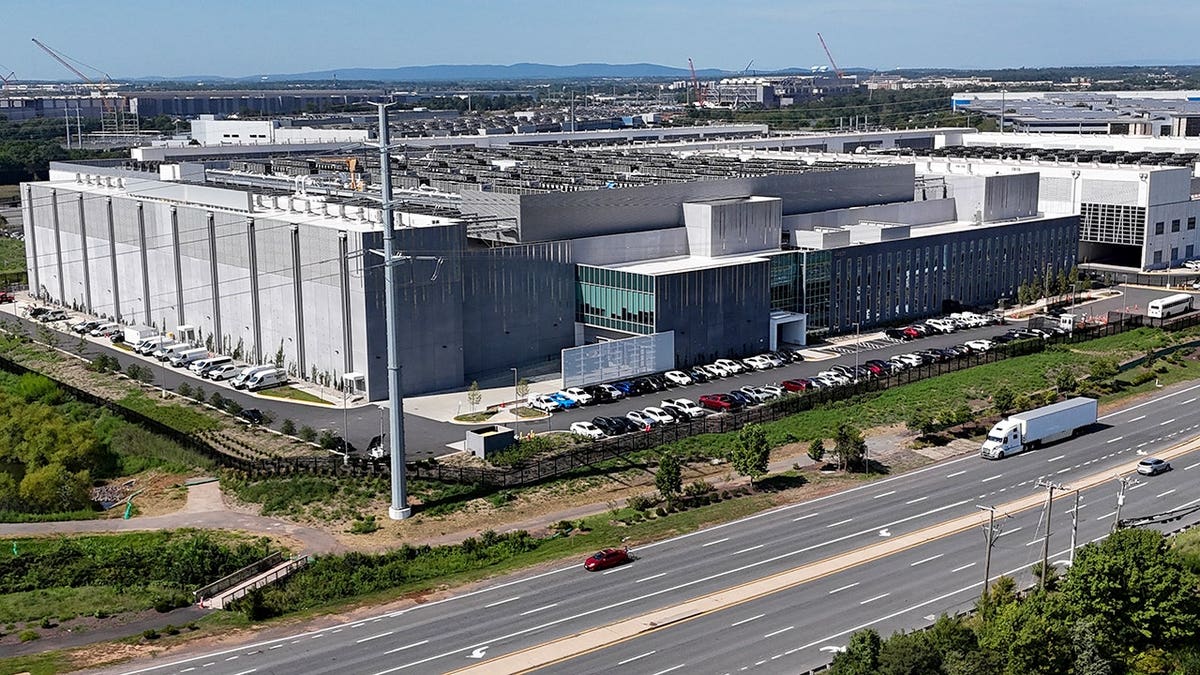
The financial structure of these 25-year leases relies on a specialized mechanism known as federal Enhanced Use Lease (EUL) law. Under this statutory framework, the military branch is authorized to accept rental payments from private-sector tenants not only in traditional cash disbursements but also through in-kind services.
These in-kind services can encompass direct construction labor, the provision of building materials, or the delivery of physical goods and infrastructure improvements. This arrangement creates a mutually beneficial economic ecosystem. The Army acquires vital, state-of-the-art energy and computing infrastructure built directly onto its land base entirely at private expense, sparing American taxpayers any upfront capital outlays. Concurrently, private developers are shielded from heavy initial cash burdens that frequently stall or bankrupt massive civil engineering projects in their early stages.
The timeline for the current solicitation gives private developers a structured window to prepare their bids. The Army has set the final submission deadline for January 18, 2027, allowing consortiums ample time to engineer compliant, multi-billion-dollar proposals that balance high-density computing needs with self-sustaining power generation and strict environmental protections.
Precedents and Broader Strategic Context
The current push across nine army bases is part of a broader, evolving federal strategy to integrate private technology capital with military real estate. Prior to opening this multi-base solicitation, the Army took preliminary steps by conditionally selecting major private-equity and data center developers in early 2025.
In March of that year, the military conditionally awarded development rights to Carlyle to build a data center campus on approximately 1,384 acres at Fort Bliss in Texas. Simultaneously, CyrusOne was conditionally selected to develop roughly 1,201 acres at the Dugway Proving Ground in Utah. Although neither of those high-profile leases has been officially finalized, they established a clear precedent for how the Department of Defense intends to leverage its vast land holdings to meet the exponential power demands of the artificial intelligence boom.
These military-industrial initiatives unfold against a backdrop of acute legislative and security anxiety in Washington. Lawmakers from both major parties have increasingly viewed the modernization of the American power grid and the expansion of domestic data infrastructure as matters of paramount national security. Federal legislators warn that without aggressive expansion of domestic energy production, the United States risks falling behind strategic competitors in the global race for artificial intelligence supremacy, while simultaneously leaving military command-and-control nodes vulnerable to an increasingly unstable civilian power grid.
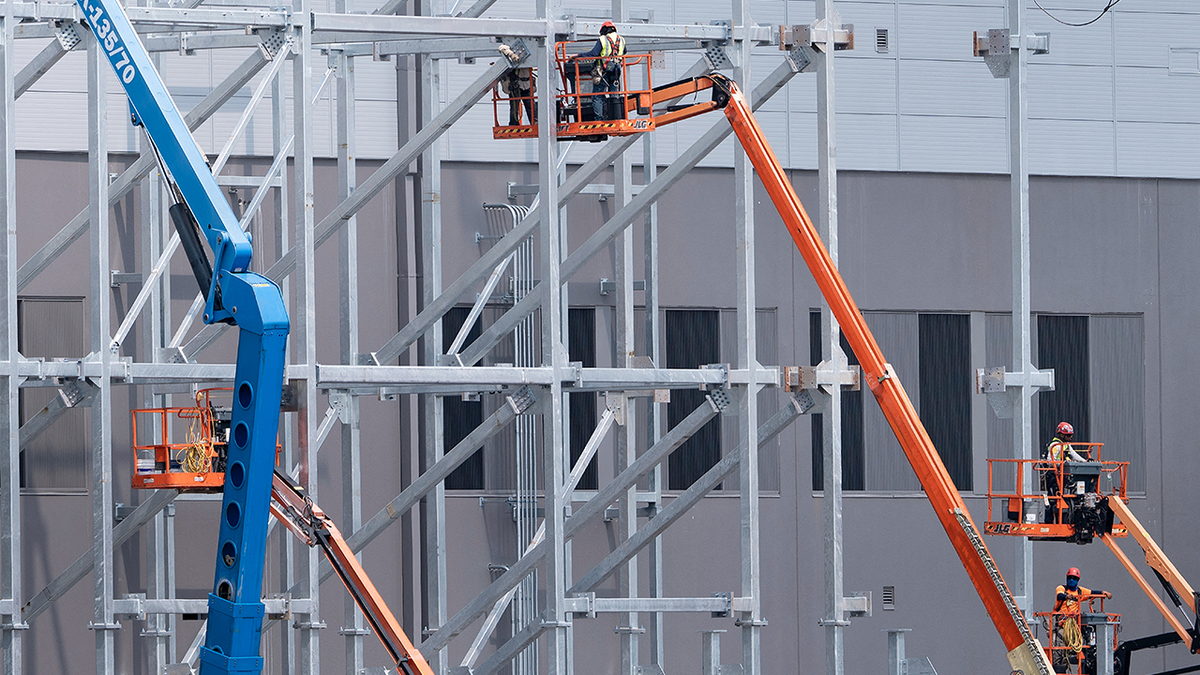
Implications for National Security and the Future of Tech
The convergence of foreign-influenced domestic activism, local zoning battles, and aggressive federal leasing initiatives underscores a profound national dilemma. On one hand, local communities are increasingly resistant to the massive environmental demands of data centers, which require vast amounts of electricity and water. This grassroots opposition is occasionally manipulated by adversarial foreign entities, such as China-linked organizations seeking to stymie American technological infrastructure growth under the guise of environmentalism or local populism.
On the other hand, the federal government views the marriage of military installations and private energy-data campuses as an indispensable strategy for national survival. By requiring developers to build resilient, self-sustaining power plants capable of backing up military bases for two weeks without external grid support, the Department of Defense is effectively hardening its critical assets against foreign sabotage or natural disasters.
As the January 2027 bidding deadline approaches for the nine designated Army depots, the outcome of these public-private partnerships will likely set a national standard. How the military navigates local skepticism, foreign interference, and environmental mandates will determine whether the United States can successfully scale the physical infrastructure required to dominate the next generation of global technology, or whether bureaucratic delays and external subversion will leave the nation’s digital and defense capabilities trailing behind.

