
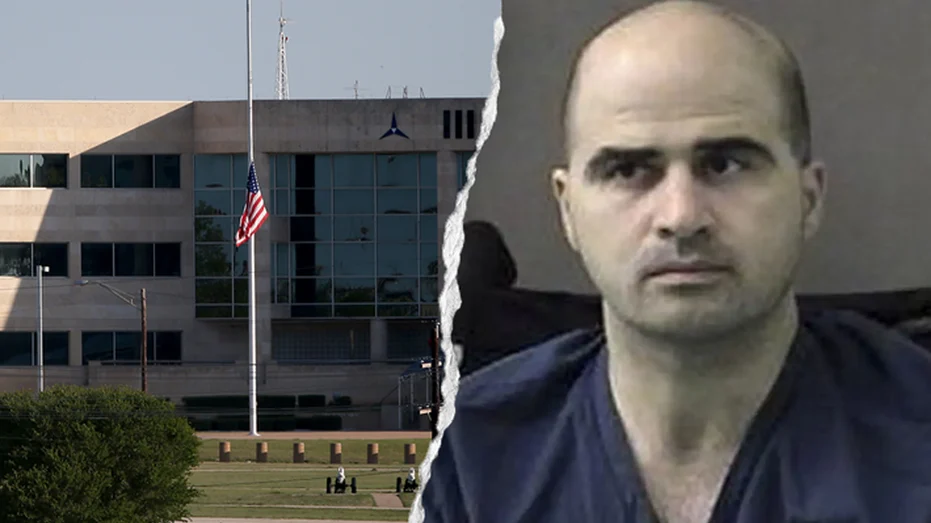
The legal battle surrounding the impending execution of Nidal Malik Hasan, the former U.S. Army psychiatrist convicted of the 2009 Fort Hood massacre, has reached a critical juncture in the U.S. District Court for the District of Kansas. As the scheduled date for his execution approaches this Thursday, Hasan’s defense team, spearheaded by American Civil Liberties Union (ACLU) attorneys, has filed a vigorous motion to prevent his transfer to Texas and to secure a stay of execution. This high-stakes litigation pits the defendant’s constitutional rights against the government’s interest in finality and justice for the thirteen individuals murdered during the deadliest mass shooting ever to occur on a U.S. military installation.
Federal prosecutors, led by U.S. Attorney for the District of Kansas Ryan Kriegshauser and Assistant U.S. Attorney Jared Maag, have urged the court to deny the request. In their filings, the government characterizes Hasan’s latest legal maneuvers as meritless stalling tactics, asserting that the defendant has failed to establish any credible grounds for a habeas corpus petition. The government’s stance remains firm: the military appeals process has been exhausted, the Supreme Court has declined to intervene, and the victims’ families have waited long enough for the administration of justice.
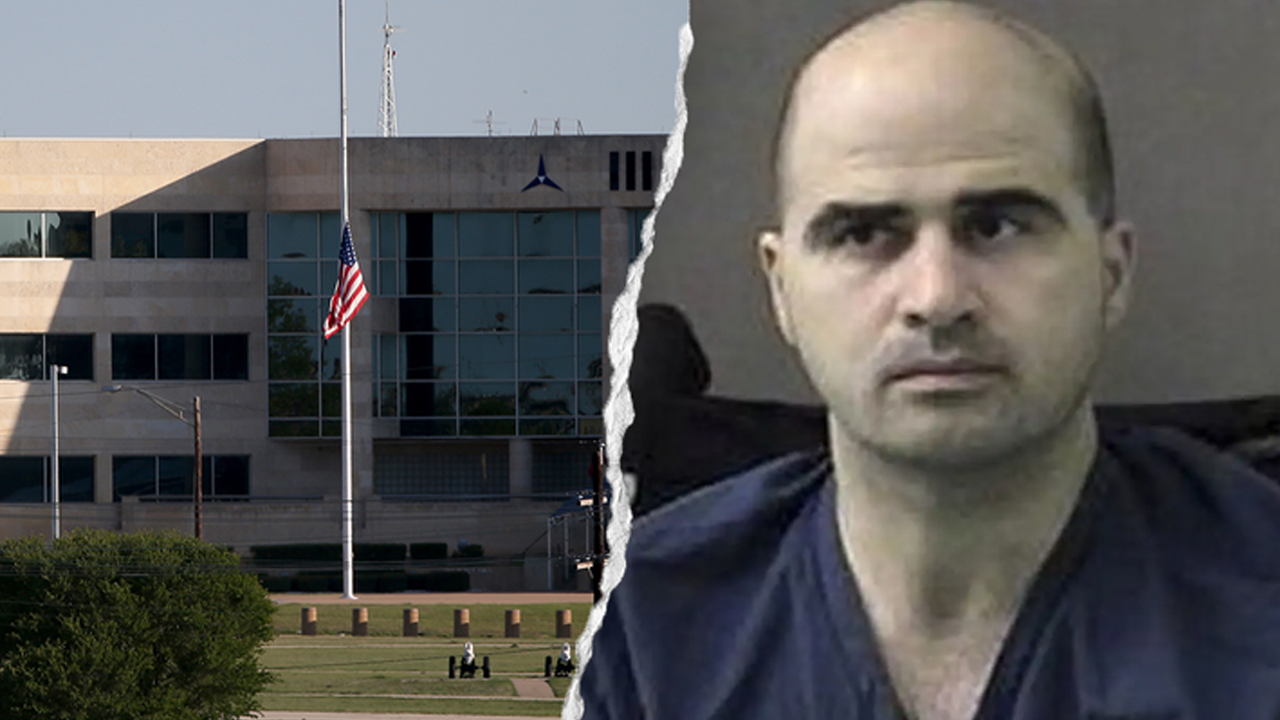
The 2009 Massacre: A Historical Context
The tragedy occurred on November 5, 2009, when Nidal Hasan, then a major in the U.S. Army Medical Corps, opened fire inside the Soldier Readiness Processing Center at Fort Hood, Texas. Armed with a semi-automatic handgun equipped with a laser sight, Hasan killed 13 people—12 soldiers and one civilian employee—and wounded more than 30 others. Among the victims was Army Pvt. Francheska Velez, a 21-year-old soldier who had recently returned from a tour in Iraq and was pregnant at the time of her death.
The attack remains a haunting milestone in American military history. Investigators later discovered that Hasan had been in contact with Anwar al-Awlaki, an American-born radical cleric and senior recruiter for Al-Qaeda in the Arabian Peninsula. Hasan’s subsequent trial in 2013 was marked by his own erratic behavior; he chose to represent himself during portions of the proceedings, admitting to the shootings and claiming they were justified as a defense of the Taliban against American aggression in Afghanistan. A military jury found him guilty on 13 counts of premeditated murder and 32 counts of attempted premeditated murder, sentencing him to death.
Chronology of the Legal Proceedings
The path to the current confrontation has been defined by years of administrative and judicial reviews. Following his conviction, Hasan spent over a decade in confinement at the U.S. Disciplinary Barracks at Fort Leavenworth, Kansas. The legal timeline accelerated significantly in recent years:
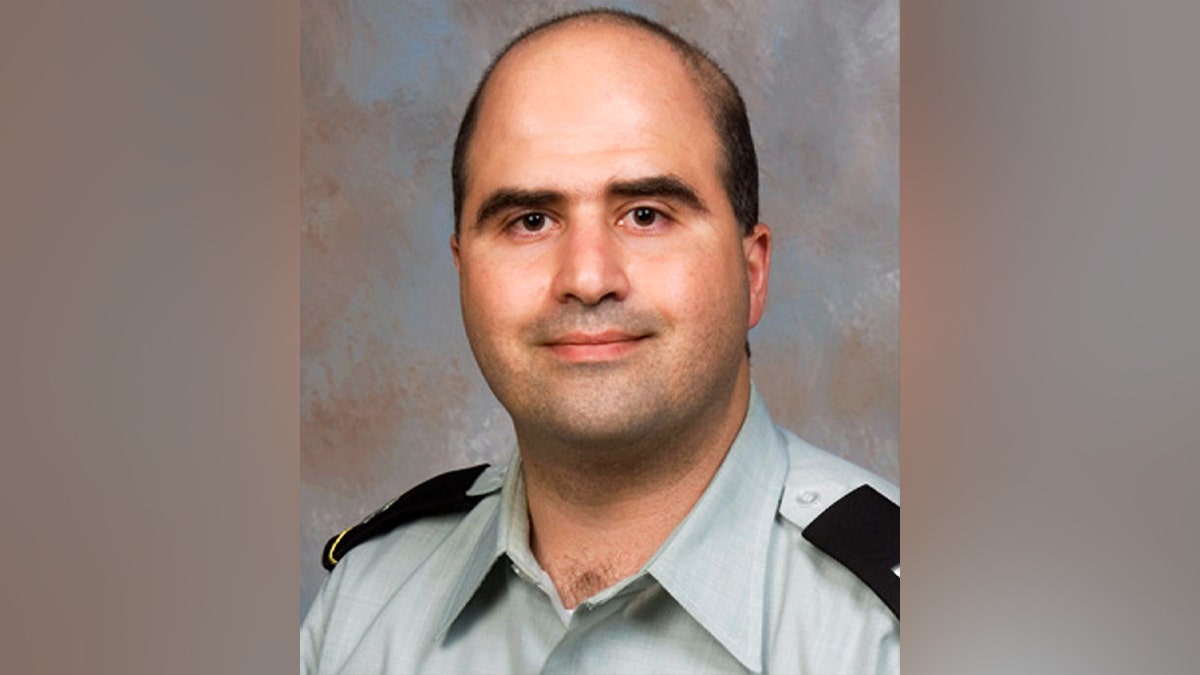
- August 2013: A military jury convicts Hasan on all counts and sentences him to death.
- March 31, 2025: The U.S. Supreme Court declines to review the case, exhausting the standard appellate route for military capital cases.
- October 2, 2026: President Donald Trump formally approves the execution of the death sentence, clearing the way for the military to prepare for the procedure.
- October 5, 2026: Hasan is officially notified of the approval.
- November 24, 2026: Seven weeks after notification, Hasan files a motion in the U.S. District Court for the District of Kansas seeking a stay of execution.
- December 2026: Federal prosecutors urge the court to reject the stay, citing the lack of a filed habeas petition and the urgency of justice for victims.
The Current Legal Dispute: Arguments and Motions
The central tension in the current filing centers on the timing and the transfer. ACLU attorneys argue that the seven-week interval between the President’s approval and the filing of the motion is reasonable and not an attempt to delay proceedings. They contend that Hasan, who is paralyzed from the chest down and requires specialized medical care, should not be moved from Fort Leavenworth to Texas until he has had adequate time to file a formal habeas corpus petition.
Furthermore, the defense has signaled an intent to raise constitutional challenges regarding the influence of executive branch officials. Specifically, the filing suggests that Hasan’s legal team intends to argue that the actions of President Trump and Secretary of War Pete Hegseth constitute "unlawful command influence," a legal doctrine in the military justice system that prohibits commanders from exerting pressure on the outcome of a court-martial.
Government attorneys, however, have countered these arguments with a sharp rebuke. They maintain that there is no precedent suggesting that a seven-week wait is anything other than a dilatory tactic. "Hasan offers no justification for his delay in filing a habeas petition, nor can he establish any likelihood of success on the merits of his yet-unfiled petition," the government’s response stated. They argue that the interests of the public and the survivors are "magnified by the heinous nature of his crimes," and that justice must not be further deferred.
The Role of Judge Anthony Mattivi
The case is currently being presided over by U.S. District Judge Anthony Mattivi, a recent Trump appointee with extensive experience in high-profile criminal and military law. Before his judicial confirmation, Mattivi served as a federal prosecutor for over two decades. His background includes significant roles in the prosecution of Al-Qaeda operatives, including those involved in the USS Cole bombing, and assisting Iraqi authorities in war crimes tribunals. His familiarity with complex national security cases and the military justice system makes his upcoming ruling pivotal to the future of this case.
Judge Mattivi has ordered an in-person hearing for this Monday in Kansas City, Kansas. The hearing is expected to address two primary issues: the status of the stay of execution and the question of Hasan’s legal representation, including his recurring requests to represent himself despite the gravity of the proceedings.
Broader Implications for Military Justice
If the execution proceeds as scheduled, it will be the first U.S. military execution in more than 60 years. The last military execution occurred in 1961, when Army Pvt. John A. Bennett was hanged for the rape and murder of an 11-year-old girl. Since then, the military justice system has largely avoided the death penalty, making this case a bellwether for the future of capital punishment within the armed forces.
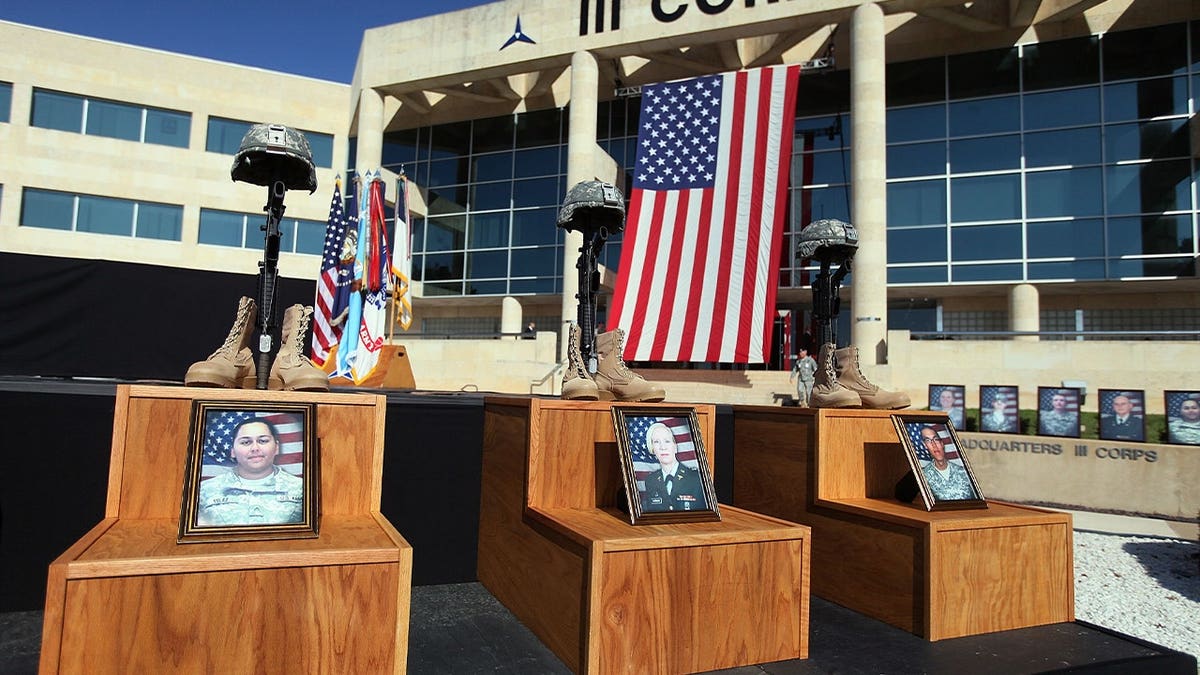
The debate has also touched on the logistical and symbolic aspects of the punishment. Discussions regarding whether the execution should be live-streamed or made public have been robust, with many survivors and public figures expressing strong opinions. Notably, President Trump has ruled out the possibility of a live-streamed execution, a decision that has garnered significant public support. Survivors like Alonzo Lunsford, who was shot during the attack, have publicly stated that while they support the execution—some noting that a single death is insufficient for the 13 lives lost—they do not believe the process should be treated as a public spectacle.
Public Interest and Victim Impact
The victims and their families remain at the heart of this legal saga. For many, the execution represents a final chapter in a nearly 17-year struggle for closure. The government’s assertion that the public interest is "overwhelming" in implementing the sentence reflects the profound impact the 2009 shooting had on the national psyche and the military community.
As the Monday hearing approaches, the nation watches to see how the court balances the strict, technical requirements of habeas corpus review with the emotional and practical demands of a case that has remained unresolved for almost two decades. Whether the court grants a temporary reprieve to allow for further constitutional challenges or rejects the motion, the case of Nidal Hasan will remain a definitive point of study for legal scholars, military historians, and the victims’ families for generations to come. The outcome of this week’s proceedings will serve as the ultimate test of the military justice system’s ability to finalize its most severe sentences in a manner that remains consistent with constitutional protections.

