
A powerful magnitude 5.0 earthquake struck the Southern California coastline on Saturday morning, sending violent rolling tremors through the greater Los Angeles area, shaking nerves during the height of the post-Thanksgiving travel rush, and forcing at least one commercial airliner to abort its landing at Los Angeles International Airport (LAX).
The seismic event, which was centered approximately four miles off the coast of Manhattan Beach at roughly 9:30 a.m. local time, caught millions of residents and holiday travelers off guard. The tremor’s proximity to the coast and shallow depth amplified its intensity across Los Angeles and neighboring Orange County, triggering immediate emergency alerts, shattering terminal windows at major aviation hubs, and setting off a sequence of anxious aftershocks that persisted well into the afternoon.
While city and state officials confirmed that initial rapid-assessment sweeps found no immediate structural damage to critical regional infrastructure, the sudden natural disaster highlighted the ongoing vulnerability of key transportation conduits during high-volume travel windows.
Chronology of the Event and Immediate Aviation Disruption
The morning unfolded rapidly as the seismic waves radiated outward from the offshore epicenter near Manhattan Beach—a location roughly a 10-minute drive from the sprawling runways of LAX. The initial jolt hit at approximately 9:30 a.m. PT, sending shockwaves through air traffic control towers, terminal concourses, and airborne aircraft alike.
Within seconds of the primary tremor, automated early-warning systems deployed across California activated mobile devices, causing millions of cell phones to blare emergency alerts just as the physical shaking began. At LAX, the impact was immediate and dramatic.
In the control tower, air traffic controllers quickly assessed the unfolding situation. Audio recordings captured by aviation monitoring services revealed the chaotic moments as controllers instructed incoming aircraft to alter their procedures.
"Delta 1972 go around we’re having a big earthquake," an air traffic controller transmitted to the flight deck of Delta Air Lines Flight 1972 as the aircraft was moments away from touching down. Video footage from the airfield showed airport cameras visibly bouncing and swaying as the ground shuddered. The flight crew successfully executed a standard go-around procedure, circling the airfield before ultimately landing safely after safety inspections of the runways were concluded.
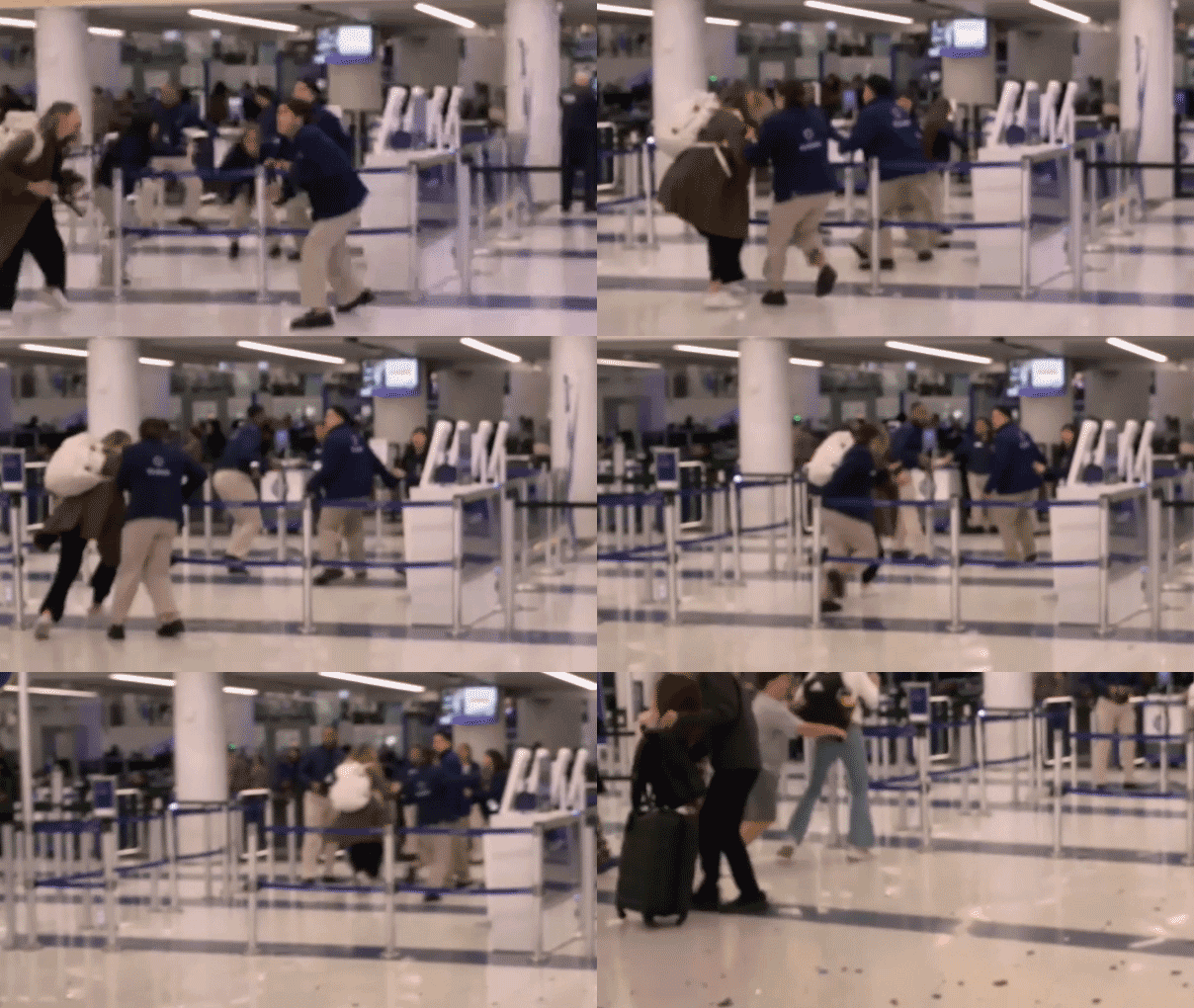
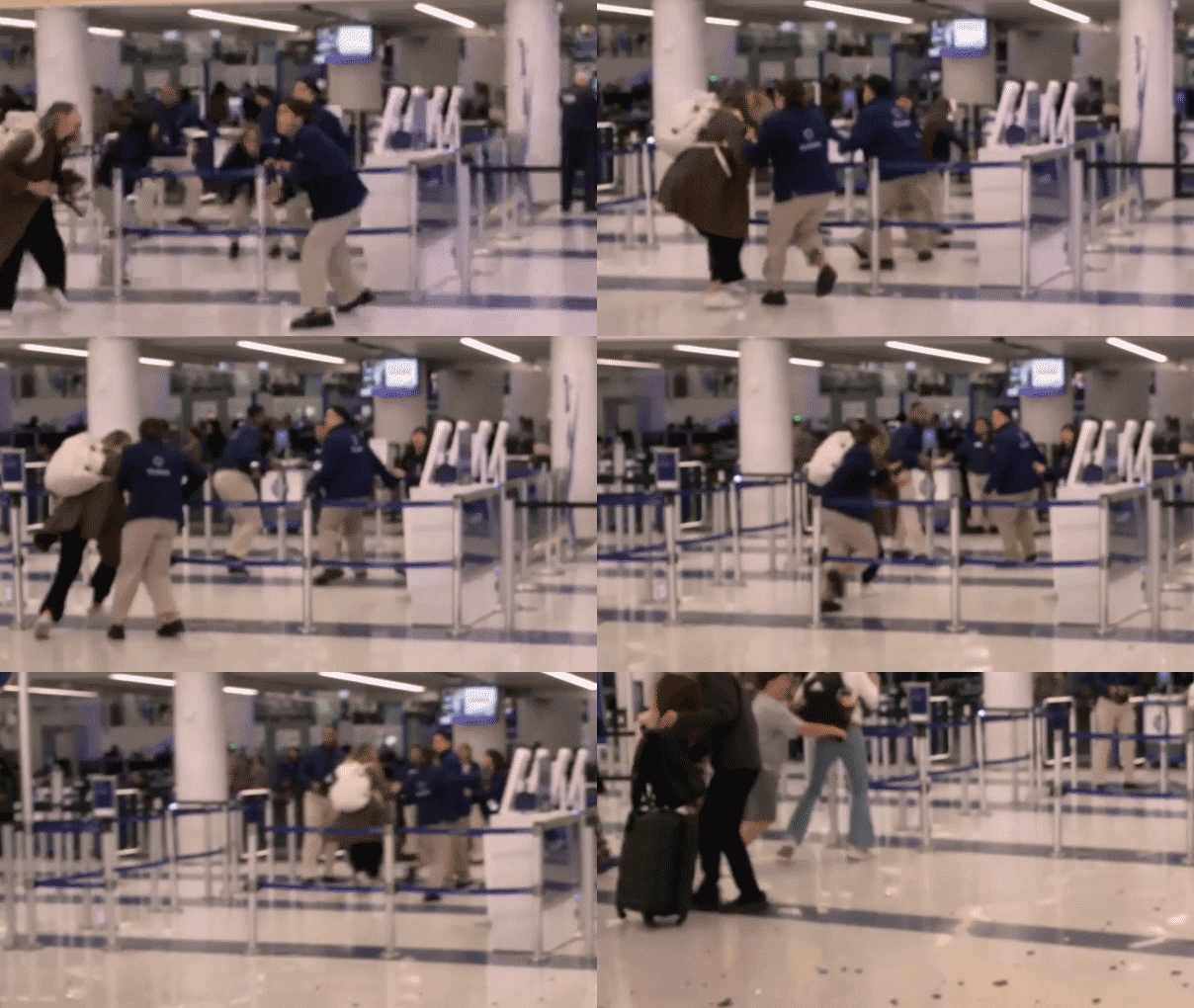
Inside the passenger terminals, the scene was one of sudden confusion and alarm. Terminal 7 bore the brunt of the visible damage, where exterior and walkway windows shattered under the torsional stress of the rolling seismic waves. Airport personnel quickly moved to cordon off affected zones with caution tape, while maintenance crews mobilized to sweep up piles of broken glass. Despite the localized damage to glass panes and the temporary disruption to landing schedules, airport authorities confirmed that overall operations at LAX remained functional, though operating under heightened precautionary watch protocols.
Seismological Data and Aftershock Sequence
According to data compiled by the California Governor’s Office of Emergency Services and regional seismic networks, the primary earthquake registered a magnitude of 5.0. Its epicenter was located just off the shoreline of Manhattan Beach, placing the disturbance relatively close to densely populated coastal and inland corridors.
The nature of the shaking was widely described by residents as a distinct "rolling" motion, typical of faults running through the sedimentary basins of the Los Angeles coastal plain. Because the quake occurred at a relatively shallow depth, the energy was felt intensely not only in the immediate vicinity of the beach communities but also across Culver City, the San Fernando Valley, and deep into Orange County, over 40 miles away from the epicenter.
The initial shock was far from an isolated incident. Seismologists and emergency management officials tracked a series of aftershocks throughout the morning and early afternoon hours. Most notably, a moderate magnitude 4.5 aftershock struck at 11:41 a.m. PT, delivering a secondary jolt that further rattled residents who were already on edge. Smaller micro-quakes and minor aftershocks continued to register on monitoring equipment, prompting authorities to warn the public that additional rolling tremors could occur in the days following the primary event.
Official Responses and Emergency Infrastructure Assessments
In the immediate aftermath of the quake, local and state emergency management frameworks swung into action. Los Angeles Mayor Karen Bass mobilized city departments to conduct rapid visual inspections of critical infrastructure, including water systems, power grids, bridges, freeways, and municipal buildings.
Speaking with news networks from the field, Mayor Bass characterized the situation as an ongoing seismic event while delivering reassuring news regarding major public infrastructure.
"LAX is functioning normally, but of course on the watch," Mayor Bass stated, emphasizing that preliminary surveys conducted by municipal engineers revealed no structural compromises to the city’s vital lifelines. Emergency services agencies, including the Los Angeles Fire Department (LAFD), shifted into operational standby mode, executing mandatory protocol surveys across all city districts to check for localized gas leaks, structural distress, or stranded individuals in elevators.
Utility providers, including the Los Angeles Department of Water and Power (LADWP) and Southern California Edison, initiated automated grid diagnostics. While brief localized power flickers were reported by residents in neighborhoods close to the coast, no widespread blackouts or catastrophic infrastructure failures were documented in the hours immediately following the tremor.

Impact on Holiday Travel and Public Reaction
The timing of the earthquake could scarcely have been more challenging for the regional and national transportation network. Striking on a Saturday morning during the peak of the post-Thanksgiving holiday travel period, the seismic event added an extra layer of anxiety to millions of passengers navigating airports, highways, and rail lines.
Thousands of travelers moving through LAX experienced minor delays as airlines paused operations temporarily to allow ground crews to visually inspect tarmac conditions, air traffic control towers, and terminal integrity. However, air carriers and airport administrators worked systematically to clear the backlog, preventing the type of systemic gridlock that often accompanies major infrastructure shutdowns.
Outside the airport perimeter, the psychological impact on Southern California residents was palpable. Social media platforms flooded within seconds with firsthand accounts from individuals across the Los Angeles basin. Many long-term residents drew immediate comparisons to historical seismic events, including the devastating magnitude 6.7 Northridge earthquake of January 1994.
"I was in the 1994 Northridge earthquake," one resident shared online. "That one was scary. We woke up to the earth shaking and glass breaking as things were falling off the shelves. I’m surprised there’s that much shaking for a 5.0."
Others noted the uncanny efficiency of modern early-warning technology. Numerous users reported that their smartphones delivered emergency audio alerts a split second before the physical ground motion reached their specific locations, providing a vital, albeit jarring, window of time to brace for impact. Pet owners also shared observations of unusual animal behavior, noting that domestic dogs and cats exhibited acute agitation moments before the sound and fury of the rolling waves arrived.
Broader Context and Preparedness Implications
Saturday’s magnitude 5.0 earthquake serves as a sharp reminder of Southern California’s persistent geological reality. Situated atop a complex web of active fault systems associated with the broader San Andreas Fault zone, the region experiences thousands of low-magnitude tremors every year. Events of magnitude 5.0 or greater, while capable of causing localized damage and generating widespread psychological distress, occur less frequently but represent a critical test of the region’s long-term infrastructure hardening and emergency preparedness initiatives.
Over the past three decades, billions of dollars have been invested by municipal, state, and federal agencies to retrofit older buildings, upgrade bridges, reinforce water aqueducts, and implement advanced early-warning systems such as the MyShake app. The performance of critical facilities like LAX during Saturday’s event suggests that these engineering interventions have significantly enhanced the resilience of the metropolitan area against moderate seismic disruptions.
Emergency management officials continue to urge residents to maintain updated emergency kits, review family communication plans, and remain vigilant as aftershocks continue to release residual tectonic stress along the coast. While the immediate crisis has subsided without reports of major injuries or structural devastation, the event underscores the unpredictable nature of living in earthquake country—where a routine holiday weekend can be instantly upended by the restless movement of the earth.

