
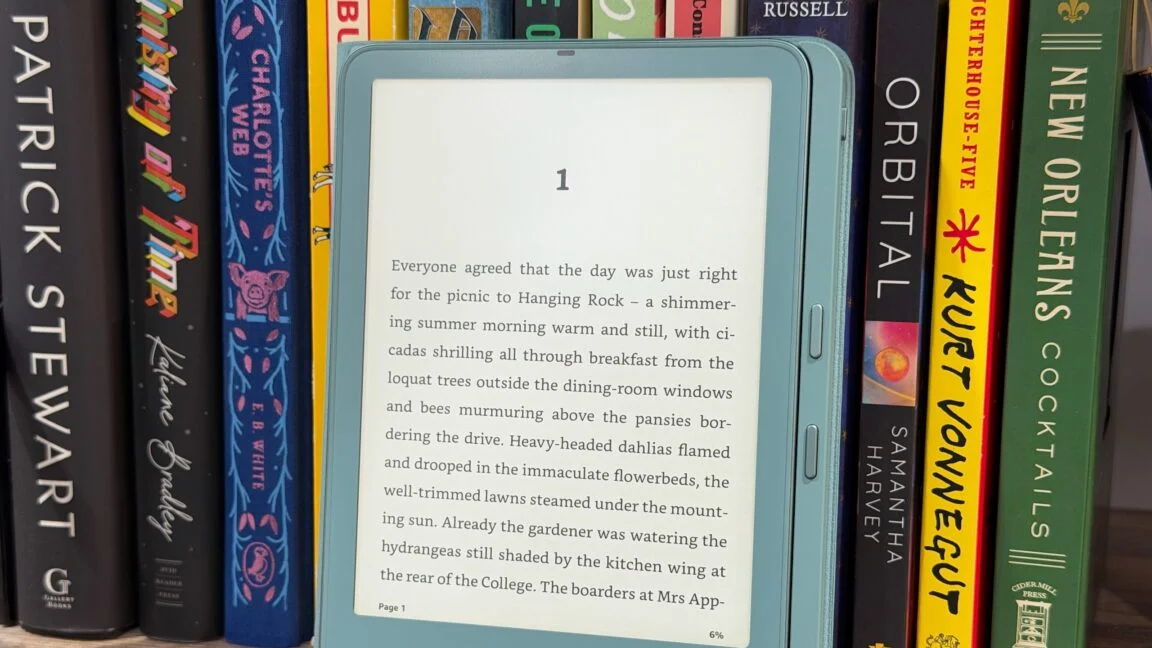
The steady climb of consumer technology prices over the past half-decade has spared few categories, turning even basic, single-purpose gadgets into significant financial investments. Supply chain pressures, persistent component shortages, and broader macroeconomic inflation have fundamentally altered the economics of consumer hardware. This shift is evident across the technology landscape, from high-end computing components to simple e-readers. Where consumers once expected iterative hardware upgrades at stable price points—often summarized by the familiar formula of "new features, same price"—the modern reality dictates that securing marginal improvements requires paying substantially more, while matching last year’s specifications often comes at a heightened cost.
Amazon’s popular Kindle lineup offers a clear case study in this trend. The pricing trajectory of the company’s e-readers over recent years demonstrates a departure from historical norms. Incremental price hikes introduced across the 2024 Kindle generation set the stage for a more aggressive valuation structure in the 2026 models. A comparative analysis reveals that older hardware frequently outperforms newer, more expensive baseline models; for instance, a mid-range Kindle Paperwhite from preceding years often surpasses a newer base model in screen dimensions, front-light fidelity, and water resistance. Consequently, budget-conscious consumers increasingly find themselves weighing the merits of discounted refurbished units against the latest retail offerings.
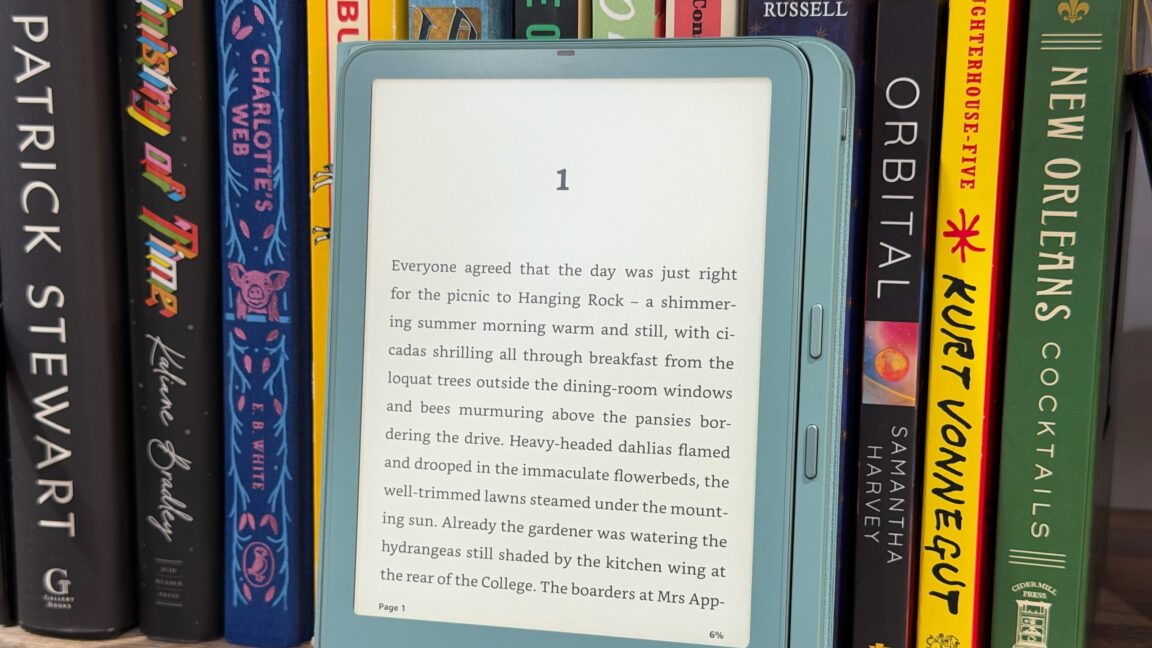
Evolution of the Kindle Lineup and Hardware Architecture
The 2026 hardware refresh spans a monochrome family consisting of five distinct models, anchored by the flagship Kindle Paperwhite Signature Edition. Priced at $250, this premium variant departs from the traditional soft-touch plastic chassis used in standard models, opting instead for a durable aluminum enclosure reminiscent of modern tablet construction. Beneath the exterior, the device maintains core performance standards while introducing targeted mechanical and structural updates.
Among the most notable design modifications across the 2026 lineup is the relocation of the physical power button. Previously positioned along the bottom edge—where accidental activations frequently occurred when users rested the device on a surface—the power button has been moved to the top-right edge. Furthermore, in alignment with emerging global right-to-repair regulations, Amazon has integrated user-replaceable batteries into the latest generation. This change addresses longstanding criticisms regarding the disposability of sealed consumer electronics, facilitating easier maintenance and potentially extending the operational lifespan of the hardware.
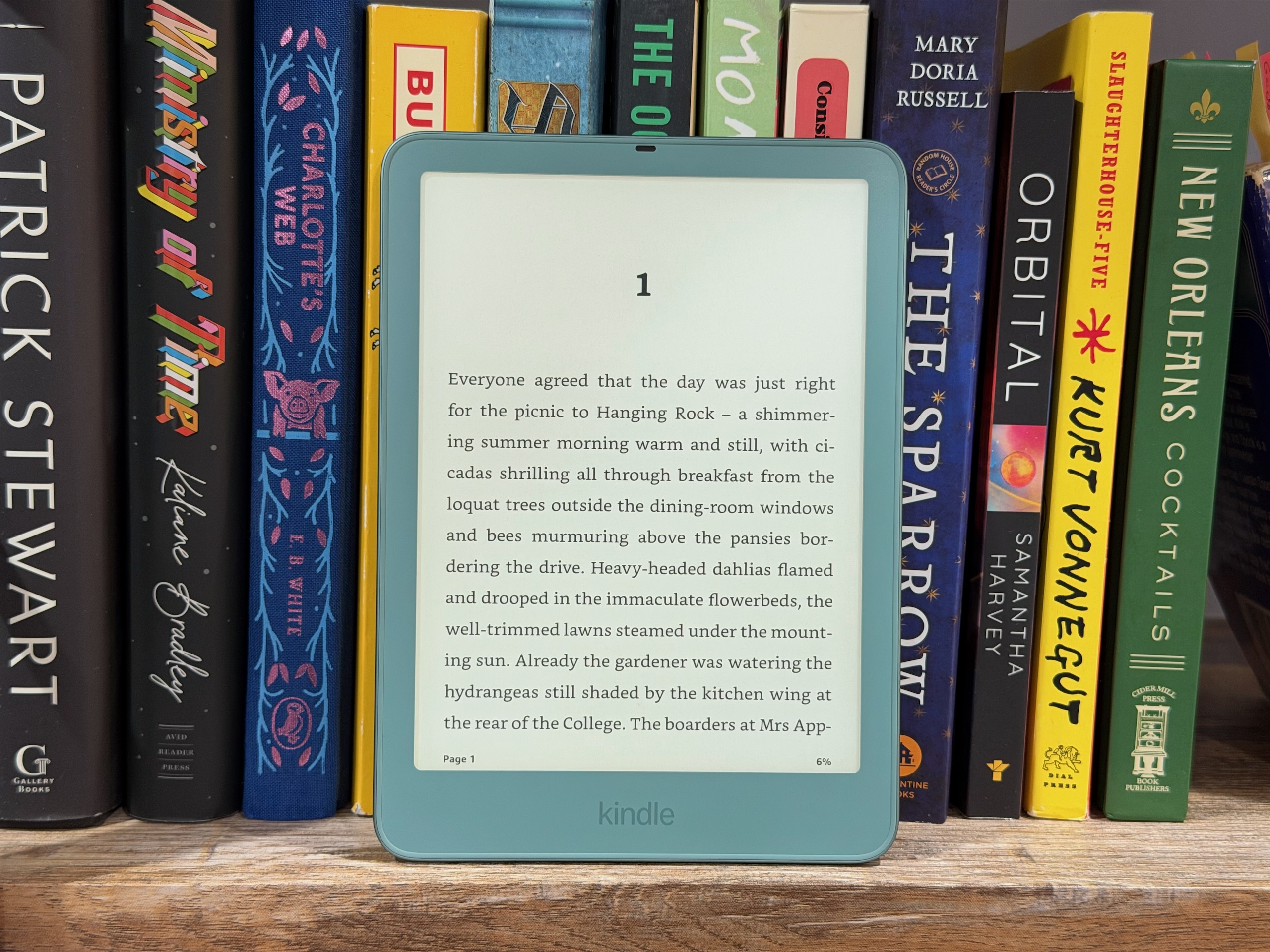
Display technology across the Paperwhite tier remains consistent, utilizing a 7-inch, 300-pixel-per-inch (PPI) E-Ink panel equipped with adjustable front lighting for color temperature and brightness. This warm-light capability continues to provide a more comfortable reading experience compared to the cooler, blue-tinted illumination characteristic of older generations and baseline models. Performance-wise, the devices exhibit smooth page transitions and responsive touch inputs, minimizing the latency that historically plagued electronic paper displays, though hardware benchmarks continue to show limitations inherent to E-Ink technology.
The Return of Physical Page-Turn Controls
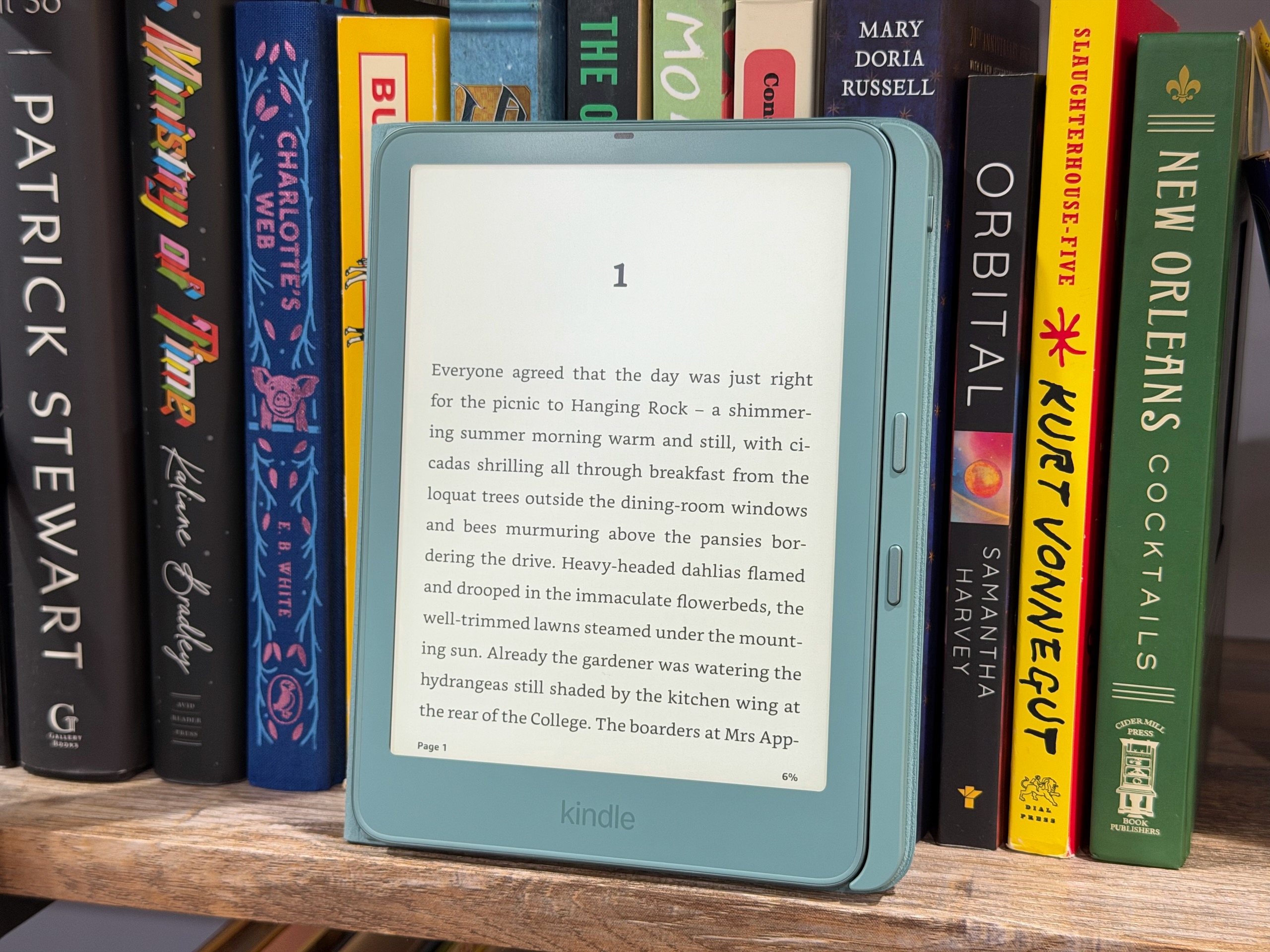
The most discussed feature of the 2026 Paperwhite Signature Edition is the reintroduction of physical page-turn controls, a feature absent from Amazon’s primary offerings since the discontinuation of the Kindle Oasis. Rather than embedding buttons directly into the chassis, Amazon has adopted an modular approach. The Signature Edition features copper pogo-pin contacts on its rear panel, designed to interface with proprietary accessories.
Users can purchase the Kindle Page Turn Cover—an $80 add-on—which attaches magnetically and establishes a physical connection via the pogo pins to provide tactile page-turn buttons. This configuration results in an asymmetrical grip profile that evokes earlier premium readers. The mechanical buttons deliver crisp tactile feedback, enabling rapid single-page navigation, though performance can lag slightly during intensive multi-page flipping.
The accessory ecosystem also includes a $60 charging stand that utilizes the same rear contacts, serving as a replacement for the wireless charging functionality present in the 2024 Signature Edition but omitted from the 2026 model. For users seeking a standalone alternative, Amazon offers the Kindle Click, a $35 remote-control accessory compatible with select recent Kindle operating systems. However, software fragmentation remains a hurdle; the Kindle Click requires firmware version 5.20.1.0.2 or later, limiting compatibility primarily to 2024 and 2026 hardware iterations and leaving older generations unsupported.
Comparative Hardware Specifications
To understand the trajectory of Amazon’s e-reader ecosystem, examining the hardware progression of the Kindle Paperwhite series reveals clear shifts in pricing, physical dimensions, and features over successive generations:
| Specification | Kindle Paperwhite (2018) | Kindle Paperwhite (2021) | Kindle Paperwhite (2024) | Kindle Paperwhite (2026) |
|---|---|---|---|---|
| Display Size / PPI | 6-inch, 300 PPI | 6.8-inch, 300 PPI | 7-inch, 300 PPI | 7-inch, 300 PPI |
| Lighting Features | Front light | Warm light | Warm light | Warm light |
| Storage Capacity | 8GB | 8GB | 16GB | 16GB |
| Waterproofing | IPX8 | IPX8 | IPX8 | IPX8 |
| Battery Longevity | Up to 6 weeks | Up to 10 weeks | Up to 12 weeks | Up to 12 weeks |
| Charging Interface | Micro USB | USB-C | USB-C | USB-C |
| Device Weight | 6.4 oz / 181g | 7.2 oz / 205g | 7.4 oz / 211g | 7.2 oz / 204g |
| Launch Price | $130 (Plastic) | $140 (Plastic) | $160 (Plastic) | $200 (Plastic) |
A broader comparison incorporating the baseline Kindle models further illustrates the compression of feature sets relative to cost:
| Specification | Kindle (2024) | Kindle (2026) | Kindle Paperwhite (2026) | Paperwhite Signature Edition (2026) |
|---|---|---|---|---|
| Display Configuration | 6-inch, Recessed | 6-inch, Flush | 7-inch, Flush | 7-inch, Flush |
| Lighting Features | Basic Front Light | Basic Front Light | Warm Light | Warm Light, Auto Sensor |
| Storage Options | 16GB | 16GB / 32GB (Aluminum) | 16GB | 32GB |
| Water Resistance | None | None | IPX8 | IPX8 |
| Battery Life | Up to 6 weeks | Up to 6 weeks | Up to 12 weeks | Up to 12 weeks |
| Wireless Charging | No | No | No | No |
| Weight | 5.56 oz / 158g | 4.9 oz / 140g (Plastic) | 7.2 oz / 204g | 8.1 oz / 229g |
| Base Price | $110 | $150 | $200 | $250 |
Market Implications and Economic Realities
The pricing adjustments implemented in the 2026 Kindle portfolio reflect broader economic realities within the consumer electronics sector. Industry analysts note that manufacturing input costs, silicon pricing, and logistics expenses have structurally raised floor prices for entry-level electronics. Consequently, consumer expectations are shifting away from historical models of getting more features for the same capital outlay.

For prospective buyers, the value proposition of modern e-readers depends heavily on individual feature priorities. While the 2026 lineup delivers refined industrial design, improved ergonomics, and regulatory compliance through repairable components, the cost increases are difficult to ignore. Consumers seeking advanced reading experiences must commit to significantly higher expenditures, particularly if modular accessories like physical button covers are factored into the total cost of ownership.
As the market absorbs these changes, industry observers suggest that the secondary market and discounted previous-generation hardware will remain attractive alternatives for cost-conscious readers. Until manufacturing efficiencies or macroeconomic shifts alter component economics, the baseline expectation for consumer technology remains clear: acquiring advanced capabilities will continue to command a premium price.

