
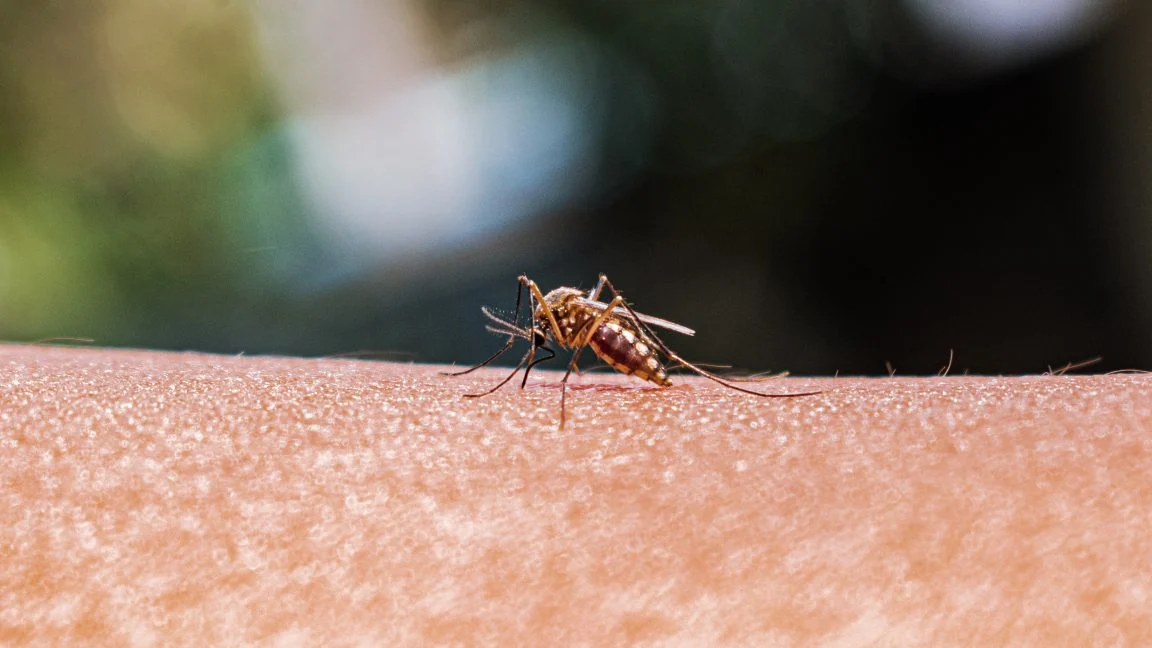
New York’s efforts to monitor and control mosquito populations, crucial for public health and disease prevention, are hampered by a system characterized by labor-intensive, expensive, and fragmented programs. This patchwork approach, reliant on manual labor and facing logistical hurdles like obtaining specialized materials, leaves invasive mosquito species undetected and the state vulnerable to potential outbreaks. A proposed bill in the New York State Legislature aims to address these shortcomings by establishing a comprehensive, statewide surveillance program, shifting the focus from reactive responses to proactive prevention.
The Costly and Complex World of Mosquito Monitoring
The frontline of mosquito monitoring involves painstaking, often resource-intensive fieldwork. Traditional methods rely on teams to meticulously set and check traps designed to capture these disease-carrying insects. These operations require not only dedicated personnel but also specialists capable of identifying, sorting, and rigorously testing the collected samples for the presence of pathogens.
The effectiveness of these traps hinges on their ability to mimic natural attractants. Some traps lure female mosquitoes by presenting them with "stinky water"—a concoction of decaying organic material designed to mimic a breeding ground. Others employ a more sophisticated approach, utilizing dry ice to release carbon dioxide. Mosquitoes, adept hunters of mammals, are drawn to this invisible plume of CO2, a key indicator of a potential blood meal. However, in the vast rural expanses of New York, acquiring dry ice can present a significant logistical challenge, forcing monitoring teams to resort to self-production, an additional layer of complexity and expense.
Beyond the physical demands and material procurement, the very nature of inter-agency communication and data sharing poses a substantial obstacle. In a state as geographically diverse and populated as New York, ensuring seamless coordination among county-level programs is a monumental task. Dr. Emily Leydet, a researcher whose lab has extensively studied these surveillance gaps, highlighted this critical issue. "One of the problems with states that are not comprehensively doing these surveillance programs is that surveillance is hit or miss," Leydet stated. "A lot of these surveillance programs are run by the counties, and they’re not really talking to each other."
This lack of centralized communication and data integration means that valuable information about mosquito populations and the spread of invasive species can be siloed, leading to blind spots in the state’s defense against vector-borne diseases. Leydet’s research has indicated that this fragmented system allows certain invasive mosquito species to "fly under the radar," their presence and potential threat going unnoticed until they have established significant populations or caused an outbreak.
Funding Gaps and the Reactive Cycle of Disease Control
Funding emerges as a persistent and formidable challenge to enhancing mosquito surveillance. The sustainability of these vital programs is often directly tied to the financial capacity of individual counties. "If the county doesn’t have money or resources, these programs fade away," Leydet explained. This dependency on local budgets creates an uneven playing field, where some areas may have robust monitoring in place, while others are left with minimal or non-existent surveillance.
The consequences of this underfunding are significant. When surveillance programs falter due to financial constraints, the state is left in a perpetually reactive stance. "If we don’t have these surveillance programs, then all we’re doing is responding to a problem when it’s already a problem, and that’s never how prevention works," Leydet emphasized. This reactive approach is inherently less effective and far more costly than proactive measures. It means waiting for disease outbreaks to occur before mobilizing resources for control, often involving more extensive and potentially environmentally impactful interventions like widespread pesticide spraying.
A Legislative Push for Comprehensive Surveillance
The current landscape of fragmented and underfunded mosquito monitoring programs in New York may be on the cusp of a significant transformation. A bill introduced in the New York State Legislature this session, S10393, seeks to establish a framework for a comprehensive, statewide mosquito surveillance program. This legislative initiative directly confronts the shortcomings of the existing "sparse and disintegrated" system, aiming to equip public health officials with the tools and data necessary to anticipate and respond to potential outbreaks before they escalate.
The proposed bill acknowledges the critical need for a unified approach, recognizing that effective mosquito control requires coordinated efforts that transcend county lines. By creating a centralized program, the legislation intends to standardize monitoring protocols, facilitate data sharing, and ensure consistent resource allocation across the state. This would allow for a more accurate and holistic understanding of mosquito populations, their distribution, and the risks they pose to public health.
Proactive Prevention: The Cornerstone of Public Health
The benefits of a robust, proactive mosquito surveillance program extend far beyond simply identifying a problem. Early detection enables the implementation of a range of preventative measures that can significantly mitigate the risk of mosquito-borne diseases. These proactive strategies are multifaceted and can be categorized as follows:
- Source Reduction: This involves identifying and eliminating breeding sites. A key element is the removal of standing water, which provides the essential environment for mosquito eggs to hatch and larvae to develop. This can include emptying containers, maintaining gutters, and ensuring proper drainage in yards and public spaces.
- Targeted Larviciding: Once breeding habitats are identified, applying larvicides directly to these areas can effectively prevent the development of adult mosquitoes. This approach is more targeted and environmentally conscious than broad-spectrum adulticiding.
- Public Education and Awareness: Empowering the public with knowledge is a critical component of prevention. Educating residents on how to identify and eliminate breeding sites around their homes, the importance of using insect repellent, and the need to cover bare skin when outdoors during peak mosquito activity hours can significantly reduce individual risk.
- Surveillance and Early Warning Systems: The core of a comprehensive program, this involves continuous monitoring of mosquito populations and testing for the presence of disease-causing agents like West Nile virus, Eastern Equine Encephalitis (EEE), and Zika virus. Early detection of increased mosquito activity or the presence of pathogens allows public health officials to issue timely warnings and implement targeted control measures.
While these proactive measures are highly effective, the reality of outbreaks may still necessitate more widespread interventions, such as pesticide spraying to control adult mosquito populations when disease transmission is imminent. However, a strong surveillance program aims to reduce the frequency and scale of such interventions.
The Economic and Political Hurdles to Centralization
Despite the clear public health imperative, the path towards greater centralization and coordination in mosquito surveillance is not without its challenges. Leydet acknowledged the general interest in improving these programs but pointed to the significant financial implications. "There is general interest in these programs, but when you start seeing what they cost, it’s like, ‘Maybe we’re not that interested’," he remarked.
The investment required for a comprehensive statewide program, encompassing personnel, equipment, laboratory analysis, and data management, is substantial. Convincing policymakers to allocate the necessary funds, especially in the face of competing budgetary priorities, can be a difficult undertaking. Large states like New York, with their vast geographical areas and diverse populations, present unique coordination complexities. Ensuring that all counties, regardless of their economic standing or existing infrastructure, can participate effectively requires careful planning and sustained financial commitment.
A Glimmer of Hope for a Healthier Future
Despite the formidable obstacles, the introduction of Bill S10393 represents a significant step forward. It signals a recognition at the state level that the current fragmented approach is insufficient to protect New Yorkers from the growing threat of mosquito-borne diseases. While the implementation of a comprehensive program will undoubtedly require substantial resources and sustained political will, the potential benefits in terms of disease prevention and public health are immense.
As Leydet optimistically concluded, "any help is better than nothing." The proposed legislation offers a concrete pathway to provide that much-needed help, transforming New York’s mosquito surveillance from a piecemeal effort into a cohesive, data-driven strategy for safeguarding the health of its citizens. The success of this bill could set a precedent for other states grappling with similar challenges, underscoring the critical importance of proactive public health infrastructure in an era of evolving environmental and health risks. The fight against mosquito-borne diseases is a continuous one, and robust, well-funded surveillance programs are the essential weapons in that ongoing battle.
This article was originally published by Inside Climate News, a nonprofit, non-partisan news organization dedicated to covering climate, energy, and the environment. Readers can subscribe to their newsletter for further updates.

